

Table of Contents
iOS 18 keeps the iOS 17 iPhone lineup in play
Apple is preparing another major iPhone software update with iOS 18, and the most consequential early detail may be the least flashy one: compatibility is expected to remain unchanged from iOS 17. According to a recent post on X from a reliable source, every iPhone that currently supports iOS 17 is expected to support iOS 18 as well.
That matters because software support often draws a sharper line between generations than the hardware itself does. Keeping the same lineup means owners of several older iPhones should not be forced out of the next version simply because Apple has introduced a new operating system. It also gives iOS 18 a broad potential audience from the start, even if not every headline feature reaches every supported device.
The important distinction is between installing iOS 18 and receiving its full feature set. Apple Intelligence is presented as an AI-powered overhaul of the operating system, but some of those AI-driven capabilities may not be supported on older iPhone models. Compatibility, then, is not necessarily feature parity. A phone can remain current for the core operating system, app support, privacy changes, security improvements, and interface updates while missing functions that demand newer hardware.
Full list of compatible iPhone models
The expected iOS 18 compatibility list covers the current iPhone 15 family, the iPhone 14, iPhone 13, and iPhone 12 ranges, the iPhone 11 family, and the iPhone XR, iPhone XS, iPhone XS Max, plus both listed iPhone SE generations.
- iPhone 15
- iPhone 15 Plus
- iPhone 15 Pro
- iPhone 15 Pro Max
- iPhone 14
- iPhone 14 Plus
- iPhone 14 Pro
- iPhone 14 Pro Max
- iPhone 13
- iPhone 13 mini
- iPhone 13 Pro
- iPhone 13 Pro Max
- iPhone 12
- iPhone 12 mini
- iPhone 12 Pro
- iPhone 12 Pro Max
- iPhone 11
- iPhone 11 Pro
- iPhone 11 Pro Max
- iPhone XS
- iPhone XS Max
- iPhone XR
- iPhone SE (2nd generation)
- iPhone SE (3rd generation)
The presence of the iPhone XR, iPhone XS, and iPhone XS Max is particularly notable. Those models use the A12 Bionic chip, yet are still included in the expected iOS 18 group. Older iPhone models, however, will not be compatible with the new update.
For people deciding whether to replace an iPhone, that support window changes the calculation. A device does not suddenly become obsolete because it lacks every new feature. Continued access to the newest version of iOS can be valuable on its own, especially where the update brings improvements to privacy, security, accessibility, and day-to-day system behavior. The more demanding question for owners of older supported models will be whether the Apple Intelligence features they want are available on their hardware.
WWDC announcement and September release
Apple is expected to officially announce iOS 18 at its Worldwide Developers Conference, scheduled to begin on June 10. The update will then be released to users with compatible iPhones in September.
That timetable follows Apple’s established annual rhythm: reveal the next operating system at WWDC, then make it available more broadly later in the year. For users, the announcement is where the compatibility list and feature limits should become clearer. It is also where Apple will need to explain the practical boundary between the general iOS 18 experience and the parts of Apple Intelligence that may be restricted on older phones.
The annual cycle is about more than a visual refresh. It is how Apple extends software improvements and security features across its existing base. Keeping the iOS 17-supported lineup alive for iOS 18 is therefore a meaningful consumer-facing decision, even before the company makes the case for any individual new tool.
Apple Intelligence puts AI at the center of the update
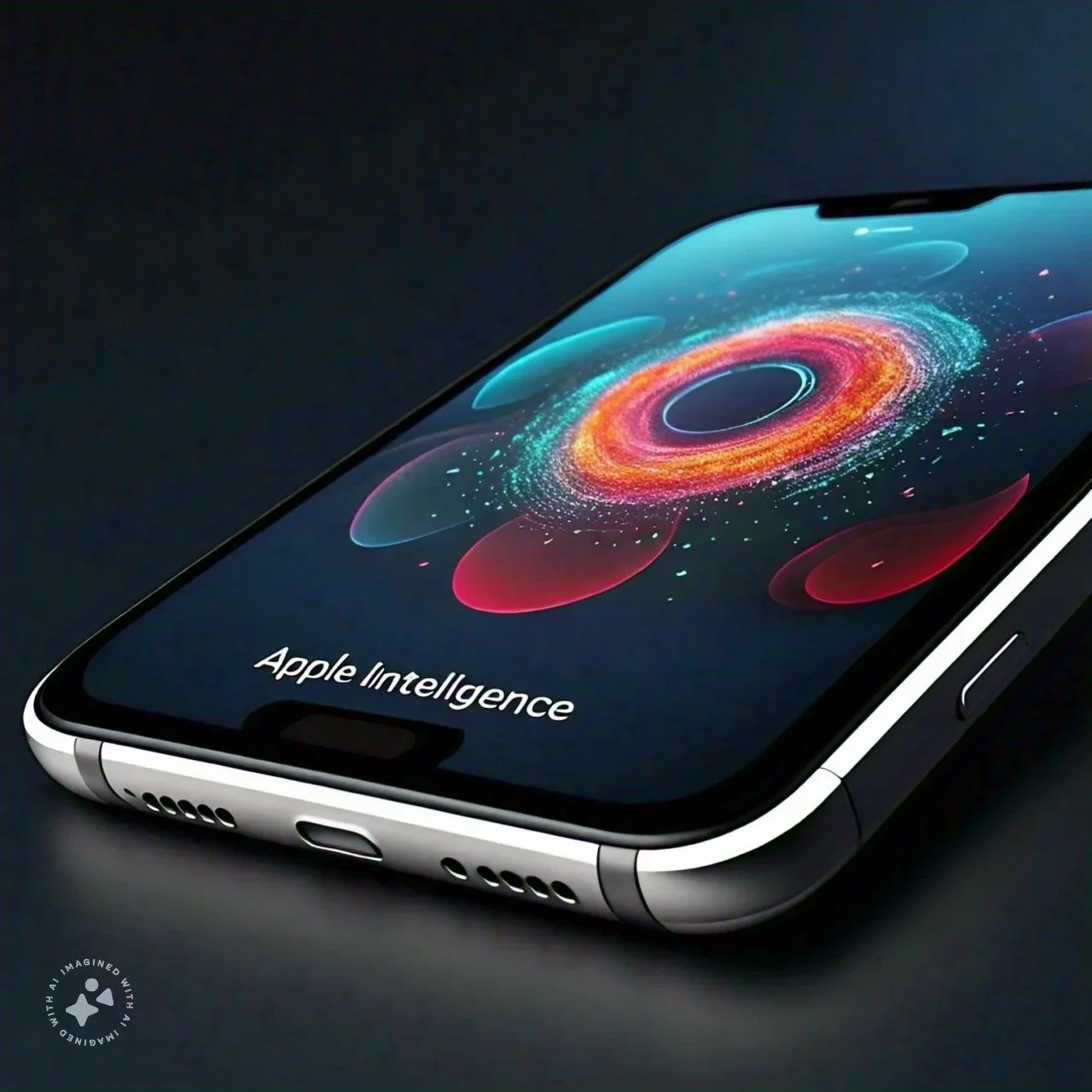
The most anticipated part of iOS 18 is the AI-powered overhaul Apple calls Apple Intelligence. The name suggests a broader system-level effort rather than a single standalone feature: artificial intelligence woven into how people interact with their iPhones and complete familiar tasks.
Apple Intelligence is expected to include smarter Siri interactions, predictive text improvements, and enhanced photo and video editing capabilities. Taken together, those areas point to an attempt to make the phone more useful in the moments users repeat constantly: asking for help, writing, communicating, finding information, and working with images. That is a stronger ambition than simply adding an AI label to an app.
There is also a reason to be cautious about treating “AI-powered” as a guarantee of a uniformly better experience. The usefulness of smarter Siri, predictive text, or editing tools will depend on how reliably those features understand the user’s intent and how available they are across compatible devices. Apple’s challenge is not only to introduce new AI capabilities, but to make them feel practical rather than ornamental.
That tension makes the older-model caveat important. iOS 18 support for a device is good news; losing access to the update’s most heavily promoted AI functions would still create a visible divide within that supported group. Apple Intelligence may be the headline, but for many people the broader operating system improvements will determine whether iOS 18 feels like a worthwhile update.
Privacy, security, interface, and accessibility
Apple has long made privacy and security central to its iOS messaging, and iOS 18 is described as continuing that focus. The update promises stronger measures to protect user data, including better app permissions, improved data encryption, and advanced threat detection intended to guard against malware and phishing attacks.
Those changes are not as easy to demonstrate as a redesigned icon or a new Siri interaction, but they may have the widest relevance. App permissions shape what software can access. Encryption concerns how data is protected. Threat detection addresses a familiar reality of modern phone use: scams and malicious attempts do not need to look technically sophisticated to cause real harm. In a major yearly update, these are the parts that can matter long after the launch excitement fades.
iOS 18 also brings a refreshed user interface with subtle design changes intended to improve the overall look and feel of the operating system. Users can expect smoother animations, updated app icons, and a more cohesive visual experience across apps. “Subtle” is the operative word here. A mature mobile platform does not need to be rebuilt each year; consistency can be more useful than novelty when people rely on the same gestures and layouts every day.
Apple has also focused on making the system more accessible, with new features designed to assist users with disabilities. Accessibility improvements are often treated as a secondary bullet point in software announcements, despite affecting whether a device can be used comfortably and independently. Including them within the central iOS 18 experience is the right framing.
iPadOS 18 has a narrower compatibility change
Apple will also roll out iPadOS 18, though the iPad picture is not identical to the iPhone one. The 10.5-inch iPad Pro and the second-generation 12.9-inch iPad Pro, both using the A10X Fusion chip, will not receive the update. The sixth-generation iPad will also be dropped from the compatibility list, while the seventh-generation iPad will continue to be supported.
The contrast is useful. iOS 18 is expected to preserve support for the same iPhones that run iOS 17, including A12 Bionic-based models. iPadOS 18, by comparison, leaves several iPads behind. That does not make either approach unusual, but it does show why buyers should not assume that Apple’s software support decisions move in lockstep across product categories.
iOS 18 is shaping up as a broad update with a narrower question at its center: how much of the AI future Apple is promoting will reach each compatible iPhone. The expected support list gives iPhone owners plenty of reason to pay attention, particularly those using an iPhone XR, iPhone XS, iPhone XS Max, or an iPhone SE (2nd generation). WWDC beginning on June 10 should provide the official answer, ahead of the September release to compatible iPhones.
More News: Mobile
Potential ChatGPT Features in iOS 18: A Growing Concern for Microsoft

