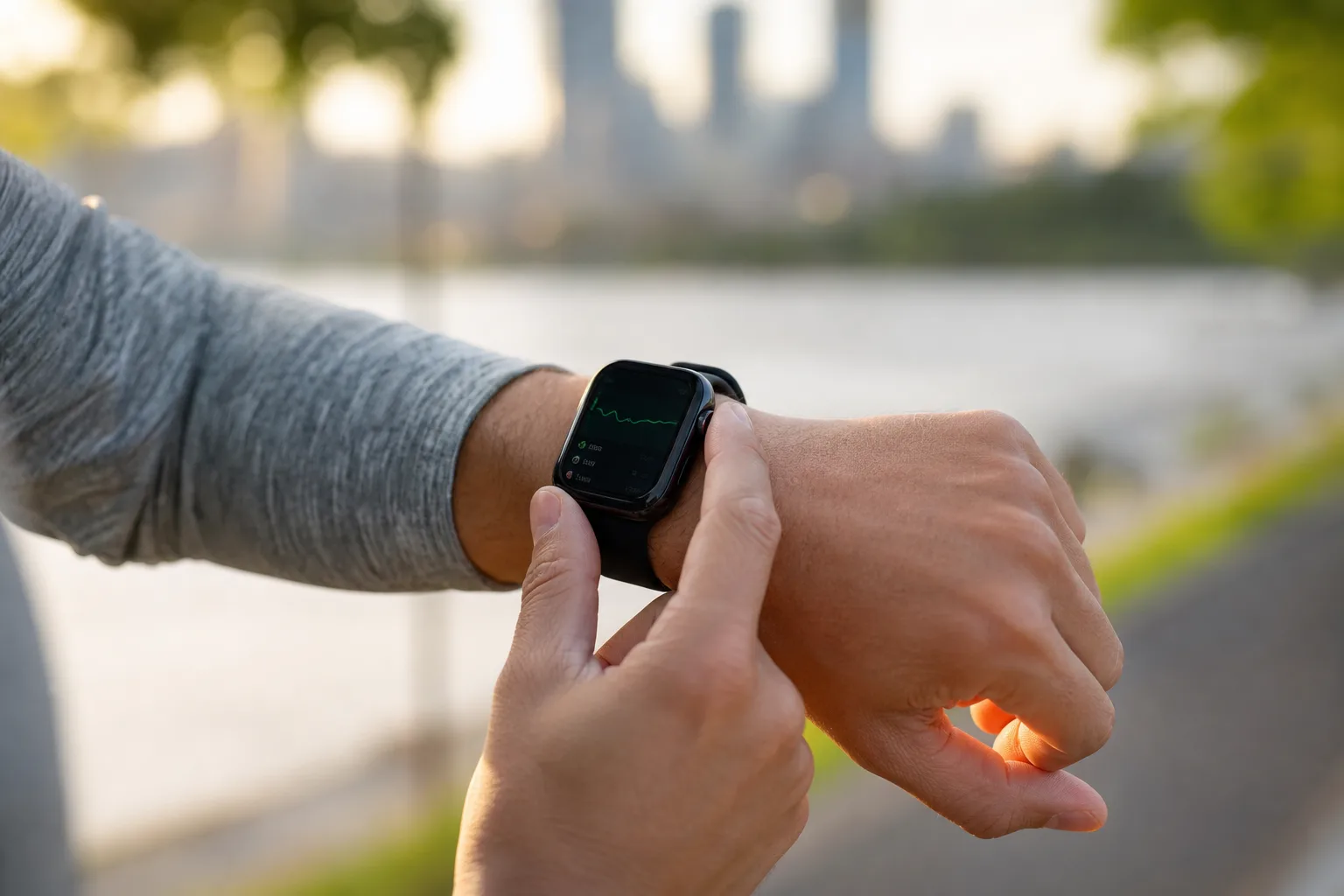
- Apple Watch Series 12 starts at $449 in 46mm aluminum, a $20 increase over the previous larger standard model.
- The Apple Watch Series 12 42mm model remains $399, making the move to the larger case cost $50 rather than $30.
- Apple’s wider price increases appear tied to rising component costs, including pressure from a reported RAM chip shortage.
- Xcode references indicate new Apple Watch and Ultra models carry more RAM, though Apple has not made memory a consumer-facing selling point.
Table of Contents
Apple Watch Series 12 breaks a long-running price pattern
Apple has quietly made the larger standard watch more expensive. The Apple Watch Series 12 still begins at $399 for the 42mm aluminum version, but the 46mm model now starts at $449 in the United States. That is a modest $20 increase on paper. At checkout, though, it breaks a price structure Apple had held remarkably steady for years.
Since the Apple Watch Series 4 arrived in 2018, the bigger aluminum Apple Watch has generally started at $429. Buyers could choose the smaller case at $399 or pay an extra $30 for more screen and a roomier fit. With the Apple Watch Series 12, that upgrade gap has widened to $50.
Apple did not make a big stage production out of it, naturally. The company’s Apple Watch product pages list the current configurations and pricing, but this is the sort of change many people will only notice when they reach the checkout page. It also lands at an awkward time: bigger wrists, better battery expectations, and easier-to-read screens have pushed plenty of shoppers toward the larger size.
Frankly, the 46mm model is likely the version many first-time buyers would have picked anyway. The larger display is easier to glance at while walking, replying to messages, checking workout stats, or trying to read a notification without squinting like you have misplaced your glasses. Apple has effectively put a $20 toll booth in front of that preference.
The 46mm premium now matters more than it looks
For an existing Apple Watch owner, $20 will not determine whether to upgrade. But Apple’s pricing has always worked through small steps: a larger case here, cellular there, a nicer band somewhere down the road. Add those choices together and the entry-level Apple Watch Series 12 can move out of impulse-buy territory surprisingly fast.
A 46mm aluminum GPS model at $449 remains far below the Apple Watch Ultra line, and it is still positioned as Apple’s mainstream wearable. Yet the comparison inside Apple’s own lineup is what makes this increase notable. The 42mm version is unchanged at $399, so the larger display costs two-thirds more than it did as an upgrade over the smaller case.
That may sound like spreadsheet trivia. It is not. Most consumer electronics pricing is built around psychological thresholds. Apple has kept the regular aluminum watch at $399 for a reason: it reads as a sub-$400 product, even though tax and accessories will quickly challenge that impression. The 46mm Apple Watch Series 12 no longer gets the benefit of that framing.
Competitors have faced the same squeeze. Samsung, Google, Garmin, and Fitbit all have to contend with component pricing, currency swings, shipping costs, and the fact that wearables pack a lot into a tiny sealed case. Sensors, screens, batteries, wireless radios, and increasingly capable processors do not become cheaper forever. Still, Apple has enough scale that it tends to delay retail price hikes until it has little choice, or until it sees a chance to reset the baseline.
Apple’s broader pricing reset is coming into view
The watch change does not appear to be isolated. Apple has reportedly raised prices across several product categories this year, including existing iPhone configurations, Macs, iPads, HomePods, and Apple TV hardware. The newer iPhone 18 Pro models also begin $100 higher than their iPhone 17 Pro predecessors in the US.
The stated backdrop is a shortage of RAM chips, a category that has become more strategically important as device makers add local AI features and demand for high-bandwidth memory climbs in data centers. Apple does not publicly break down the bill of materials for an Apple Watch Series 12, and it has not tied this specific $20 increase to memory costs. There is no tidy one-part explanation here.
But the timing is hard to ignore. When a company raises prices on several products at once, it usually signals that internal cost assumptions have changed. Apple can absorb some inflation through its enormous margins. It cannot absorb every increase indefinitely while also expanding memory, storage, display capability, battery technology, and on-device processing.
This is where the watch story gets more interesting than a $20 adjustment. Xcode references reportedly show additional RAM in both the Apple Watch Series 12 and Apple Watch Ultra 4. Apple rarely sells consumers on RAM figures in the way PC makers do, but more memory can help apps stay active, support richer watch faces, and give the software more room for future features. The original Apple Watch was painfully constrained by its hardware; Apple has spent a decade escaping that limitation.
More memory may be the part worth watching
If the added RAM proves meaningful in daily use, the Apple Watch Series 12 price increase may look less like arbitrary nickel-and-diming and more like one visible consequence of a hardware upgrade Apple did not put on a billboard. That remains an if. More memory does not automatically translate to better battery life, quicker app launches, or useful new health tools.
Apple also faces a familiar wearable problem: its annual updates are getting harder to explain in a single feature. The company has already improved the basics substantially, from the always-on display to crash detection and health tracking. The next era will depend on whether Apple can turn that expanding hardware headroom into software people notice, rather than another set of specifications buried in developer files.
For buyers, the practical advice is simple. Choose the 42mm Apple Watch Series 12 if it fits comfortably and you do not need the bigger screen; it remains the value anchor at $399. Choose the 46mm version if the display and fit genuinely suit you better, but recognize that Apple has made that decision more expensive than it was last year.
My read is that this $20 move is less about the watch than about Apple testing the elasticity of its entire hardware portfolio. The company has trained customers to expect annual upgrades with largely stable starting prices. If component pressure persists, that bargain may be quietly disappearing one product size at a time.