Table of Contents
As editors at Squaredtech.co, we analyze tech policy shifts that shape digital lives. Estonia child social media bans spark debate across Europe. This Baltic nation stands alone in the EU by rejecting age-based restrictions on platforms like TikTok and Instagram for minors. Education Minister Kristina Kallas voiced this position clearly. She argues that governments and corporations bear the duty to fix harms, not children. Her words challenge a wave of bans sweeping the globe. This article breaks down her stance, the science behind social media risks, global ban trends, and enforcement pitfalls. Readers gain a full picture of why Estonia child social media bans miss the mark.
Estonia Rejects Child Social Media Bans Amid EU Push
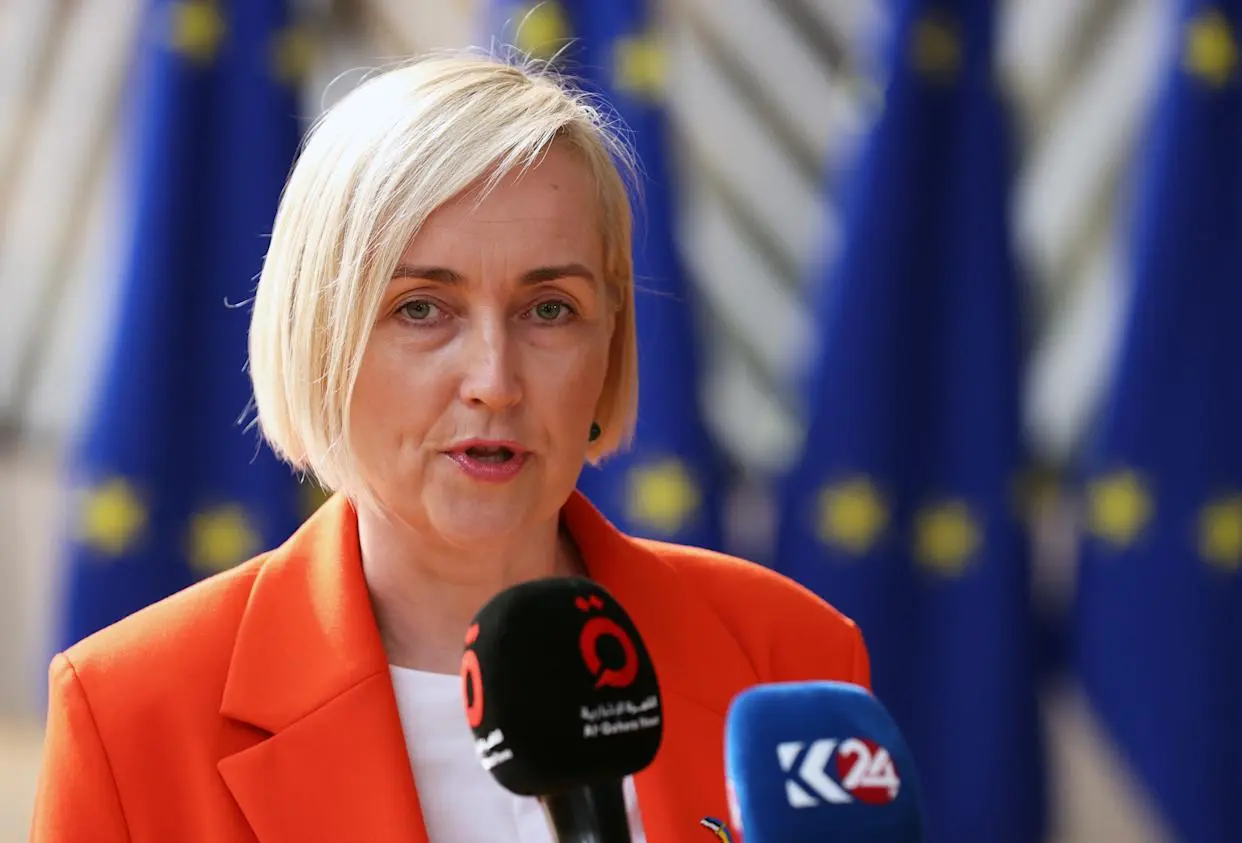
Estonia child social media bans draw sharp criticism from Minister Kallas. She spoke at a Politico forum in Barcelona on a recent Friday. Politico reported her key quote: bans do not solve core issues. Children always bypass rules, she explained. Estonia bases this view on practical realities. The country leads in digital innovation. It issues e-residency to global citizens and runs paperless government services. This tech-forward culture informs its policy choices.
Kallas stresses personal responsibility falls on adults. Governments craft laws. Corporations design addictive apps. Kids lack the tools to self-regulate. She points out that minors quickly discover workarounds. They use parental accounts or anonymous profiles. Estonia child social media bans ignore this fact, she says. Instead, leaders must pressure platforms directly.
Europe often appears powerless against U.S. giants like Meta and ByteDance. Kallas calls this weakness a facade. The EU holds real leverage through laws like the Digital Services Act (DSA). This 2022 regulation forces platforms to combat illegal content and protect users. Estonia pushes the bloc to wield this power fully. Regulate algorithms that hook young users. Demand transparency in ad targeting. Fine violators heavily. Kallas urges action over symbolic bans.
Estonia’s approach aligns with its history. The nation rebuilt after Soviet rule by embracing tech. It created Skype and leads in cybersecurity. Banning access contradicts this ethos. Minister Kallas analyzes bans as misdirected efforts. They punish users, not creators. We see this as a smart pivot. True protection comes from systemic change, not barriers.
Social Media Harms Hit Children Hard, But Bans Overreach
Social media addiction affects children profoundly. Meta downplays it as myth. Studies prove otherwise. A 2022 review in Frontiers in Psychiatry links heavy use to depression and anxiety. Researchers analyzed data from thousands of teens. Excessive scrolling disrupts brain development. Dopamine loops form like in gambling.
Sleep suffers too. Blue light from screens suppresses melatonin. A 2021 study in Sleep Medicine found teens on platforms past bedtime report fatigue. Grades drop. Concentration fades. Obesity rises from targeted ads. Platforms push sugary snacks to young eyes. The American Academy of Pediatrics notes this pattern. Children consume more junk food after exposure.
Yet social media offers upsides. Teens build communities. LGBTQ+ youth find support online. The U.S. Surgeon General warned of risks in 2023 but praised connections. A 2023 JAMA Pediatrics study shows moderated use boosts mental health for isolated kids. Estonia child social media bans erase these benefits without fixing harms.
Global data drives ban momentum. Policymakers cite U.S. cases like Jonathan Haidt’s The Anxious Generation. The book ties smartphone rise to teen suicide spikes since 2010. Rates doubled for girls. Estonia acknowledges data but rejects bans. Kallas argues corporations profit from addiction. Governments must act. Impose age verification without total blocks. Limit data collection on minors. Our team analyzes this balance. Bans treat symptoms. Regulation cures causes.
Global Wave of Child Social Media Bans Clashes with Estonia
Nations enact Estonia child social media bans at varied ages. Australia leads with a 2024 law. No one under 16 accesses platforms without consent. Meta deleted 550,000 accounts to comply. Fines reach millions. Greece bans all under 15. Lawmakers target TikTok harms after teen scandals.
France advances fast. It passed an under-15 ban in 2025. Officials eye VPN restrictions next. Privacy tools let kids evade blocks. Spain sets 16 as cutoff. Indonesia and Malaysia ban under-16s outright. The UK debates an Australia-style rule. Denmark targets under-15s. These laws span continents.
Each country weighs local evidence. Australia saw rising cyberbullying. Greece faced sextortion rings. France links platforms to self-harm. Enforcement varies. Some use ID checks. Others rely on AI detection. Success remains spotty. Teens adapt fast.
Estonia child social media bans contrast sharply. Kallas predicts failure. Kids route through proxies or older siblings’ devices. Bans erode freedoms subtly. France’s VPN push exemplifies risks. Tools protect journalists and dissidents too. Restrict them, and speech suffers. Estonia warns of slippery slopes. Start with kids. End with adults.
The EU regulates tech aggressively. It fined Google $3.5 billion for ad practices in 2025. Apple fights DMA rules. These wins show muscle. Estonia child social media bans distract from such victories. Redirect energy to algorithm audits. Cap addictive features. Platforms already test teen modes. Instagram hides likes. TikTok limits feeds.
We predict outcomes. Bans slow adoption but boost black markets. Regulated platforms win trust. Estonia leads by example. Its schools teach digital literacy from age 7. Kids learn risks without prohibitions. Results show lower addiction rates than EU averages.
Why Estonia’s Stance on Child Social Media Bans Wins Long-Term
Estonia child social media bans fail because they shift blame wrongly. Kallas nails it: corporations engineer hooks. Infinite scrolls keep eyes glued. Notifications ping relentlessly. Governments license these tactics. Fix the source.
Evidence supports her. A 2024 EU study found 70% of kids encounter harmful content weekly. Platforms know yet prioritize growth. Estonia demands accountability. Force public reports on youth exposure. Tie fines to violations.
Bans invite overreach. France’s VPN plan threatens anonymity. Indonesia blocks apps entirely. Freedoms shrink. Estonia protects both safety and rights. Its model scales globally.
Squaredtech.co views this as policy innovation. Europe regulates best. Build on DSA. Estonia child social media bans fade against real reforms. Kids thrive with guidance, not gates.
In sum, Estonia challenges the ban frenzy wisely. Governments and corporations own the fix. Platforms must evolve. Readers, watch EU moves closely. True progress lies in regulation, not rejection.
Stay Updated: TechNews