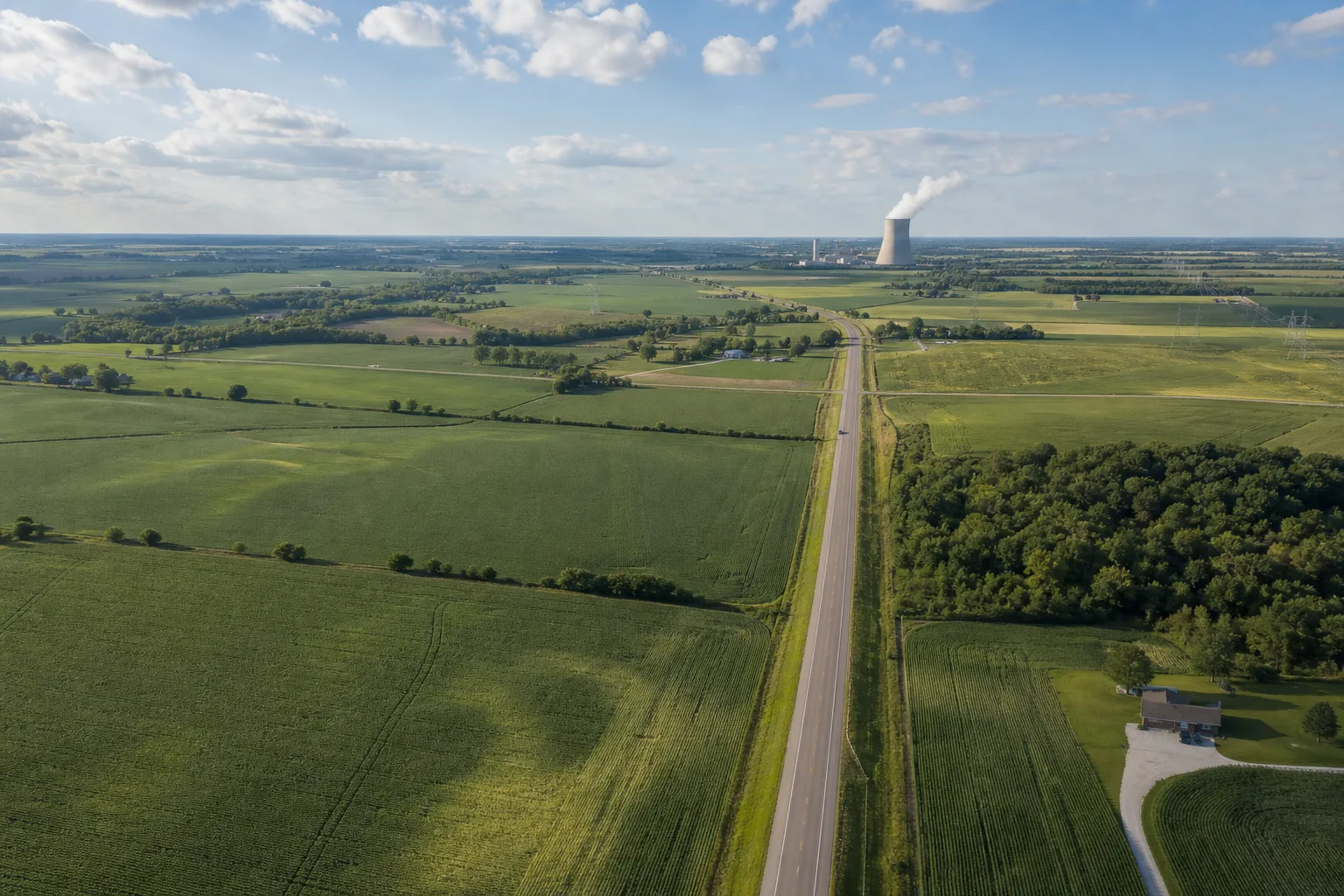
- Microsoft’s data center plan for 244 acres in Caledonia, Wisconsin collapsed after more than 2,000 residents signed a petition opposing it.
- The Microsoft data center withdrawal marks a rare win for local communities pushing back against big tech infrastructure projects.
- Microsoft says it still wants to invest in Southeast Wisconsin and is looking for a site that better fits community priorities.
- Village officials say the process broke down partly because residents couldn’t engage directly with Microsoft early enough.
Table of Contents
The Microsoft Data Center That Caledonia Didn’t Want
A proposed Microsoft data center in the Village of Caledonia, Wisconsin is officially dead. The tech giant confirmed this week that it’s walking away from a plan to build on 244 acres of land along County Line Road and State Highway 32 — a stretch of farmland and residential properties sitting southwest of the WE Energies Oak Creek Power Plant. The decision came after hundreds of locals showed up to oppose it and over 2,000 people signed a petition against the rezoning that would have made it possible.
Microsoft’s statement was brief and diplomatic:
“Based on the community feedback we heard, we have chosen not to move forward with this site.”That’s a clean exit line, but it papers over what was clearly a messy, drawn-out process that left residents feeling excluded and local officials hearing about decisions through news articles rather than official channels.
Why Communities Are Pushing Back on Data Centers
This isn’t unique to Caledonia. Across the United States, the Microsoft data center construction boom — and that of its hyperscaler rivals like Amazon Web Services and Google — has run into a growing wall of local resistance. The concerns are consistent: massive power and water consumption, industrial-scale facilities appearing next to farmland or homes, traffic during construction, and the sense that a community’s character is being reshaped by decisions made in boardrooms hundreds of miles away.
Every proposed Microsoft data center brings with it a familiar set of anxieties. These facilities are power-hungry by design. A large-scale facility can consume as much electricity as a small city, and water-cooled systems draw millions of gallons annually. Caledonia residents were acutely aware of this — the proposed site’s proximity to an existing power plant wasn’t exactly reassuring. The broader national conversation about data center energy demand, which the International Energy Agency flagged as a major grid pressure point in its 2024 electricity report, gives local anxieties a very real foundation.
Community Voices: “We’re Ecstatic”
For residents like Prescott Balch, Wednesday morning was a good one. His phone didn’t stop ringing as neighbors called with the news about the Microsoft data center withdrawal.
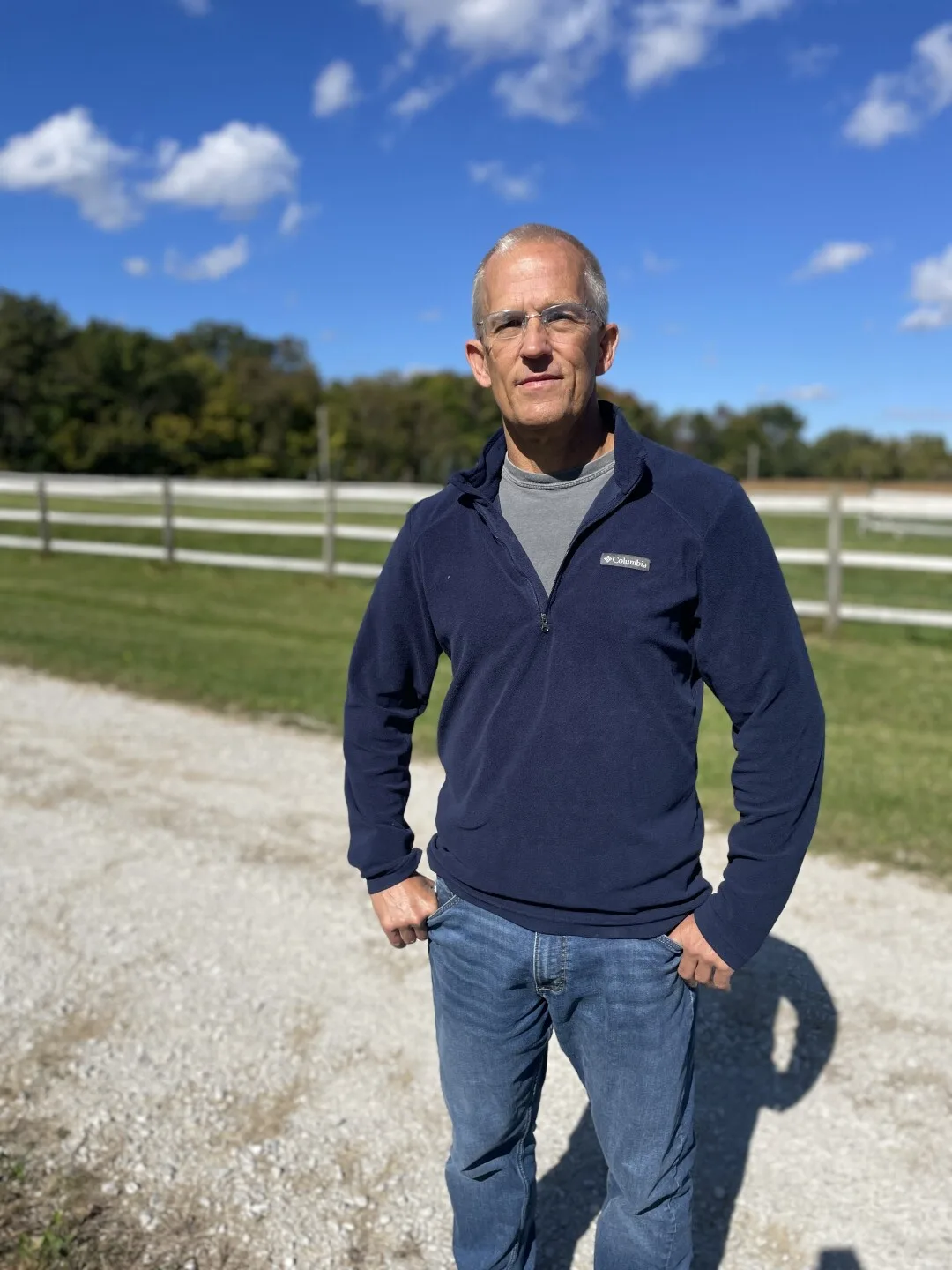
“We’re ecstatic that those arguments held water and ultimately convinced a large corporation to back off. Great day here in Caledonia,” Balch said.
Balch’s framing is telling. He’s not anti-Microsoft. He’s anti-being-steamrolled. His follow-up comment — “Let’s help Microsoft find the right spot in Southeast Wisconsin” — reflects something you see a lot in these fights: residents aren’t opposed to economic development in principle, they’re opposed to being treated as an afterthought in the planning process. That distinction matters enormously if Microsoft wants to succeed with its next Microsoft data center proposal in the region.
What Went Wrong With the Process
Village trustee Nancy Pierce found out about the Microsoft data center withdrawal the same way many Caledonia residents did — by reading a news article. That alone tells you something about how this process was managed.
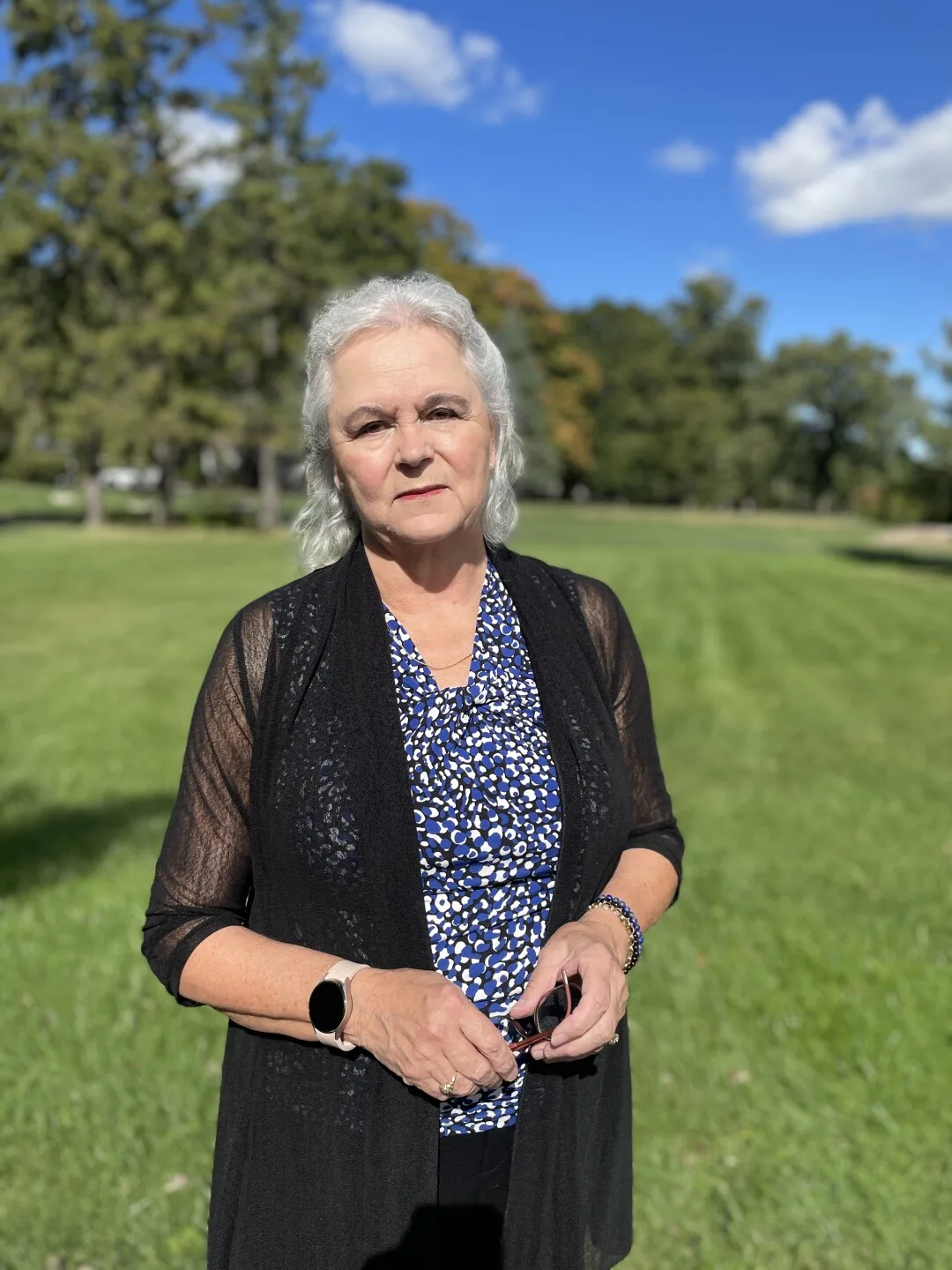
Pierce was measured in her response, saying she has “a lot of respect for Microsoft” for ultimately listening. But she was direct about the structural failure that made the whole thing harder than it needed to be.
“I would’ve liked to have been able to engage directly with Microsoft much earlier in the process. We were not allowed to do that. I think that became an obstacle for a lot of different points and reasons,” Pierce said.
This is where the real story lives. Large tech infrastructure projects often enter communities through a chain of intermediaries — real estate brokers, planning consultants, law firms — before the actual company name becomes public. It’s a deliberate strategy designed to keep land costs down and reduce early opposition. But as Caledonia shows, by the time the curtain is pulled back and residents find out who they’re actually dealing with, the distrust is already baked in. You’re playing catch-up from day one.
Pierce put it plainly: she believes Microsoft would now “come forward much quicker and engage directly with the community, really get to understand the community.” That reads like hope more than certainty. But it’s also a clear signal of what a successful second Microsoft data center approach in this region would need to look like.
Microsoft Isn’t Done With Southeast Wisconsin
Importantly, Microsoft hasn’t walked away from the region — just the site. The company’s spokesperson said it looks forward to “working with the Village of Caledonia and Racine County leaders to identify a site that aligns with community priorities and our long-term development goals.” That’s more than a face-saving statement. A future Microsoft data center in Southeast Wisconsin remains a real possibility — the company has billions committed to U.S. data center expansion as part of its AI infrastructure push, and the region — with its existing energy infrastructure and land availability — remains strategically attractive.
Village administrator Todd Willis kept his response tight: “Nothing official has been submitted to the Village regarding their pending application, and have no comment until such time.” Translation: the door isn’t closed, but nobody’s walking through it yet.
The Bigger Picture for Big Tech’s Infrastructure Ambitions
What happened in Caledonia is a preview of fights that are going to intensify. The AI boom has supercharged demand for compute infrastructure, and every major hyperscaler is in a land and power grab right now. Microsoft alone has announced hundreds of billions in global data center investment over the next several years. That level of build-out requires going into communities that haven’t historically hosted this kind of industrial facility.
The old playbook — move quietly, rezone fast, break ground before opposition organizes — is getting harder to execute. Social media accelerates community organizing. Petition platforms can collect thousands of signatures overnight. And local officials are increasingly savvy about the real costs and trade-offs of hosting a Microsoft data center, not just the headline economic benefits.
The Microsoft data center situation in Caledonia isn’t just a local planning dispute. It’s a signal that the infrastructure buildout underpinning the AI era is going to face meaningful friction at the community level — and companies that figure out how to genuinely engage early, rather than manage opposition late, will move faster and avoid costly retreats like the one Microsoft just made in Wisconsin.