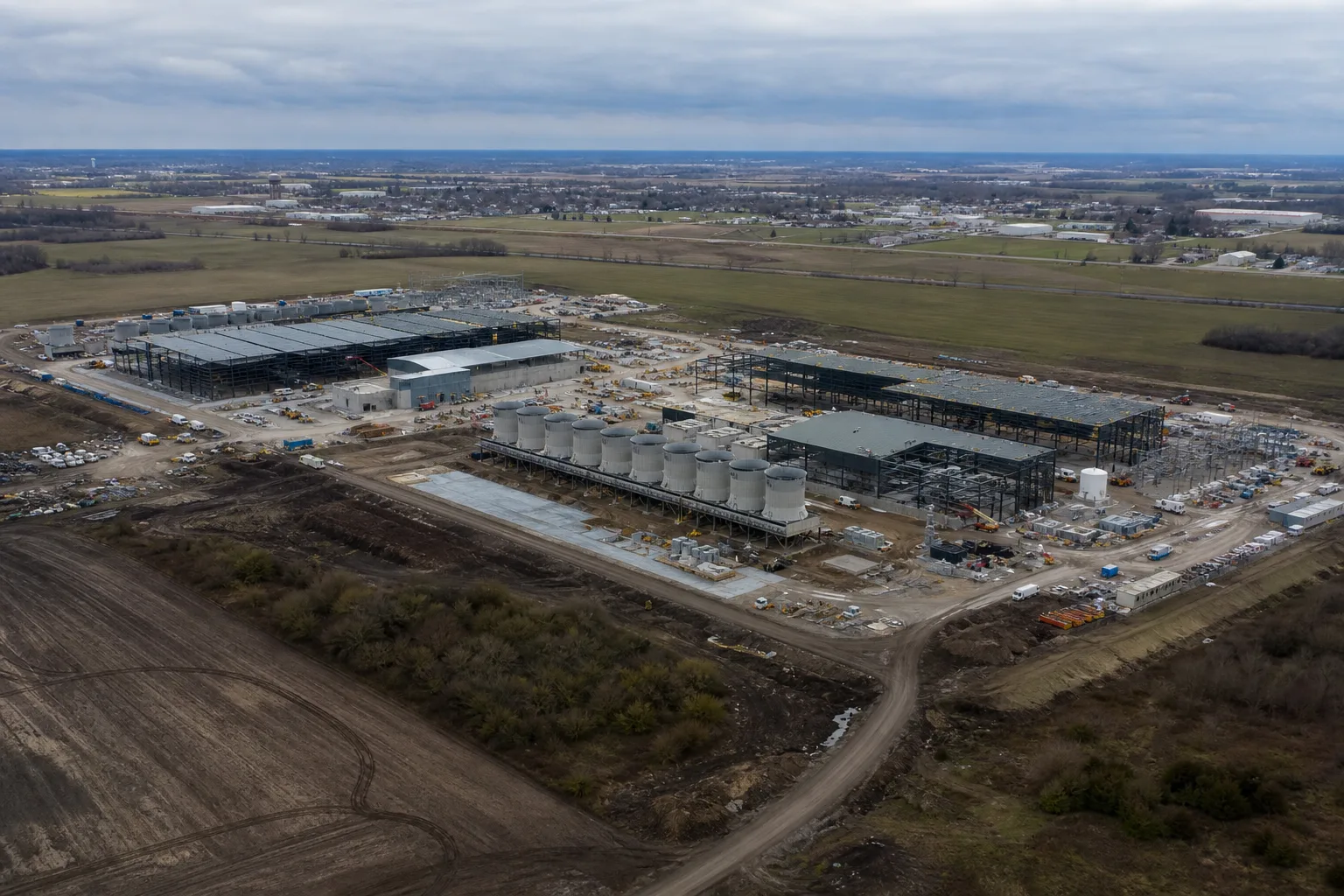
- The proposed $2 billion Shelbyville data center has split the Indiana city after mayor Scott Furgeson insulted residents opposing the project.
- Mayor Furgeson was caught on camera dismissing Shelbyville data center opponents as people living in ‘shitty houses,’ most of them renters.
- Residents called the remarks ‘disrespectful’ and ‘hurtful,’ with the mayor’s office later issuing a tepid non-apology about word choice.
- The controversy reflects a growing national tension between tech infrastructure ambitions and the working-class communities they’re built next to.
Table of Contents
The Shelbyville Data Center and a Mayor’s Revealing Moment
The Shelbyville data center debate was already contentious before anyone said anything they’d regret. A proposed $2 billion facility had divided this small Indiana city — population just under 20,000 — with ‘No Data Center’ signs popping up across neighbourhoods. Then Mayor Scott Furgeson opened his mouth on camera, and the controversy went from a local planning dispute to a story about power, class, and who gets to decide what a city becomes.
Caught in a recorded conversation, Furgeson looked around at the opposition signage and offered his assessment: ‘I’ve seen a lot of these all over town, but I only see them in shitty houses.’ He followed that up by noting that most of them were rentals — as though the tenure of someone’s home determines the weight of their concerns about a $2 billion industrial project being planted in their city.
The reaction was immediate. The woman in the clip pushed back on the spot, identifying herself and the sign-holders as working class. Another voice in the conversation cut to the chase with something that, frankly, shouldn’t need to be said to an elected official: ‘It doesn’t matter whether they’re rentals, they’re still human beings.’ That line, blunt as it is, says everything about why this Shelbyville data center incident has resonated beyond the city’s limits.
What Furgeson’s Comments Actually Reveal
There’s a particular kind of political arrogance on display here, and it’s worth understanding it clearly. Furgeson didn’t just make a gaffe — he revealed an operating assumption: that the weight of a citizen’s opinion correlates with the value of their property. Renters and people in modest homes, in this worldview, are a kind of background noise to be managed, not a constituency to be served.
It’s a mindset that’s not unique to Shelbyville, and that’s part of what makes this story instructive. As data centers, battery storage facilities, and other large-scale tech infrastructure projects fan out from major metro areas into smaller American cities and towns, local officials are being asked to make enormous decisions quickly — often with economic development arguments front and centre and community concerns treated as obstacles. When a $2 billion investment lands in front of a small-city mayor, the pressure to say yes is immense. The tax revenue projections are real. The political capital on offer from being the person who ‘brought jobs’ is real. What sometimes gets lost is the texture of what that community actually wants.
Resident Alexas Williams told local NBC affiliate WTHR that Furgeson’s words were ‘kind of disrespectful’ and ‘kind of hurtful.’ That measured, restrained language from someone who had every right to be angrier says something about the position these residents are in — they’re trying to be heard by an official who has already categorised them by their zip code and their landlord. The Shelbyville data center opposition is not a fringe movement; it represents a broad cross-section of the community.

The Anatomy of a Non-Apology
Furgeson has declined to address the incident personally. His office, instead, released a statement that is practically a masterclass in saying as little as possible: ‘The mayor regrets that his choice of words may have caused offense.’
Parse that sentence carefully. He regrets that his words may have caused offense — not that they did. He regrets his ‘choice of words’ — not the underlying sentiment. There’s no acknowledgment that dismissing residents based on their housing situation is the problem. It’s the kind of statement that’s designed to move a news cycle on without actually conceding anything, and it’s unlikely to satisfy the people who were on the receiving end of the original comment.
This matters beyond the politics of one Indiana city. Public officials who treat working-class opposition as aesthetically unpleasant — something to be looked down on rather than engaged with — tend to create the conditions for much louder, longer, and more organised resistance. The ‘No Data Center’ signs in Shelbyville aren’t going anywhere after this. If anything, they’re probably being ordered in bulk. Every misstep in how officials handle the Shelbyville data center controversy adds fuel to that resistance.
Shelbyville Data Center in the Bigger AI Infrastructure Picture
It’s impossible to look at the Shelbyville data center story without placing it in the context of what’s happening across the United States right now. The explosion of AI model training and inference has created a genuinely staggering appetite for data center capacity. The International Energy Agency has projected that data centers could account for a significant and growing share of global electricity demand through the remainder of this decade, driven substantially by AI workloads. Companies like Microsoft, Google, Amazon, and Meta are committing hundreds of billions of dollars to new facilities — and they need land, power, and water in places that have them.
That search leads, inevitably, to mid-sized and small American cities. Indiana, in particular, has become an attractive target. The state has relatively affordable land, available grid capacity in parts of the state, and a political environment that tends to welcome large industrial investment. These are genuinely good reasons for a city like Shelbyville to be in consideration for a facility of this scale. But the communities these facilities land in have real concerns that don’t dissolve just because the investment figure has a ‘B’ at the end of it.
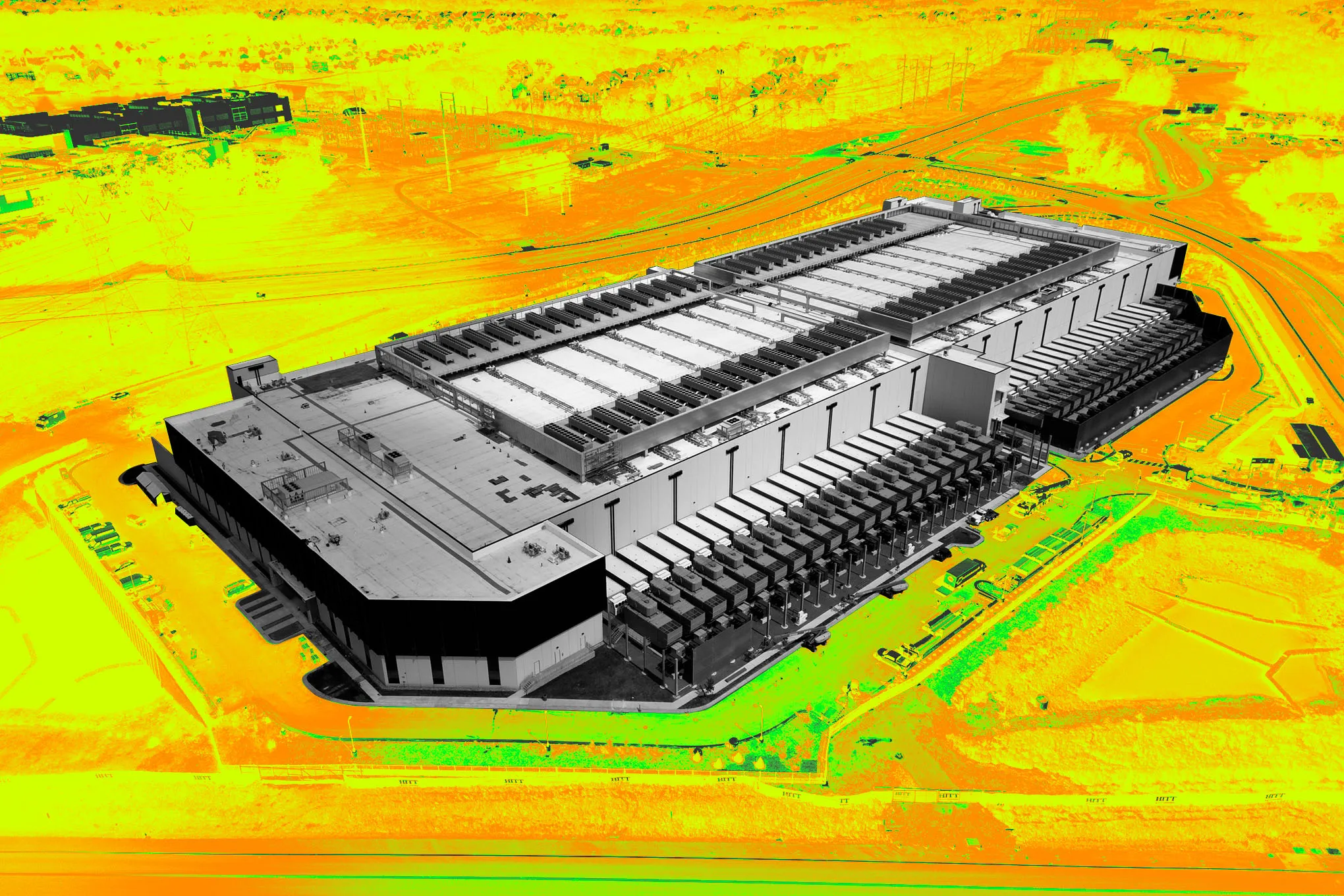
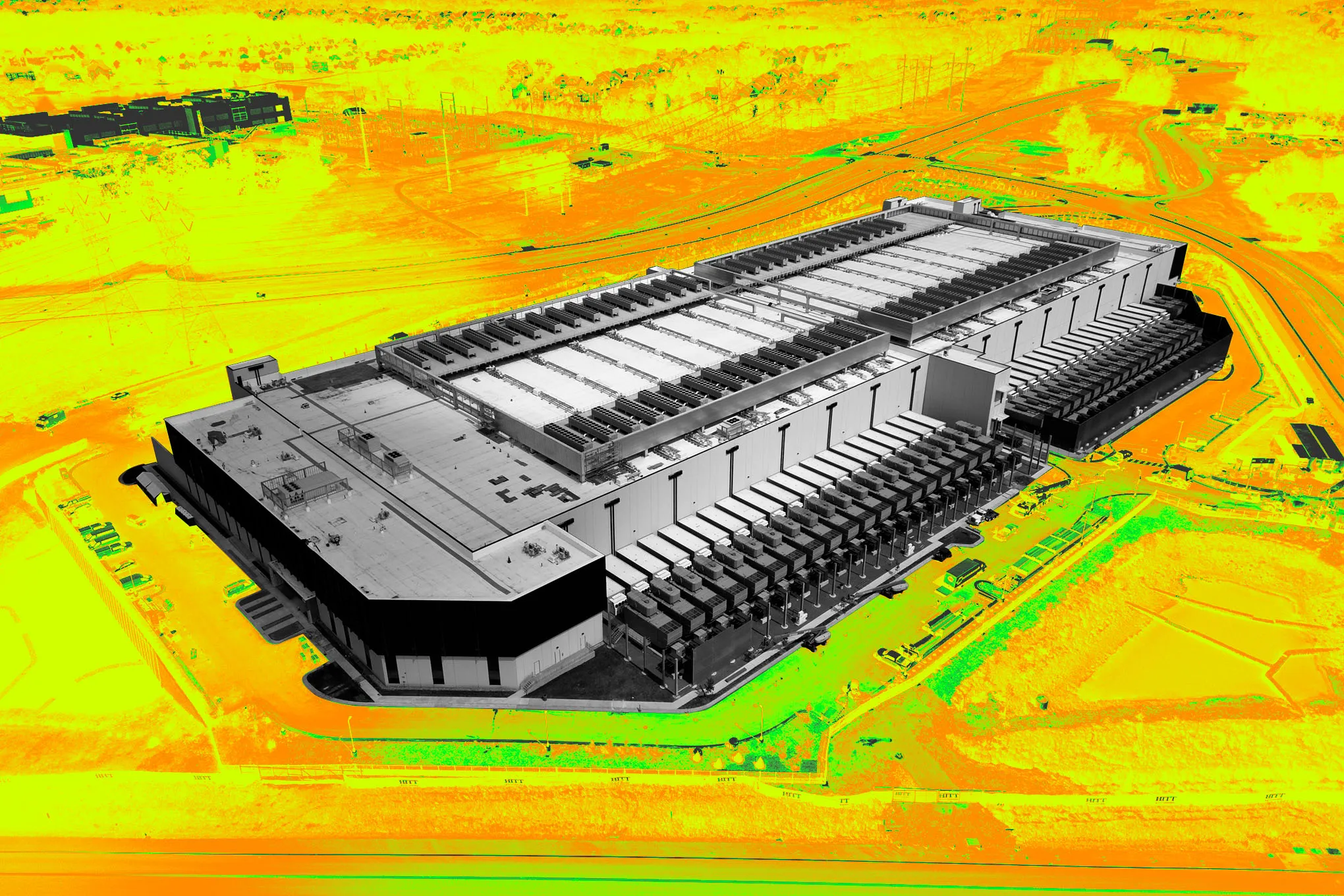
Data centers are not quiet neighbours. They require significant power infrastructure — often drawing enough electricity to strain local grids. Large-scale cooling systems consume enormous volumes of water. The noise from thousands of servers and cooling units runs continuously. And the job creation picture is often more complicated than headline figures suggest: a $2 billion Shelbyville data center might employ a relatively small permanent workforce once construction is complete, with those roles skewing toward specialised technical positions rather than broad local hiring.
None of this means the Shelbyville data center is necessarily wrong for the city. That’s a legitimate local debate to have. But it’s a debate that requires taking residents seriously — including the ones in rental homes, including the working-class families whose names won’t appear in the press release when the ribbon gets cut. Mayor Furgeson’s comment didn’t just insult those residents. It made it harder for the city to have the honest conversation it actually needs.
What Happens Next in Shelbyville
The political fallout from this kind of incident rarely follows a straight line. Furgeson’s non-apology will satisfy his supporters and infuriate his critics, which is probably exactly what it was designed to do. The Shelbyville data center project itself will continue to move through whatever approval process applies — zoning, planning, environmental review — and those proceedings are where the real fight will happen.
What’s changed is the dynamic. Residents who might have engaged with the project on purely practical grounds — noise levels, traffic, utility costs, employment commitments — now have a much more personal reason to organise. Being told, in effect, that your opinion doesn’t count because of where you live has a way of concentrating minds. Community opposition to infrastructure projects that gets personal tends to get louder, more coordinated, and harder to dismiss.
And there’s a broader lesson here for the tech industry and the local officials it courts. The communities being asked to host the physical backbone of the AI era aren’t passive recipients of economic development. They’re voters, they’re neighbours, and they’re increasingly aware of what these facilities mean for their daily lives. Treating their concerns as the noise coming from the wrong kind of house isn’t a winning strategy — it’s a way to turn a manageable planning debate into something much harder to contain.
Frequently Asked Questions
What is the Shelbyville data center project and how much does it cost?
The Shelbyville data center is a proposed $2 billion facility in Shelbyville, Indiana. It has become a political flashpoint in the small city, with residents organizing opposition under the ‘No Data Center’ banner.
What exactly did Mayor Scott Furgeson say about data center opponents?
Furgeson was recorded on camera saying that the ‘No Data Center’ signs he’d seen around town appeared only outside ‘shitty houses,’ and that most of those homes were rentals. The remarks were quickly pushed back on by residents present, who noted that renters are still human beings.
Did Mayor Furgeson apologize for his comments?
Furgeson declined to speak further on the matter himself. A spokesperson for his office released a statement saying the mayor ‘regrets that his choice of words may have caused offense.’
Why are residents opposing the Shelbyville data center?
The source does not detail the specific reasons residents are opposing the data center. It focuses on the controversy surrounding the mayor’s dismissive comments about opponents rather than the underlying objections to the project itself.