

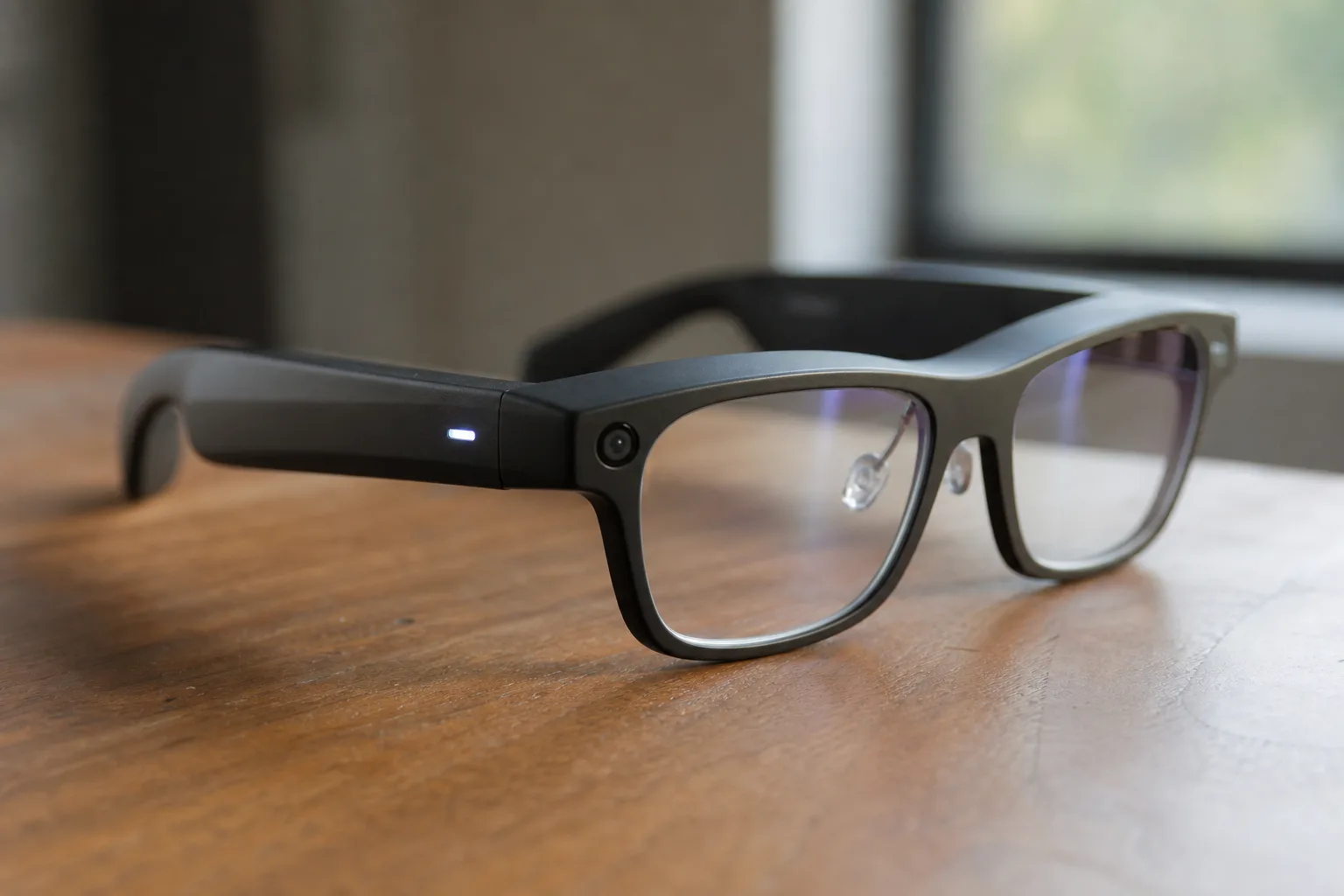
Meta Ray-Ban glasses have had a privacy problem that no amount of good PR could fully paper over — and now Meta is doing something about it at the hardware level. A mandatory firmware update, rolling out right now, will permanently disable the camera on any pair of Meta’s smart glasses if the privacy LED is physically tampered with or destroyed. It’s a direct response to a growing, and genuinely troubling, subculture of covert surveillance using consumer wearables.
- Meta Ray-Ban glasses will now permanently disable the camera if the privacy LED is physically tampered with or destroyed.
- The mandatory update for Meta Ray-Ban glasses is already rolling out and applies to all users across both product lines.
- Meta is also pursuing legal action against sellers offering modification services that defeat the privacy indicator.
- This marks the first time any camera-equipped wearable has used hardware-level tampering detection to enforce privacy compliance.
Table of Contents
Why the Privacy LED Matters — and Why People Were Destroying It
The small capture LED on Meta Ray-Ban glasses exists for one reason: to signal to everyone nearby that the camera is active. Whether the wearer is snapping a photo or recording video, the light is supposed to be the social contract between the person wearing the glasses and everyone within range of the lens. In theory, it’s a reasonable solution to an inherently awkward problem. In practice, it turned out to be surprisingly easy to defeat.
Meta had already built in a first layer of protection from its second generation of glasses onward — if the LED was blocked, say with a piece of tape, the camera would refuse to operate until the obstruction was removed. That was a sensible safeguard. But it underestimated how motivated some people would be to get around it. As Meta acknowledged in its announcement, some users moved from tape to “sophisticated efforts to modify or destroy the capture LED.” Some even paid third parties to do the job professionally. Services offering to physically alter smart glasses — specifically to defeat the privacy indicator — appeared on platforms including Meta’s own Marketplace.
The consequences of that were predictable and alarming. Without a functioning LED, the glasses could record without any outward sign they were doing so. Effectively, they became a covert camera that looked like ordinary eyewear. Reports of these modified Meta Ray-Ban glasses being used in inappropriate contexts — filming people without consent in public spaces — drew significant media attention and public backlash, particularly in the months leading up to this update.
What the New Meta Ray-Ban Glasses Update Actually Does
The update shifts the response from ‘blocked LED’ to ‘compromised LED.’ Where the previous system could detect an obstruction and pause the camera, the new system goes a step further: if the glasses detect that the LED has been physically tampered with or outright destroyed, the camera is disabled entirely. Not paused. Disabled. Meta is drawing a clear line — once you cross from inconvenience into deliberate sabotage of a safety feature, the device stops being a camera.
Meta framed this with a degree of confidence that reads as both genuine and strategically timed. In its announcement, the company stated: ‘No other kind of camera has done this and we’re proud to lead the industry forward.’ That’s a bold claim, but it’s hard to argue with the basic point. There’s no meaningful precedent for a consumer camera product using hardware-level tamper detection to enforce a privacy protection. Meta’s smart glasses platform is, for better or worse, charting new territory here.
The update is mandatory — Meta confirmed as much to 9to5Google — which means users can’t opt out or defer it indefinitely. That’s the right call. An optional safety update that the people most likely to abuse the hardware simply choose not to install would be pointless. Making it mandatory and pushing it automatically is the only way this enforcement actually works at scale. For owners of Meta Ray-Ban glasses, the update requires no action; it applies automatically.
Meta Ray-Ban Glasses and the Broader Crackdown on Modification Services
The firmware update is only one part of what Meta is doing. The company is also actively working to remove listings from its own platforms — ads, posts, and Marketplace entries — that advertise services designed to modify smart glasses and disable the LED. And Meta has put legal action on the table against the individuals and businesses offering these modifications. That’s a meaningful escalation. Going after the supply side of the covert-camera modification market isn’t something a company does casually; it signals that Meta views this as a genuine legal and reputational liability, not just a PR nuisance to be managed with a press release.
There’s a practical challenge here, of course. Marketplace listings and social media posts are relatively easy to surface and remove. But modification services operating through private channels, or on platforms Meta doesn’t control, are a different matter. This is the same cat-and-mouse dynamic that plays out in every space where consumer hardware intersects with attempts to defeat built-in restrictions. The question isn’t whether determined bad actors will eventually find workarounds — some will — but whether the friction is high enough to deter casual misuse and protect the majority of people who’d otherwise be unknowingly recorded.

What This Means for the Smart Glasses Industry
Smart glasses have had an uncomfortable couple of years in the public consciousness. Harvard students demonstrated last year that Meta Ray-Ban glasses could be used to identify strangers in real time by feeding the camera’s output into facial recognition software — a use case Meta explicitly prohibits but can’t technically prevent. Incidents of covert recording, both alleged and documented, have kept the devices in an unflattering spotlight. The backlash has been loud enough to shape the entire category’s reputation, not just Meta’s.
For Meta specifically, the timing of this update matters. The company has been expanding its smart glasses lineup — dropping the Ray-Ban name on its own-branded models, cutting prices, and pushing the platform harder than ever as a credible alternative to carrying a smartphone. A persistent narrative around covert surveillance threatens to undermine all of that. Mandatory tamper detection is a concrete, technical answer to a criticism that vague policy statements couldn’t address.
The broader implication for the industry is significant. If Meta — the dominant player in consumer smart glasses right now — establishes hardware-enforced privacy protections as a baseline expectation, it creates pressure on every other manufacturer entering the space. Google’s Android XR platform is coming. Apple’s rumoured wearables ambitions haven’t gone away. Startups are iterating constantly. All of them will now face a market in which tamper-resistant privacy indicators aren’t a nice-to-have feature but a minimum standard that a leading player has already committed to. That’s how norms get set in consumer tech — not through regulation, at least not first, but through one company doing something and making it impossible for competitors to ignore. The decision by Meta to enforce this through mandatory firmware means Meta Ray-Ban glasses now set the privacy benchmark that every rival entering the wearable camera space will have to meet.

