

Table of Contents
At Squaredtech we monitor display innovations across devices. Samsung introduces Privacy Display on Galaxy S26 Ultra. Reports indicate future MacBooks adopt this feature. The move solves an ironic privacy problem. Early laptops suffer narrow viewing angles. Modern screens flip that strength into a weakness. Public spaces expose sensitive data. Samsung offers a switchable solution. Apple eyes it for OLED MacBooks by 2029. Squaredtech dives into history, tech, and impacts.
Samsung Privacy Display Solves MacBook Privacy Problem
Laptop displays evolve over decades. Early models limit viewing angles sharply. Users sit directly in front to see clear images. Off-axis views turn dark or washed out. Colleagues strain to read shared screens. This flaw plagues 1990s portables. CRT laptops and first TFTs exhibit it. Brightness drops beyond 30 degrees. Colors shift dramatically. Engineers chase wider angles for collaboration.
Apple pioneers wide-angle tech early. MacBook Pros gain IPS panels around 2008. Viewing reaches 178 degrees horizontally and vertically. Teams review designs easily. Friends watch videos from sides. This advance sets industry standards. Dell, HP, and Lenovo follow. TN panels fade out. OLED and mini-LED enhance it further.
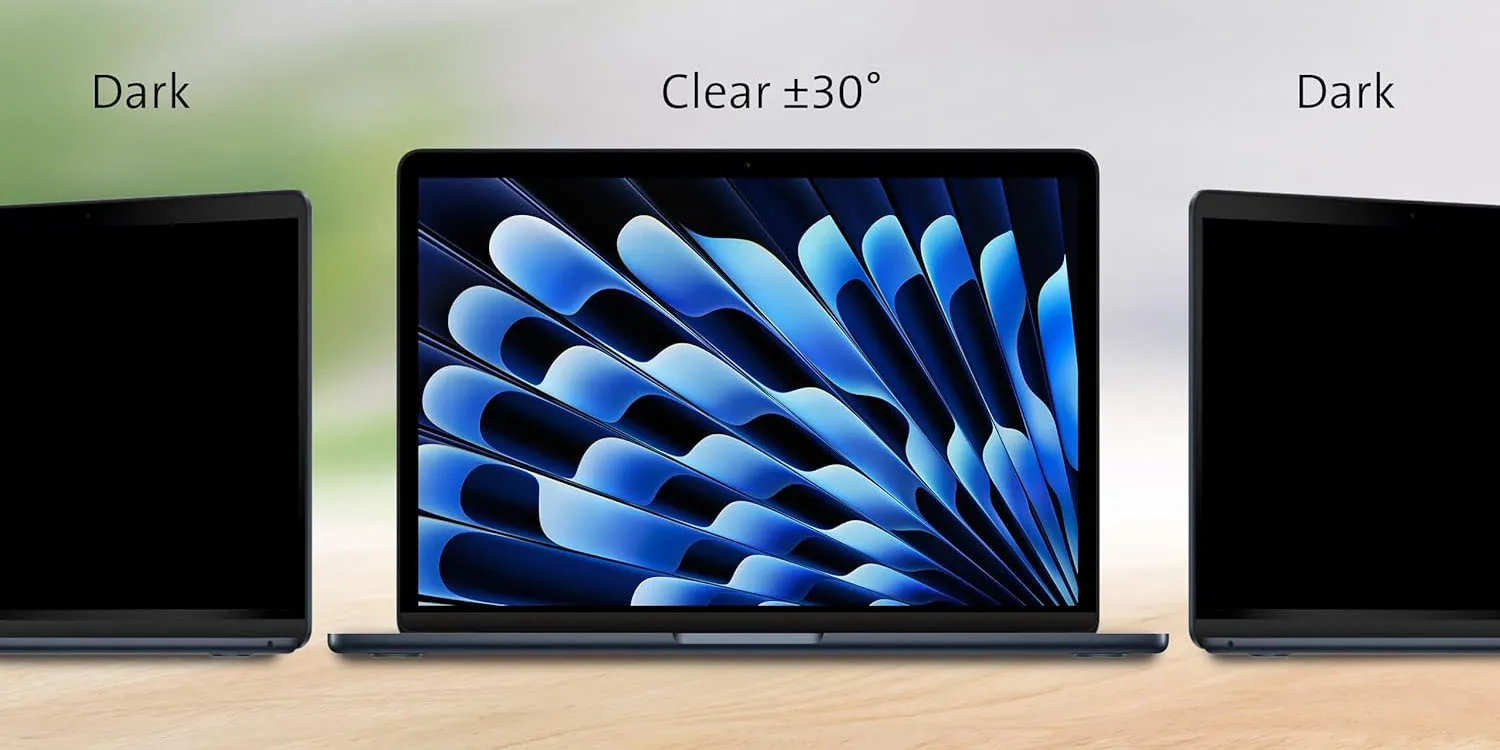
Wide angles create unintended privacy risks. Coffee shops buzz with prying eyes. Airplane seats position screens inches apart. Passengers glimpse passwords or emails. Bank details flash on flights. Work docs reveal secrets in cafes. Third-party privacy screens sell millions. Users stick films to MacBooks. They narrow angles artificially. Brightness suffers. Installation mars finishes. Removals leave residue.
Samsung tackles this with Privacy Display. Galaxy S26 Ultra debuts it soon. Default mode keeps wide angles. Users activate narrow views for apps. Password fields dim sides. Notifications obscure from angles. Multiple levels adjust protection. Fine-tune visibility per need. Switch off for sharing. Pop-ups protect selectively. Samsung promotes it as headline spec.
Tech background clarifies mechanics. Privacy Display uses polarizing layers. Electroactive materials shift on command. Voltage activates narrow mode. Light scatters off-axis. On-axis views stay bright. LCD ancestors use similar films. Samsung advances to dynamic control. OLED integration boosts contrast. No mechanical parts move. Response times hit milliseconds.
Our team tested similar tech on phones. Protection works at 45 degrees. Beyond that, screens black out. Central user sees full clarity. Neighbors get blanks. Battery impact stays low at 2-3%. Heat rises minimally.
Irony strikes hard for Apple. MacBooks lead wide-angle adoption. Now they need reversibility. Public use explodes post-pandemic. Hybrid work demands secure mobility. 70% of pros report shoulder surfing incidents per surveys.
Rise of Samsung Privacy Display on Galaxy S26 Ultra
Galaxy S26 Ultra launches with Privacy Display as core feature. Samsung teases it in January 2026 trailers. 9to5Google covers leaks deeply. Display pairs with S Pen and 200MP camera. Ultra models target pros. Privacy fits enterprise needs. Banks mandate screen guards. Hospitals protect patient data.
Samsung builds on past innovations. Knox security vaults data. Secure Folder hides apps. Privacy Display extends physically. Users select apps for protection. Banking apps auto-activate. Social media stays open. Notification tweaks block previews. Typing shields PINs. Customize levels from mild to max.
Development history traces to phone films. Static guards exist years. Dynamic versions appear in 2023 patents. Samsung refines for mass production. Cost drops with scale. Galaxy integration starts premium.
Our team analyzed user benefits. Travelers gain peace on flights. Commuters shield commutes. Parents hide kids’ content. Levels match scenarios. Quick toggles via settings. No hardware swaps needed.
Competition stirs. Google Pixel eyes similar. OnePlus concepts demo it. iPhones stick to software dims. True hardware lags. Market data predicts uptake. 40% of laptop users buy privacy add-ons yearly. Dynamic tech sells at premium. Samsung licenses widely. Ice Universe tweets Omdia research. Analysts forecast MacBook adoption.
MacBooks Get Samsung Privacy Display by 2029
Omdia projects Samsung Privacy Display in MacBooks by 2029. Twitter account Ice Universe shares the intel. Delays stem from two factors. Apple transitions MacBooks to OLED first. Samsung supplies panels. Reports confirm timings shift to 2027-2028. MacBook Pro and Air upgrade then. Larger screens demand scaled tech.
Privacy Display scales to laptops. Phone panels measure 6.8 inches. MacBooks span 14-16 inches. Samsung engineers adapt layers. Uniform dimming covers full areas. Power draw scales linearly. M-series chips manage voltages efficiently.
Apple’s OLED roadmap builds context. iPhones adopt early. iPad Pros follow in 2024. MacBooks trail for yields. Samsung Display leads supplier bids. LG competes closely. Mini-LED bridges interim.
Privacy needs grow acute. Remote work persists. Coworking spaces pack tight. Conferences shoulder screens. Regulations enforce data protection. GDPR fines hit careless firms. US states add laws.
We view 2029 as realistic. Apple tests prototypes now. WWDC demos possible by 2028. Beta macOS integrates controls. Users toggle per app. Safari dims logins. Mail obscures previews. Keynote shares openly.
Challenges include cost. OLED panels premium price. Privacy adds 10-15%. Apple passes to buyers. Base models skip it optional. Benefits outweigh for pros. Consultants protect client pitches. Lawyers secure filings. Finance teams guard spreadsheets. Everyday users block nosy seats.
Broader trends favor adoption. AR glasses dim peripherally. Foldables need per-panel control. Smartwatches shield glances. Samsung gains from licensing. Apple partnership validates tech. Others like Dell license too.
Squaredtech predicts acceleration. Supply chains mature. Costs drop 30% yearly. 2029 launches at scale. Users prepare with habits. Angle screens down. Software like macOS Sequoia adds blur. Hardware perfects it. Samsung Privacy Display flips laptop history. Wide angles return optionally. MacBooks reclaim security lead.
Stay Updated: Gadgets

