

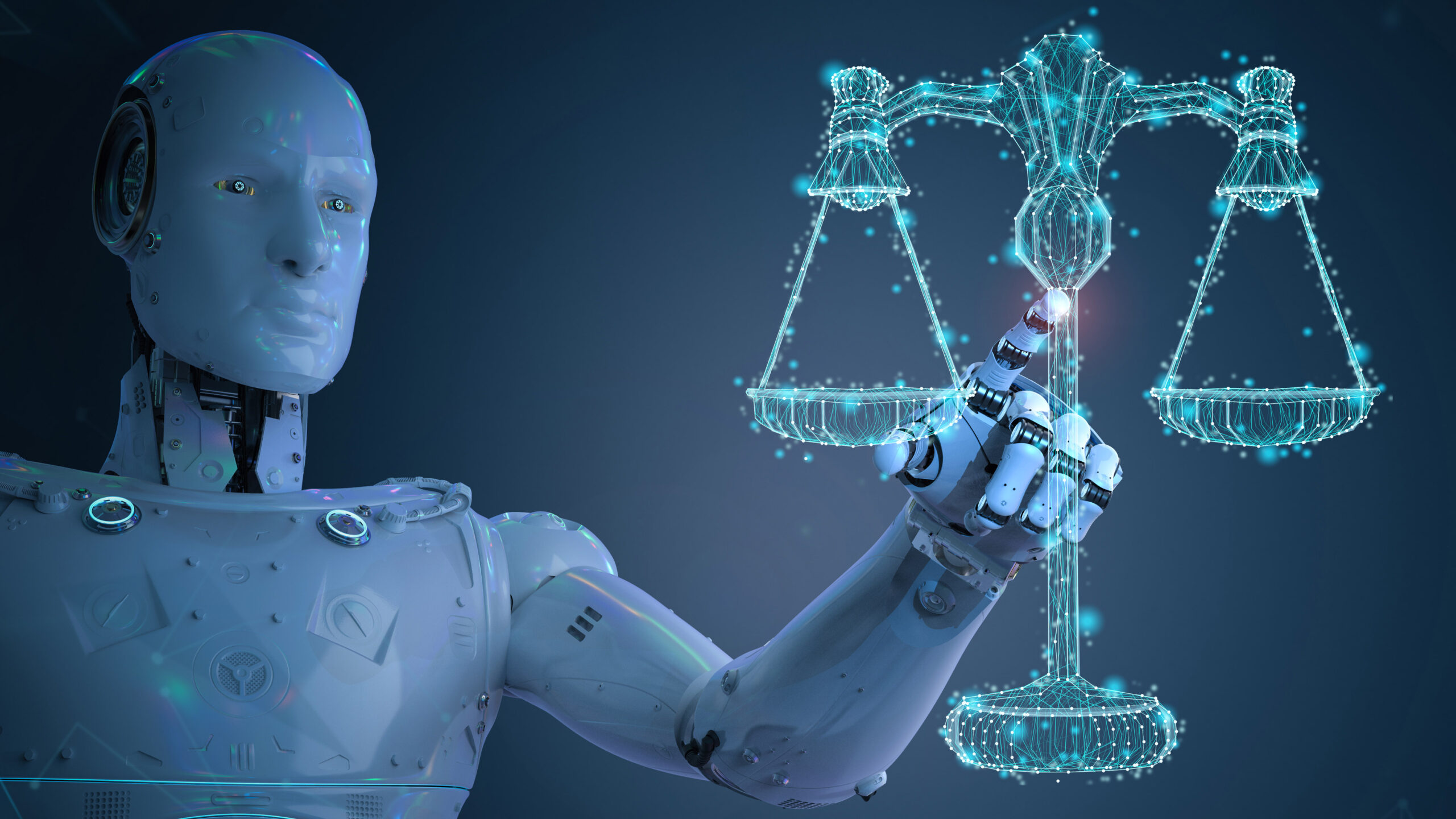
Smart AI Regulation: Key for US Innovation & Leadership
Smart AI regulation is the key to securing America’s future in technology. As President and CEO of the Consumer Technology Association (CTA), I strive to educate and inspire people to embrace the potential of technology to improve our lives. My New York Times bestselling book, Ninja Future: Secrets to Success in the New World of Innovation, shares my experience and insights into the world of technology and how it can shape our future.
Why Smart AI Regulation Matters Now
The guidelines proposed by Isaac Asimov may not have fully materialized, but they can still serve as a guide for how we develop and use AI responsibly. The promise of AI in the 21st century is immense. Therefore, we must create a set of regulations and guidelines to govern the use of AI and ensure that its potential is realized safely and ethically.
That’s why the industry should advocate for responsible rules for AI development. The advances made in technology over the past century have shown us the power of progress, as well as how to avoid its potential pitfalls.
Lessons from History: Fire, Nuclear Power, and AI
Humans have a long history of harnessing the power of fire, from keeping warm to extending food storage time. However, fire can also be destructive, with the recent Canadian wildfires being a sobering example of its potential for harm.
Similarly, while nuclear power was used to devastating effect in WWII in the form of atomic bombs, it is currently being used for beneficial purposes such as providing electricity to homes in France and powering aircraft carriers in the United States.
We are at a crucial juncture in the development of this powerful, intricate, and significant technology, and we cannot afford to fall behind other nations in its use.
The Immense Potential of Generative AI
Generative AI has the potential to revolutionize how we interact with animal species, providing us with unprecedented insight into their behavior and communication. AI will also help to improve human health in multiple ways, from discovering new and more effective drugs to diagnosing diseases faster and more accurately.
AI-driven technologies are also being used to provide personalized care to elderly individuals and increase security for homes. Moreover, AI has the potential to turbocharge the global economy, with a recent McKinsey study estimating that generative AI could generate a yearly economic gain of $4.4 trillion.
Risks That Smart AI Regulation Must Address
With all the potential of this amazing technology, can it also have negative impacts? Absolutely. We should be wary of the potential misuse of AI, such as deep fakes, political manipulation, and fraud targeting vulnerable groups.
At the same time, we can leverage AI to identify, intercept, and prevent malicious cyberattacks. These challenges are complex and may require creative solutions to address. We must continue to work on them.
To remain competitive, we must take a balanced approach to AI, recognizing both the potential of the technology and the potential for misuse. Schools have already begun experimenting with oral exams to assess a student’s knowledge. By tackling these issues directly rather than avoiding them with an unenforceable moratorium on research, the U.S. can lead the way in responsible AI use.
Table of Contents
- Why Smart AI Regulation Matters Now
- Lessons from History: Fire, Nuclear Power, and AI
- The Immense Potential of Generative AI
- Risks That Smart AI Regulation Must Address
- The EU and Canada: A Cautionary Tale
- Building AI on a Foundation of Human Rights
- The Path Forward for US Innovation Leadership
The EU and Canada: A Cautionary Tale
The European Union is on the verge of passing a sweeping Artificial Intelligence Act that would require companies to obtain permission from the government before innovating with AI technologies. Such a measure would limit AI innovation to only those companies with the financial resources to navigate a complex certification process, including considerations of privacy, intellectual property, and numerous social protection requirements.
A recent Stanford University study revealed that the EU’s AI Bill could potentially hinder the development of current large language models, such as OpenAI’s GPT-4 and Google’s Bard. Canada is also proposing a sweeping AI bill that could limit innovation. Even more worrying is the fact that China is rapidly advancing its AI capabilities through huge government backing, both for civil and military purposes.
Building AI on a Foundation of Human Rights
As the Cambridge Analytica scandal showed us, we must ensure that data collected is secured and used responsibly. Smart AI regulation must also ensure that AI efforts are based on a foundation of human rights. Technology must be designed, developed, and deployed in ways that are free from bias and discrimination, that respect and protect privacy, and that are conducted transparently.
AI should also be held to the same ethical standards that govern human behavior. Innovation is important, but it must be balanced with protections for people.
The Path Forward for US Innovation Leadership
A national privacy law is essential for safeguarding consumer data and providing clarity for companies regarding how they can collect, use, and share data. Such a law would create transparency for users and help build trust in the digital economy. Guidelines and standards should be established for the responsible use of AI. Although I prefer less regulation, deploying emerging technologies such as AI necessitates setting out clear rules.
Legislators should focus on establishing guardrails and setting clear outcomes for the use of AI, rather than attempting to regulate specific technologies. These rules should restrict AI systems that could potentially infringe upon Americans’ fundamental rights or interfere with access to critical services. Industry stakeholders should have an active role in the process.
The Consumer Technology Association is taking a proactive stance by collaboratively working with industry and policymakers to create cooperative principles for AI use. Smart AI regulation is the surest path to ensuring that the United States remains at the forefront of AI innovation and global leadership.

