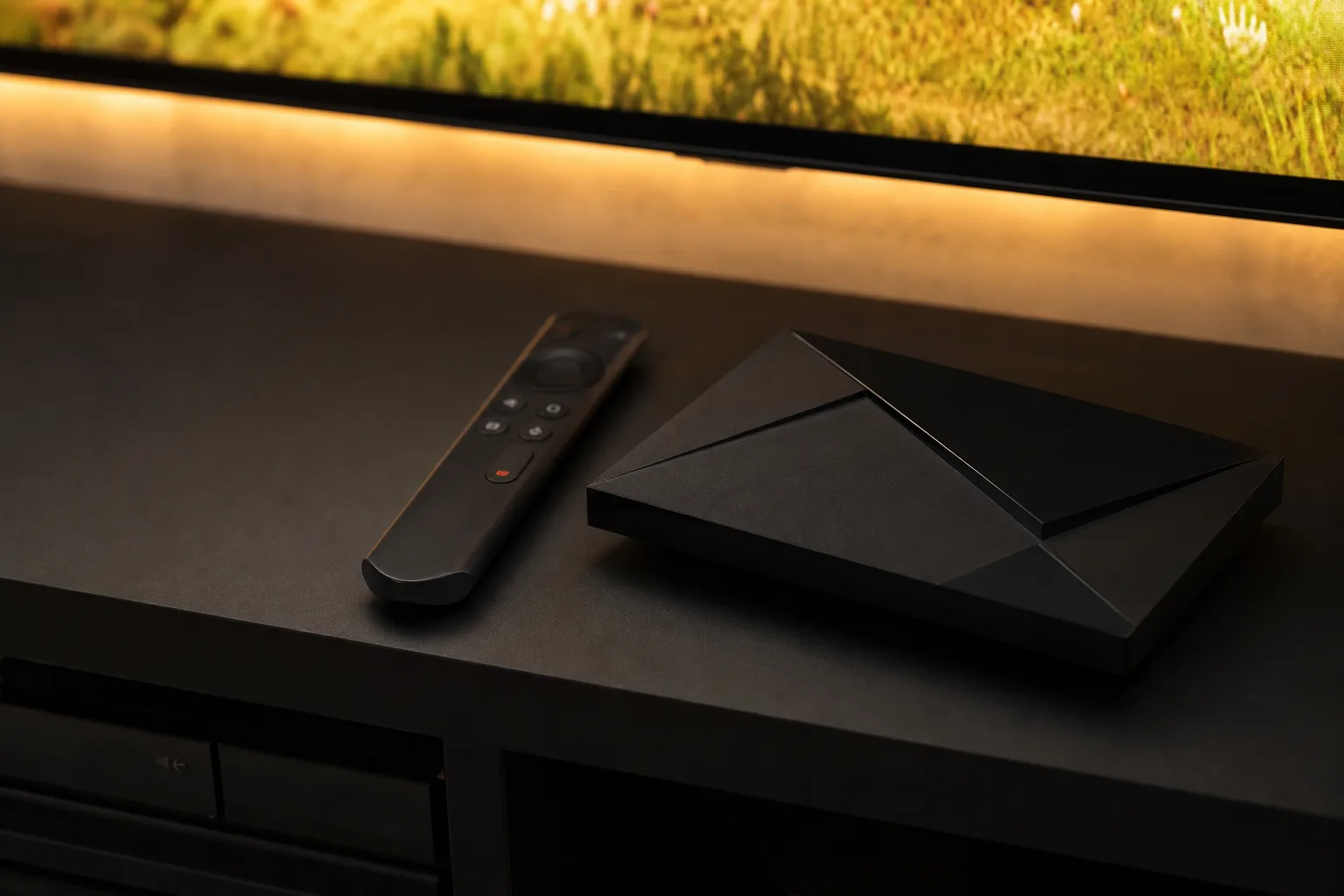
The NVIDIA Shield TV is one of those rare tech products that makes you forget how old it is. The original launched in 2015 with specs that embarrassed most of its competition, and a decade later, it’s still running current software updates alongside the 2019 model. That’s a genuinely remarkable lifespan for a streaming device — but NVIDIA hasn’t touched the hardware in six years, and the gap between what the Shield is and what it could be is widening every year.
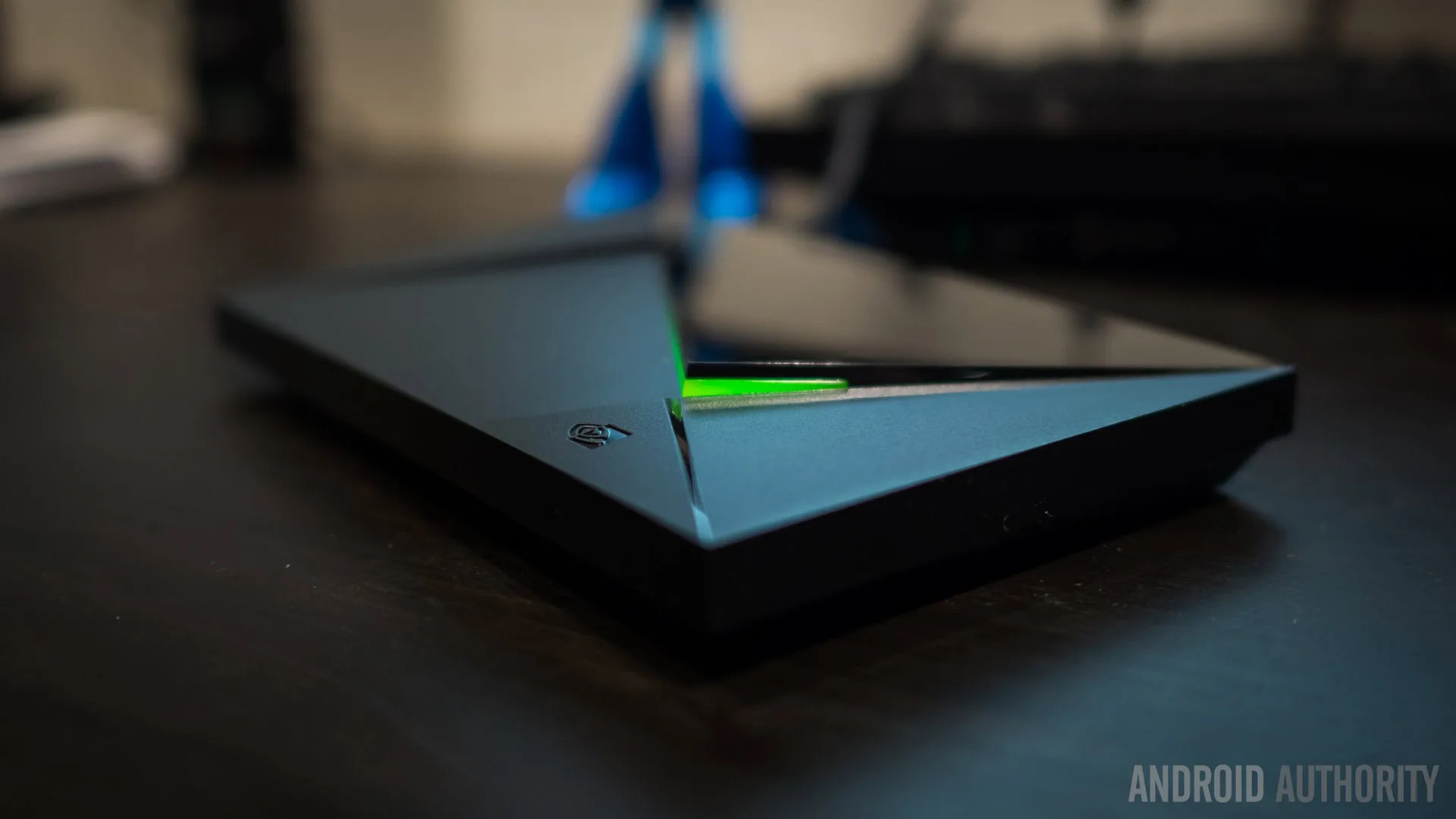
- The NVIDIA Shield TV hasn’t received a hardware refresh since 2019, making a new model long overdue by 2026.
- A next-gen NVIDIA Shield TV should ditch the proprietary power port — replacement supplies are nearly impossible to source officially.
- Moving to Google TV would bring Gemini support and a far better content library experience for users.
- Thunderbolt ports and 8–12GB of RAM would future-proof the NVIDIA Shield TV as a media server and gaming hub.
Table of Contents
Why the NVIDIA Shield TV Is Still Worth Talking About
Let’s be honest about what we’re dealing with here. Most streaming sticks and boxes are disposable — thin plastic slabs that do just enough to justify their price tag before getting quietly replaced two years later. The NVIDIA Shield TV has never played that game. The original 2015 model was powered by the Tegra X1, a chip built on the same architecture as NVIDIA’s desktop GPUs of that era. To put that in perspective, Nintendo was so impressed with the Tegra X1 that it adopted a modified version to power the Switch — which means original Shield TV owners have essentially been running Nintendo Switch-class hardware in their living rooms for a decade.
The 2019 refresh kept the Tegra X1+ and added some refinements, but that was the last time NVIDIA meaningfully updated the platform. For a product this capable, six years without a hardware revision is a long time. Competitors haven’t been standing still. Apple TV 4K, Google’s Chromecast with Google TV, and Amazon’s Fire TV line have all seen multiple generations of updates. So when NVIDIA does eventually come back to the NVIDIA Shield TV — and the expectation is that it will — the bar for what the new model needs to deliver is higher than ever.
The Remote Needs One Small but Important Fix
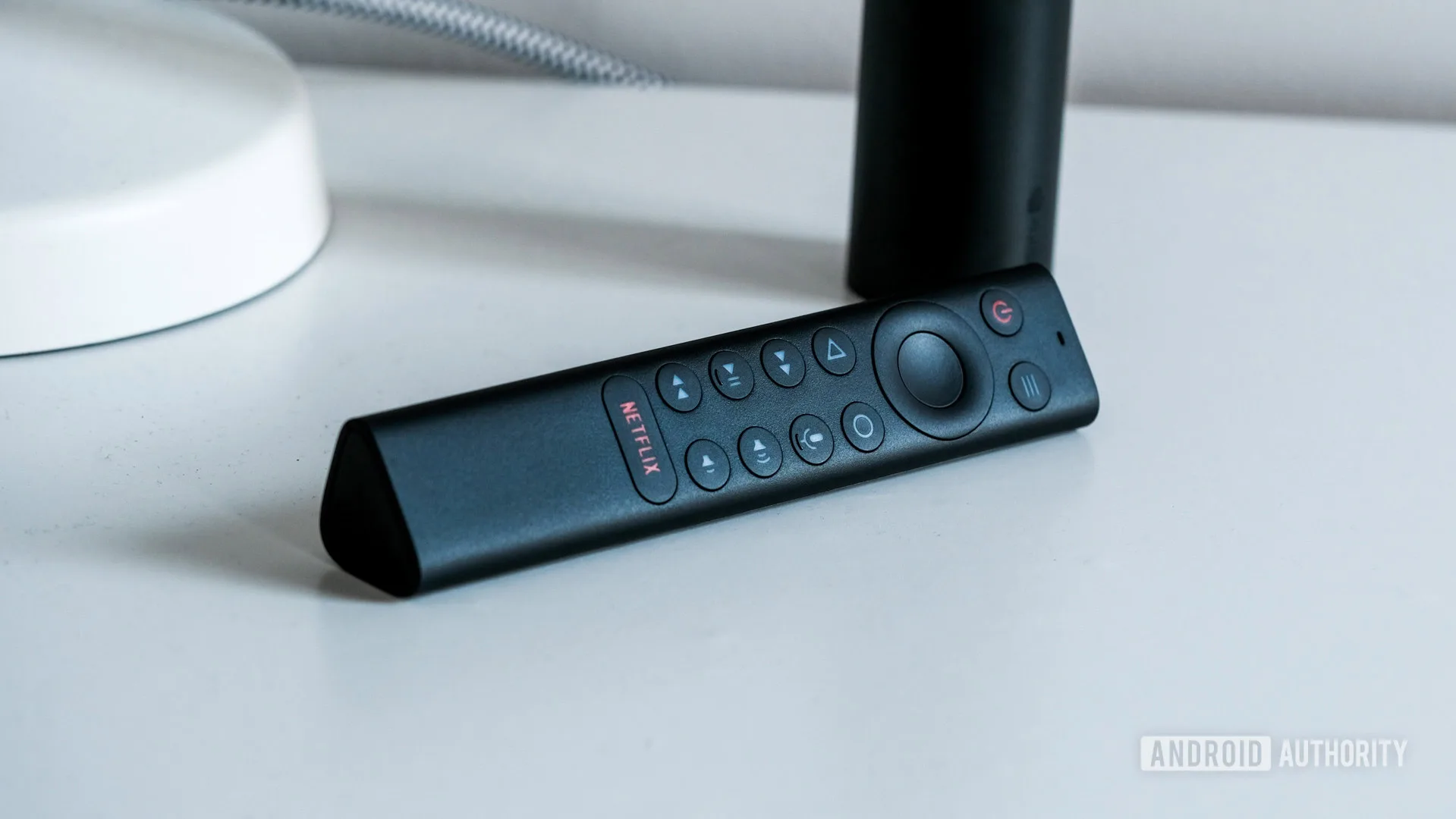
The 2019 NVIDIA Shield TV remote is, by most accounts, one of the better TV remotes on the market. Its triangular profile sits naturally in the hand, the buttons are tactile and have held up to years of daily use, there’s a built-in speaker for locating a misplaced remote via the Shield’s software, and the backlighting makes it genuinely usable in a dark room. NVIDIA mostly got this right.
But there’s a hardware Netflix button baked into it, and that’s a problem worth fixing. Not everyone subscribes to Netflix — and even those who do might prefer that physical shortcut go somewhere more useful. The NVIDIA Shield TV already supports remappable double-taps on the home and menu buttons, so the logical move is to replace the Netflix key with one or two configurable shortcut buttons that users can assign themselves. NVIDIA could keep Netflix as the default mapping for those who want it while giving everyone else the flexibility they deserve.
The other issue is trivial but persistent: the battery cover pops off far too easily. That’s it. That’s the full list of complaints about this remote, which tells you everything you need to know about how well-designed the rest of it is.
Ditch the Proprietary Power Port
This one is less about convenience and more about long-term survivability. With the exception of the smaller cylindrical 2019 NVIDIA Shield TV, all models use a proprietary power connector — and NVIDIA doesn’t sell replacement supplies directly. That’s a significant problem for a device that people routinely use for a decade or more.
Power supply failure is a known issue with aging electronics, and the symptoms aren’t subtle: sporadic reboots, boot loops, a flickering status light, and eventually a device that simply won’t turn on. Third-party replacements exist on sites like AliExpress, but buying unbranded power hardware for a premium device is a risk most people rightly want to avoid. Official units do appear on eBay occasionally, but they command prices around £40 — steep for a part that should be cheap and readily available.
The fix here is straightforward: use USB-C power delivery on the next model, or at the absolute minimum, make official replacement supplies available directly through NVIDIA’s store. For a company that charges a premium for its products and benefits from the loyalty of users who keep devices running for years, this is a basic obligation. The NVIDIA Shield TV‘s longevity is one of its strongest selling points — the power situation actively undermines it.
NVIDIA Shield TV Needs Class-Leading Hardware Again
The original NVIDIA Shield TV‘s staying power came directly from NVIDIA’s willingness to spec it aggressively. The Tegra X1 was genuinely powerful for 2015, and the 3GB of RAM and expandable storage via MicroSD and USB ensured the device had room to grow. That forward-thinking approach is why the 2015 model is still receiving the same software updates as the latest model.
A new NVIDIA Shield TV needs to repeat that trick. Memory prices are volatile right now, but 8–12GB of RAM and 128GB of base storage would put the next Shield TV in a different league from the competition and give it the same kind of longevity headroom that made the original so durable. More importantly, it would open the door to a more serious push into Android gaming — a space NVIDIA pioneered with the Shield but has largely left untended.
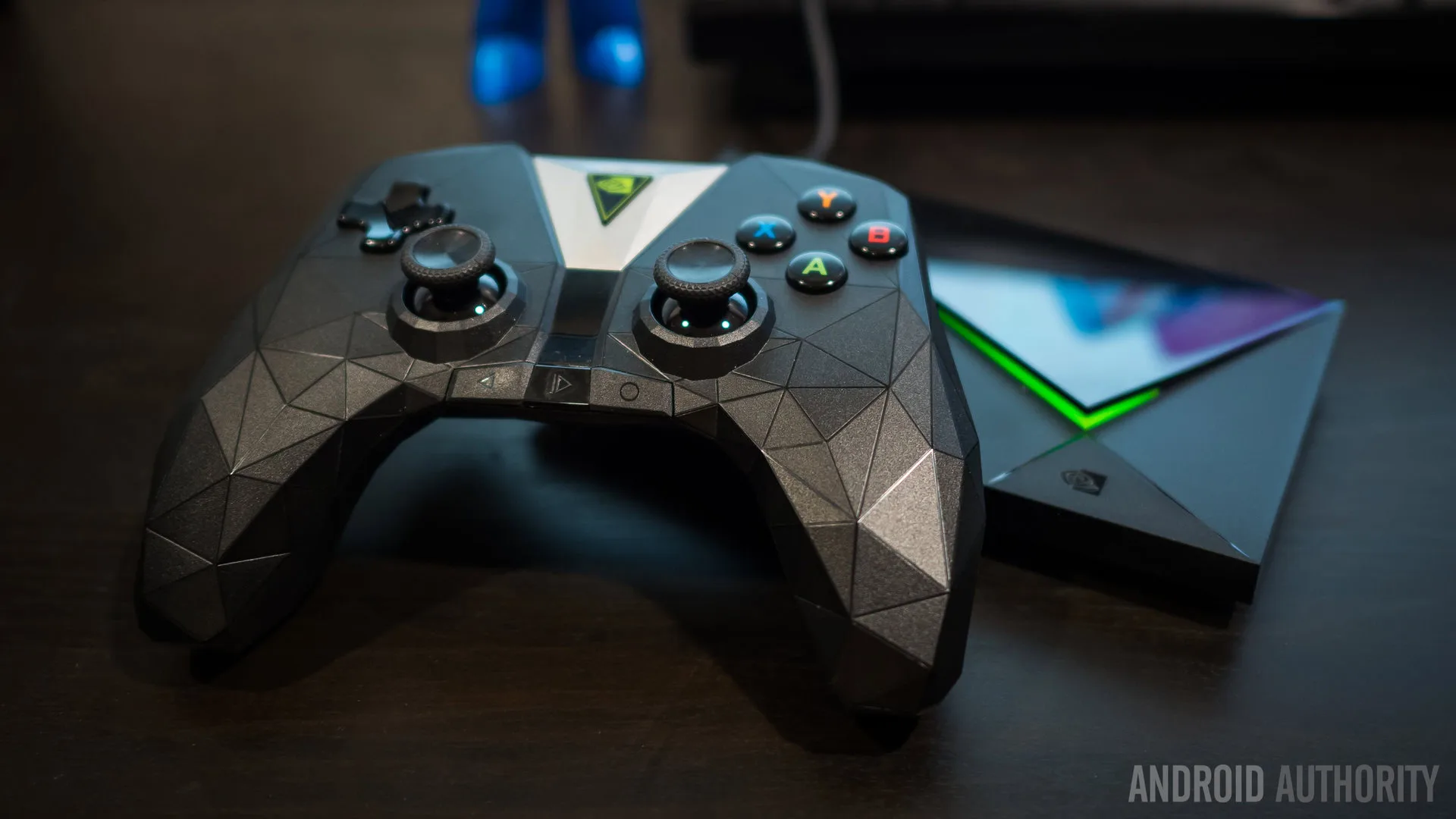
The NVIDIA Shield TV already supports Android ports of demanding titles like Knights of the Old Republic, and a more powerful chip would bring genuinely recent releases into scope. There’s also an obvious opportunity for NVIDIA here: a formal partnership with Xbox to bring an official Game Pass streaming app to the Shield TV would be a compelling differentiator, combining NVIDIA’s hardware with Microsoft’s game library in a way no other streaming device currently offers.
It’s Time to Move to Google TV
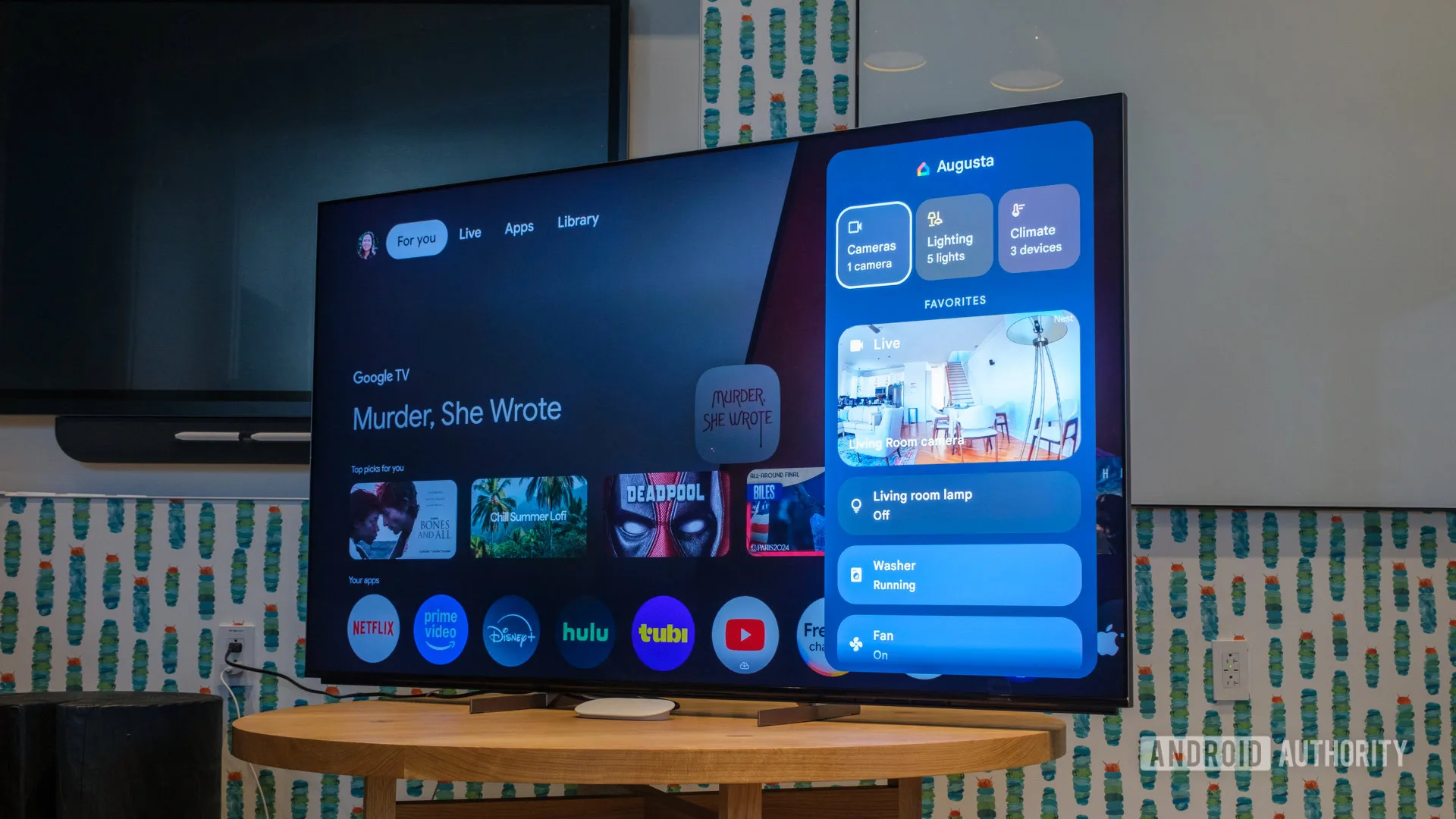
The current NVIDIA Shield TV runs Android TV, and while that platform was solid in its heyday, Google has since moved on. Google TV — which replaced Android TV as Google’s primary living-room OS — brings a more polished interface, better content aggregation, and access to newer features including Gemini AI integration.
The NVIDIA Shield TV‘s existing Android TV build is showing its age in real ways. The Google Assistant integration has been effectively broken for well over a year. There’s no path to Gemini on current hardware. And Google’s decision to retire the Google Play Movies app created a genuinely awkward workaround situation for Android TV users — you can access your purchased library through the YouTube app or dig through the shop tab, but neither option is as clean as what Google TV users get out of the box.
Other platforms exist — Roku is polished and widely used, Amazon’s Fire TV is capable — but Google TV remains the most feature-rich option, and NVIDIA already has deep Google integration baked into the Shield ecosystem. The next NVIDIA Shield TV should ship with Google TV from day one, not as an afterthought or a future update.
Thunderbolt Ports Would Make It the Best Plex Device on the Market
A significant portion of Shield TV’s most loyal users aren’t just watching Netflix on it. They’re running it as a Plex media server, using its USB-A 3.0 ports and onboard storage to host entire personal media libraries. It handles transcoding better than most dedicated NAS boxes at the same price point, and it does it silently in a living room cabinet.
The 2019 NVIDIA Shield TV Pro dropped the MicroSD card slot that older models included, which was already a step backwards for expandability. The logical next move is to go further in the right direction: replace the USB-A ports with Thunderbolt connections. Thunderbolt ports would dramatically improve transfer speeds when moving large video files and make the Shield TV an even more capable hub for external drives and high-speed accessories.
For anyone building or expanding a home media setup, Thunderbolt ports on a NVIDIA Shield TV successor would be a genuinely compelling reason to upgrade. It’s one of those additions that wouldn’t change the experience for casual streamers but would make power users — arguably the Shield TV’s most valuable and vocal audience — very happy indeed.
NVIDIA has a product that, by almost any measure, remains the gold standard for streaming hardware. The question isn’t whether a new NVIDIA Shield TV would sell — it clearly would. The question is whether NVIDIA is prepared to make the kind of bold hardware commitments that made the original great. Given how much the streaming landscape has changed since 2019, the opportunity to reset expectations with a single product launch is enormous. That’s not a chance most companies get twice.
Frequently Asked Questions
When will the next NVIDIA Shield TV be released?
NVIDIA hasn’t announced a new Shield TV, and there’s no official release date or confirmed specs for a successor. The last hardware update came in 2019, though demand for a refresh has been building among the device’s dedicated user base.
Does the NVIDIA Shield TV support Google TV?
No — current Shield TV models run Android TV, not Google TV. This means users miss out on features like Gemini AI integration and the more streamlined Google Play Movies experience that Google TV provides on newer hardware.
Can you use the NVIDIA Shield TV as a Plex server?
Yes. The Shield TV is widely regarded as one of the best Plex server devices available, thanks to its USB-A 3.0 ports and expandable storage. Thunderbolt ports on a future model would make it even faster and more capable as a home media server.
What processor does the NVIDIA Shield TV use?
The Shield TV uses NVIDIA’s Tegra X1 chip, a processor so capable that Nintendo adopted a modified version to power the Switch. It delivers roughly twice the graphics performance of an Xbox 360, which explains why the device has aged so remarkably well.