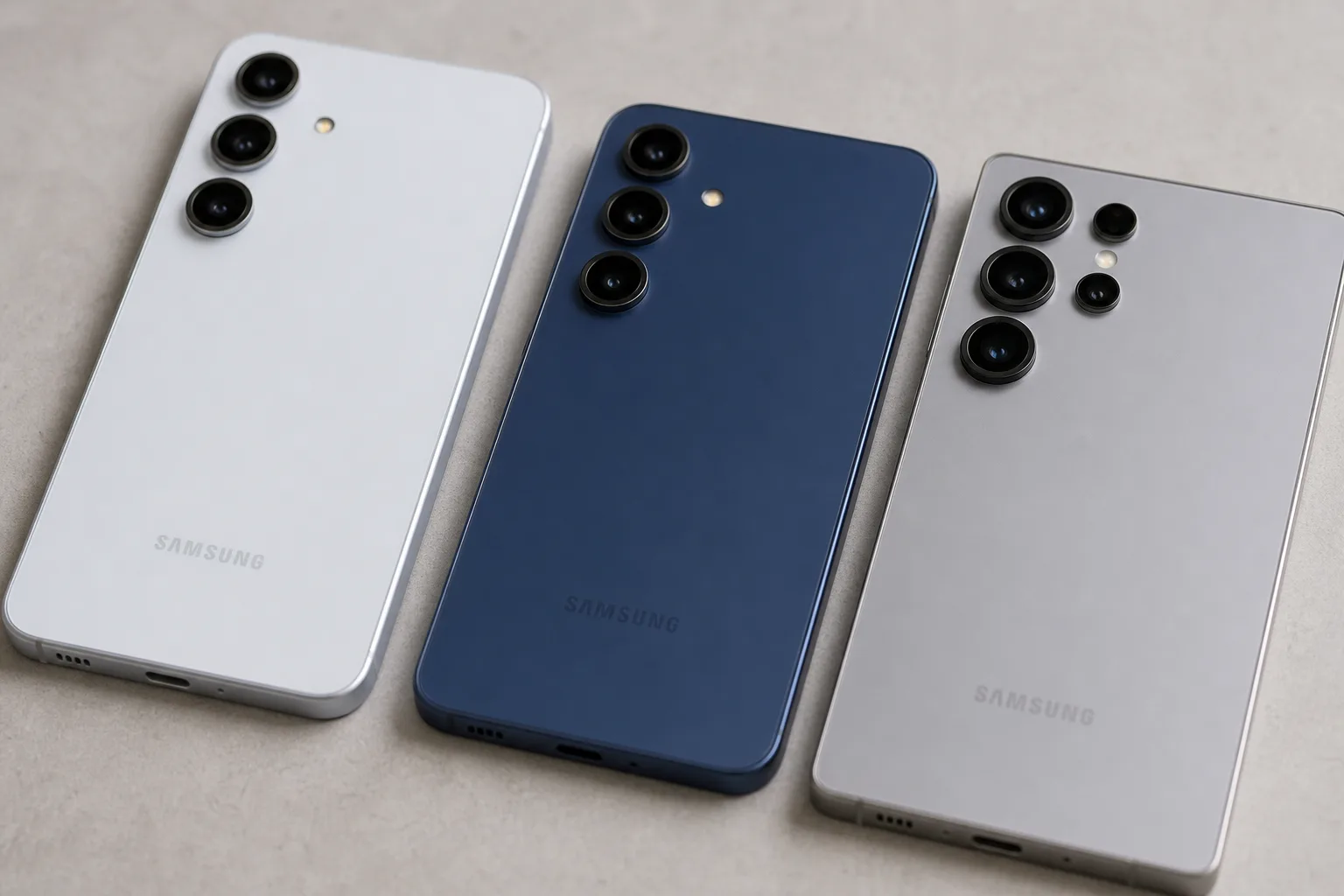
Four months into its life cycle, the Samsung Galaxy S26 is defying the usual rules of flagship gravity. Most phones see a sharp demand cliff after the launch buzz dies down. The S26 series is doing the opposite — Samsung has reportedly been forced to raise its July production target by 50%, bumping it from one million units to 1.5 million, according to a report from South Korean outlet ET News. That’s not a routine inventory adjustment. That’s a signal that something unusual is happening in the Android flagship market.
- Samsung Galaxy S26 production targets jumped from 1 million to 1.5 million units for July 2026 alone.
- The Samsung Galaxy S26 series saw a threefold sales spike during a June promotional event offering 20% refunds.
- Fears of a Galaxy S27 price hike driven by rising memory costs are pushing buyers toward the S26 now.
- Strong S26 momentum could rescue Samsung’s mobile division from an otherwise underwhelming third quarter.
Table of Contents
A Production Ramp That Keeps Going Up
This isn’t the first time Samsung has had to revise its S26 output upward. The company already increased production plans back in April, then again in May. The fact that it’s doing so again in July — well past the period when pre-orders and early adopters have been served — suggests demand is genuinely structural, not just an opening-weekend spike. The July figure of 1.5 million units covers Samsung Galaxy S26 devices destined for both international markets and Samsung’s home turf in South Korea.
To put that in context: flagship Android phones typically sell in concentrated bursts around launch, then taper off quickly as the next rumour cycle begins. The S26 series appears to be bucking that pattern convincingly, and Samsung’s finance team is surely paying close attention as it heads into Q3 reporting season.
Samsung Galaxy S26 Demand: What’s Actually Driving It
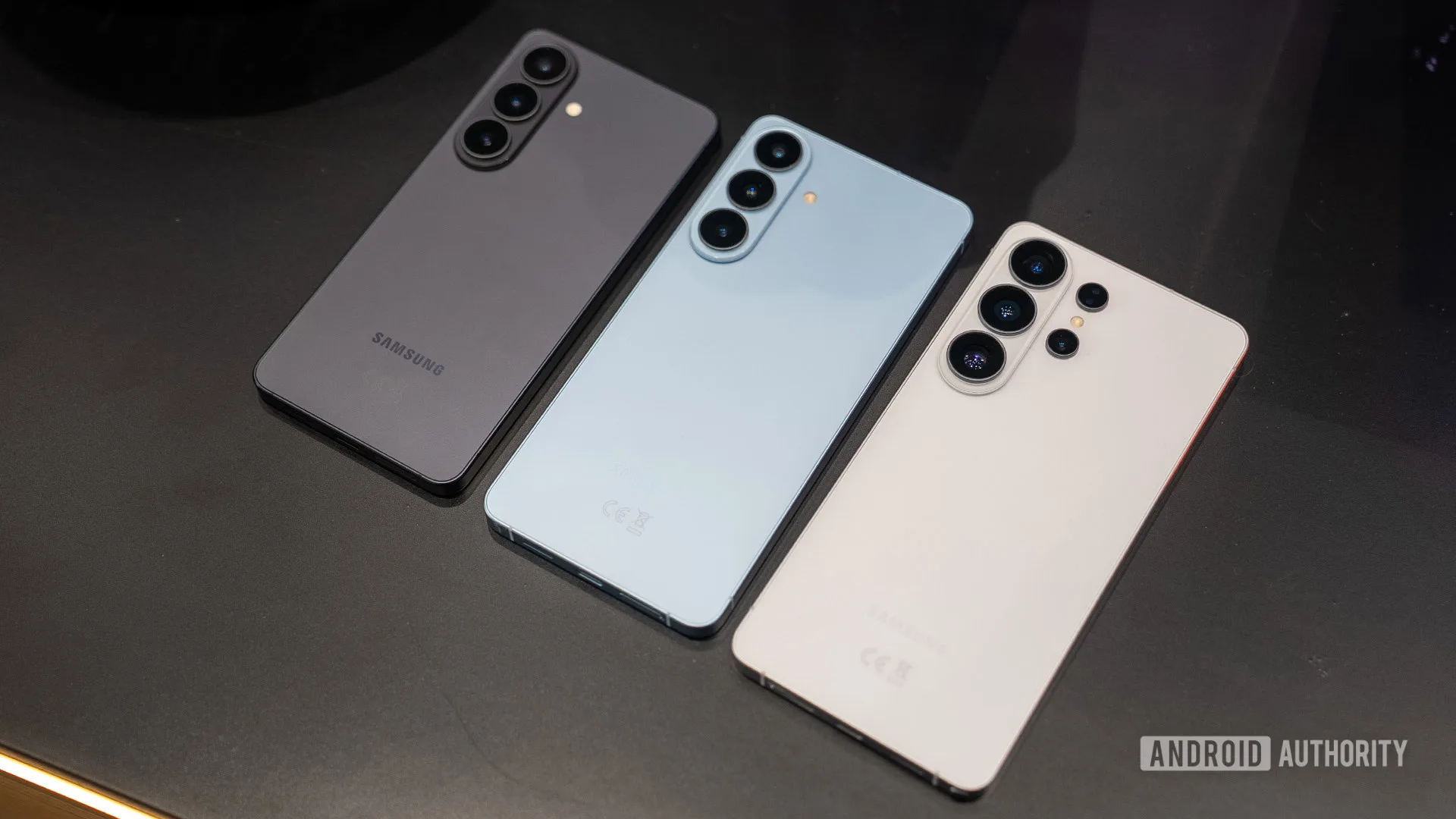
There are two forces at work here, and they’re quite different in nature. The first is a direct promotional push from Samsung itself. The company ran a “Samsung Electronics Appreciation Festival with the People” event that stretched from June 8 all the way through July 5 — a nearly month-long window in which customers received refunds worth 20% of their purchase price. That’s a meaningful discount on a flagship device that starts at a significant premium. According to the ET News report, sales of the Samsung Galaxy S26 series roughly tripled during the event. Tripled. That’s not a modest promotional bump — that’s a campaign that actually moved the needle.
The second driver is more speculative, but arguably more durable: growing anxiety that the Galaxy S27 will cost considerably more. Memory prices have been climbing across the industry, and Samsung — which manufactures its own DRAM and NAND — is not immune to those pressures. Rumours have been circulating that the company may pass at least some of those costs on to consumers through the S27’s pricing. For buyers who’ve been sitting on the fence, that’s a compelling reason to purchase a Samsung Galaxy S26 now rather than wait.
This kind of anticipatory purchasing isn’t new in tech. We saw it with iPhone models ahead of processor generation jumps and with PC components during supply chain crunches. What makes it interesting here is that Samsung appears to be benefiting from its own future pricing decisions — a somewhat ironic dynamic where the S27’s anticipated cost is doing active sales work for the S26.
The Galaxy S26 Ultra Is Still the Star
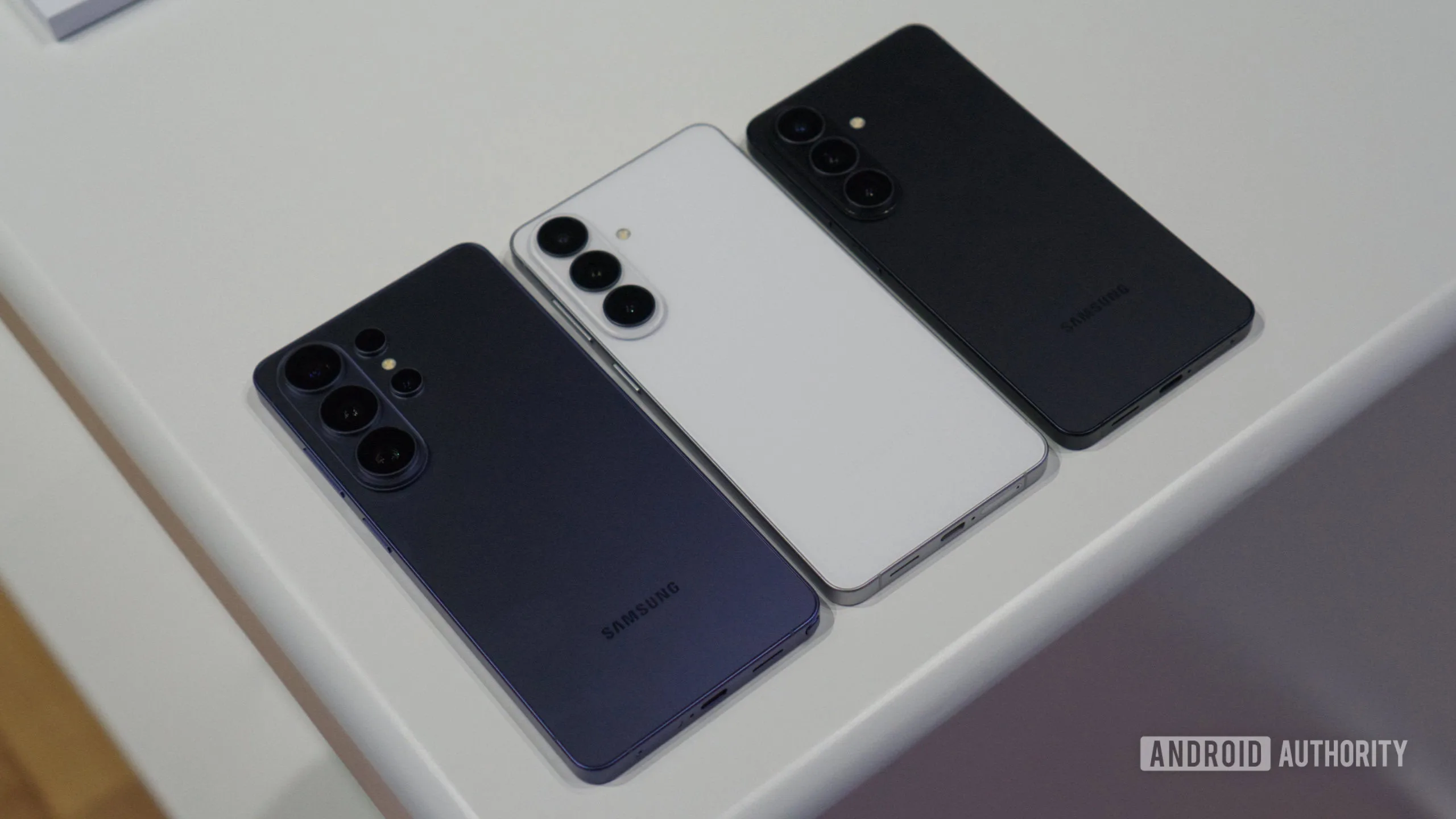
Within the S26 lineup, the Ultra model continues to punch hardest. The Samsung Galaxy S26 Ultra was the most popular device at launch, and it’s maintained that status — Samsung’s own website in South Korea is currently showing availability pushed back to the following month, which is as clear a supply-constraint signal as you’re likely to see. When the manufacturer’s direct storefront can’t fulfil orders promptly four months post-launch, demand is real.
The Ultra’s sustained popularity isn’t entirely surprising. Samsung leaned heavily into the S26 Ultra’s camera system and its integration with Galaxy AI features, pitching it at the productivity-focused, premium buyer who cares less about price and more about capability. That segment of the market tends to be less price-sensitive and more patient — they’ll wait weeks for a unit rather than settle for a competitor. The S27 price hike rumours may actually be amplifying this behaviour, with Ultra buyers locking in before the next generation arrives at an even steeper premium.
What This Means for Samsung’s Q3 Numbers
Here’s where the business story gets genuinely interesting. Samsung’s mobile and network division was reportedly on course for a soft third quarter. Rising memory costs hit the components side of the business, and the assumption was that the Samsung Galaxy S26 post-launch slowdown would leave mobile revenue underwhelming. That narrative may now be obsolete.
If July production genuinely runs at 1.5 million units — and if sell-through rates hold up — the S26 series could provide a meaningful Q3 revenue cushion for the mobile arm. It won’t offset every cost pressure in Samsung’s sprawling semiconductor division, but a flagship that keeps selling at this volume four months in is a genuine bright spot on the income statement.
Samsung’s competitors won’t be ignoring these numbers either. Google’s Pixel 9 series has carved out a loyal niche but operates at a fraction of Samsung’s volumes. Xiaomi and OnePlus have been aggressive in mid-range and upper-mid-range segments, but neither is competing directly at the Samsung Galaxy S26 Ultra price point in most Western markets. For now, Samsung appears to have the high-end Android space largely to itself — and the S26 is making full use of that position.
The more pressing question is what the S27 actually lands at when it arrives. If Samsung prices it significantly higher, it risks creating a perception gap — buyers who feel the brand has drifted out of reach, a problem Apple spent years managing carefully. But if the memory cost pressures genuinely force Samsung’s hand, the S26 series may end up being remembered as the last affordable flagship in the line for a while. That would be quite a legacy for a phone that’s already had one of the stronger sustained sales runs in recent Android history.