Apple’s developer beta cycle is moving fast this summer. iOS 27 beta 3 just dropped with a handful of meaningful changes that go well beyond the usual bug fixes, and the picture forming around this fall’s software releases — combined with some genuinely fraught hardware decisions Apple is making behind the scenes — is worth paying close attention to.
- iOS 27 beta 3 adds Siri voice fine-tuning and the ability for Siri AI to pull data from third-party apps.
- iOS 27 beta 3 arrives alongside watchOS updates that bring a dedicated Siri app and an upgraded AI experience.
- Apple is lobbying the Trump administration to approve DRAM chips from banned Chinese suppliers amid price pressure.
- Apple TV+ landed a record 89 Emmy nominations in 2026, cementing its status as a serious Hollywood contender.
Table of Contents
What’s New in iOS 27 Beta 3
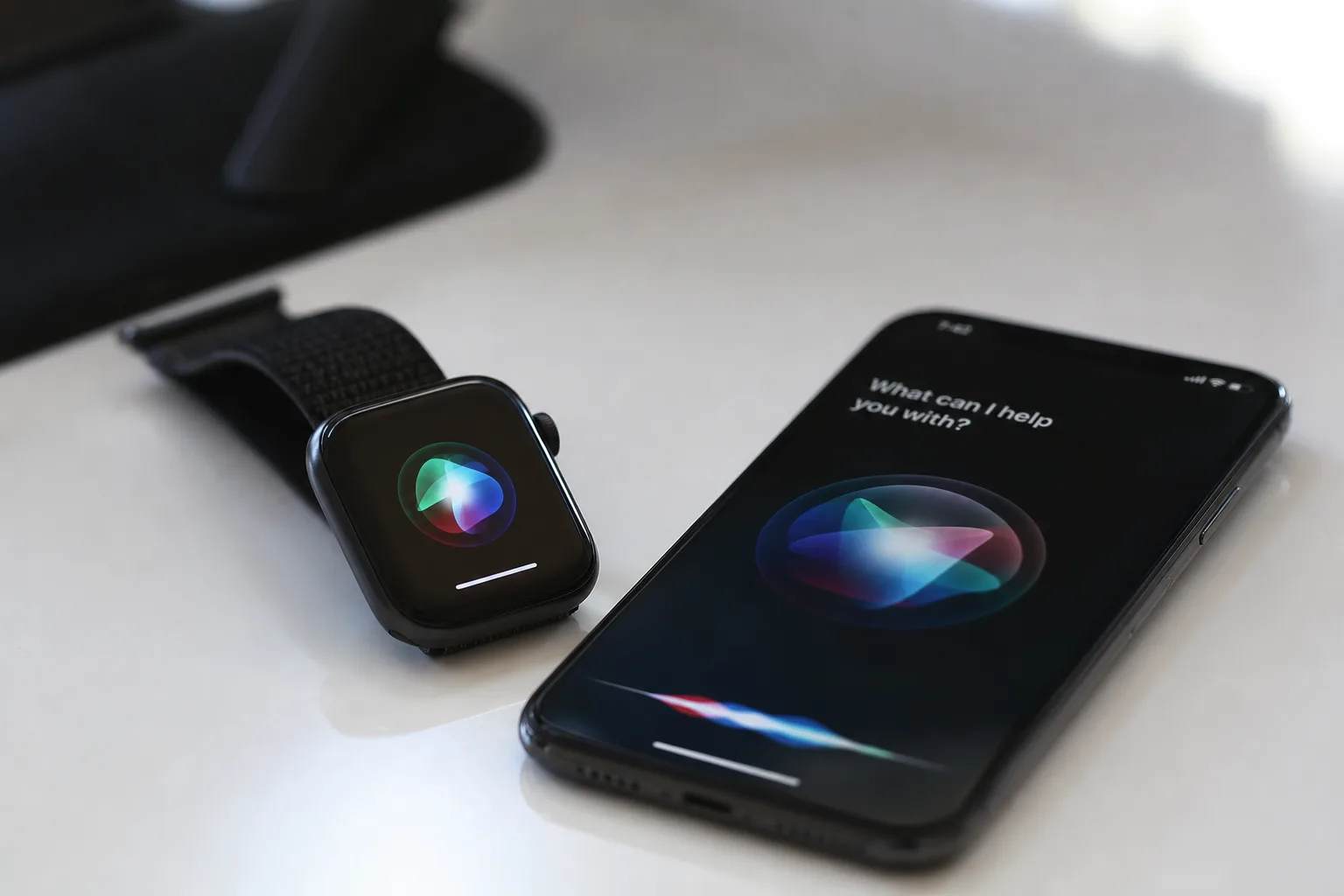
The headline addition in iOS 27 beta 3 is something Apple has been quietly building toward for two years: Siri AI can now pull information directly from third-party apps. That might sound incremental, but it’s actually a significant shift in how useful Siri can be day-to-day. Instead of shrugging when you ask it something that lives inside Spotify, your banking app, or a third-party calendar, Siri can now reach in and surface that data. It’s the kind of cross-app intelligence Google Assistant has flirted with for years, and that Amazon Alexa has never really cracked at scale. Apple is making a serious run at it.
The beta also introduces per-user voice tuning for Siri — meaning you can now fine-tune how Siri sounds to your preferences. It’s a small quality-of-life win, but it signals Apple understands that a voice assistant people actually enjoy interacting with is half the battle. Nobody stuck with a voice they find grating. iOS 27 beta 3 makes both of these Siri improvements available to developers for testing starting this week.
On the watch side, the companion watchOS beta 3 update ships a dedicated Siri app for Apple Watch alongside the same upgraded AI experience. For anyone who’s used Siri on the watch recently, ‘upgraded’ is doing some heavy lifting there — the current experience is functional at best. An early hands-on with the new build suggests it’s genuinely faster and more capable, with the Apple Watch finally feeling like a first-class Siri device rather than an afterthought. That improvement tracks with what iOS 27 beta 3 is doing on the phone side: pushing Siri toward something you’d actually choose to use.
macOS Golden Gate: More Than Just Wallpapers
macOS Golden Gate — Apple’s name for macOS 27, following the geographic naming convention that gave us Sequoia and Sonoma — is shaping up to be a more substantial release than some had expected. Yes, there are new wallpapers and screen savers (always a crowd-pleaser in the developer community, for whatever reason), but the more interesting additions are under the hood.
Safari in macOS Golden Gate is reportedly one of the standout features. Apple’s browser has quietly become one of the fastest and most power-efficient on any platform, and the Golden Gate version apparently pushes that further with interface and functionality changes that go harder than the typical annual Safari refresh. Given that Safari holds around 19% of global browser market share — dominant on Apple hardware — any meaningful update has real reach.
Apple is also charging for some AI-powered camera features in the Home app in this release cycle, a decision that’s drawing criticism. The Home app has long been a free-with-hardware proposition, and introducing paywalled AI features there breaks an implicit understanding with users who’ve built out expensive HomeKit setups. It’s not an unreasonable business decision for Apple, but it’s the kind of thing that quietly chips away at goodwill. Developers testing iOS 27 beta 3 alongside the macOS Golden Gate beta have flagged this as one of the more contentious changes in the current cycle.
iOS 27 Beta 3 and the Chinese RAM Problem
While iOS 27 beta 3 and its software siblings are getting attention in developer circles, Apple is dealing with a hardware headache that could have far broader implications. The company is reportedly lobbying the Trump administration to approve the use of DRAM chips from at least two Chinese memory suppliers that are currently on the US Commerce Department’s restricted entity list.
The context matters here. US tariffs and trade restrictions have pushed memory component prices up sharply, squeezing Apple’s margins on devices that are already priced at a premium. Chinese DRAM makers — think companies operating in the orbit of firms like ChangXin Memory Technologies (CXMT) — have become cost-competitive enough that Apple apparently thinks it’s worth the political fight to use them. That’s a striking signal about how serious the supply chain cost pressure has become.
It’s also a politically risky move. The Biden and Trump administrations have both taken increasingly hard lines on Chinese semiconductor access, and asking for a carve-out — essentially saying ‘we know this company is banned, but we’d like to use them anyway’ — invites scrutiny. Apple has navigated US-China trade tensions with unusual dexterity for years, but this one feels like it’s pushing into genuinely new territory. The timing, coinciding with the iOS 27 beta 3 development cycle, is a reminder that software progress and supply chain politics rarely wait for each other.
Broadcom Deal and iPhone Ultra Supply Worries
Not all of Apple’s supply chain news is thorny. The company just announced what it’s calling its largest-ever US manufacturing investment, tied to a new deal with Broadcom. The partnership is focused on components manufactured stateside — a move that serves Apple’s domestic supply chain narrative while deepening a relationship with one of its most important chip suppliers. Broadcom already makes key wireless and networking components for Apple devices, so this is an expansion of an existing critical partnership rather than something new.
Meanwhile, the iPhone Ultra — widely expected to be Apple’s most premium smartphone yet — is looking like it’ll be a tough ticket at launch. At least one supply chain report suggests availability will be extremely limited when it ships, and that it may arrive slightly later than the standard iPhone 17 lineup. A separate report pushes back on the delay narrative, saying Ultra will ship on time. These kinds of contradictory supply chain reports are normal at this stage of the production cycle, but the consensus view seems to be that if you want an iPhone Ultra on day one, you’ll need to be quick. Pricing and precise release timing remain officially unannounced.
Apple TV+ Hits a New High-Water Mark
Separate from the software and hardware news, Apple TV+ just posted its best Emmy performance ever: 89 nominations at the 2026 Emmy Awards. That’s a record for the streamer, which launched in late 2019 with a modest content slate and has since built a library that consistently punches above its size relative to Netflix or HBO.
Eighty-nine nominations across a single awards cycle isn’t just a vanity metric — it’s a signal that Apple’s content investment strategy, which prioritizes quality and prestige over volume, is working. The service has never chased subscriber numbers the way its rivals have; it’s chased critical recognition, and the Emmys have noticed. Whether that translates into meaningful subscriber growth is a different question, but as a statement of creative intent, 89 nominations says everything.
Taken together, this week’s Apple news tells a story about a company in an interesting position: software that’s getting meaningfully smarter, hardware supply chains under real pressure from geopolitics and tariffs, and a media arm that’s quietly become one of the most respected names in television. The iOS 27 beta 3 update is just the most visible thread in a much bigger picture — and the decisions Apple makes on Chinese RAM and the iPhone Ultra supply chain could matter just as much to the company’s bottom line as anything Siri learns to do this fall. For developers and power users tracking every build, iOS 27 beta 3 remains the clearest window into where Apple’s software is heading.
Frequently Asked Questions
What are the biggest changes in iOS 27 beta 3?
iOS 27 beta 3 lets users fine-tune how Siri sounds, enables Siri AI to pull information from third-party apps, and ships alongside watchOS updates that bring a dedicated Siri app to Apple Watch. It’s part of Apple’s broader push to make Siri a genuinely useful AI assistant.
Why is Apple trying to use Chinese DRAM chips?
Apple is seeking approval from the Trump administration to source DRAM from banned Chinese suppliers, reportedly because product price increases have made alternative sourcing necessary. The company is said to be in active negotiations with at least two Chinese memory firms.
When is the iPhone Ultra coming out and will it be hard to get?
Reports are mixed. One supply-chain source suggests the iPhone Ultra will face severely limited availability at launch and may ship slightly later than the rest of the iPhone lineup, while a separate report disputes any delay. Pricing and timing details remain unconfirmed by Apple.
What is macOS Golden Gate and what does it add?
macOS Golden Gate is the next major version of macOS, shipping alongside iOS 27. New details include a refreshed set of wallpapers and screen savers, and a significantly updated Safari browser that goes well beyond what most users expected.