

- Galaxy S26 Ultra owners in Korea and on Reddit report screens gradually developing a faint pink or red color cast.
- Samsung says it is investigating the Galaxy S26 Ultra display reports, but has not publicly identified a root cause or repair plan.
- The issue puts more pressure on Samsung’s new Privacy Display after early complaints about visibility, eye strain, and disputed color-depth marketing.
- A gradual tint could come from OLED aging, panel uniformity, heat exposure, or software calibration, though none has been confirmed.
Table of Contents
Galaxy S26 Ultra owners are seeing color drift
A premium phone screen should fade into the background. You notice the content, not the panel. That’s why the reports now circling around the Galaxy S26 Ultra are troubling: some owners say their displays have gradually taken on a pinkish or reddish cast after weeks or months of normal use.
The complaints have appeared across Reddit and South Korean platform Naver since March, shortly after Samsung’s February launch. They aren’t describing a dramatic full-screen crimson failure. Most accounts point to a subtle warmth that changes whites, grays, and skin tones — the kind of flaw that can be easy to miss until someone puts an affected phone beside a newer unit. Once you see a white settings page looking vaguely rose-colored, it becomes hard to unsee.
Samsung has acknowledged that there is something to investigate. In a statement reported by Korean outlet Newsway, the company said it was “examining the matter internally to confirm the cause.” That is a long way from an answer, let alone a fix, but it matters. At least Samsung is not treating this as a mass case of users misreading their color settings.
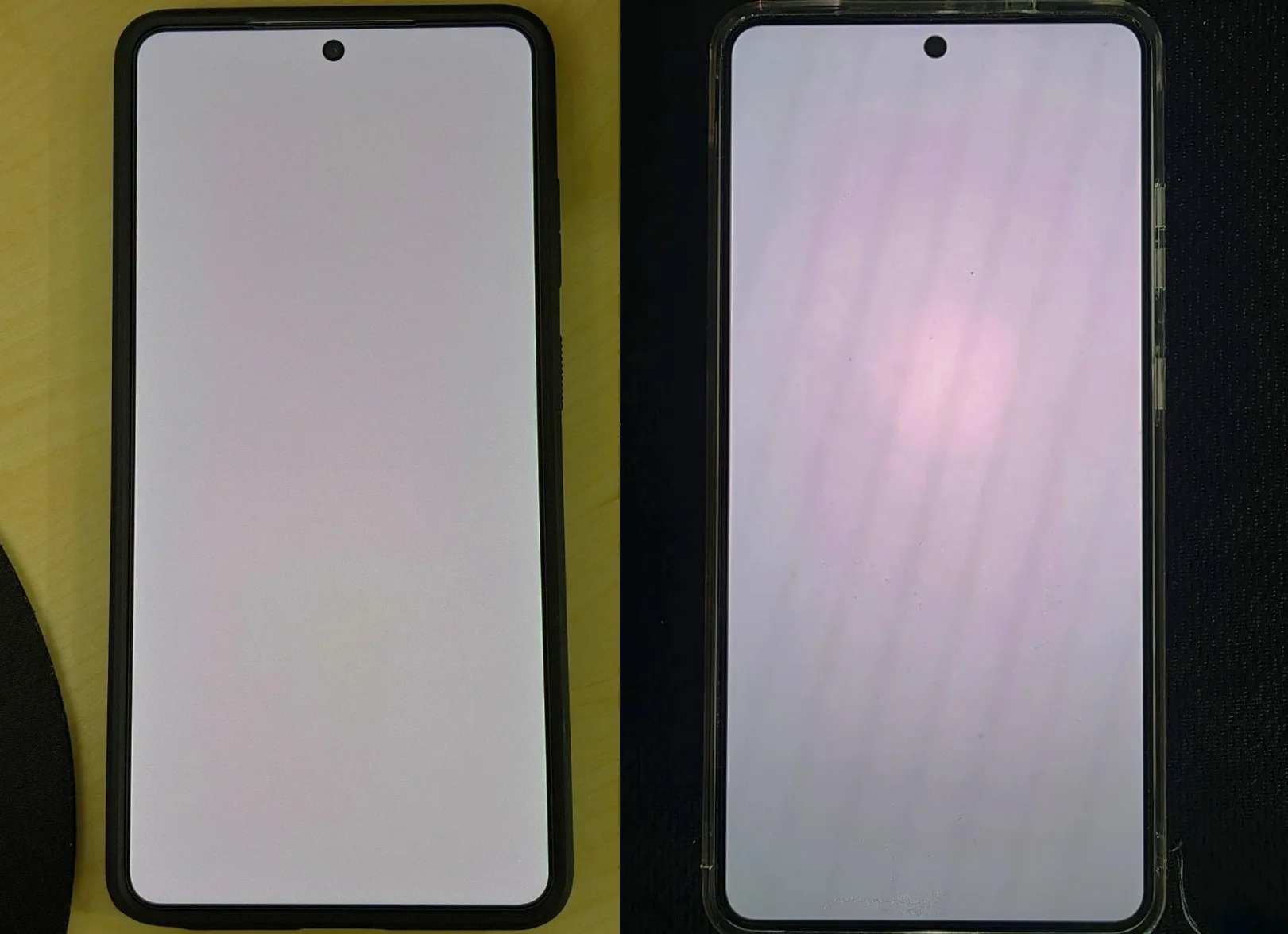
The timing matters more than the symptom alone. A Galaxy S26 Ultra that looked normal out of the box and slowly changes over time raises different questions than one with a bad calibration profile from day one. It suggests panel aging, heat-related stress, a component issue, or perhaps an interaction between display hardware and Samsung’s software tuning. None of those theories is proven yet.
The new Privacy Display is under a harsher spotlight
This is landing at an awkward moment for Samsung because the Galaxy S26 Ultra was supposed to make a big deal of its display. Its Privacy Display technology uses pixel-level behavior to make the screen harder to read from off-angle, a practical answer to the person craning over your shoulder on a train. On paper, that’s a genuinely useful feature. In practice, Samsung’s execution is already attracting scrutiny.
Early adopters complained that the altered viewing behavior made the display harder on their eyes or less clear in certain situations. Some reportedly returned their phones. Samsung also had to walk back an early claim around 10-bit color depth, clarifying that the panel itself uses 8-bit hardware while software is used to create a richer-looking result. That doesn’t automatically make the phone’s color poor — plenty of excellent screens use processing aggressively — but it does make any new color complaint more politically charged.
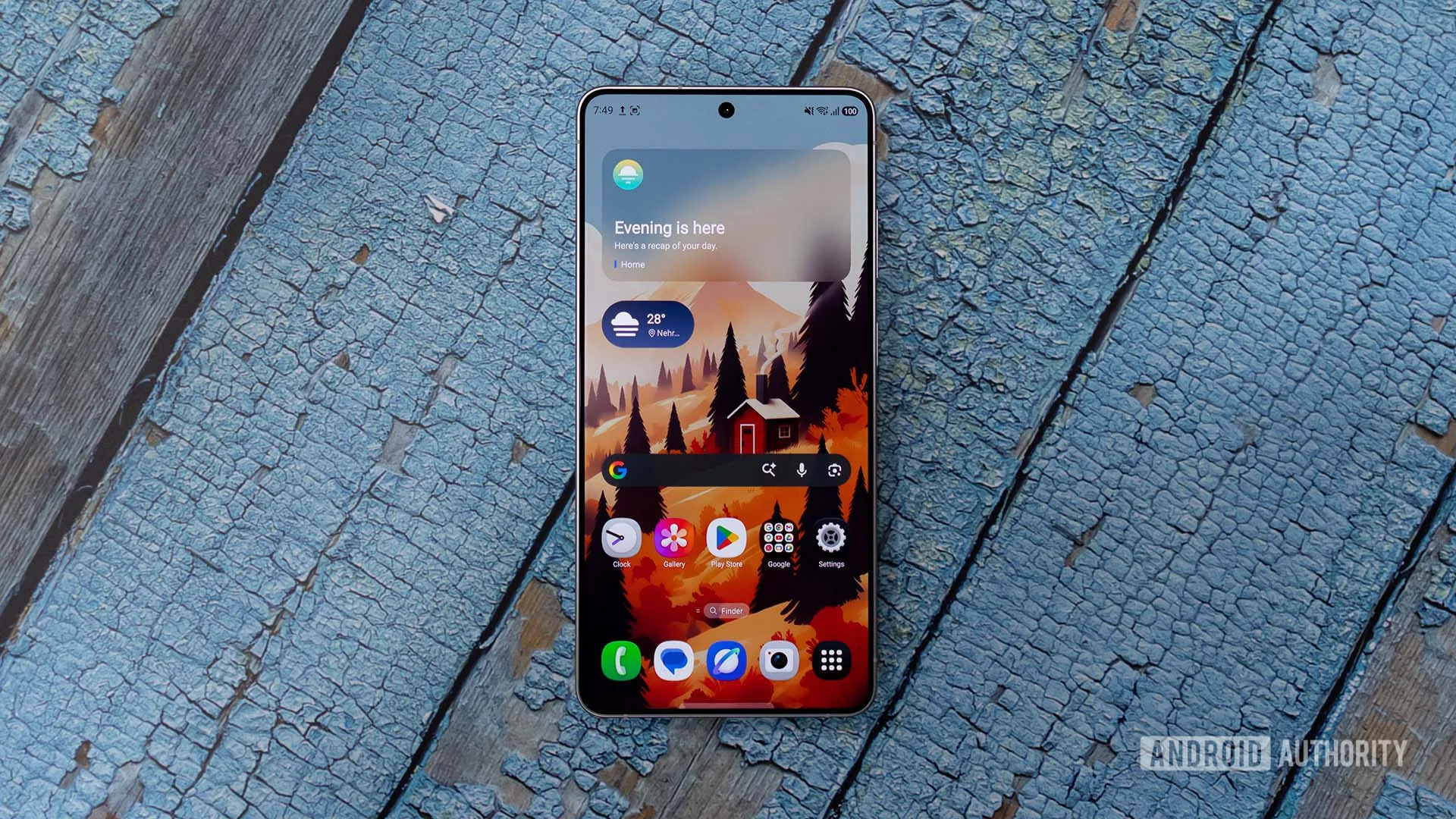
My read is that Samsung has a perception problem as much as a technical one. Buyers paying Ultra money expect a display that is boringly dependable. They don’t want to wonder whether a new privacy layer, a color-management update, or an OLED defect will make their expensive handset look different by summer.
What might cause a red or pink OLED tint?
It is tempting to call the Galaxy S26 Ultra reports burn-in, especially because observers say the effect can be more visible on retail demo phones. But burn-in has a specific meaning: uneven wear from static interface elements, such as navigation bars, status icons, or a store demo loop, lingering as ghost images. A general red or pink shift across the panel may be related to OLED aging, but it is not automatically burn-in.
OLED panels are made of organic light-emitting materials that do not all age at identical rates. Blue subpixels have historically been the difficult ones, while display makers use different material stacks, compensation systems, and calibration techniques to preserve color balance over a phone’s life. Heat, extended high brightness, manufacturing variation, and heavy demo use can all expose weak points. Samsung Display remains one of the industry’s most experienced OLED suppliers, which makes the reports notable but also means the company has deep diagnostic resources available.
Software remains another possibility. A faulty color profile, accessibility setting, adaptive display behavior, or firmware regression can change a panel’s appearance without physical damage. What matters in practice is whether the tint persists across settings, brightness levels, display modes, and software versions. If Samsung can correct it in an update, owners will be relieved. If it is permanent panel drift, the remedy is likely a display replacement.
One online theory argues that adhesive around the display assembly becomes visible under ultraviolet light. Frankly, that explanation does not fit the core reports very well. Users are describing a visible shift during ordinary phone use, not a laboratory-lighting oddity. Samsung’s own decision to investigate also suggests it sees a more meaningful issue than glue behaving strangely.
Samsung needs a clear service answer
For affected Galaxy S26 Ultra owners, the sensible move is to document the issue now. Photograph the handset beside another phone or a neutral white surface, test it with a white image at several brightness levels, and contact Samsung support or the retailer while the device remains under warranty. Screens are notoriously difficult to judge through camera photos because white balance can lie, but comparison shots and a dated record can still help establish that the color shift developed over time.
Samsung should also avoid the usual slow-motion support dance, where customers are told to reset a device until enough complaints accumulate to force a service bulletin. The company needs to say whether the problem is limited to a particular manufacturing batch, retail demos, a regional software build, or the Privacy Display hardware itself. An official support path would be even better. Samsung already publishes product information through its support portal; this is the sort of issue that deserves direct guidance there once the investigation produces results.
The Galaxy S26 Ultra may still be an excellent phone overall, and a cluster of reports does not establish the scale of a defect. But flagship displays are where manufacturers have the least room for ambiguity. Samsung sold this panel as a sophisticated new direction for smartphone privacy. It now has to prove that the screen can stay true to its colors after the honeymoon period ends.

