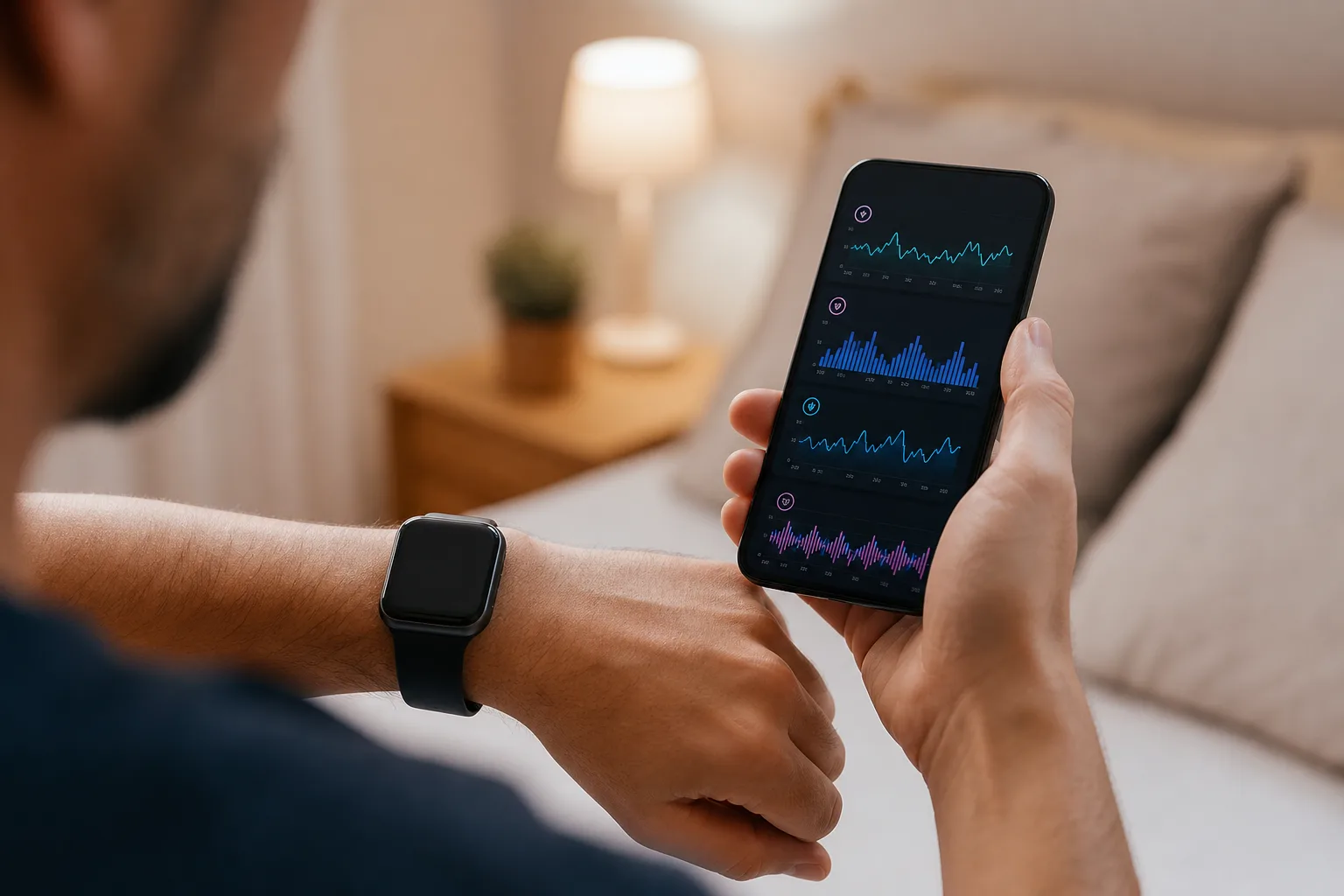
- Samsung Health data may be deleted from Samsung’s systems when a user withdraws consent for AI training and human review.
- The Samsung Health data policy covers sensitive records, including sleep, medications, cycle tracking, treatments, and test results.
- Samsung frames the consent as necessary to improve health-analysis algorithms and AI features rolling out alongside its redesigned app.
- The policy turns an opt-in privacy choice into a practical decision about whether users can keep cloud syncing.
Table of Contents
Samsung Health data comes with an uncomfortable trade-off
Your smartwatch knows when you slept badly, when you missed a medication, and, depending on what you have connected, details from clinical records that most people would never casually hand to a consumer electronics company. Samsung Health data is now at the center of a consent prompt that asks users to make a rather stark choice: permit AI training, including human review, or lose cloud syncing and potentially have their stored information deleted.
That is a far more consequential decision than the usual checkbox buried under a software update. Samsung says the information people allow it to collect and process can be used for AI training and modelling to improve Samsung Health, its health-condition analysis algorithms, and AI-powered features. The company’s language also explicitly includes human review. For health information, that detail deserves more than a quick tap on ‘Agree.’
Samsung has been steadily positioning Health as more than a step counter attached to a Galaxy Watch. The app’s redesign and its growing roster of AI features arrive as the company pushes deeper into sleep coaching, wellness scores, medication management, and connected health records. But the more useful a health platform becomes, the more intimate the information it collects. Samsung Health data is a particularly poor fit for a take-it-or-leave-it consent design. That creates a basic trust problem Samsung cannot wave away with glossy watch renders.
What Samsung Health data can be used for
The scope here is broad. Samsung’s notice says the relevant data can include activity and step counts, sleep information, medication records, menstrual-cycle tracking, and health records such as treatments and test results. Put plainly, this can go well beyond the data generated by a wrist-worn sensor.
Samsung argues that using Samsung Health data helps it refine the algorithms that interpret health conditions and build its AI tools. There is a reasonable product argument for that. Health algorithms need large and varied data sets, particularly if a company wants them to work across different ages, bodies, sleep patterns, and medical histories. An AI system trained only on a narrow population is prone to making bad calls for everyone else.
Still, consent is supposed to mean a genuine choice. If declining or later withdrawing permission means a person cannot retain synchronized records, the choice starts to resemble a toll booth. You can take the privacy exit, but only by leaving the highway altogether.
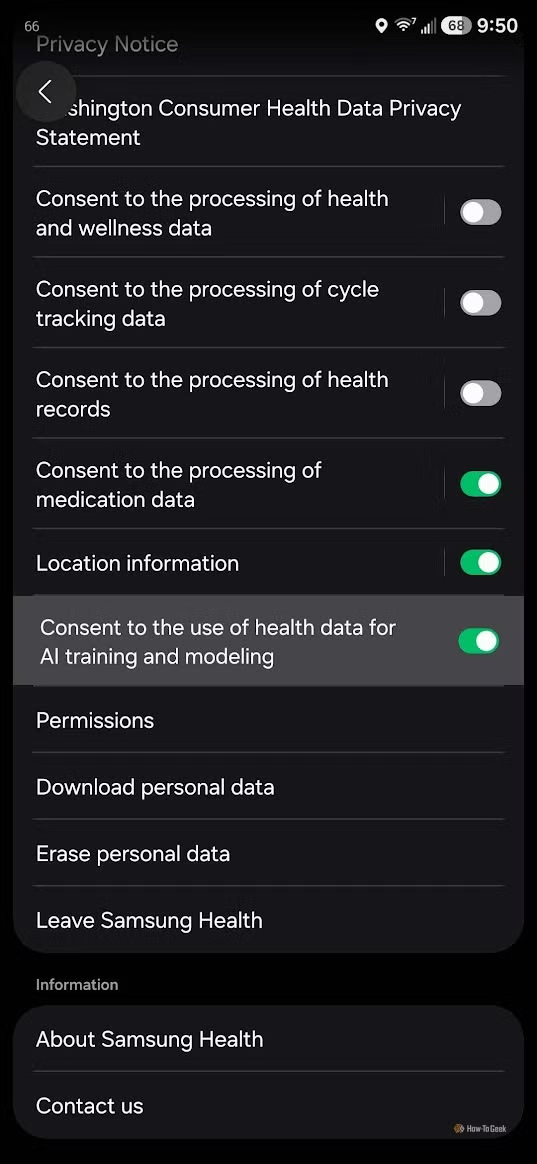
Samsung’s support language says that after consent is withdrawn, users will not be able to sync health information with their Samsung account and their health information will be deleted unless the company must keep it under applicable law. Where retention is legally required, Samsung says it will erase the material once that period ends. The wording matters: it appears to describe deletion from Samsung’s account-linked services, not necessarily an immediate wipe of all local data on every phone or watch. But the practical outcome for many people is clear enough. Their long-term, cross-device health history could disappear.
The cloud sync penalty is the real problem
Samsung Health data does not become less sensitive because it sits in a wellness app rather than an electronic medical-record portal. In fact, the mixture can be especially revealing. A week of bad sleep, irregular movement, new medication and heart-rate changes may tell a fairly personal story even without a clinician’s note attached.
That is why the apparent coupling of AI consent and account syncing feels so clumsy. Companies frequently ask customers to allow optional diagnostic data collection, personalized advertising, or model improvement. Apple, for example, has built much of its health pitch around on-device processing and tightly controlled sharing, while Google and Fitbit have faced years of scrutiny over how consumer wellness information might feed into broader data businesses. None of these companies deserves a free privacy pass. But users should be able to say no to training without being treated as though they have opted out of the product itself.
Samsung may have operational reasons for this design. Maintaining separate data pipelines for people who approve model training and people who do not can be expensive and technically messy. It may also believe its consent and retention rules require a clean break once permission is withdrawn. Yet those are company problems, not reasons to make customers choose between privacy preferences and a usable health archive.
There is a major difference between anonymized statistical analysis and human review of records. Samsung’s disclosure mentions both AI training and human review, but users need clearer answers on who performs that review, what safeguards apply, whether Samsung Health data is de-identified before access, and how long the material remains accessible. For Samsung Health information, see Samsung Health information page, but this consent flow calls for a much more direct explanation than ordinary marketing copy provides.
Why timing matters for Samsung’s AI push
The policy is emerging as Samsung rolls out a refreshed Samsung Health experience and prepares to spotlight new Galaxy Watch hardware. That timing is telling. Wearable makers have spent years searching for the next reason to convince people to wear a sensor all day, and AI has become the industry’s preferred answer. Instead of merely reporting a sleep score, the app can offer interpretations, patterns, and coaching. The promise is appealing. So is a personal trainer who notices you are exhausted before you do.
AI health features come with a higher standard of care. A typo generator can make you look silly. A health recommendation that misreads symptoms, sleep, or medication adherence could influence a real decision. Samsung needs better training data to improve those tools, presumably, but it also needs users who believe their information is being handled with restraint.
My read is that Samsung has made the commercial logic too visible. Customers can accept that data helps improve a service. What they will not accept, at least not indefinitely, is being told that refusing AI training means forfeiting the continuity that makes a health tracker valuable in the first place. Remember when cloud services were sold as convenient backups? In health, that backup can become your history.
What users should do before tapping through
Anyone seeing this notice should read the exact language in the Samsung Health settings rather than treating it as routine account housekeeping. Check what categories are connected, especially medication logs and imported health records. If you do not want Samsung Health data used for AI modelling, consider exporting any records you want to preserve before changing consent. The available export options can vary by region, device, and connected service, so do not assume a neat spreadsheet will capture everything.
It is also sensible to separate what you track from what you sync. Step counts are one thing. Clinical test results and treatment histories are another. The convenience of seeing it all in one dashboard is real, but so is the cost of creating a single, unusually detailed consumer data trove.
Samsung now has an opportunity to fix the trust gap: offer durable local storage and cloud synchronization that does not depend on AI-training permission, explain human review in plain language, and make deletion consequences impossible to miss. If it does not, the company may discover that the people most invested in health tracking are also the least willing to trade their records for an algorithm they cannot inspect.