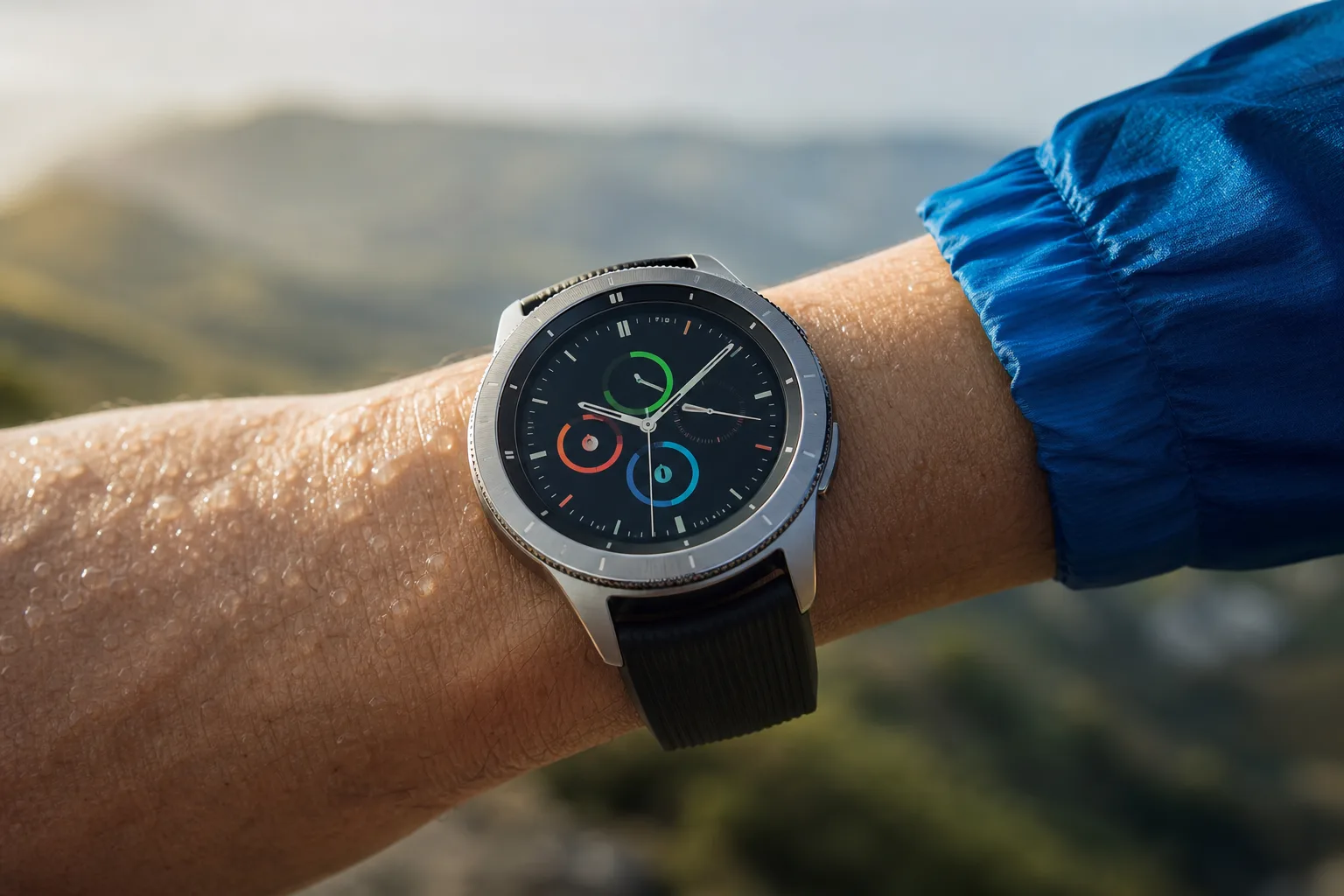
- Samsung says the Galaxy Watch 9 will use real-time AI health insights to turn passive tracking into more practical daily guidance.
- The Galaxy Watch 9 and likely Galaxy Watch Ultra 2 are expected to receive new internal hardware, stronger accuracy and longer battery life.
- Samsung will reveal its next watches at Galaxy Unpacked on July 22, though key details on sensors and battery capacity remain unknown.
- The pitch matters because health AI must earn trust through clear advice, dependable measurements and careful handling of sensitive data.
Table of Contents
Samsung wants Galaxy Watch 9 to interpret your health
Smartwatches have spent years collecting numbers most people barely understand. Resting heart rate. Sleep stages. Stress scores. The Galaxy Watch 9 is Samsung’s attempt to make those numbers feel less like a dashboard and more like useful advice — assuming the company can back up its AI-heavy pitch when it formally unveils the watch on July 22.
In a teaser published through its newsroom, Samsung calls the coming device a ‘new AI-powered health companion’ and frames it as part of a larger personalized AI strategy. The company hasn’t explicitly attached every claim to a named model, but the timing makes the target obvious: the Galaxy Watch 9 family and the expected Galaxy Watch Ultra 2 are due at the next Galaxy Unpacked event.
Samsung’s central argument is that a watch should do more than record what happened. It should interpret patterns as they emerge and help a wearer respond. That’s an attractive idea, frankly. A graph telling you that you slept poorly is not much help at 7 a.m.; a clear explanation of what may be affecting recovery, plus sensible next steps, is much closer to the product people thought they were buying all along.
Samsung says the Galaxy Watch 9 will deliver ‘intelligent, real-time health insights’ that help users understand and proactively manage their wellbeing. The wording is deliberate. It positions the watch as an always-available layer of analysis rather than a fitness accessory you open after a run.
The teaser clips point to heart-rate tracking, sleep-apnea monitoring, daily insights, a personalized health coach and a running-oriented activity watch face. None of that, individually, is unprecedented. Apple, Google’s Fitbit business and Garmin have all been pushing harder toward coaching and recovery guidance. The real question is whether Samsung can make those features coherent instead of dumping yet another pile of notifications onto a wrist already buzzing with Slack, texts and delivery alerts.
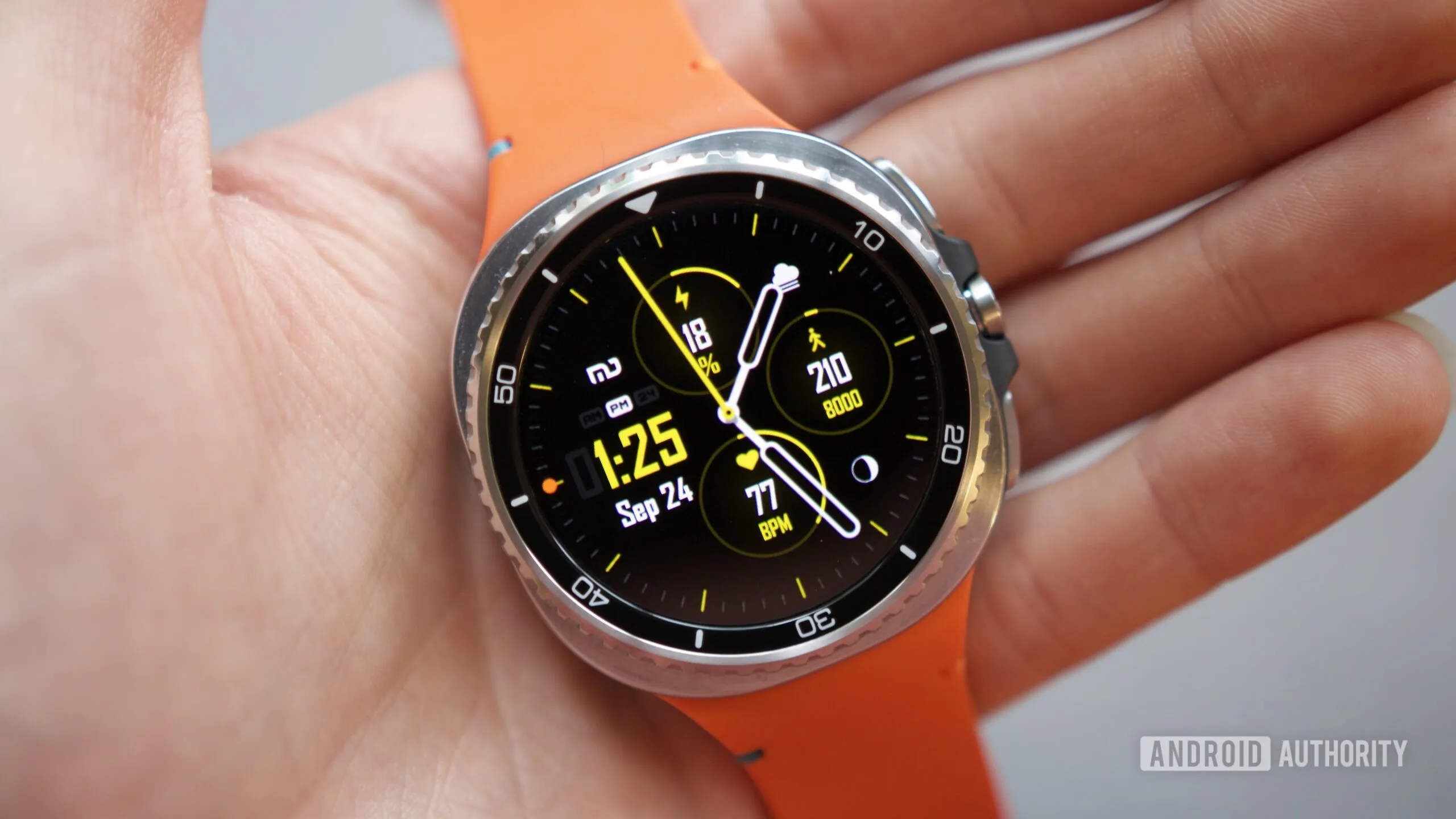
New hardware matters more than another AI label
The part of Samsung’s announcement that may actually matter is not the word AI. Every company has learned to put that on the box. It is the claim that the Galaxy Watch 9 uses ‘all-new internal components’ to improve health-tracking accuracy and battery life.
Those two promises are tightly linked. Better health data requires frequent, stable readings from optical sensors, motion sensors and software models that can separate a real bodily change from a loose strap or a bumpy train ride. Longer endurance means the watch can keep watching through nights, workouts and ordinary days without users taking it off to charge. And if a wearable is off the wrist, its health story has a rather obvious hole in it.
Samsung hasn’t disclosed the sensor package, chip, battery capacities or specific battery-life claims. That leaves plenty of room for skepticism. The Galaxy Watch 9 could bring genuinely upgraded sensing hardware, a more efficient processor, or simply a combination of modest component changes and software tuning. We’ll need the specifications — and, later, independent testing — before declaring any victory over the current Galaxy Watch generation.
Accuracy deserves special scrutiny because consumer wearables live in an awkward middle ground. They can reveal useful trends and flag potential concerns, but they are not a substitute for clinical diagnosis. Samsung’s existing sleep-apnea feature, for example, has regulatory clearance in select markets and is intended to identify signs of moderate to severe obstructive sleep apnea in adults, not diagnose every sleep problem. Readers should treat any AI-generated prompt in the same spirit: potentially useful signal, not a medical verdict.
That distinction may sound fussy, but it is the entire trust equation. The more a Galaxy Watch 9 advises people about their health, the more plainly Samsung needs to explain what data informed that advice, how confident the system is, and when a person should speak to an actual clinician.
Samsung faces Apple, Garmin and the fatigue of health scores
Samsung is hardly alone in chasing the wrist as the next health interface. Apple has built an enormous health platform around the Apple Watch, including heart rhythm notifications and its own sleep-apnea alerts. Garmin remains formidable among runners and endurance athletes because it turns long-term training data into recommendations people can actually act on. Google, meanwhile, has used Fitbit to push sleep and readiness-style metrics into the mainstream.
Samsung’s advantage is the breadth of the Galaxy ecosystem. A Galaxy Watch 9 can potentially combine wrist data with a Galaxy phone, Samsung Health, earbuds and the company’s broader Galaxy AI ambitions. That’s a compelling foundation for personalization, particularly for Android owners who don’t want to assemble their health setup from five separate apps.
But the ecosystem argument can cut both ways. Some Samsung health features have historically worked best, or only, with Samsung phones. If the company wants its new watch to be a serious competitor rather than a perk for existing Galaxy buyers, compatibility and feature availability need to be unusually clear. Consumers have become weary of discovering an advertised feature is unavailable because of their phone, region, account, age or subscription status.
There is also a privacy issue hovering over every ‘always-on’ health companion. Continuous heart, sleep and activity data are intimate records of someone’s life. Samsung points users to its health platform, but the company should use Unpacked to explain where the new AI processing occurs, how data is retained and what controls people have. Vague assurances won’t cut it when the product’s value depends on watching users so closely.
July 22 should bring the missing specifics
Samsung will reveal the Galaxy Watch 9 lineup at Galaxy Unpacked on July 22 at 9 a.m. Eastern, or 6 a.m. Pacific. Until then, the teaser is a mission statement rather than a complete product briefing. For Samsung’s broader announcements and event material, readers can follow the company’s official newsroom.
My read is that Samsung has identified the right problem. People do not need another device that congratulates them for standing up; they need health information that is credible, contextual and quiet when it should be quiet. If the Galaxy Watch 9 can deliver materially better sensors and advice that feels specific rather than generic, Samsung may have a stronger case than the teaser’s polished language suggests. If not, it will be another watch asking us to admire an AI score we cannot meaningfully challenge.