- More than 70% of nearly 6,000 respondents described their Pixel 10 Pro XL experience as excellent despite frequent online complaints.
- The Pixel 10 Pro XL survey still found roughly 29% of respondents reporting overheating, bugs, poor performance, or other problems.
- Online complaint threads can reveal real defects, but they cannot establish a phone’s overall failure rate without broader data.
- Google’s challenge is not only fixing software flaws but making Pixel reliability feel as dependable as its flagship rivals.
Table of Contents
Pixel 10 Pro XL complaints may be louder than the data
The Pixel 10 Pro XL has spent much of its early life carrying the familiar Pixel baggage: a steady stream of Reddit posts and forum threads alleging overheating, GPS failures, display oddities, battery drain, and audio glitches. Spend an evening reading those reports and you could reasonably conclude Google shipped a very expensive beta test. A new reader survey suggests that picture is incomplete.
Android Authority collected nearly 6,000 responses from people weighing in on the phone. Of those, 4,110 respondents — more than 70% — said their experience had been “excellent.” About 29% selected an option indicating they had encountered meaningful trouble, including overheating, bugs, or poor performance.
That is not a clean bill of health. But it is also very far from the narrative that the Pixel 10 Pro XL is broadly unreliable. My read is that both things can be true at once: Google has real quality-control and software-perception problems, while the online conversation has turned every defect report into evidence of a device-wide disaster.
Anyone who has watched Pixel discourse for a few product cycles will recognize the pattern. A bug appears, it gets amplified across social platforms, and soon the phone has a reputation that persists long after an update may have addressed the issue. Remember when every Pixel launch seemed to come with a fresh argument about heat? Some of that scrutiny is earned. Some of it is the internet doing what it does best: treating a cluster of anecdotes as a census.
A survey is useful, not a warranty report
The survey’s sample size gives it more weight than a handful of viral posts. Nearly 6,000 people is enough to tell us that plenty of owners are having a normal, satisfying time with the Pixel 10 Pro XL. It is not enough, however, to calculate a true defect rate or declare Google vindicated.
Reader polls are self-selecting by nature. People who feel strongly — pleased or furious — are more likely to answer. The survey also does not separate a minor one-off bug from a phone that repeatedly overheats or loses navigation during a drive. Those are radically different ownership experiences, yet both can land in the same broad “issues” bucket.
Still, the 29% figure deserves attention. If it roughly reflects the real customer experience, almost one in three users reporting some form of trouble is not a footnote for a flagship that costs premium-phone money. Apple and Samsung have their own launch-day bugs, obviously, but their customers generally expect expensive phones to behave like appliances: take it out of the box, sign in, and stop thinking about it. That is the standard Google is being judged against.
The Pixel 10 Pro XL is also caught in an awkward place. Pixel buyers often choose Google’s phones precisely because they want the cleanest Android experience and early access to the company’s newest software ideas. That makes the audience more tolerant of experimentation than the typical iPhone crowd. It also makes them particularly unforgiving when core basics — battery life, thermals, GPS, calls, audio — wobble.
Why Pixel problems travel so far online
Google’s hardware business has a reputation problem that cannot be solved by pointing to a positive poll. Pixel devices have accumulated years of stories about modem behavior, heat, fingerprint readers, battery longevity, and software regressions. Many individual complaints may be fixed, isolated, or overstated. Collectively, though, they have trained shoppers to look for the next failure.
That history changes how the Pixel 10 Pro XL is interpreted. A comparable issue on another phone may register as an annoying bug. On a Pixel, it can feel like confirmation of a long-running suspicion that Google is better at inventing features than polishing the machine carrying them. Frankly, that is a harsh assessment — and not always fair — but Google has done little to make it disappear.
There is a simpler reason bad reports dominate feeds: people do not post a triumphant message every morning saying their GPS worked. They post when navigation sends them in circles or when a phone becomes hot enough to make them nervous. Failure is inherently more shareable than competence. That does not mean frustrated owners are wrong; it means complaint volume cannot tell us prevalence by itself.
Google wants Pixel to be its clearest expression of Android, backed by regular software and security support through its official Pixel phone lineup. That promise makes reliability more consequential than it might be for a smaller Android brand. Pixels are not merely another handset range. They are the reference point Google wants consumers to associate with Android.
The Pixel accessory push adds another reminder that Google wants buyers to see these phones as durable everyday companions, not science projects. A magnetic case and accessory system may sound like a small thing, but it signals an attempt to make the phone feel settled into a wider ecosystem — the kind of boringly dependable convenience Apple has sold for years.
The real test is whether Google narrows the unhappy minority
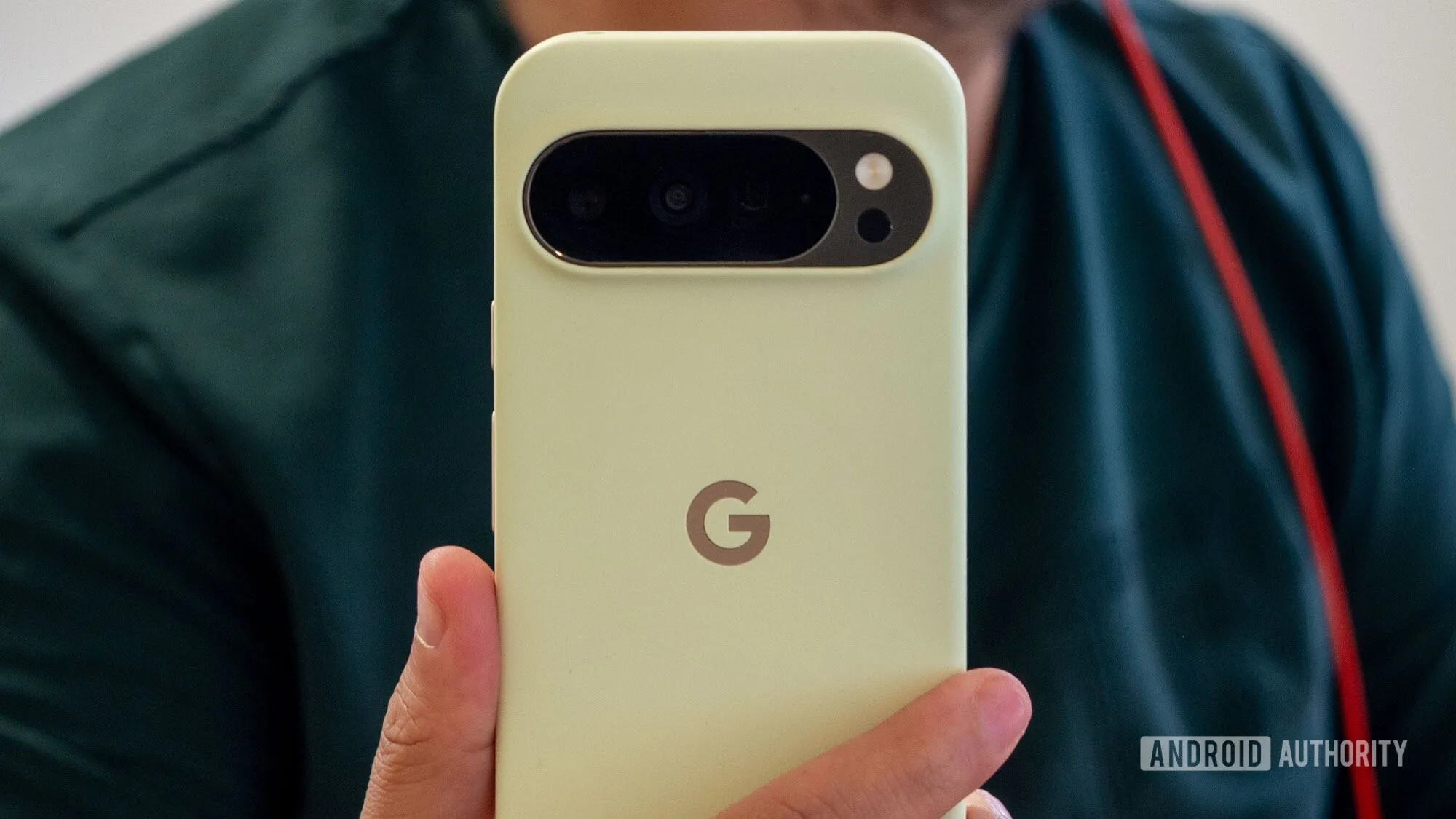
The useful takeaway is simple: most surveyed owners appear happy with the Pixel 10 Pro XL. That matters, particularly when the loudest corners of the web paint a much grimmer picture. Android Authority’s Stephen Radochia, who has used the phone over a longer period, put it neatly: “There’s always background noise with Pixels, but most of it is overblown.”
I would add one caveat. “Overblown” is not the same as “imaginary.” A user whose phone has unreliable GPS or persistent heat issues does not care that seven other people had excellent experiences. For that person, the premium-phone promise has already failed. Google needs to treat those reports as a product problem even if they do not represent the median owner.
The next round of evidence should include software version data, regional breakdowns, carrier differences, return rates, and confirmation of whether reported faults fade after updates. Google is more capable than most companies of fixing software-side trouble quickly, but it has to communicate those fixes with more precision. Vague assurances do not beat a two-minute video of a malfunctioning phone.
For now, the Pixel 10 Pro XL looks less like a lemon and more like a flagship burdened by old reputational debt. If Google can keep the majority happy while shrinking that stubborn minority of bad experiences, the next Pixel launch may finally be judged on what the phone does well rather than on the bugs people expect it to have.