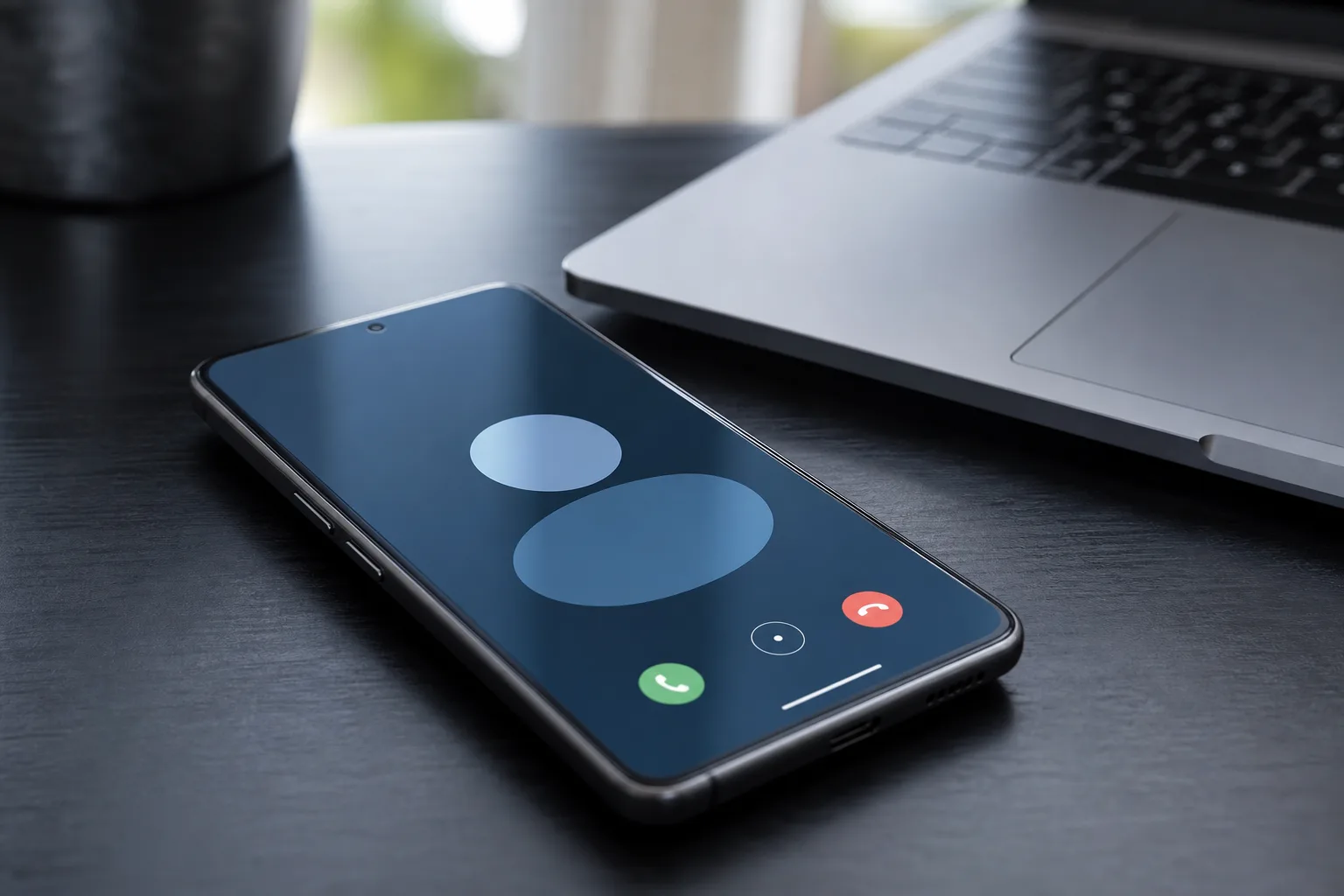
- Google’s Phone app beta includes Formosan, a codename widely linked to the Pixel 11a and its early development.
- The Pixel 11a reference sits alongside four codenames believed to represent Google’s flagship Pixel 11 family.
- Google’s spring A-series cadence points to a likely March 2027 launch window, assuming the company maintains its current schedule.
- The leak reveals no hardware details, but it suggests Google is preparing software support well before the budget phone’s expected debut.
Table of Contents
Google’s software has named the Pixel 11a before Google has
Google has a familiar leak problem: its own apps keep leaving crumbs behind. This time, the Pixel 11a appears to have turned up in a beta build of the Google Phone app, not through a supply-chain rumor or a blurry retail listing. The clue is a device codename, “formosan,” included among names associated with Google’s next flagship phones.
That may sound like inside-baseball stuff, and mostly it is. But internal names are how major Android apps identify hardware for device-specific features, testing, and compatibility work. When one appears in a first-party Google app, it is generally more meaningful than an unverified post from a leaker with a cartoon avatar. Not absolute proof, mind you. Companies rename, cancel, and reshuffle products all the time. Still, this is about as close as an early hardware rumor gets to finding a Google-shaped fingerprint.
The Phone app build reportedly lists five names: cubs, grizzly, kodiak, yogi, and formosan. The first four have previously been connected to the standard Pixel 11, Pixel 11 Pro, Pixel 11 Pro XL, and Pixel 11 Pro Fold. That leaves formosan as the odd name out — and the strongest evidence yet that Google’s cheaper model is already on the roadmap.
Why the Pixel 11a codename matters
On its own, “formosan” is not a specification sheet. It tells us nothing reliable about the camera hardware, display refresh rate, battery capacity, or processor inside the Pixel 11a. Anyone claiming otherwise is reading tea leaves with a hex editor. What it does establish is that Google’s software teams appear to be accounting for another Pixel device alongside the premium 2026 lineup.
That matters because the A-series is no longer an afterthought. Google used to treat its affordable Pixel as a delayed remix of the flagship: familiar camera tricks, a slower chip, and a launch that could feel disconnected from the main product cycle. But the Pixel 9a and Pixel 10a have made the formula more deliberate. The A-series is now Google’s practical recommendation for people who want the company’s camera processing, clean Android experience, and long software support without paying flagship prices.
Google’s current A-series phone is positioned around features normally reserved for pricier devices. Its Pixel 10a product page is part of the value pitch Google now uses to answer Samsung’s Galaxy A phones and Apple’s entry-level iPhone strategy.
My read is that the Pixel 11a will matter less for any flashy new trick than for whether Google can keep that value proposition intact while component costs rise. The company has spent years proving it can make a good computational camera. The harder task is making the affordable model feel like a sensible purchase after the flagship Pixels inevitably get new Tensor silicon and a fresh batch of exclusive AI features.

A March 2027 launch looks like the sensible bet
Google launched the Pixel 10a in March 2026, continuing the spring schedule it adopted for recent A-series releases. If that rhythm holds, the Pixel 11a should arrive around March 2027, several months after the Pixel 11 family is expected to be introduced in August 2026.
That timing gives Google a useful second act. The flagship phones get their moment first, then the company can restart the conversation with a lower-priced device before Samsung’s next Galaxy A cycle and Apple’s usual autumn iPhone barrage. It also gives Google time to bring some headline software features downmarket without immediately cannibalizing the Pro models.
Google’s hardware calendars have never been sacred. Remember when the company moved its flagship Pixel launch from October to August? A March 2027 window is an informed projection, not a date on a Google invitation. The appearance of a Pixel 11a codename only says development is underway; it does not lock in production timing or retail availability.
The bigger question is what Google leaves out
The Google Phone app discovery offers no hints about a Tensor G6 variant, camera sensors, charging speed, or design. Those are the details that will determine whether the Pixel 11a lands as a genuine bargain or another phone that is good on paper but compromised in irritating daily ways. A middling modem, slow charging, or limited storage can spoil a phone faster than a clever photo-editing feature can save it.
Google also faces a growing software differentiation problem. Its best Pixel features increasingly depend on cloud-connected AI services, and those can be spread across models through updates. The company will need to decide what premium buyers are actually paying for beyond larger screens and better cameras. Keeping the Pixel 11a competitive without making the Pixel 11 look excessive is a delicate bit of product planning.
For now, formosan is a signpost from inside Google’s codebase. It points to a reality that should interest anyone shopping for a phone next year: Google is already preparing another attempt to make its Pixel experience affordable. If the company can pair that software polish with fewer familiar hardware trade-offs, the budget phone may be the most consequential Pixel of 2027.