- AI smartphone advice split the decision: ChatGPT favored the Pixel 10, while Claude backed Apple’s iPhone 17.
- The AI smartphone advice test showed why follow-up questions matter: Gemini changed its recommendation after its assumptions were challenged.
- All three models prioritized price, cameras, software support, and everyday reliability over ultra-premium specifications.
- Language models can narrow a phone shortlist, but they still cannot reliably account for carrier deals, regional availability, or personal habits.
Table of Contents
AI smartphone advice has a credibility problem
Ask three major chatbots to name the best phone for regular people and you might expect the usual fog of hedging. Instead, this experiment with AI smartphone advice landed on a fairly sensible shortlist: Google’s Pixel 10, Apple’s iPhone 17, Samsung’s Galaxy S26, and, in one particularly interesting detour, the OnePlus 15.
That’s more useful than it sounds. Smartphone coverage has spent years treating the biggest camera bump and highest benchmark score as if they were obvious consumer priorities. They’re not. Most people want a phone that takes a good photo of a kid who refuses to stand still, lasts through a long day, gets security patches, and doesn’t turn a cracked-screen repair into a minor financial crisis.
ChatGPT, Claude, and Gemini were each asked to weigh price, performance, software longevity, typical use, reviews, and general customer sentiment without relying on the questioner’s personal preferences. The answers weren’t identical, and Gemini needed correcting after initially reaching back to last year’s hardware. But the broad direction was strikingly grounded.
My read is that this says less about chatbots becoming brilliant product testers than it does about the smartphone market becoming easier to read. Flagship phones have converged. The real decision is increasingly about trade-offs: ecosystem lock-in, price, support policies, camera processing, and whether you genuinely need the large-screen Ultra version the industry desperately wants to sell you.
ChatGPT’s Pixel 10 choice was the practical one
ChatGPT selected the standard Pixel 10 as its best all-round choice, pointing to its camera, software experience, update support, battery life, and lower price relative to top-end flagships. Frankly, that’s a better answer than many elaborate buying guides manage to produce.
The key detail is the word standard. The Pixel 10 is not positioned as the photographic maximalist’s dream machine. It doesn’t need to be. Google’s appeal has long been computational photography that makes difficult shots look good with minimal effort. For a buyer who wants dependable pictures without learning manual controls or comparing focal lengths, that can matter more than an extreme zoom lens used twice a year at a concert.
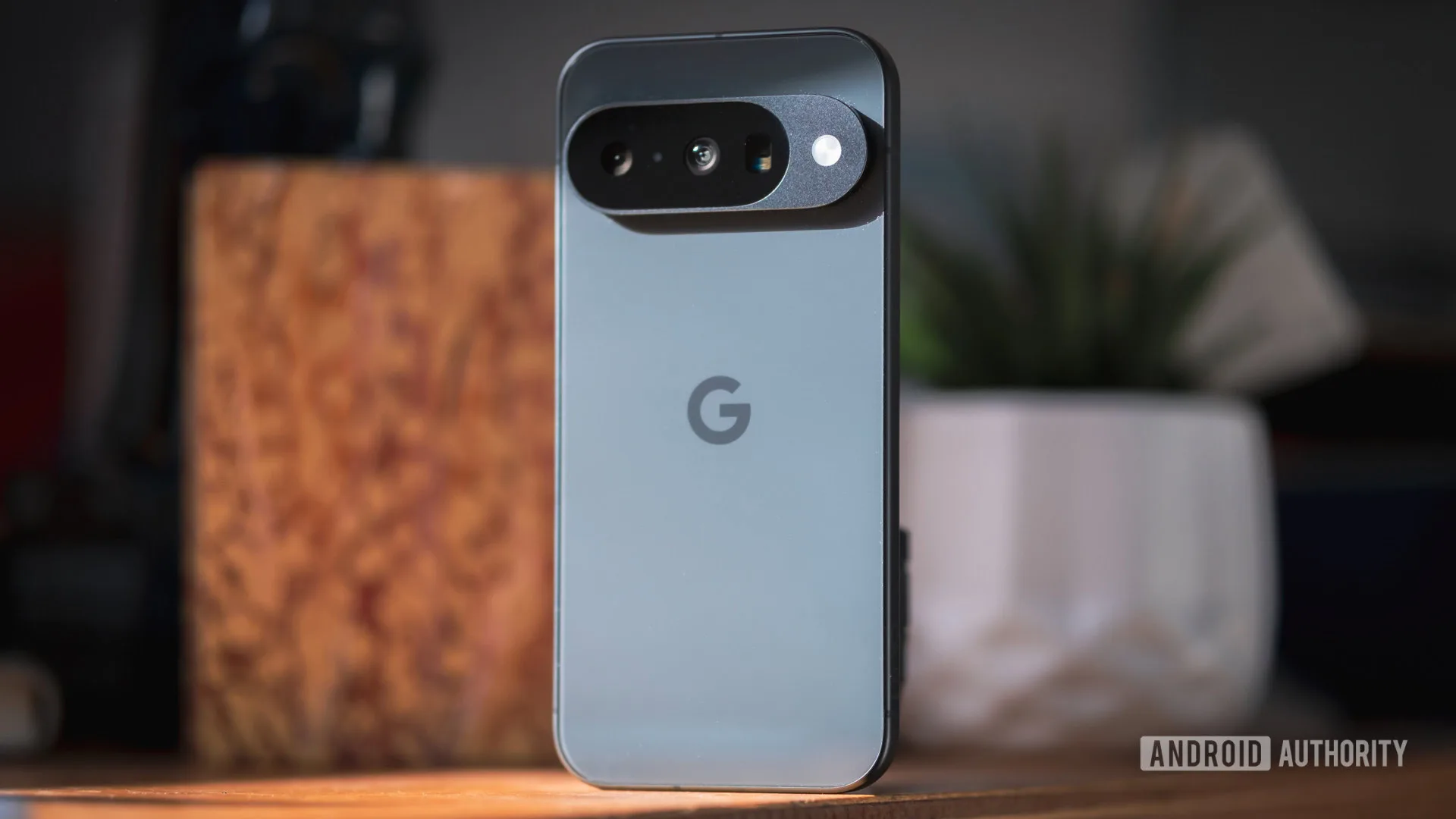
There is also a cost argument that tends to get buried beneath launch-day excitement. A consumer can save serious money by buying a well-equipped base flagship instead of a Pro XL or Ultra model, then keep it for another year or two. Google offers prolonged support; its Pixel update policy is a meaningful selling point, not a footnote. In a world of expensive phones, that changes the maths.
This is where AI smartphone advice can be genuinely helpful: it can push buyers away from spec-sheet anxiety. No, most people do not need a giant display, a periscope camera, or the fastest possible chip. They need fewer compromises at a price they can live with. Good AI smartphone advice should make that distinction clear.
Claude picked the safe answer, and that has value
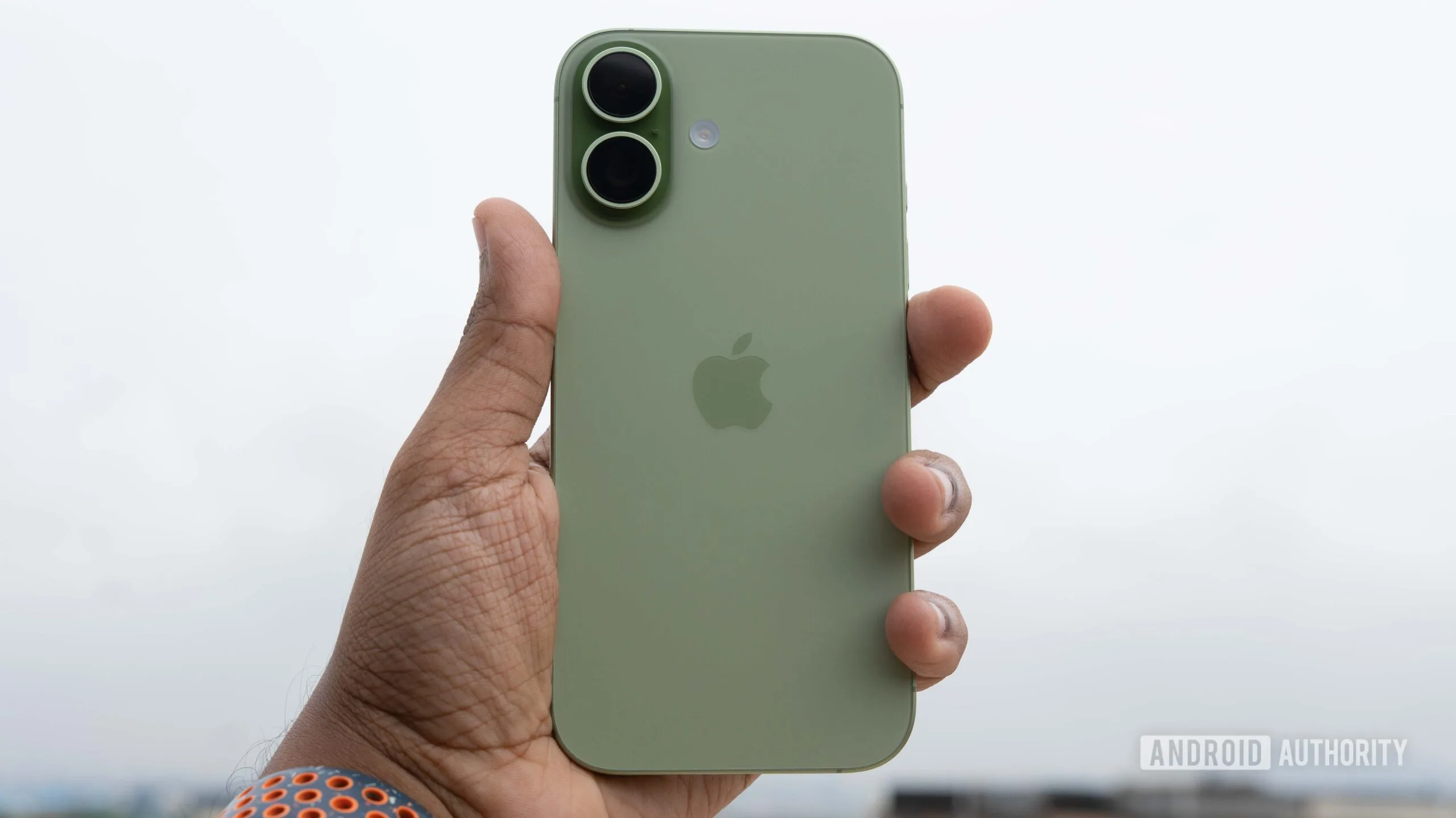
Claude went for the standard iPhone 17. It’s the conservative recommendation, sure, but not a lazy one. Apple’s base iPhone generally offers a long support runway, consistently strong performance, a polished app ecosystem, and the social advantage of iMessage and FaceTime in markets where those services still shape purchase decisions far more than enthusiasts like to admit.
Claude reportedly leaned heavily on published reviews, which is both a strength and a weakness. A model that can reflect a broad critical consensus may be useful. A model that mostly rearranges the conclusions of existing reviews, without testing the premises, is not doing independent consumer advocacy. It’s a polished index.
Still, Claude deserves some credit for naming the OnePlus 15 as an alternative. OnePlus has had a messy relationship with the US market, and availability matters enormously, but its old formula remains compelling: high-end hardware at a price that undercuts Samsung and Apple. That is exactly the kind of option mainstream recommendation engines tend to miss, because popularity and availability can overpower value.
For buyers already living inside Apple’s ecosystem, Claude’s iPhone 17 pick may be right. Switching platforms is not like changing breakfast cereal. There are photo libraries, watches, messaging groups, paid apps, chargers, and family sharing plans attached to the decision. The best phone on paper can be the wrong phone in your life.
Gemini’s wobble reveals the limit of AI smartphone advice
Gemini was the revealing one. Its first response reportedly included older devices, then updated its answer after being reminded that the calendar had moved on. That’s a red flag, particularly when AI smartphone advice is being used for a costly purchase.
After additional prompting, Gemini moved from the iPhone 17 to the Pixel 10, arguing that longer support and lower long-term costs made Google’s phone the better overall buy. It also raised the Pixel 10a as the sensible budget option, with the blunt observation that web browsing, messaging, social feeds, and video calls make up the bulk of most people’s phone use.
Exactly. The $500-ish phone is often the adult answer. Not every buyer needs to spend four figures to scroll Instagram and use Maps. But Gemini only arrived at that clearer framing after being challenged, which illustrates a central flaw: models can sound decisive before they have done enough verification. Confidence is cheap in a chatbot window.
Use the chatbot as a shortlist tool, not a cashier
The sensible way to use AI smartphone advice is not to ask, “What phone should I buy?” and immediately click checkout. Ask it to build a shortlist based on a budget and country. Ask what you give up by choosing a Pixel 10 over an iPhone 17. Ask whether your carrier supports every feature. Then verify its claims against manufacturer support pages and current pricing.
Push back, too. If the model says a phone is best because of its camera, ask which lens, which conditions, and compared with what. If it says software support is excellent, ask for the exact end date. If it recommends a OnePlus model, ask whether it is officially sold where you live. This is less like consulting an oracle and more like working with an eager intern who reads very quickly but occasionally confuses last year’s spreadsheet with this year’s. That is the discipline AI smartphone advice requires.
This test leaves a modestly encouraging picture. AI smartphone advice can identify the values that actually matter: reasonable price, reliable software, good everyday cameras, and a phone you can keep. But the chatbot’s recommendation is only as current as its data and only as good as the questions you ask. The harder test is whether these systems can handle the ugly, real-world details of buying a phone, rather than merely naming the ones we already know.
Frequently Asked Questions
Can AI smartphone advice replace professional phone reviews?
The source suggests AI can produce useful recommendations, but the process was not as clean as hoped and the models did not always agree. The author also notes that buying advice involves people’s money, so the results should be considered carefully.
Why did ChatGPT, Claude, and Gemini recommend different phones?
Each model appears to weigh the same broad criteria differently. ChatGPT emphasized overall value and practical camera performance with the Pixel 10, Claude chose the iPhone 17 for its lower price, software support, and performance, and Gemini shifted after being asked to reassess hype and long-term value.
Does longer software support make a phone a better value?
It can be a factor. Gemini cited extended cost benefits from longer software support when it changed its recommendation to the Pixel 10.