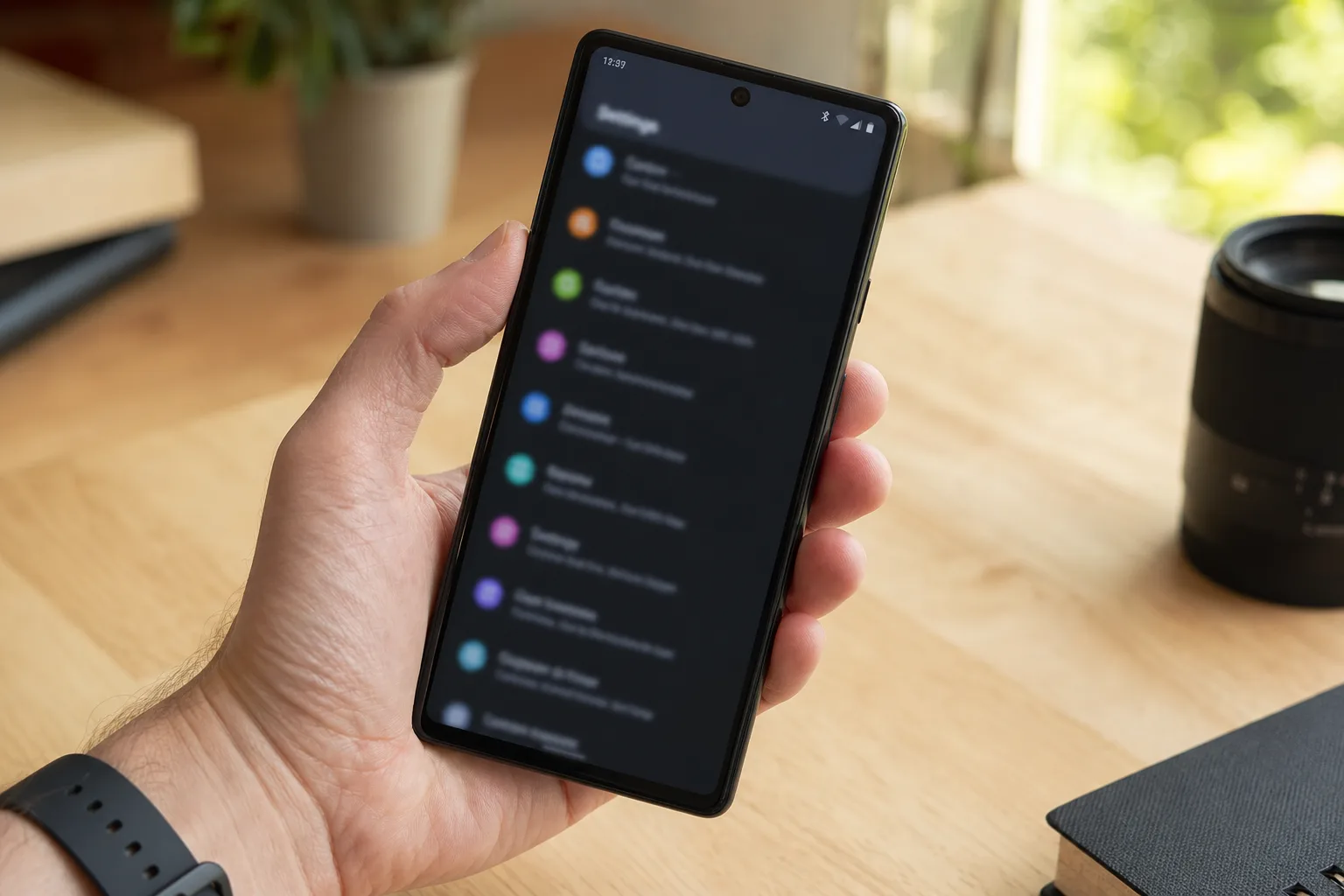
- Pixel 6 updates will not include Android 17 QPR2, marking the first clear sign that Google’s 2021 flagships are approaching retirement.
- The final scheduled Pixel 6 updates should include the September 2026 Feature Drop before Google’s five-year operating system commitment expires.
- Pixel 6a owners have more runway, with the midrange handset expected to remain eligible for Android 18 before its 2027 deadline.
- Google’s seven-year promise for Pixel 8 and newer models makes the shorter Pixel 6 lifecycle look increasingly dated.
Table of Contents
Pixel 6 updates are entering their final stretch
The Pixel 6 was the phone that made Google’s hardware ambitions feel serious again. Its camera bar was distinctive, its Tensor processor marked a break from Qualcomm dependence, and its software promise looked respectable in 2021. Now, Pixel 6 updates are beginning to run out of road: Google’s Android 17 QPR2 Beta 1 does not support either the Pixel 6 or Pixel 6 Pro.
That beta exclusion matters because it is a timetable, not merely a missing download button. Android 17 QPR2 is expected to become Google’s late-2026 quarterly release, after the Pixel 6 family reaches the five-year mark from its October 2021 launch. The phones should still receive Android 17 QPR1, better known as the September Feature Drop. But QPR2 appears to be where the line is drawn.
For people still carrying one of these devices, the practical message is less dramatic than the headlines might imply. Your phone will not turn into a pumpkin on beta day. It will keep working, and it has a final major quarterly update ahead. Those remaining Pixel 6 updates should still provide a useful last chapter for Google’s first-generation Tensor flagships.
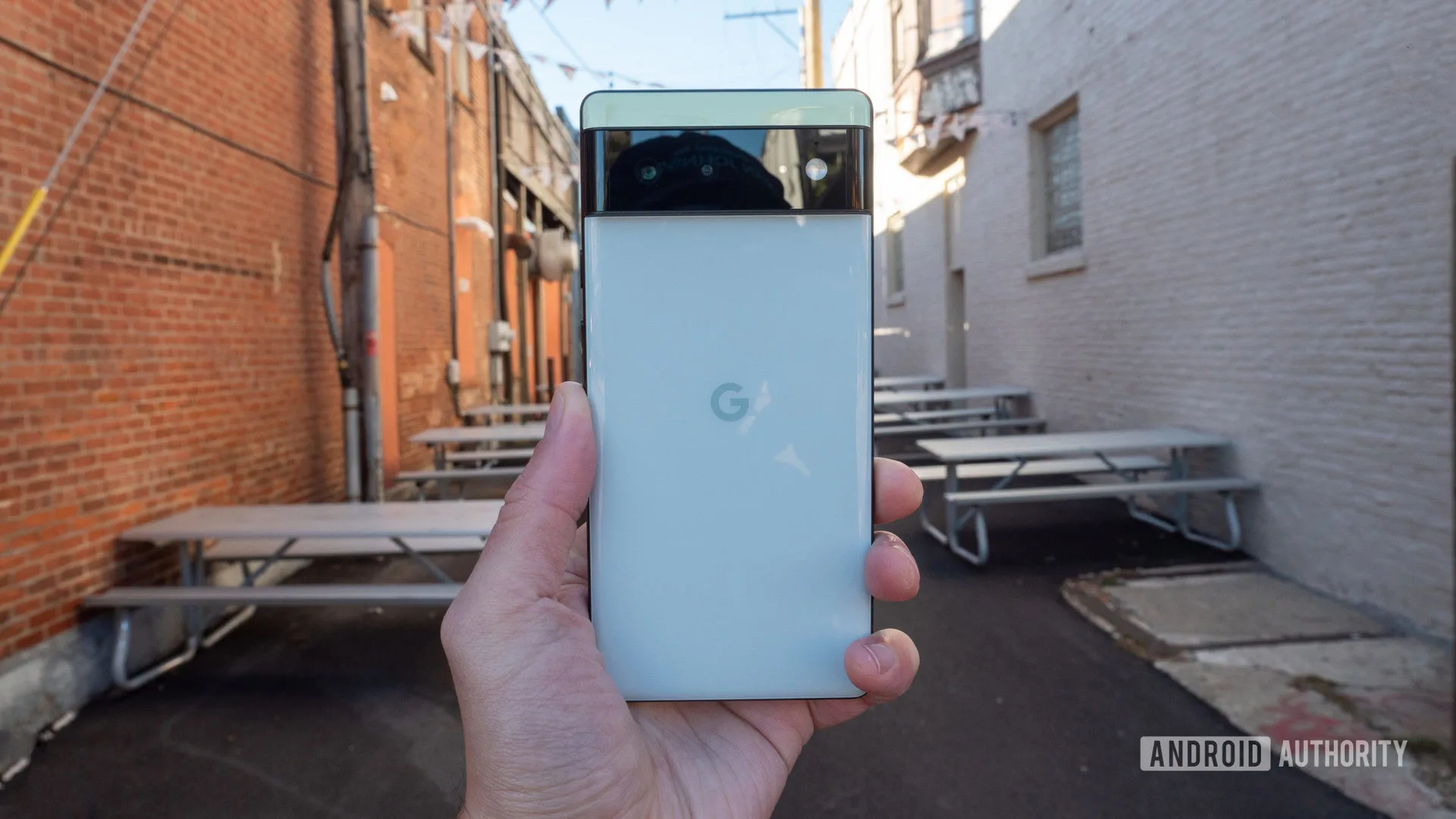
Google originally promised the Pixel 6 series three years of Android version updates. That would have left it behind on Android 15. After introducing a seven-year support policy with the Pixel 8 line, the company extended the Pixel 6 and Pixel 7 families to five years. It was a welcome correction, frankly, but it also made this moment inevitable rather than surprising.
Why the Android 17 beta list matters
Beta support lists are one of the cleanest ways to see a device reach its software sunset. Google has not made a theatrical announcement declaring the Pixel 6 obsolete; companies almost never do. Instead, the Pixel 6 and Pixel 6 Pro simply disappeared from the Android 17 QPR2 Beta 1 eligibility list. That is the modern version of finding your favorite restaurant has removed its best dish from the menu.
The last comparable milestone came in September 2023, when the Pixel 5 was excluded from the Android 14 QPR1 beta. Google’s current Android beta program has long been unusually generous to older Pixels, which can make a removal feel abrupt even when the date has been printed in the fine print for years.
Pixel 6 updates also tell a larger story about how much Google’s strategy changed in one product generation. The Pixel 6 arrived with three platform upgrades, a policy that was competitive enough at the time but hardly visionary. The Pixel 8 arrived with Google’s seven-year update commitment, putting Android’s most visible hardware maker closer to Apple’s long-standing habit of supporting iPhones for years.
My read is that the Pixel 6 extension was as much reputational housekeeping as customer generosity. Google wanted buyers to trust that Pixels would not be abandoned after a couple of autumns. Giving existing owners extra time was the right move. Still, five years now feels like the old compromise when a Pixel 8 buyer can reasonably expect support until October 2030.
The Pixel 6 was a messy but important phone
There is a reason this cutoff will land harder than an ordinary support notice. The Pixel 6 series was messy in the way consequential products often are. Its fingerprint sensor drew early complaints, modem and connectivity issues frustrated some owners, and the first Tensor chip did not always match Snapdragon rivals on raw efficiency. Yet Google also delivered a genuinely great camera system, useful speech features, and a visual identity that later Pixels have largely retained.
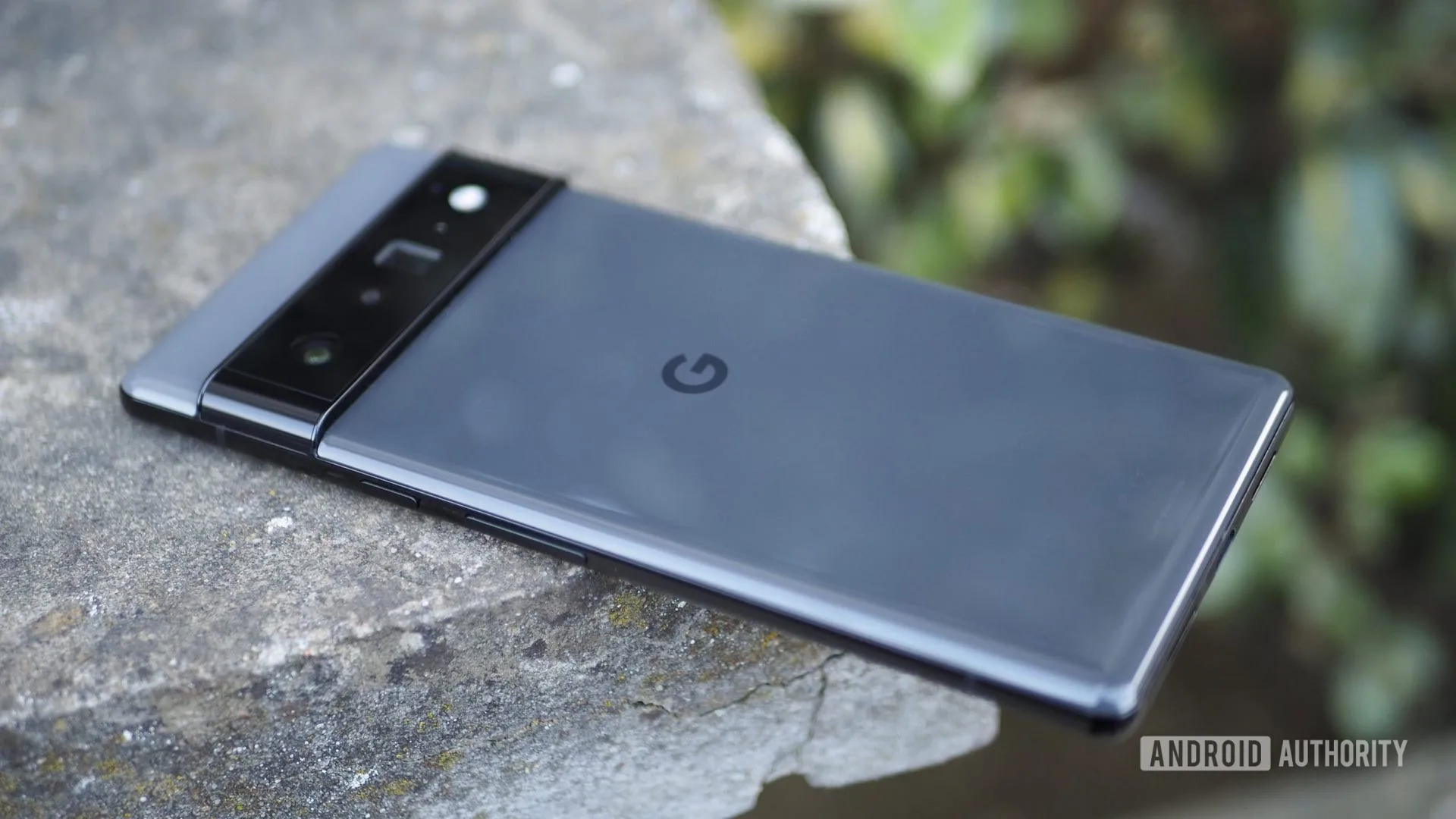
The Pixel 6 Pro, in particular, was Google’s first credible attempt at a no-apologies premium flagship. It had a telephoto camera and a price that put it directly against Samsung and Apple rather than below them. The standard Pixel 6 brought much of that character down to a more approachable price. These are not forgotten budget phones; plenty remain in daily use.
That makes the end of Pixel 6 updates a useful reminder that software support is part of a phone’s purchase price, not a bonus feature tucked into a marketing table. A handset can have a perfectly usable screen, battery and camera five years later. Without current operating-system support, though, its value steadily changes. Security patches, app compatibility and new platform features eventually become the difference between a phone that is merely old and one that is becoming inconvenient.
The Pixel support cliff is about to get crowded
The Pixel 6a remains on a different schedule. Launched in July 2022, it should stay eligible through the next Android cycle and is expected to receive Android 18 before its own five-year window closes in 2027. That gives owners a meaningful advantage, even if the underlying Tensor generation is similar.
After that, Google faces a short procession of departures: the Pixel 7, Pixel 7 Pro, Pixel 7a and original Pixel Fold all sit under the five-year policy. The company will be trimming older hardware from beta lists fairly regularly for the next few years. Watching Pixel 6 updates wind down makes that approaching pattern easier to see. Then comes the break. Pixel 8 models and their successors are governed by the seven-year promise, and that means a much longer quiet period before another flagship family ages out.
The payoff for buyers is straightforward: longer support reduces the pressure to replace a device that is otherwise fine, and it gives refurbished Pixels a more credible second life. Samsung has moved toward seven years of support for its recent Galaxy flagships too, so Google is no longer setting the pace alone. It is, however, helping make short software lifespans look increasingly indefensible.
What Pixel 6 owners should do now
There is no urgent reason to replace a Pixel 6 or Pixel 6 Pro solely because Android 17 QPR2 will pass it by. Install the remaining official Pixel 6 updates, keep an eye on battery health, and do not confuse the end of beta eligibility with immediate danger. The September Feature Drop should still be a worthwhile final chapter.
But if you have been waiting for a clean signal before planning an upgrade, this is it. The Pixel 6 was the beginning of Google’s Tensor era; its retirement from new Android releases is the first meaningful endpoint of that experiment. The final Pixel 6 updates underline how quickly Google’s support ambitions have changed. Google has learned how to promise longevity. The more interesting question is whether it can make future Pixels reliable enough that people actually want to keep them for all seven years.