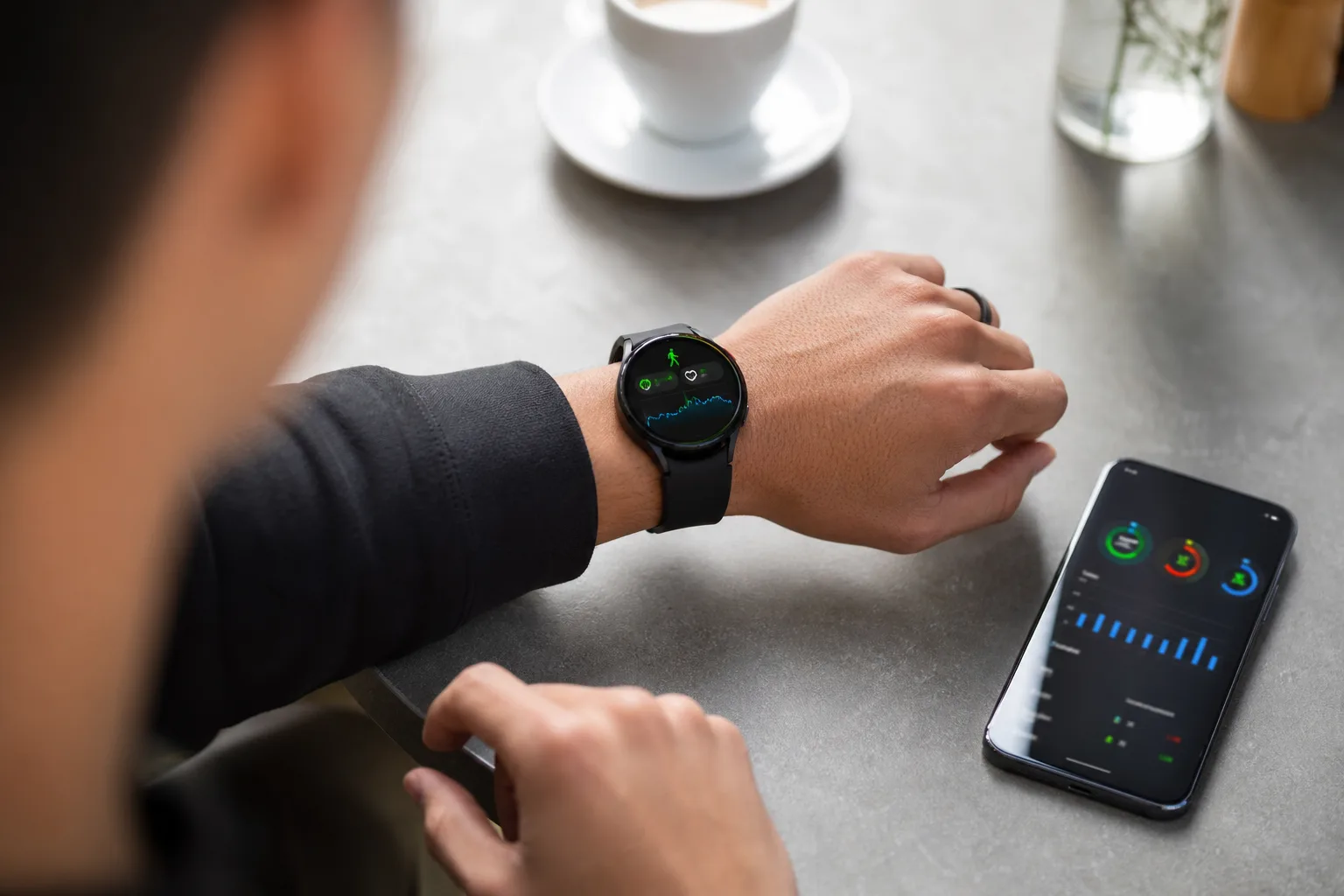
Smartwatches have long been treated like disposable sidekicks: useful for a couple of years, then quietly abandoned when the next phone and watch arrive. Samsung is making a credible attempt to change that with the Galaxy Watch 9, promising five years of Wear OS upgrades and security patches for its newest wearable.
- Galaxy Watch 9 will receive five years of major Wear OS upgrades and security patches under Samsung’s expanded support policy.
- Galaxy Watch 9 support outlasts Google’s three-year Pixel Watch commitment, creating a notable gap between Wear OS partners.
- Samsung says the policy also applies to the $699 Galaxy Watch Ultra 2, which carries an 800mAh battery.
- Longer smartwatch support matters most for buyers who keep a wearable through multiple phone upgrades and battery aging cycles.
Table of Contents
Galaxy Watch 9 support finally catches up with phone expectations
Samsung has confirmed that the Galaxy Watch 9 and Galaxy Watch Ultra 2 are covered for five years of software support. That means both major Wear OS releases and security updates, rather than a vague assurance that the watches will remain supported for a while. The company’s earlier smartwatch policy offered four years, so this is a one-year extension, but it matters more than that small number suggests.
Wearables have become central repositories for health history, payment credentials, notification access and, in some cases, cellular connectivity. A watch that sits on your wrist all day deserves a clearer support runway than the category has traditionally received. If an Android phone can reasonably be expected to last five to seven years, why should the computer tracking your sleep and heart rate be treated as a two- or three-year purchase?
The Galaxy Watch 9 ships with Wear OS 7, putting Samsung among the first manufacturers to launch hardware on the newest version of Google’s wearable platform. Samsung told SamMobile that its five-year commitment covers five years of full platform upgrades as well as five years of security maintenance. That wording is unusually useful. Companies often announce a support period without spelling out whether it includes operating-system upgrades, patches, or merely the occasional bug fix.
There is one practical caveat: a promise of five years is only as good as the cadence. Samsung will need to deliver new Wear OS releases close enough to Google’s own schedule that owners do not spend months watching newer features land elsewhere. But on the policy itself, the Galaxy Watch 9 now has one of the clearest commitments in the Wear OS market.
Samsung has put Google’s Pixel Watch policy in an awkward light
The comparison that jumps out is Google. Pixel Watch devices receive three years of software updates, a figure that now looks conservative beside Samsung’s five. Google controls Wear OS and sets much of the platform’s direction, yet Samsung is offering customers a longer ownership window on the software Google builds. That’s a slightly odd state of affairs.
Google may have reasons for its shorter promise. Wearable batteries degrade, hardware constraints can become more visible on a tiny screen, and testing new health features across old sensors is not trivial. Still, buyers do not experience those operational complications; they experience a watch that either keeps receiving features and patches or does not. The Galaxy Watch 9 makes the difference easy to understand at the checkout page.
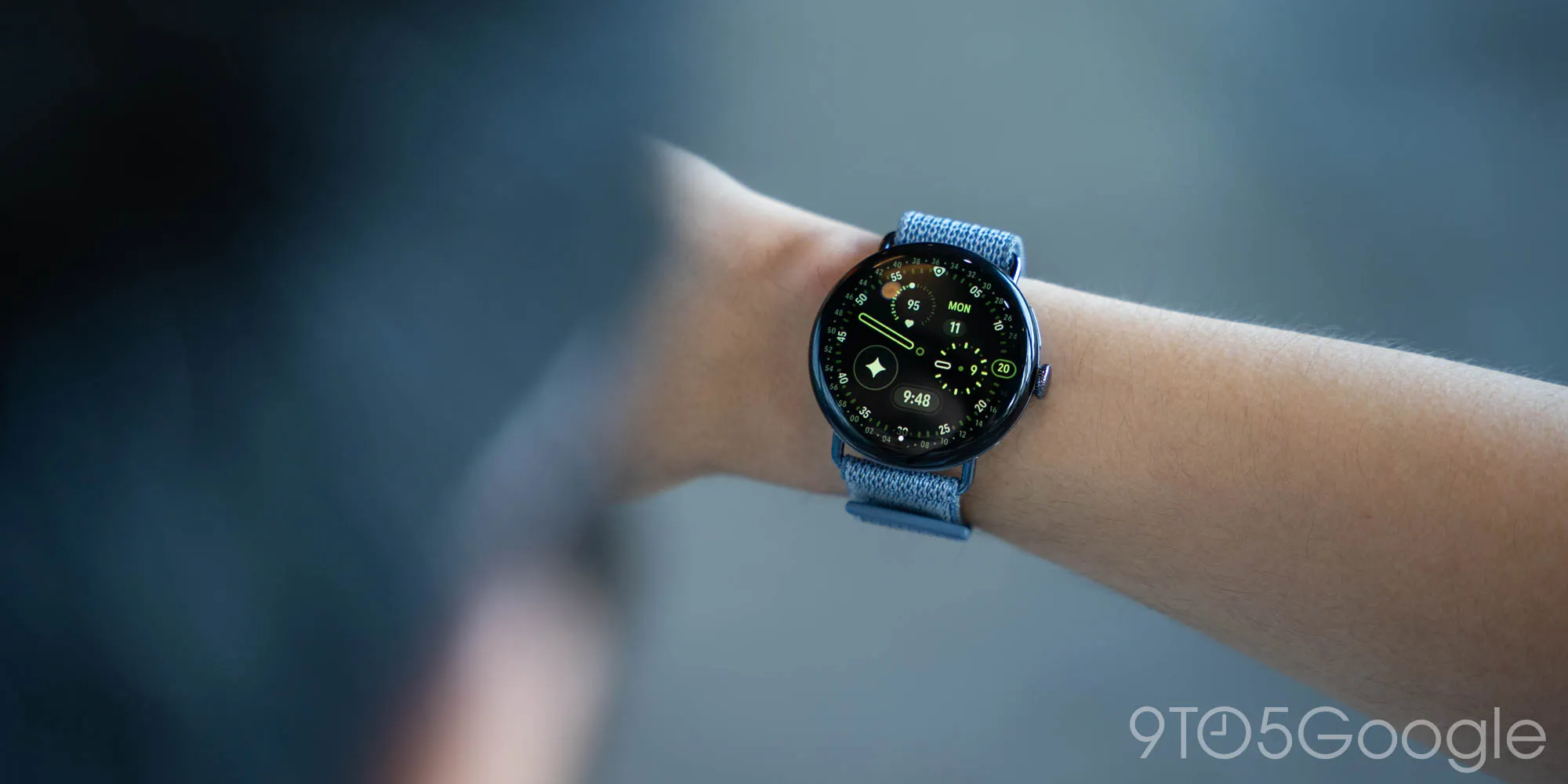
It also raises the pressure on other Wear OS brands. OnePlus, Mobvoi and smaller watchmakers have generally competed on hardware design, battery claims or price, not long-term maintenance. That playbook is getting harder to defend. Samsung’s policy gives a buyer a sensible reason to choose its watch even if they are not chasing the latest health metric or a rotating bezel.
Apple, naturally, does not publish a simple fixed-length update pledge for Apple Watch in the same way. But its history of keeping older models in the software mix has helped establish an expectation that premium watches should not be short-lived gadgets. Samsung is moving closer to that expectation with the Galaxy Watch 9, and frankly it is overdue.
The hardware may actually make it to year five
A longer update policy can be little more than marketing if the hardware runs out of breath halfway through it. Samsung’s latest pair at least appears better positioned than many older smartwatches. The standard Galaxy Watch 9 starts at $379, while the Galaxy Watch Ultra 2 starts at $699 and includes a notably large 800mAh battery.
Battery capacity is especially relevant here. Software support does not stop lithium-ion cells from aging, and watches are tougher to keep healthy than phones because they tend to be charged constantly. The Ultra 2’s larger cell may give it more room to absorb that decline. For a five-year ownership plan, that could be more meaningful than a handful of new watch faces.
Samsung has also been pushing trade-ins, with values reaching up to $250 for eligible buyers moving into the Galaxy Watch 9 or Ultra 2. Trade-in offers are never as generous as their headline makes them sound for every device, but they show Samsung understands the replacement cycle remains a powerful sales tool. The company is effectively saying two things at once: keep this watch longer, or bring us your old one when you do not.
For shoppers, the practical question is less about whether they will personally own a watch for five full years. Many will not. It is whether they want the option. A stronger support policy protects resale value, makes handing the watch down less questionable, and reduces the risk that a perfectly functional device becomes a security liability because its maker has moved on.
Five years helps, but it is not the whole job
Buyers should not confuse the Galaxy Watch 9’s promise with a guarantee that every feature introduced over the next five years will arrive on every model. New health sensors, on-device AI functions and battery-hungry experiences can remain exclusive to newer hardware. That is normal, and Samsung will almost certainly use new capabilities to sell future watches.
Still, the baseline has shifted. The Galaxy Watch 9 is now asking consumers to think of a smartwatch more like a long-lived personal device and less like a seasonal accessory. Google, in particular, should be paying attention. If the platform owner cannot match the longest update commitment offered by its most important hardware partner, customers may start asking who is really setting the standard for Wear OS.