

- The Galaxy Z Fold 8 battery is rated for 1,200 charging cycles before capacity falls to 80 percent.
- Samsung’s Galaxy Z Fold 8 battery longevity trails the 2,000-cycle rating attached to the previous Fold 7 generation.
- Silicon-carbon cells can fit more capacity into thin hardware, but they generally create tougher long-term durability trade-offs.
- The Z Flip 8 receives no capacity increase, making its lower cycle rating particularly difficult to dismiss.
Table of Contents
Galaxy Z Fold 8 battery life takes a step backward
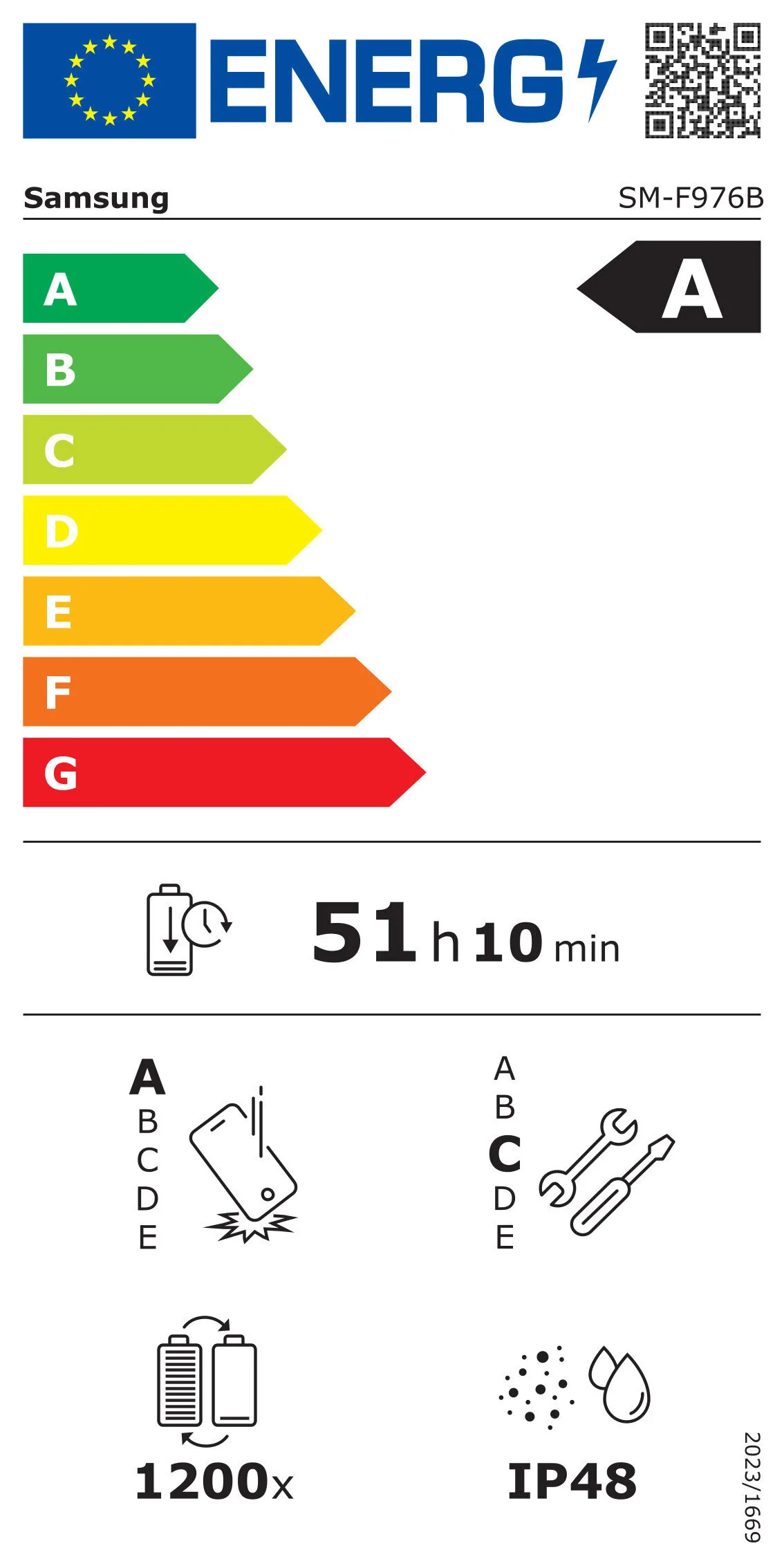
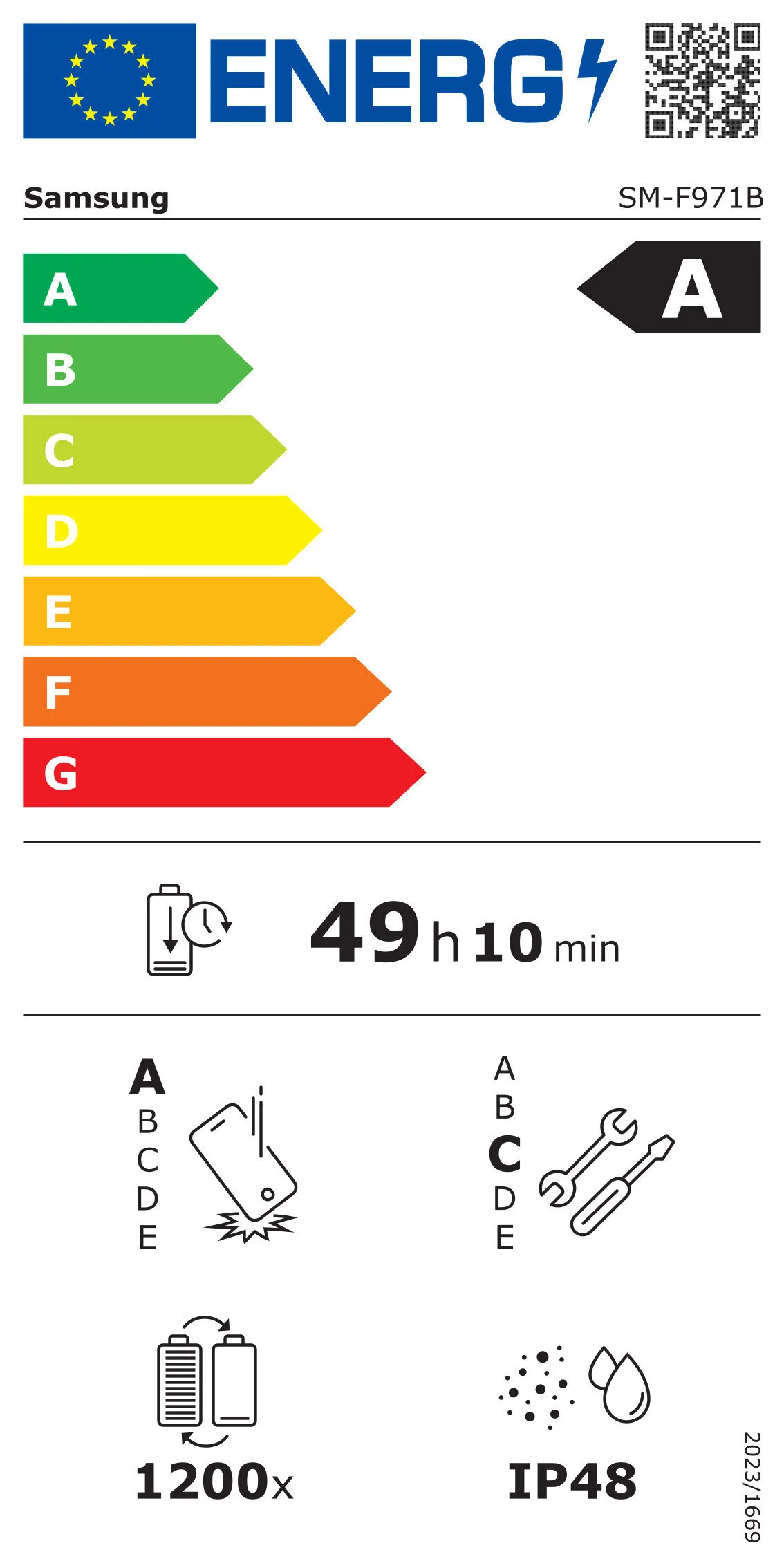
Samsung has spent years persuading buyers that foldables are no longer fragile luxury experiments. The newly disclosed Galaxy Z Fold 8 battery rating complicates that pitch. European Union product labels rate Samsung’s newest Fold, Fold 8 Ultra, and Flip 8 for 1,200 full charging cycles before their batteries reach 80 percent of original capacity.
That number is not disastrous. In fact, it still sits ahead of the 1,000-cycle ratings commonly attached to recent iPhones and Google Pixels. But compared with Samsung’s own 2025 foldables, the Galaxy Z Fold 8 battery rating is plainly a retreat: the Galaxy Z Fold 7 and Z Flip 7 were rated for 2,000 cycles before crossing that same 80 percent threshold.
For a company selling premium phones, losing 800 rated cycles in a single generation deserves more scrutiny than the usual battery-spec footnote. Foldables already ask customers to accept compromises around camera hardware, cases, repair prices, and the sheer anxiety of owning a device with a hinge. Battery durability was one area where Samsung had recently built a meaningful cushion.
The figures appear in the EU’s EPREL product database, which now requires phone makers to publish energy-label information including battery endurance, repairability, and protection against dust and water. These labels are useful precisely because they cut through marketing language. A battery is either expected to retain 80 percent after a stated number of cycles or it is not.
Why silicon-carbon chemistry changes the calculation
Samsung’s move to silicon-carbon battery technology is the likely explanation. Conventional lithium-ion batteries largely use graphite at the anode. Silicon-carbon designs replace some of that graphite with silicon-based material, allowing more energy to fit into a very tight physical space. That is a big deal in a foldable, where every millimeter is contested by displays, hinges, cameras, cooling hardware, and two battery cells.
But silicon has an awkward habit of expanding and contracting as it charges and discharges. Engineers have made serious progress containing that behavior, yet the trade-off remains familiar: higher energy density can mean faster wear. The Galaxy Z Fold 8 battery rating suggests Samsung has accepted that bargain in pursuit of capacity and thinness.
On the Fold 8 Ultra, that decision is at least easy to understand. Samsung has paired the chemistry change with a 5,000mAh battery. At the label’s 80 percent threshold, that works out to roughly 4,000mAh of remaining capacity. The standard Fold 8 starts at 4,800mAh, which implies about 3,840mAh at the same point.
Those are still usable numbers. A phone does not suddenly become useless when it hits 80 percent health; it simply gets less forgiving. A long workday, a navigation session, a few camera-heavy hours at an event, or a late-night stream becomes more likely to end with a charging cable hunt. Anyone who has kept a phone for three or four years knows the feeling.
The problem is sharper with the Flip 8. Samsung reportedly kept its nominal capacity flat at 4,300mAh rather than adding a larger cell to soften the effects of degradation. At 80 percent, that leaves an effective 3,440mAh. Last year’s Flip 7 would only reach that same capacity after its 2,000-cycle durability target. Frankly, this is the model where the downgrade looks least defensible.
What 1,200 cycles actually means for owners
A charging cycle is not necessarily one trip from 100 percent to zero. It is the cumulative equivalent of a full battery discharge: two 50 percent top-ups count as one cycle, for example. How quickly someone reaches 1,200 cycles depends on their habits, charging limits, heat exposure, and how aggressively the phone burns through power.
For many people, one cycle per day puts 1,200 cycles at a little over three years. That is a rough calculation, not a warranty deadline. Samsung’s rating says the Galaxy Z Fold 8 battery should retain at least 80 percent capacity through that number of cycles under the applicable testing conditions. Some units will perform better; hot cars, gaming while charging, and constant fast charging can push in the other direction.
Still, Samsung’s older 2,000-cycle claim represented something closer to five years of daily use. That matters because foldable buyers are increasingly keeping these devices longer. The hardware is no longer changing so radically each year that a Fold 7 owner must upgrade to a Fold 8, and a Galaxy Z Fold 8 battery replacement is more complicated than a standard slab phone repair.
The Galaxy Z Fold 8 battery result also arrives just as Samsung’s Galaxy S26 series is listed with the same 1,200-cycle threshold, despite reportedly retaining conventional battery technology. That is the more puzzling part of this story. Silicon-carbon chemistry offers a logical explanation for a foldable compromise; it does not automatically explain why the S26 line has also moved down from the Galaxy S25 family’s 2,000-cycle rating.
Samsung needs to explain the downgrade
The figures could reflect a more conservative test standard, different charging behavior, thinner designs, or performance requirements that are not visible on a retail spec sheet. The EU label tells us the outcome, not the entire design brief.
But Samsung should address it directly. The company has made repairability and long software support central to its premium-phone argument, and battery health is where those promises meet everyday reality. Long software support sounds less impressive if a phone’s endurance feels worn out halfway through that window.
My read is that the Fold 8 Ultra can absorb this compromise because its larger pack gives it some room to age. The regular Fold is less comfortable, and the Flip 8 is the real red flag: no additional capacity, fewer rated cycles, and a form factor where battery life was already a perennial concern. Samsung has made the foldable hardware more mature. Now it has to prove that maturity does not come with an expiration date tucked into an EU database.

