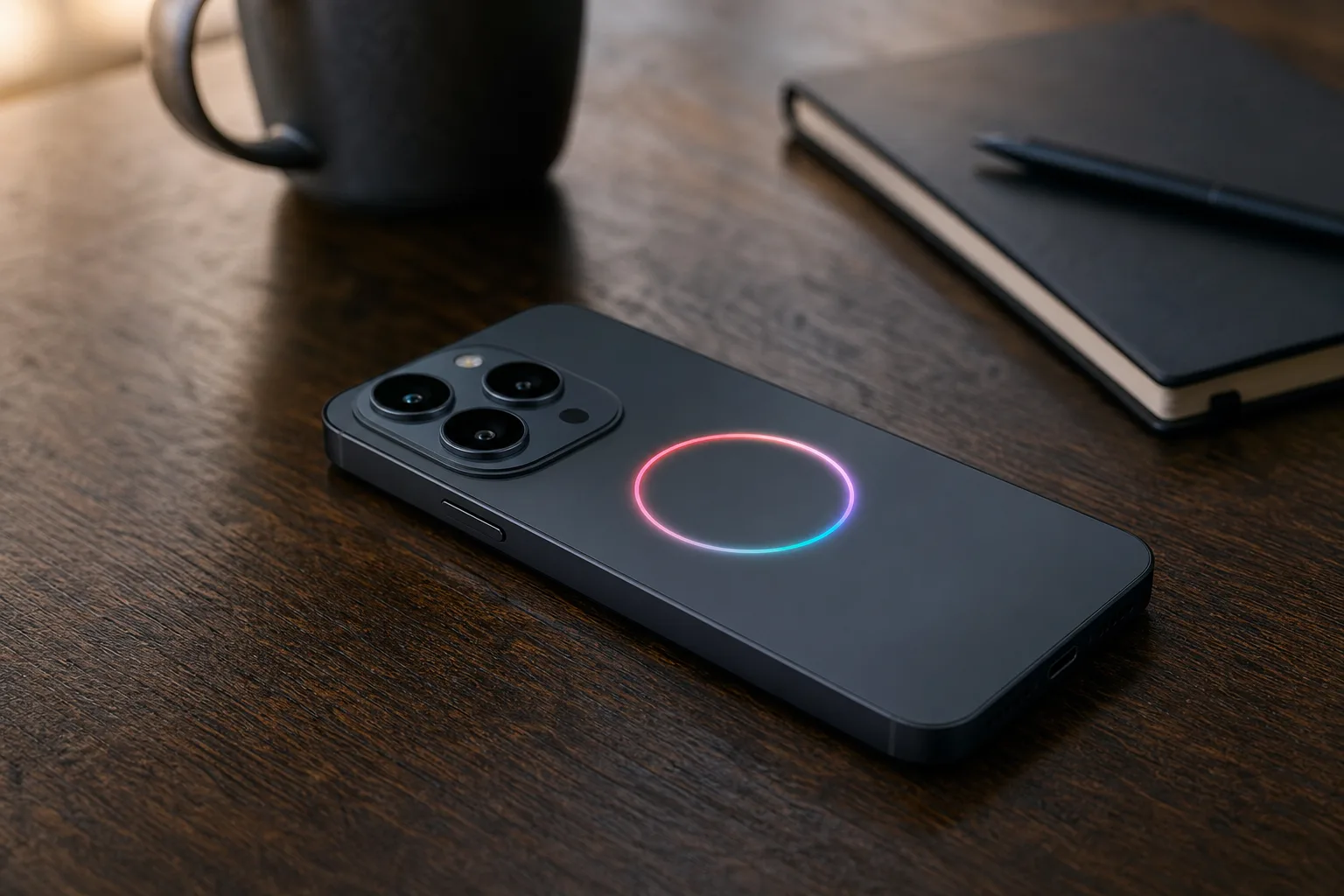
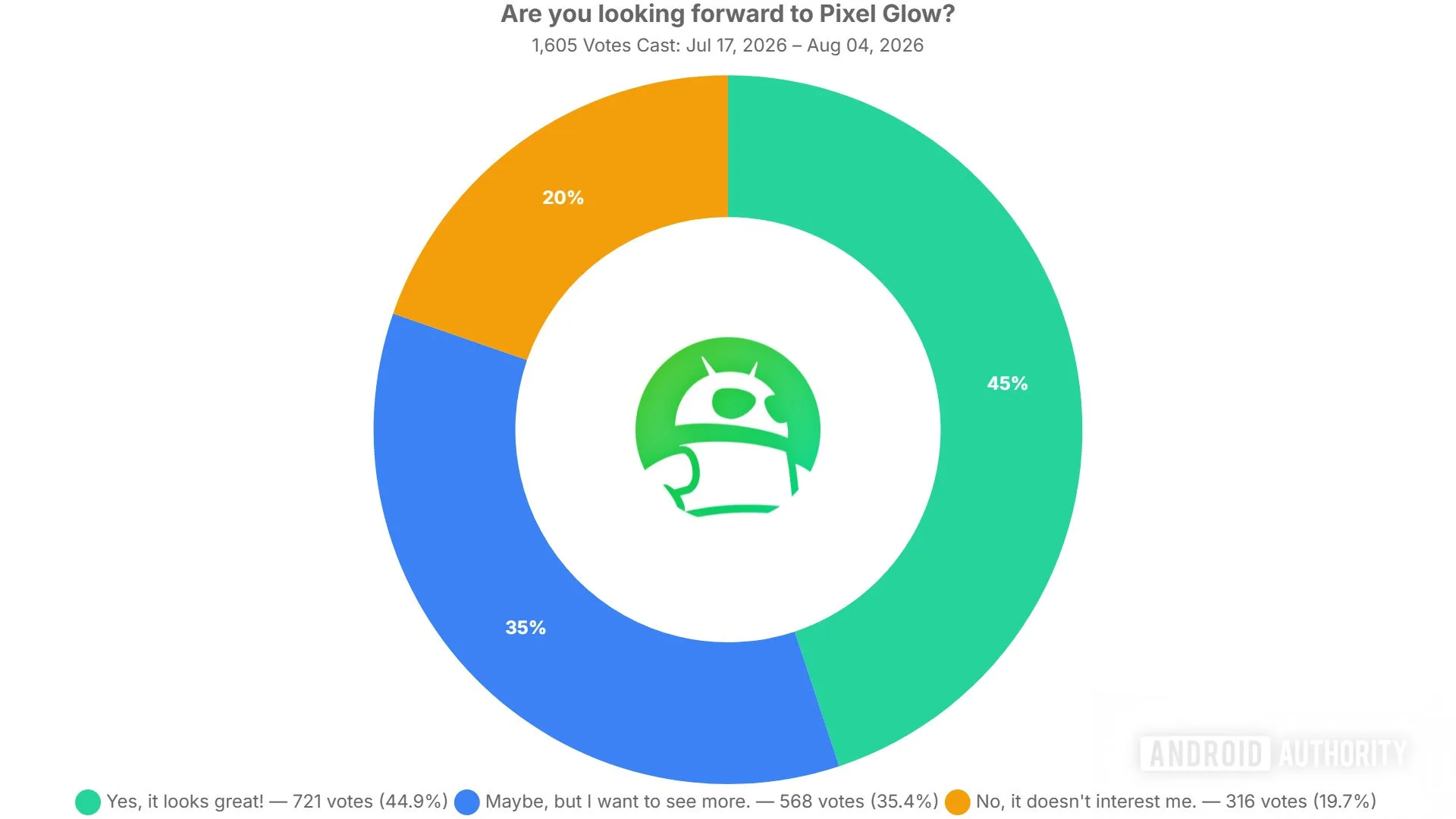
- Pixel Glow earned support from 45% of poll respondents, though Google has not yet explained every function of the new rear light.
- Skeptics say Pixel Glow risks becoming a cosmetic distraction while Pixel owners still want stronger battery life, performance, and dependable updates.
- Another 35.4% of voters are reserving judgment until more details are available.
- A distinctive hardware detail earns its keep only when it fixes an everyday annoyance.
Table of Contents
Pixel Glow has attention, but not trust yet
Google may have found the visual hook for its next flagship, but Pixel Glow has already exposed a familiar split among Pixel fans. Some see the rumored circular rear LED panel on the Pixel 11 Pro as a playful bit of hardware personality. Others see another flashing object demanding attention from a phone that should be focusing on the basics.
That split showed up clearly in a reader poll of more than 1,600 people. About 45% said the feature looks promising and they want to see what it can do. Another 35.4% said they were withholding judgment until Google actually explains it. Just under one in five respondents were openly dismissive.
Those numbers are not a scientific measure of the phone-buying public, obviously. A self-selecting poll of Android enthusiasts never is. Still, it is a useful early signal: people are curious about Pixel Glow, but curiosity is doing a lot of work here. Google has reportedly shown a light that swirls on the rear of the device; it has not yet made the case for why that light deserves to exist.
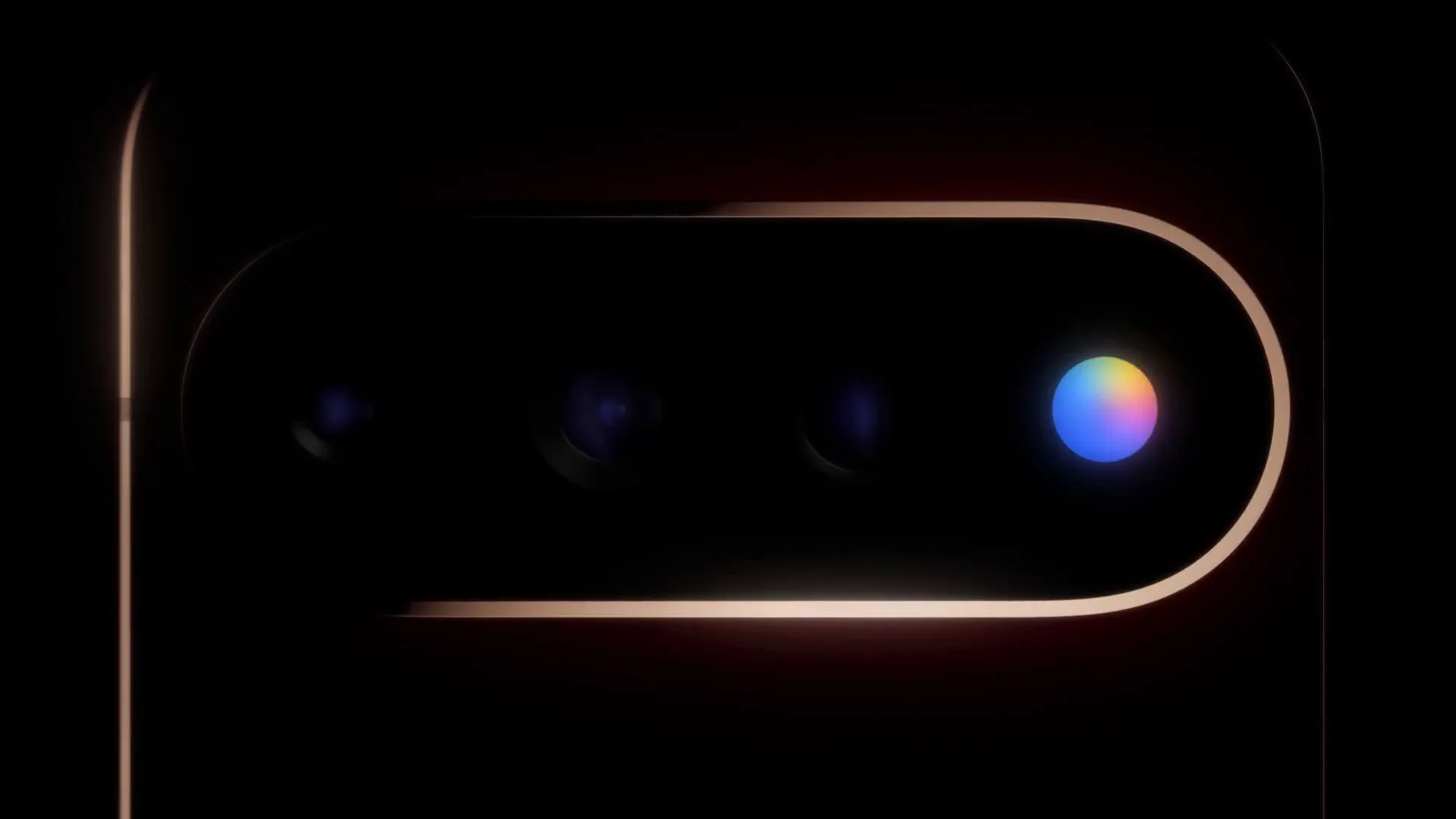
The Pixel 11 series is expected to debut on August 12. Until then, the company is asking prospective buyers to fill in the blanks. That can be fun in a teaser campaign. It can also make a feature feel like a mood ring attached to a very expensive handset.
Notification lights are old tech with a new coat of paint
The basic idea behind Pixel Glow is hardly new. Android phones spent years experimenting with notification LEDs, illuminated logos, edge lighting, and always-on displays. Motorola had phones with lights that pulsed to music long before today’s glass-slab era made every device look like a black rectangle. OnePlus built its whole original identity around a red notification slider. Nothing’s Glyph Interface turned light strips into a brand signature.
Nothing is the comparison Google cannot avoid. The company has made rear lighting part of its phone design language, tying it to calls, timers, charging status, and selected app alerts. Not every user needs it, but its purpose is at least legible from across a room. Google will need a similarly clear answer for what Pixel Glow does better than a smartwatch vibration, a lock-screen alert, or Android’s always-on display.
Google already has plenty of systems that Pixel Glow could tie into. Android supports notification channels, Do Not Disturb rules, alarms, charging indicators, smart-home controls, and accessibility settings. Android notification controls can get very granular. If the rear light can identify a priority person, show charging progress without waking the screen, or quietly signal a doorbell camera event, it could earn its place.
If it merely spins when someone sends a message, well, we have all owned phones that did that. The novelty wears off around the time the first group chat starts popping at midnight.
The loudest criticism is about the Pixel experience
The harshest reader comments were not really about LEDs. They were about priorities. One commenter, James TS, wrote: “Just what everyone has been asking for. Another way for your device to get your attention.” Another, bella07112021, argued that Google had “run out of ideas” and said a temperature sensor on a prior Pixel Pro was more useful.
That last point lands because Pixel hardware has a history of clever additions that do not always become daily habits. Google is very good at shipping intriguing experiments. It is less consistent at turning those experiments into features that feel indispensable six months later.
One response put the consumer demand more bluntly: people want better battery life, stable updates, and stronger performance. Frankly, that is the whole story. A light panel can help a phone stand out in an ad, but it cannot compensate for heat, inconsistent modem behavior, sluggish app switching, or a software update that introduces new headaches.
Google has improved its Pixel software support promises substantially in recent generations, and its Tensor chips have increasingly leaned on on-device AI tasks rather than chasing raw benchmark supremacy. But the company still faces a perception problem: Samsung’s Galaxy S flagships are widely seen as the safer Android choice, while Apple sells the reliability of its ecosystem as much as it sells any individual iPhone feature. Pixel Glow will be judged against that backdrop, not in isolation.
A small light could still be a useful idea
There is a version of this that works. Picture a phone lying face-down during a meeting: a subtle color or pattern tells you whether the notification is urgent, whether the battery has reached a charging limit, or whether your rideshare has arrived. No screen wake-up. No buzz rattling across the table. No need to pick it up. That is a real convenience, especially for people who deliberately keep their phones out of sight.
It also needs restraint. The more apps that can commandeer Pixel Glow, the faster it becomes visual noise. Google should make priority contacts and essential system events the default, then give power users a deep customization menu if they want one. Android has always been strongest when it lets enthusiasts tinker without forcing everyone else to become a settings-menu archaeologist.
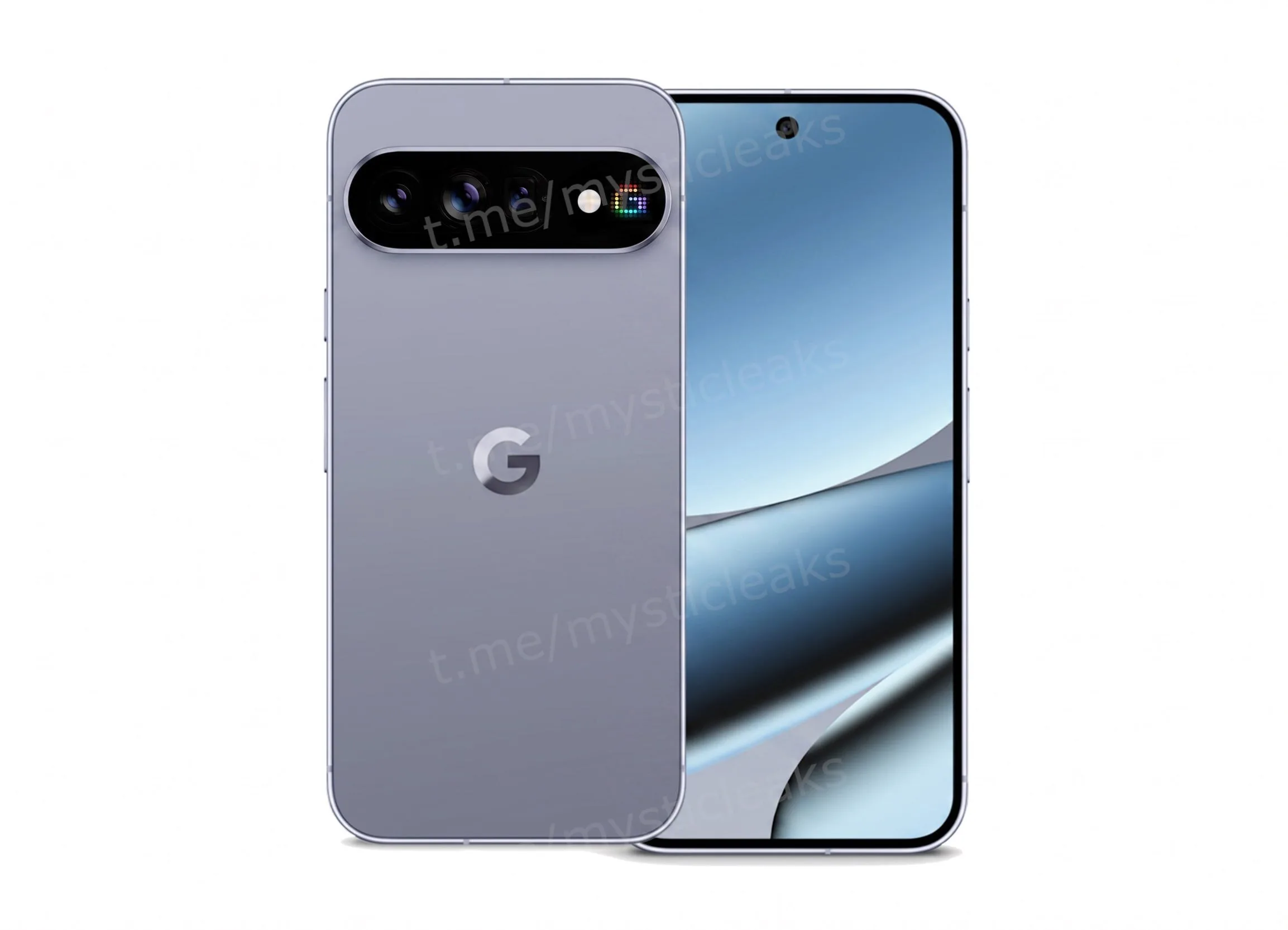
Design matters, too. One poll respondent suggested a matrix LED bar across the Pixel camera visor rather than a small dot. I can see the appeal. The Pixel visor is already the phone’s defining silhouette, and integrating a light into that shape could have looked intentional rather than appended. Of course, we have not seen the final hardware in action, so judging the scale from teasers alone would be premature.
Google needs to demonstrate the point
The 35.4% waiting for details may be the most sensible group in the poll. Pixel Glow could become one of those tiny features owners genuinely miss when they switch phones. Or it could join the long shelf of mobile flourishes that briefly looked clever on a launch stage and then disappeared without anyone mourning them.
My read is that Google has a narrow but worthwhile opening. Make the light quiet, useful, customizable, and tied to moments when looking at a screen would be annoying. Make it an interruption filter, not another interruption machine. On August 12, Google does not need to prove that phones can flash lights. It needs to prove that this particular light makes owning a Pixel 11 Pro better after the launch-week glow fades.