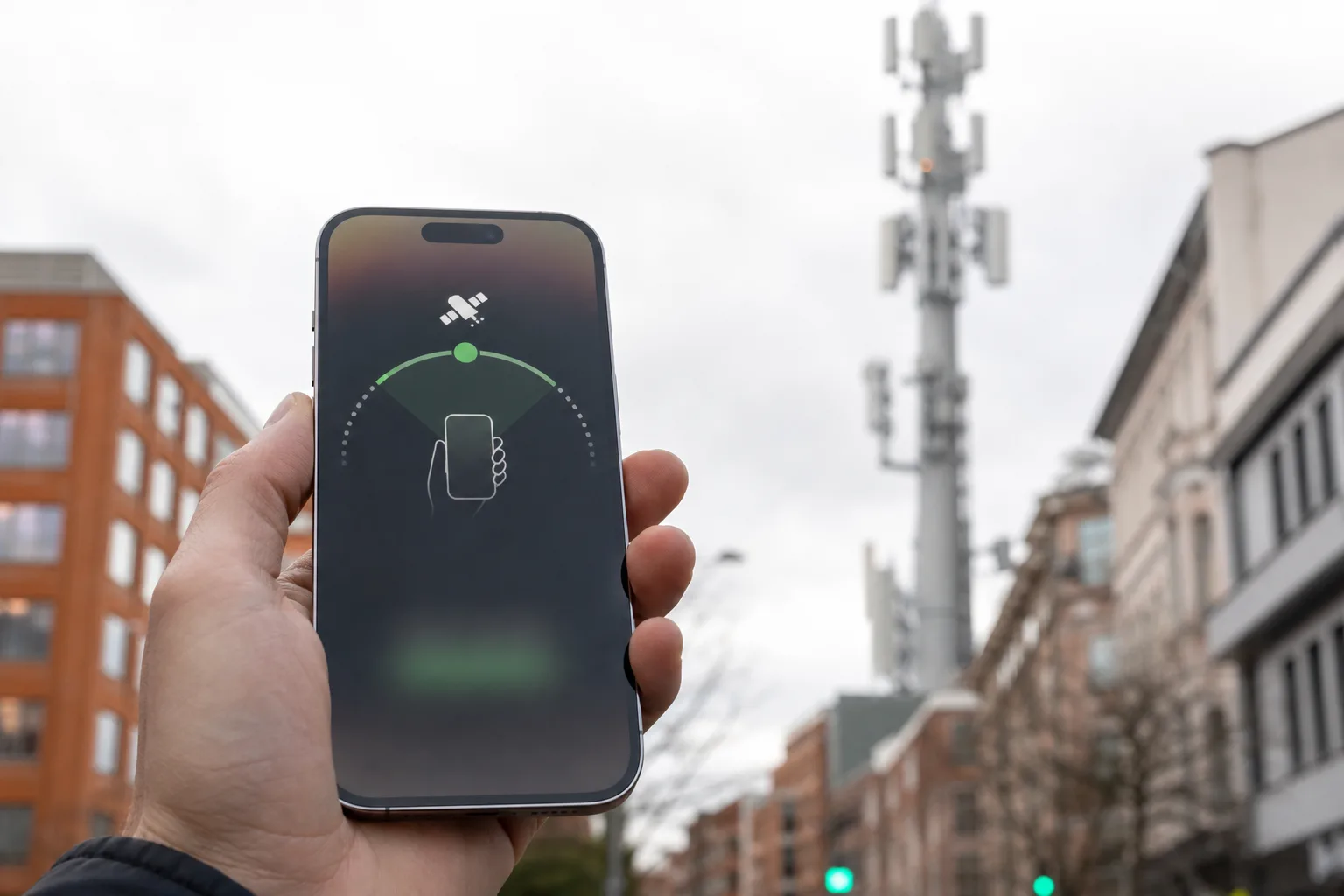
- AT&T says it is working with Apple after customers reported intermittent or persistent cellular failures on the iPhone 18 Pro Max.
- Some iPhone 18 Pro Max units drop into SOS mode, cutting off calls, texts, mobile data and potentially emergency connectivity.
- AT&T urges customers to install iOS 27.0.1, though user reports suggest the update has not fixed every affected device.
- The trouble is drawing fresh attention to the U.S. model’s Qualcomm modem, which differs from the Apple modem used in other new iPhones.
Table of Contents
iPhone 18 Pro Max owners are losing the basics
A premium phone can survive a mediocre camera tweak or an awkward new button. It cannot casually lose the ability to make a call. That is the uncomfortable reality facing some iPhone 18 Pro Max owners on AT&T, who say their phones have dropped off the carrier’s network entirely or intermittently since launch.
The symptoms are about as serious as smartphone problems get: failed voice calls, missing text messages, no cellular data and devices switching into SOS mode. That last detail matters. SOS mode generally means the phone cannot reach its normal carrier, even if it may still be able to place an emergency call through another available network. For a flagship sold as a dependable daily tool, that is not a minor annoyance. It is the digital equivalent of buying a new car and finding out it occasionally refuses to start.
AT&T has now acknowledged the reports publicly. In a statement, the carrier said Apple had issued software intended to address an issue that “may affect calls, data, texts, and 911 calls on a small number” of iPhone 18 Pro Max handsets. AT&T said customers should update their phones immediately and added that it is working with Apple to resolve the problem.
That wording is careful, perhaps too careful. The carrier calls the affected group small, while discussion threads across Apple’s support forums, Reddit and other communities contain reports from thousands of users. Online complaints are not a scientific sample, obviously. People with working phones do not tend to post about their perfectly uneventful Tuesday afternoon. Still, once customers are comparing replacement experiences and tracking dropped-service patterns by carrier, Apple and AT&T need a clearer public explanation than a generic update prompt.
Why the modem question will not go away
The most intriguing wrinkle is inside the U.S. iPhone 18 Pro Max. Unlike the smaller iPhone 18 Pro and the iPhone Duo, the American version of Apple’s largest new phone reportedly uses a Qualcomm modem. Apple’s C2 modem is used in those other new iPhones worldwide, as well as in the iPhone 18 Pro Max outside the United States.
That does not prove Qualcomm is responsible. Cellular reliability depends on a messy stack of hardware, carrier configuration, iOS radio software, SIM or eSIM provisioning, and local network conditions. A bug in carrier settings or Apple’s software can look an awful lot like a modem defect from the customer’s side. But the unusual split makes the U.S. model a natural suspect, especially when the complaints have centered on AT&T service.
Apple has spent years trying to reduce its dependence on Qualcomm. Its in-house modem effort has been a long, expensive project marked by delays, and the C2’s presence across much of this year’s lineup was supposed to signal progress. If the iPhone 18 Pro Max trouble turns out to be tied to Qualcomm hardware, that would be ironic. If it is tied to software integration, it would be a reminder that swapping modem suppliers is never as simple as changing a part on an assembly line.
The iOS 27.0.1 message is not enough
AT&T has advised affected customers to install iOS 27.0.1. That is sensible baseline advice: keeping iOS current closes security holes and often ships carrier-related fixes that do not always receive glamorous release-note billing. The iPhone update guidance is also relevant.
But several affected users say iOS 27.0.1 has not restored dependable service. Apple’s published notes for the release highlighted other fixes, including a Face ID problem on iPhone 18 Pro models, rather than this cellular fault. An alleged internal AT&T email circulating online reportedly characterizes the update as a way to reduce future impact, which is a notably different claim from saying it solves the issue today.
My read is that Apple and AT&T may have a mitigation in place without a complete diagnosis. That happens. Radio bugs can be stubborn because they emerge only under particular handoff conditions, network bands or account configurations. Still, consumers should not have to decipher whether “update now” means “fixed,” “partly fixed,” or “we need more time.” Those are three very different messages.
What affected customers should do now
If an iPhone 18 Pro Max repeatedly lands in SOS mode or cannot hold an AT&T connection, install the latest available iOS release first. Then document the failure: note the date, location, whether Wi-Fi Calling was enabled, whether the issue followed a network handoff, and whether toggling Airplane Mode temporarily restored service. It sounds tedious, but those details can make carrier and Apple support conversations far less circular.
AT&T says customers can visit an AT&T or Apple store for help. That is especially important for buyers still within their return window. Replacements may solve a genuine unit-level defect, but they are not a universal cure if the root problem lives in iOS or carrier provisioning. Some users have reportedly encountered resistance when requesting warranty replacements, so bring screenshots, timestamps and any prior support case numbers.
There is another reason not to shrug this off: emergency calling. AT&T’s statement specifically includes potential effects on 911 calls. Modern phones have fallback behavior for emergencies, but nobody should assume SOS mode means everything is fine. Test nothing in a real emergency, and use another reliable phone if the device is currently failing.
Apple needs to say what is actually broken
There is a well-worn Apple playbook for launch bugs. Acknowledgment arrives late, a point update lands, and the story fades because the fix works. That outcome remains entirely possible here. The company has resolved plenty of early iPhone software flaws through updates, and the iPhone 18 Pro Max could follow that familiar path in iOS 27.0.2 or a later release.
But cellular service is different from a wallpaper glitch. It is the core promise of a phone, and Apple’s silence leaves AT&T carrying the public-facing burden. If this is software, say so and identify the fix. If certain hardware batches need replacement, create a formal program quickly. And if the fault involves a particular AT&T network interaction, both companies should explain what customers can expect while engineers work through it.
The telling question is not whether Apple can patch this. It probably can, if software is the culprit. The real test is whether an iPhone 18 Pro Max buyer can trust the company to communicate before a dropped signal becomes a dropped emergency call.