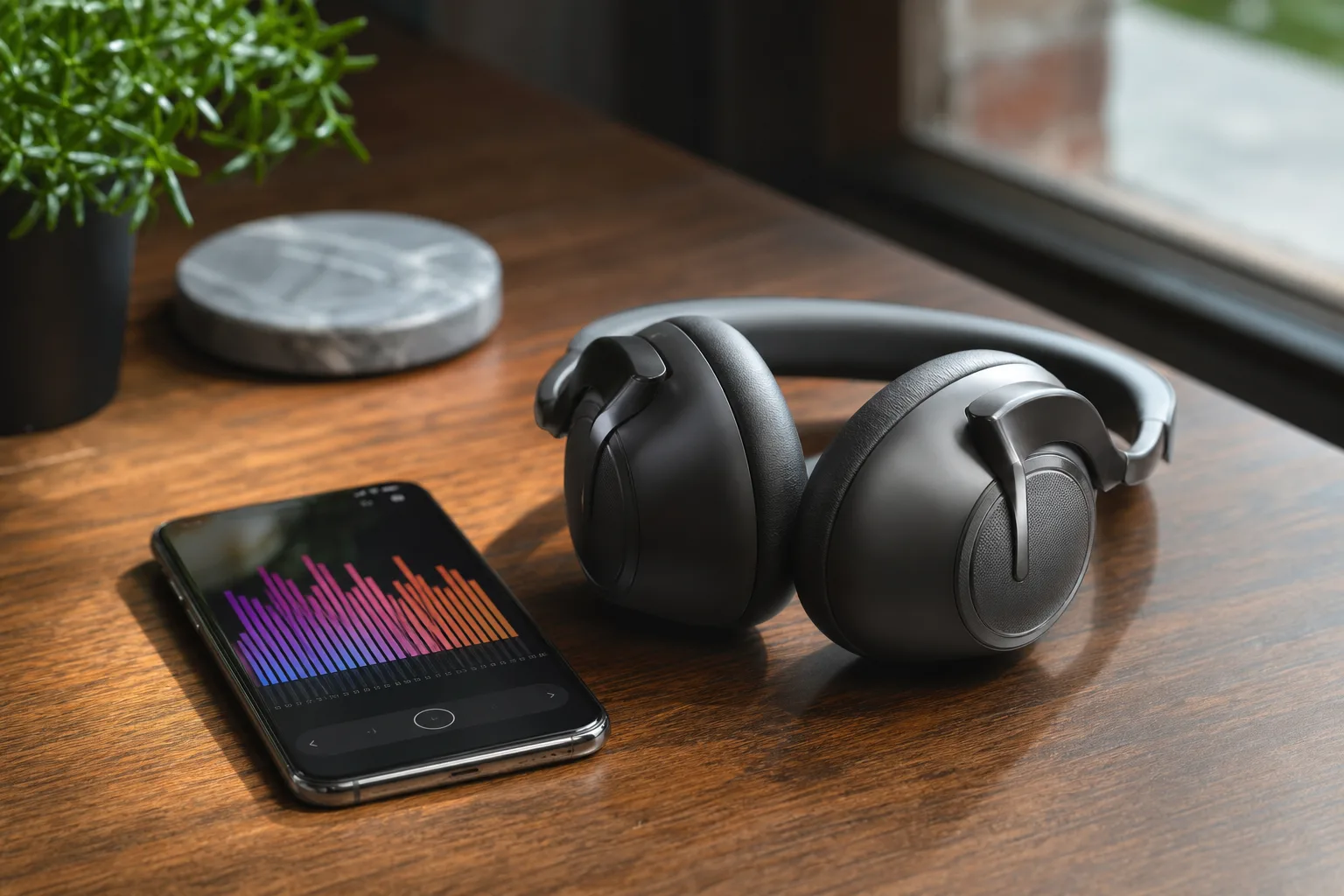
- Nothing Headphone Pro adds a triple-driver system, redesigned fit, and stronger active noise cancellation.
- Nothing Headphone Pro offers separate tuning controls for its main drivers and precision driver through the Nothing X app.
- A 10-microphone setup and revised ear cushions are claimed to improve noise reduction from 42dB to 46dB.
- The headphones retain USB-C lossless playback, Hi-Res wireless support, and Nothing’s distinctive physical paddle and wheel controls.
Table of Contents
Nothing Headphone Pro is chasing the premium crowd
The Nothing Headphone Pro enters a category where a quirky industrial design can no longer carry the whole pitch. At this price, buyers will reasonably stack it against Sony, Bose, Sennheiser and Apple’s sprawling headphone ecosystem. Nothing appears to understand that. Its new over-ear flagship is less about a visual refresh than an attempt to fix the practical stuff: comfort, noise cancellation and control over how the headphones actually sound.
That’s the right move. Last year’s Headphone (1) made a strong first impression because Nothing managed to make a category full of anonymous black ovals feel visually interesting again. But headphones spend hours pressed against somebody’s head, and the real test is never the product photo. It’s whether they clamp too hard on a long flight, mangle a favorite album, or let enough engine noise through to make active noise cancellation feel like a marketing footnote.
Nothing says the Pro model will go on sale September 29 through its own store, Amazon and Best Buy. The company has also published its broader product information through Nothing’s official website, where its hardware strategy increasingly looks like a serious attempt to build a connected consumer-electronics brand rather than a phone maker that occasionally releases earbuds.
A less flashy design change may matter most
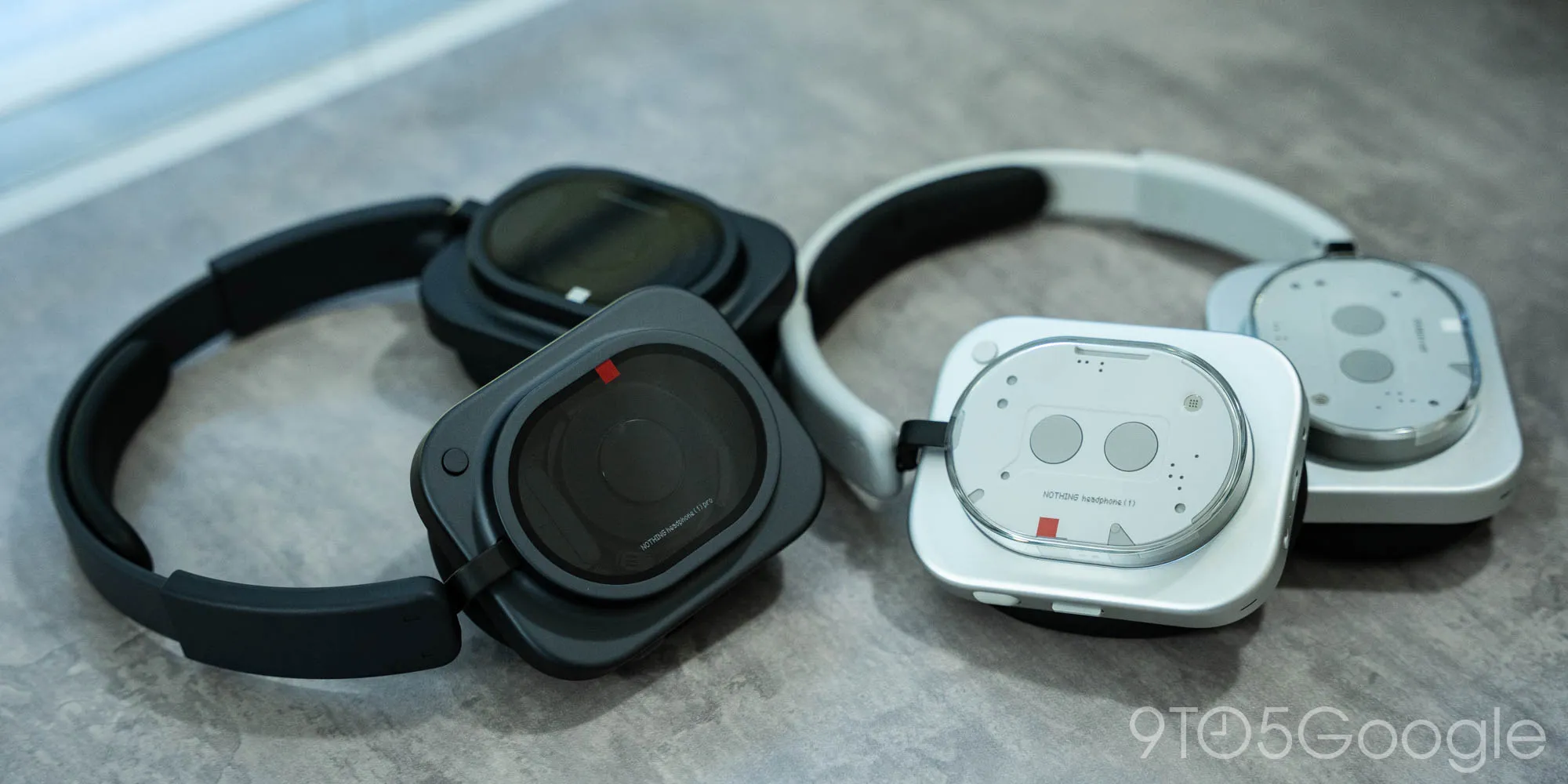
The physical revisions to the Nothing Headphone Pro sound modest on paper, but they could be the upgrades that users feel every day. It weighs 327 grams, a slight reduction from the earlier model, while the ear cups are softer, the headband is wider and the padding is thicker. Nothing has also traded some plastic detailing for glass and toned down the exterior accents.
Frankly, the cleaner look is welcome. Nothing’s best design work usually lands when it has a point of view without yelling across the room. Transparent gadgets can veer into novelty-shop territory remarkably fast. The revised headphones still sound recognizably Nothing, but they seem to be aiming for something a little more adult.
Comfort is also where established rivals have built their reputations. Bose has long understood that its best feature is often the moment you forget it is on your head. Sony’s WH-1000X line has earned similar loyalty through small, iterative improvements rather than dramatic reinvention. If Nothing’s softer seal and wider contact area hold up after several hours, that may do more for the product than another design flourish ever could.
Nothing Headphone Pro puts tuning front and center
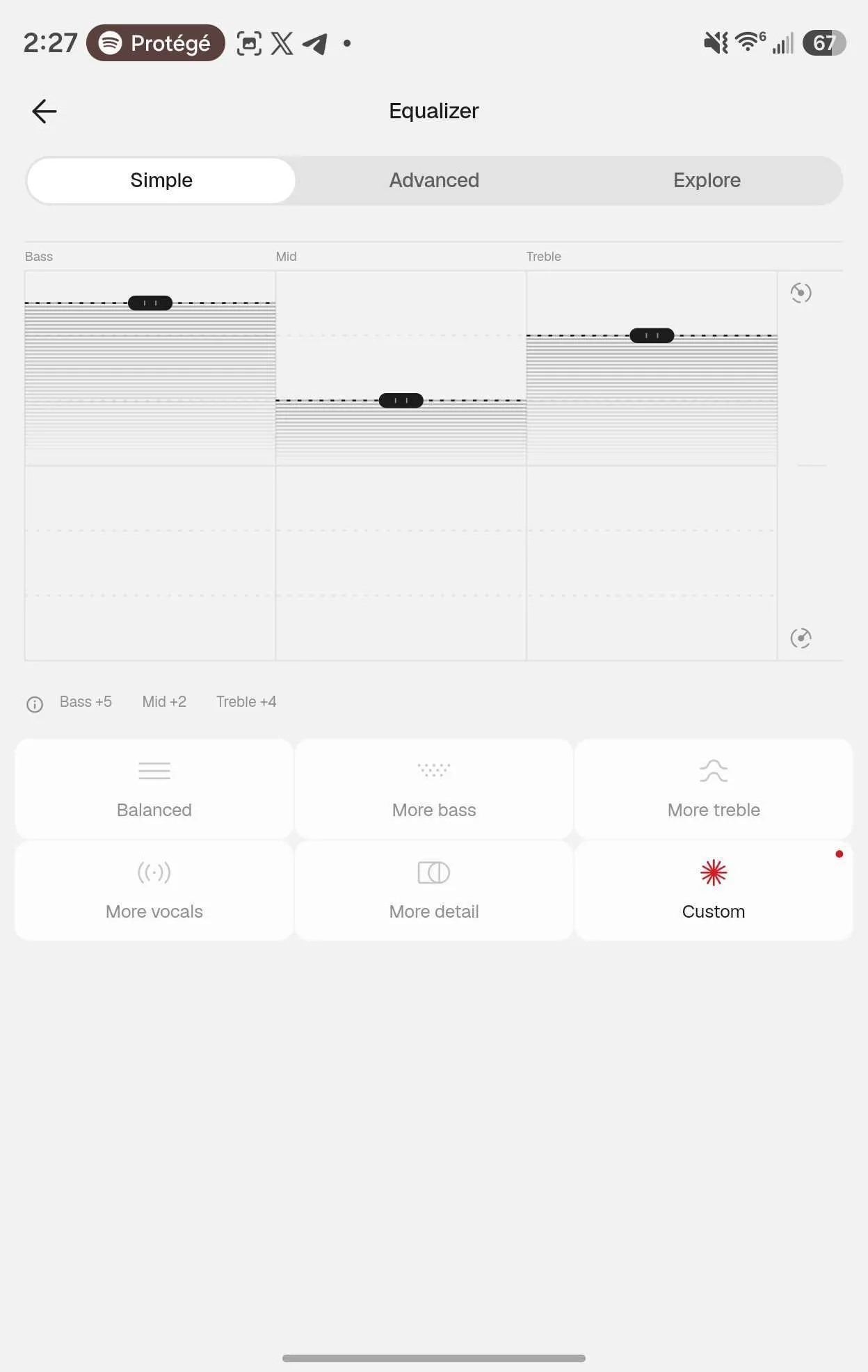
The bigger change is inside. The Nothing Headphone Pro uses a triple-driver arrangement rather than relying on a single main driver, and Nothing says the additional precision driver allows more detailed control of the final sound. In the Nothing X app, users can adjust the main drivers independently from that precision driver through a more advanced equalizer.
That is a genuinely interesting choice, even if it risks overwhelming people who only want to press play. Most headphone apps offer a handful of presets and a basic slider-based EQ. Nothing is pushing closer to the kind of tinkering normally reserved for desktop audio software or enthusiast gear. A physical switch also brings up Flat EQ mode, giving listeners a neutral baseline without making them hunt through menus.
For people who actually enjoy tuning headphones, this could be the Pro model’s clearest differentiator. A bass-heavy curve may make electronic music more satisfying on a commute; a flatter profile can be a better fit for acoustic recordings or podcasts. The catch is that more controls do not automatically produce better sound. A badly calibrated three-driver setup is still badly calibrated. Nothing says it worked with Metropolis Studios on the audio experience, which is encouraging, but independent listening tests will matter far more than the partnership badge.
Spatial-audio presets are designed to mimic spaces including a live house and concert hall, with optional head tracking. I remain a bit skeptical of virtual-room effects in headphones. They can add welcome scale to a live recording, but they can also turn a clean mix into something oddly distant, as if the singer has wandered into the next apartment. At least the controls suggest Nothing is giving users a choice rather than insisting on one preferred sound.
Noise cancellation gets a meaningful, if qualified, bump
Nothing rates the Nothing Headphone Pro at up to 46dB of active noise cancellation, compared with 42dB for its predecessor. The improvement is tied to a 10-microphone system and the stronger acoustic seal created by the redesigned cushions. Four decibels sounds tidy and measurable, though consumers should treat any single ANC number with caution.
Noise cancellation performance varies wildly by sound type. Low, steady rumble from an aircraft cabin is relatively easy to counter; voices, wind and sudden street noise are much harder. Fit is just as important as microphone count, which brings us back to those updated ear cups. A better seal can improve both bass response and passive isolation before the electronic processing gets involved.
The Nothing Headphone Pro retains lossless audio over USB-C and Hi-Res wireless playback, alongside the physical paddle and wheel controls that helped distinguish the original model. Those controls deserve praise. Touch panels on headphones remain a tiny daily annoyance: they misread a sleeve, a wet finger or an attempt to adjust the cup. A wheel is not futuristic, but neither is a light switch, and both work because they provide an immediate answer.
The question is whether Nothing can outgrow its novelty label
The Nothing Headphone Pro is not a bargain challenger. It sits squarely in premium territory, where shoppers expect mature software, reliable multipoint connectivity, strong call quality and support that lasts longer than a product launch cycle. Nothing has made its name by bringing personality to hardware that larger companies often treat as interchangeable. Now it has to prove that personality can coexist with polish.
My read is that the company is taking the correct path. Rather than chasing a gimmick, it has concentrated on the three complaints that sink expensive headphones: poor comfort, mediocre isolation and sound that users cannot tailor. The triple-driver claim is the big unknown, and the app’s deep controls could either delight audio obsessives or become the digital equivalent of a restaurant menu with 40 kinds of mayonnaise.
If the comfort improvements and 46dB ANC rating translate into real-world performance, the Nothing Headphone Pro could be the moment Nothing stops being judged mainly on whether its products look different. It needs to be judged on whether people keep reaching for it after the novelty wears off. That is a much harder standard — and a far more interesting one.