

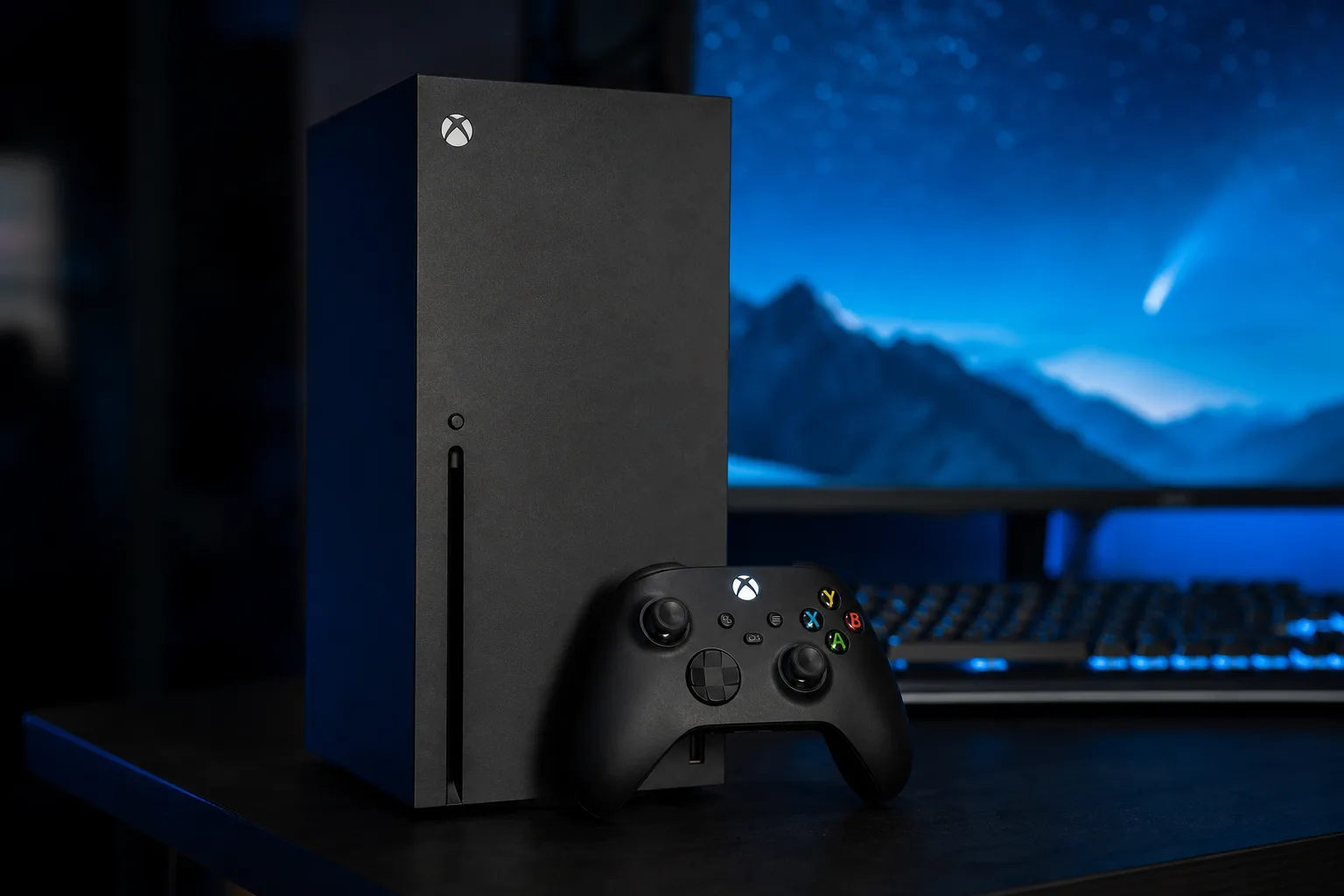
Xbox price increases are now official. Less than 24 hours after Apple raised prices across its Mac and iPad lineup, Microsoft stepped up with its own announcement — and the numbers are hard to ignore. Starting August 1, every Xbox Series S and Series X model gets more expensive, with some configurations jumping by as much as $150. If you were already thinking about buying a console, the clock is ticking.
- Xbox price increases of up to $150 take effect August 1, with the Series X Disc edition rising to $800.
- Xbox price increases are being driven by memory and storage costs Microsoft says are 2.5x higher than previous levels.
- Microsoft is discontinuing its 2TB Xbox model alongside the price changes, shrinking the lineup.
- Apple made near-identical announcements the same day, pointing to AI infrastructure demand as the root cause.
Table of Contents
The Full Xbox Price Increases Breakdown
Microsoft has laid out exactly what’s changing, and the scale of the hikes is significant. This isn’t a rounding-up exercise — these are substantial jumps across the entire current-generation lineup. Here’s where things stand after August 1:
- Xbox Series S 512GB — rising from $399 to $499 (up $100)
- Xbox Series S 1TB — rising from $449 to $599 (up $150)
- Xbox Series X 1TB Digital — rising from $599 to $750 (up $150)
- Xbox Series X 1TB Disc — rising from $649 to $800 (up $150)
The entry-level Series S — once Microsoft’s pitch to budget-conscious gamers — will now cost $499. That’s the same price the original Xbox Series X launched at back in 2020. The flagship disc-based Series X, meanwhile, breaks the $800 barrier for the first time. And to make matters slightly worse for storage-hungry buyers, Microsoft is simultaneously discontinuing its 2TB model, effectively reducing consumer choice at the exact moment it’s charging more. The Xbox price increases affecting the Series S are particularly striking given how aggressively Microsoft once used that console as a budget entry point.
Why Is This Happening? Blame AI Infrastructure
Microsoft’s official explanation points squarely at memory and storage component costs, which the company says have risen more than 2.5 times above previous levels. More alarming still, Microsoft has warned internally that those costs could double again by the fall of 2027 — a projection that, if accurate, would make today’s Xbox price increases look relatively modest in hindsight.
The underlying driver here isn’t a mystery. The global boom in AI infrastructure — data centres, training clusters, high-bandwidth memory for large language models — has created extraordinary demand for the same NAND flash and DRAM that goes into consumer electronics. Companies like Microsoft and Apple aren’t buying memory for their devices in a vacuum; they’re competing for supply in a market where hyperscalers are hoovering up chips at an unprecedented rate.
Apple made almost exactly the same argument on the same day, citing ‘soaring memory and storage costs fuelled by unprecedented demand for AI infrastructure and data centres.’ The fact that two of the world’s largest technology companies issued near-identical explanations within hours of each other isn’t a coincidence — it reflects a genuine structural shift in how semiconductor supply chains are being prioritised. Consumer hardware is losing the queue position it once held. The Xbox price increases are a direct consequence of that reordering.
For a deeper look at how AI chip demand is reshaping global memory markets, SemiAnalysis has tracked the supply dynamics in detail.
Xbox Price Increases Are a Pattern, Not a One-Off
It’s worth putting this in context: this isn’t the first time Microsoft has raised Xbox prices recently. Less than a year ago, in October, the company pushed through a round of U.S. price increases. Two rounds of Xbox price increases in under twelve months represents a pretty stark reversal from the approach Microsoft took through most of the Xbox Series generation, when it held prices steady even as component costs crept up.
The strategy had made sense when Microsoft was trying to grow Game Pass subscriptions — a cheap console was the on-ramp. But the calculus has clearly changed. At $499 for the entry-level Series S, Microsoft is no longer the budget-friendly alternative it once positioned itself as.
How Does This Compare to Sony and Nintendo?
Microsoft isn’t alone in asking gamers to open their wallets wider. Sony has already moved the PS5 Digital Edition to $599 — up from its $499 launch price — putting the two companies’ digital-only flagship consoles at the same price point for the first time. The competitive dynamics of the console market are shifting underneath everyone’s feet, and the Xbox price increases announced this week only deepen that shift.
Nintendo’s position is more interesting. The Switch 2 launched with a comparatively modest price increase, and Nintendo has so far avoided the dramatic hikes that Sony and Microsoft have implemented. But that restraint may not last. If memory and storage costs continue climbing — and Microsoft’s 2027 forecast suggests they will — Nintendo will face the same supply-side pressures, particularly as the Switch 2 moves into higher production volumes.
What’s notable about the current moment is that all three major console makers are now pricing their hardware in ways that would have seemed aggressive just two years ago. The era of sub-$400 current-gen gaming is effectively over.
Microsoft’s Attempt to Soften the Blow
To its credit, Microsoft hasn’t just announced higher prices and left consumers to deal with it. The company says it’s ‘working on new programmes to provide previously played consoles at lower prices’ — a certified pre-owned style initiative that could give budget buyers a genuine alternative. It’s smart positioning: a refurbished Xbox at, say, $350 is a better story than a new one at $499, and it gives Microsoft a way to acknowledge that the Xbox price increases are a genuine burden for cost-conscious shoppers.
On the financing side, Microsoft Store customers will get expanded access to buy now, pay later options, while Amazon shoppers can qualify for up to 12 months of 0% APR financing on eligible Xbox hardware. These aren’t solutions to the underlying cost problem, but they do give consumers more flexibility in how they absorb the hit.
The broader question these announcements raise — and it’s one the entire consumer electronics industry will be grappling with over the next few years — is whether AI infrastructure spending will permanently reset the cost floor for everyday devices. If the chips that go into your gaming console are in direct competition with those needed to run the world’s AI workloads, and AI demand keeps growing, there’s no obvious mechanism that brings prices back down. Microsoft’s own warning about costs potentially doubling by 2027 suggests the company doesn’t expect relief anytime soon. For gamers, the Xbox price increases taking effect this August may start to look like a bargain before long.

