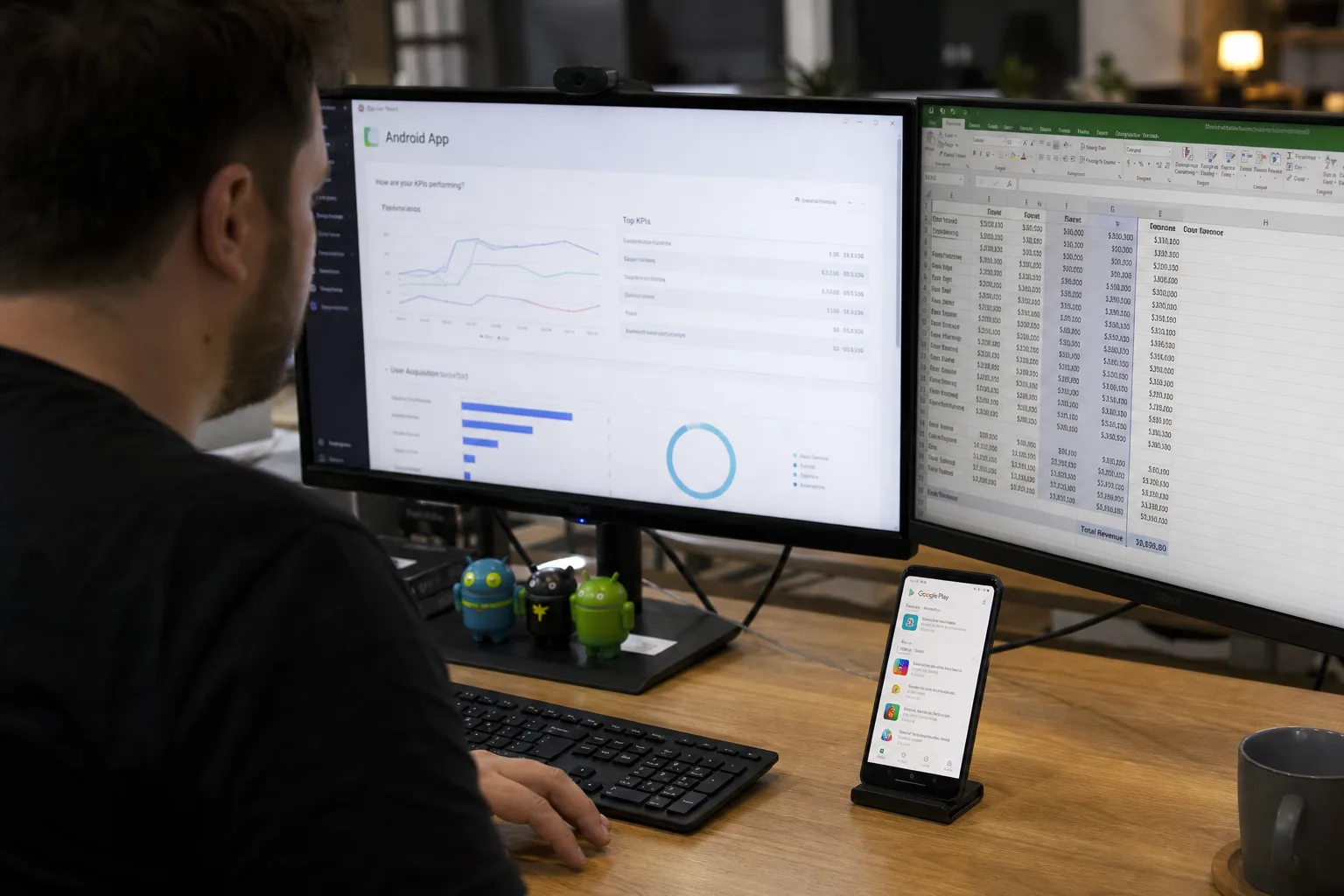
Google Play Store fees are getting a significant overhaul — and for once, developers have a courtroom to thank. Following a landmark antitrust lawsuit brought by Epic Games, Google has announced sweeping changes to how it charges developers and processes payments across its Play Store, effective June 30 in the United States, United Kingdom, and European Economic Area.
- Google Play Store fees are dropping to as low as 10%, with alternative payment options now allowed in the US, UK, and EU.
- The new Google Play Store fees structure rolls out June 30, expanding to Australia, Japan, South Korea, and beyond by 2027.
- Google was found to hold an app store monopoly following Epic Games’ lawsuit, triggering the sweeping policy changes.
- Apple still lacks a unified global policy, leaving it more exposed as Google sets a new worldwide benchmark for app stores.
Table of Contents
What the New Google Play Store Fees Actually Look Like
The headline number is 10%, but the reality is a tiered structure that depends heavily on how much your app earns and how users pay. Here’s how it breaks down:
- Base service fee: 10% on the first $1 million in annual earnings — unchanged from the existing small-business discount tier many developers already qualified for.
- Above $1 million: 20% for new installs, 25% for apps that were installed before the new rules take effect (so-called ‘existing installs’), with auto-renewing subscriptions carved out as an exception.
- Link-out fees: 20% for apps earning over $1 million annually that direct users to a website to complete purchases.
- Google billing surcharge: An additional 5% if you use Google’s own in-app billing system — stacked on top of the base service fees above.
That last point deserves a closer look. Google is essentially charging developers a premium for using its own payment infrastructure. It’s a curious inversion of what you’d expect — usually the platform operator incentivises use of its proprietary tools. Here, the incentive runs the other direction: use a third-party billing system and save 5%. Whether that’s a genuine concession to competition concerns or a structural sleight of hand that still benefits Google’s data collection either way, it’s a notable design choice.
For developers that qualify for Google’s Games Level Up and Apps Experience programs, Google Play Store fees are lower still — ranging from 10% to 20%. Those programs open to applicants in September, so studios and developers should be watching the eligibility criteria closely.
Why This Is Happening: The Epic Games Lawsuit
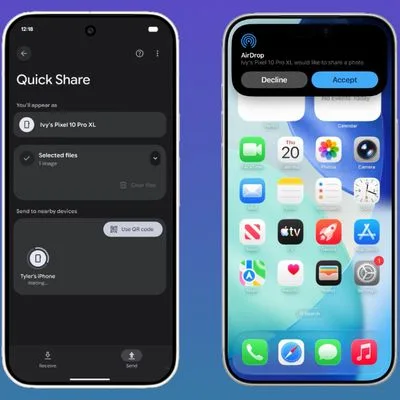
None of this is happening out of Google’s generosity. A jury found Google guilty of illegally monopolising the Android app distribution market — a decisive win for Epic Games, which had filed the case against Google. Unlike Apple, which fought Epic to a more ambiguous draw, Google lost cleanly on the monopoly question and ultimately reached a settlement that committed it to concrete structural changes: lower Google Play Store fees, support for third-party app stores, and — crucially — the ability for developers to use alternative payment systems.
The settlement’s terms are now translating into real policy. Starting June 30, developers in the US, UK, and EEA can process payments through any billing provider they choose and link users directly to external purchase pages. That’s a meaningful shift. For years, Google’s 30% commission on in-app purchases was the default — and largely non-negotiable — cost of doing business on Android. The reduction in Google Play Store fees is a direct consequence of that legal defeat.
Google’s updated fee structure is documented on its Play Console support pages for developers who want to dig into the specifics before the June 30 cutover.
A Global Rollout on a Clear Timeline
One of the more striking aspects of Google’s announcement is how deliberate the international rollout is. The US, UK, and EEA go first on June 30. Australia, Japan, and South Korea follow by the end of 2026. The rest of the world gets the updated Google Play Store fees and billing options by September 2027. That’s not a vague ‘coming soon’ — it’s a committed schedule, which is relatively unusual for a platform-wide policy change of this scale.
The staged timeline almost certainly reflects regulatory and legal complexity in different markets. South Korea, for instance, already passed legislation in 2021 requiring app stores to allow alternative payments. Australia and Japan have been conducting their own antitrust reviews of major platform operators. Google may be sequencing the rollout to align with existing regulatory obligations as much as with its own operational readiness.
Google Play Store Fees vs. Apple: A Widening Gap
Here’s where things get genuinely interesting for the broader app economy. Apple and Google have long operated in near-perfect parallel on fees — both historically charged 30%, both reduced to 15% for developers earning under $1 million annually, and both fought tooth and nail against any external mandate to allow alternative billing. That symmetry is now breaking down, and the implications for Apple’s own legal battles are hard to overstate.
Apple is currently fighting Epic in the courts on multiple fronts and is appealing its case all the way to the Supreme Court. In the meantime, a US court has barred Apple from collecting commissions on purchases made via web links from American apps — so Apple is currently charging $0 on those transactions while that litigation plays out. Google Play Store fees for the equivalent link-out scenario, by contrast, sit at 10–20%.
Internationally, Apple is scrambling to comply with the EU’s Digital Markets Act on its own terms while managing a patchwork of country-by-country rules elsewhere. The contrast with Google’s new single global policy couldn’t be sharper. Google now has one unified framework — imperfect and still profitable for the company, but consistent. Apple has a different set of rules in the EU, another in the US, and near-identical old rules everywhere else.
That patchwork approach is increasingly untenable. When courts, regulators, and now a major competitor are all pointing in the same direction, the pressure on Apple to articulate a coherent global fee strategy will only intensify. The Epic v. Apple case hasn’t produced final fee calculations yet, but Google Play Store fees will almost certainly be cited as a reference point when it does — and Apple’s legal team knows it.
What Developers Should Actually Do Now
For most independent developers and small studios earning under $1 million annually, the new baseline 10% rate is genuinely good news — assuming they’re currently on Google’s standard 30% tier and didn’t qualify for the existing small-business program. If you’re already on 15%, the move to 10% is still a meaningful saving on every transaction.
For larger publishers, the math gets more complicated. The 25% rate for existing installs — apps already on users’ devices before the rules change — is a notable quirk. It effectively creates a two-tier system within the same app based on when someone downloaded it, which will be an accounting headache for apps with large, established user bases.
The strategic question for any developer with meaningful revenue is whether to implement a third-party billing option. Saving 5% on every transaction sounds attractive, but it means integrating and maintaining an alternative payment stack, managing a more complex user experience, and potentially losing some of the trust signals that come with a familiar Google checkout flow. For high-volume apps, that 5% saving could be substantial. For most apps, it may not be worth the engineering overhead.
What’s clear is that the app store landscape in 2026 looks fundamentally different from what it did even two years ago. Google Play Store fees dropping to 10% at the base level — with genuine alternative billing options — represents the most significant structural shift the Android ecosystem has seen since the Play Store launched. The question now is whether Apple’s legal strategy holds long enough to avoid being forced into something similar, or whether the combination of Epic’s litigation, global regulation, and a newly competitive benchmark from Google makes a unified Apple concession inevitable.
Frequently Asked Questions
What are the new Google Play Store fees for developers?
Google Play Store fees now start at a base 10% on the first $1 million in annual earnings. Above that threshold, fees rise to 20% for new installs and 25% for existing installs, with an exception for auto-renewing subscriptions. Using Google’s own billing system adds an extra 5% on top of those base rates.
When do the new Google Play billing rules take effect?
The new fees and alternative billing options go live on June 30 in the US, UK, and European Economic Area. Australia, Japan, and South Korea follow by end of 2026, with the rest of the world adopting the rules by September 2027.
Can developers now use alternative payment systems on Google Play?
Yes. Developers operating in the UK, European Economic Area, and United States can now use any billing system they choose and direct users to external websites to complete purchases, instead of being locked into Google’s own in-app billing.
How does Google’s settlement with Epic Games compare to Apple’s situation?
Google settled with Epic and agreed to lower fees and allow alternative stores and payment options. Apple fought back and is appealing to the Supreme Court. Apple currently charges $0 on US app store links to web purchases during litigation, while Google charges between 10% and 20% for comparable link-out transactions.