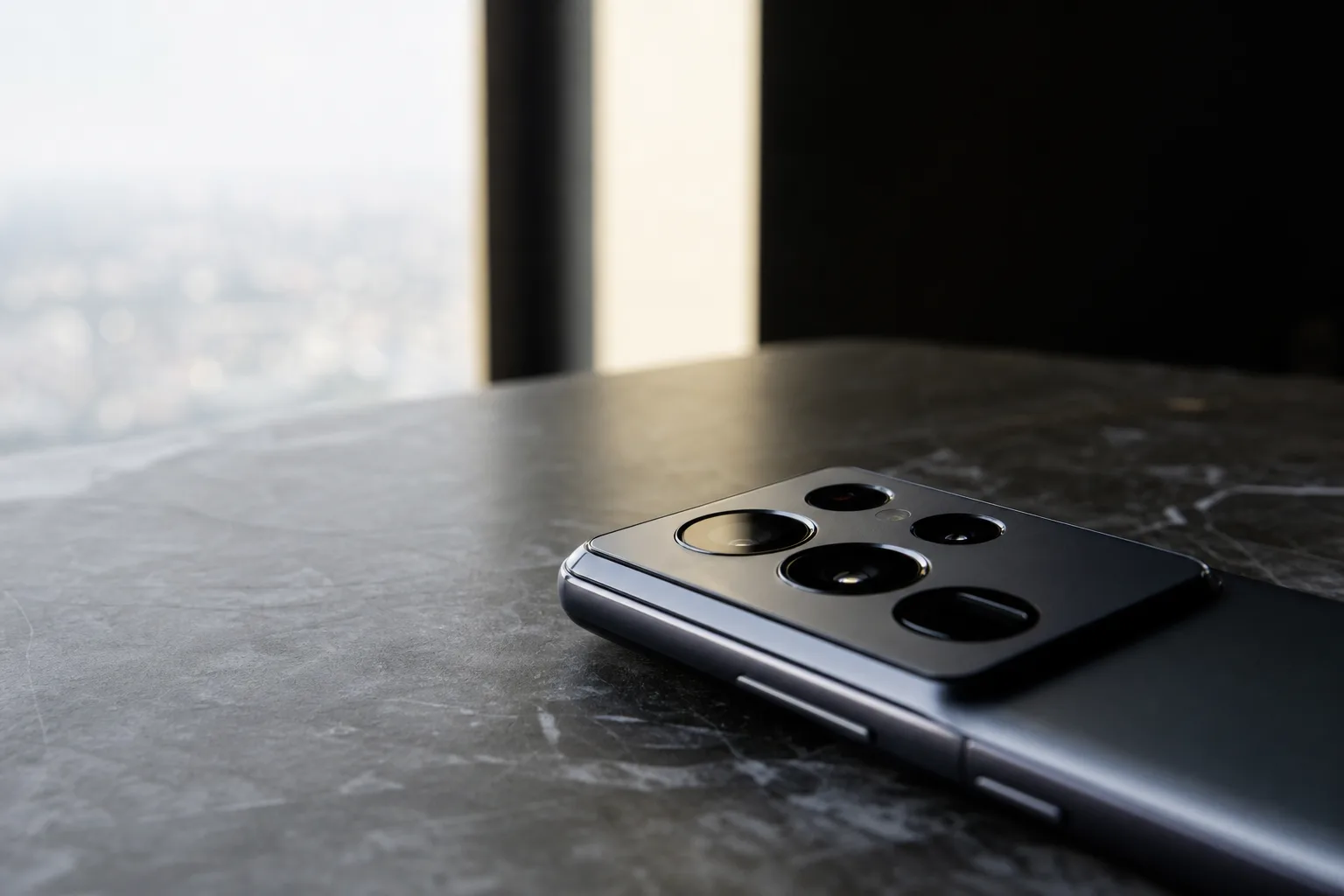
- Samsung ISOCELL HPC uses a redesigned pixel structure to raise charge capacity by 60%, targeting cleaner shadows and controlled highlights.
- The Samsung ISOCELL HPC could give the Galaxy S27 Ultra its first meaningful main-camera sensor refresh since the Galaxy S23 Ultra.
- Samsung claims 16-bit single-frame HDR and 16-bit RAW support, upgrades that matter most for demanding editors rather than casual snapshots.
- Mass production suggests Samsung’s new 200MP sensor may reach flagship Android phones soon, although no handset has been confirmed.
Table of Contents
Samsung ISOCELL HPC tackles the real 200MP problem
The Samsung ISOCELL HPC is Samsung’s latest attempt to make a 200-megapixel phone camera behave less like a spec-sheet trophy and more like a genuinely better camera. That distinction matters. Smartphone makers have spent years piling pixels onto sensors whose individual light-gathering sites are tiny, then asking software to clean up the compromises.
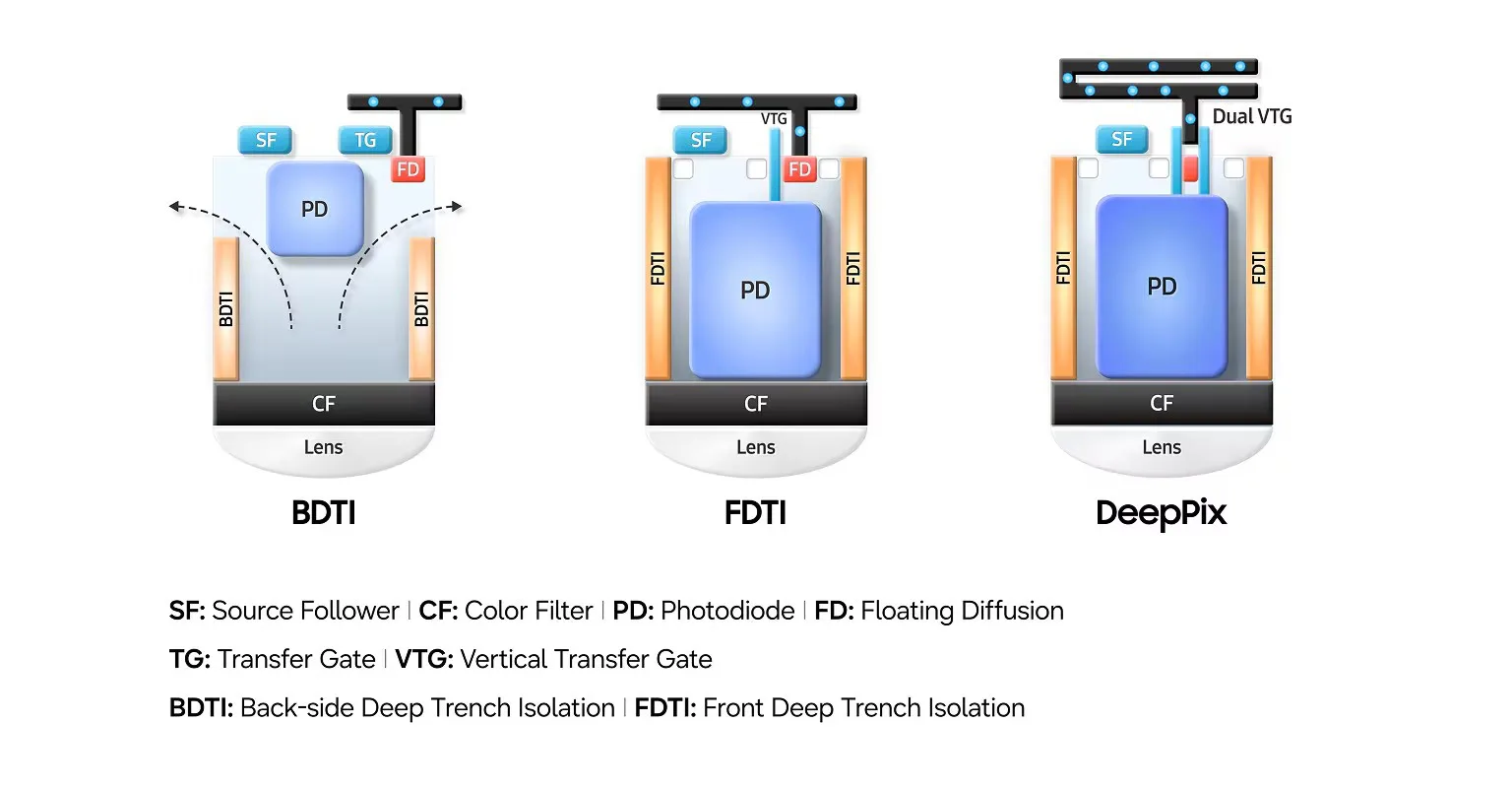
Samsung says the new sensor introduces DeepPix, a revised pixel architecture that increases full-well capacity by 60%. The phrase sounds aggressively semiconductor-industry, but the practical idea is straightforward: each pixel can hold more electrical charge before it clips. Think of it as giving every tiny bucket in the sensor a little more room before it spills over.
That should translate into more retained detail in bright skies, less murk in shadowy interiors, and reduced image noise when the phone has to work with limited light. Those are the parts of image quality people actually notice. A 200MP label is nice; a sunset that does not turn into a white smear above a black foreground is nicer.
See an overview of its mobile image sensor lineup. The company’s pitch for this generation centers on getting more useful data from pixels that remain physically very small. The Samsung ISOCELL HPC retains a 1/1.3-inch optical format and 0.6-micron pixels, essentially matching the dimensions of the ISOCELL HP2 found in Samsung’s recent Ultra flagships. This is not a larger-sensor breakthrough. It is an attempt to extract more from the same footprint.
That may sound modest, but sensor size changes are expensive in phone design. A larger module pushes on battery space, lens design, thickness and cost. Improving the silicon without demanding a whole new camera bump is the more realistic route.
DeepPix could matter more than another megapixel race
Samsung’s Ultra phones have used the HP2 as their main 200MP camera since the Galaxy S23 Ultra. It has produced excellent shots in favorable conditions, but Samsung’s imaging approach has often leaned heavily on processing: aggressive sharpening, bright exposures and an occasional tendency to make fine textures look a bit too eager. Anyone who has photographed foliage, fur or brickwork with a recent flagship knows the look.
The Samsung ISOCELL HPC will not magically erase those processing choices. Sensor hardware gives Samsung’s camera software more latitude; it does not force the company to make better taste decisions. Still, a 60% jump in full-well capacity is meaningful if the claim holds in shipping phones. More signal collected at the sensor is usually preferable to asking an algorithm to guess what was hiding in the dark.
Samsung also says the sensor can capture 16-bit HDR from a single frame, with four times the color capture of standard HDR, as well as 16-bit RAW files. Previous Samsung 200MP sensors have generally topped out at 12-bit or 14-bit RAW. For most people, JPEG and HEIC processing will remain the entire story. But photographers who pull highlights down, lift shadows or make serious color adjustments will have more room before banding and ugly color shifts show up.
The single-frame part deserves attention, too. Multi-frame HDR is often excellent, but it can struggle when a subject moves between exposures. Kids, pets, traffic, tree branches in wind — real life, basically. A single-frame HDR pipeline has the potential to reduce ghosting while preserving a broad tonal range, assuming Samsung can deliver the results outside a controlled lab demo.
Could the Galaxy S27 Ultra use it?
Samsung says the Samsung ISOCELL HPC is already in mass production, which immediately raises the obvious question: will it land in the Galaxy S27 Ultra? Samsung has not confirmed any phone adoption, and parts announcements are not product road maps. Still, this would be the cleanest possible successor to the HP2 because it keeps the same 1/1.3-inch format while addressing the camera’s weakest areas.
My read is that Samsung needs this upgrade more than its marketing department might admit. The Galaxy S Ultra line has remained capable, but Chinese competitors have been moving quickly toward larger main sensors and new high-dynamic-range designs such as LOFIC, short for lateral overflow integration capacitor. Those sensors effectively create extra capacity for bright scenes, helping prevent highlight clipping without sacrificing shadow detail.
Samsung’s DeepPix appears aimed at the same fundamental problem. Samsung may have reached that goal through circuitry unlike its rivals’ designs, but the pressure is obvious. Phone photography is no longer won by raw resolution alone, and the industry has finally begun treating dynamic range as a hardware issue rather than solely a computational trick.
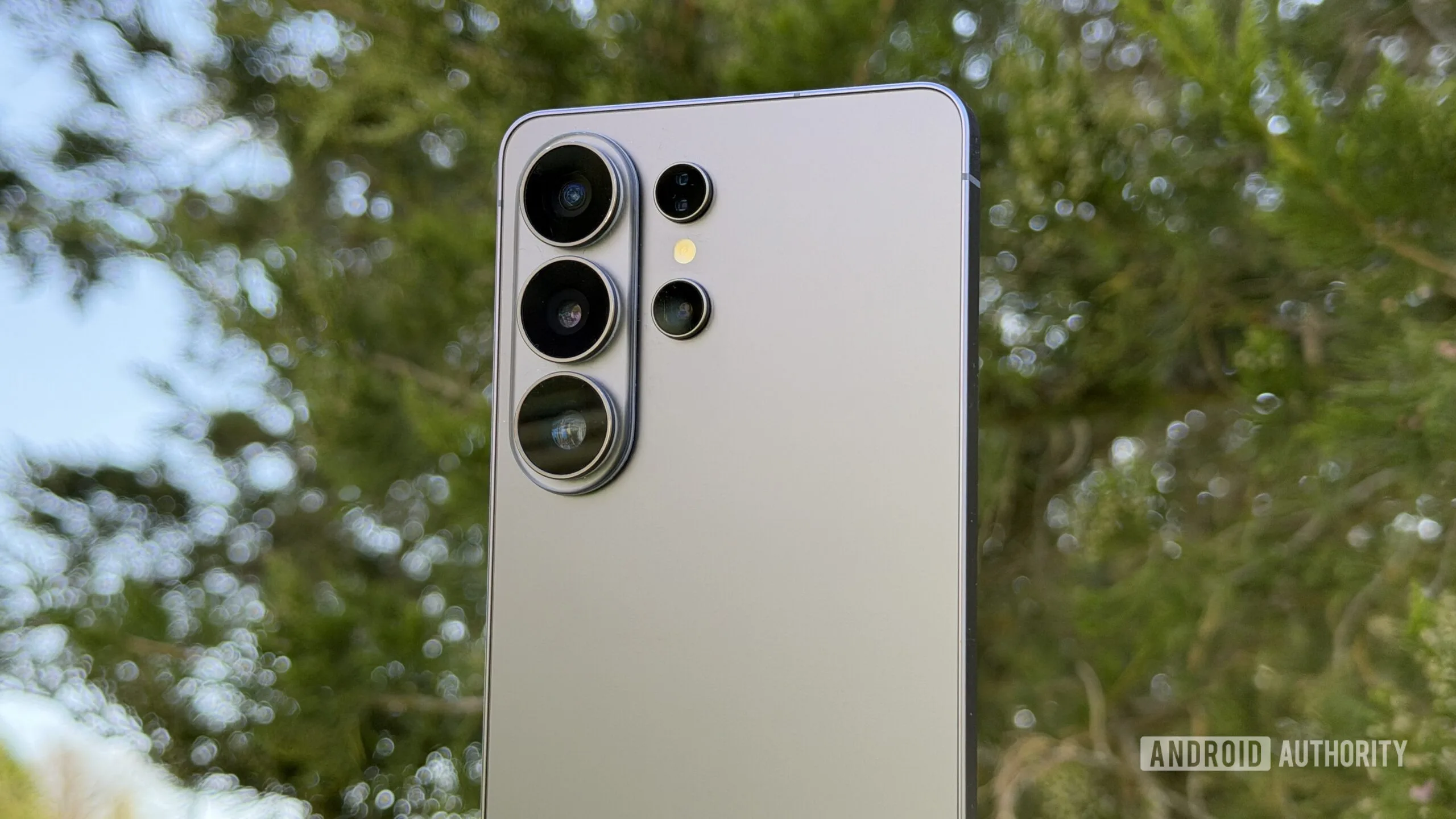
If Samsung puts the Samsung ISOCELL HPC in the Galaxy S27 Ultra, the win may be most obvious in scenes that expose current camera limitations: a backlit portrait at noon, a dim restaurant with bright windows, a concert stage surrounded by darkness. Those are situations where hardware headroom separates a good camera from one that merely looks good in a product launch slideshow.
Video gets a useful, if predictable, boost
The new sensor also raises the ceiling for high-speed recording. Samsung lists 4K at 180 frames per second and 1080p at 360fps. The former is the more interesting figure, because it could enable genuinely smooth slow-motion footage without dropping all the way to 1080p. It is the difference between a clip that looks polished on a modern display and one that feels like it came from an old action camera.
There is a catch. Samsung still lists 8K video at 30fps, not 60fps, so this is not the across-the-board video leap some creators may want. High-resolution video demands enormous bandwidth, processing power and thermal management. A sensor alone cannot solve that. Qualcomm’s next flagship silicon, Samsung’s image signal processing, storage speed and phone cooling will all determine what users can actually record for more than a few minutes.
Still, the Samsung ISOCELL HPC looks like a sensible upgrade rather than another empty megapixel escalation. Frankly, that is exactly what Samsung’s flagship camera needs. The company has enough resolution already; now it needs to prove that its next Ultra can see a difficult scene with the restraint and range of a proper camera. Whether Samsung’s software lets that new sensor breathe is the question that will decide the story.