
- The MacBook Air shortage has reportedly extended some Apple delivery estimates into September, affecting the company’s highest-volume Mac.
- Apple’s MacBook Air shortage points to a wider memory supply squeeze driven by data-center demand for AI infrastructure.
- Mac mini and Mac Studio availability reportedly tightened first, but consumer laptop buyers are now seeing the pressure.
- Apple may be raising prices and pursuing Chinese memory suppliers while emphasizing base-model MacBook Pro inventory.
Table of Contents
The MacBook Air shortage has reached Apple’s mainstream Mac
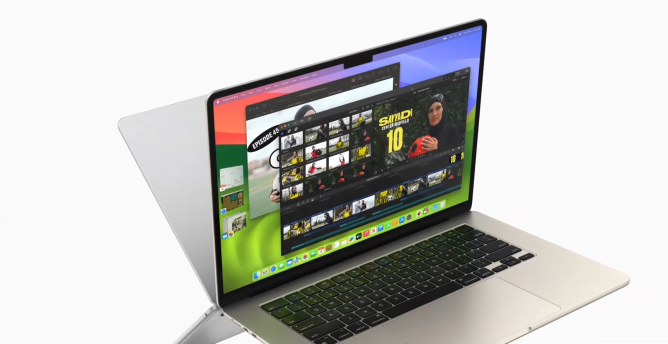
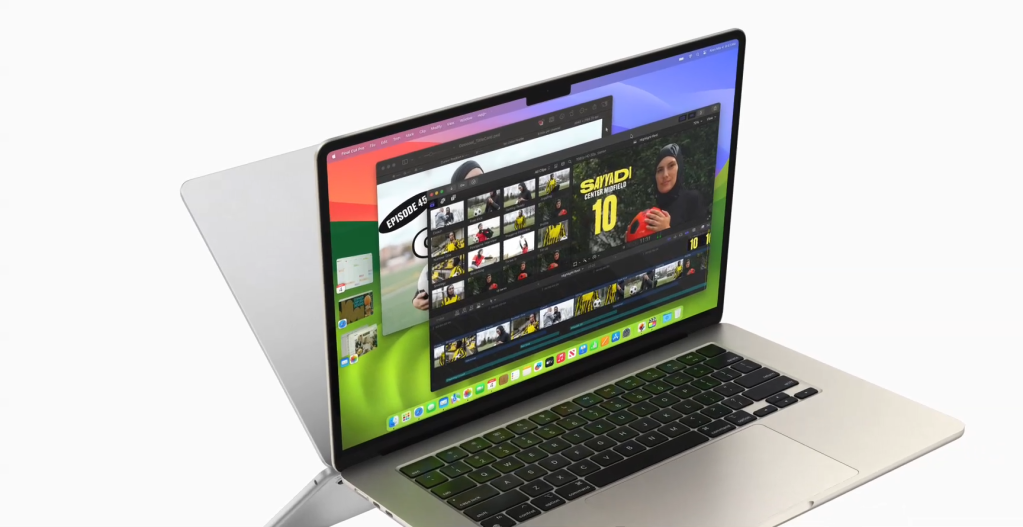
A MacBook Air shortage is a much bigger deal than a few delayed online orders. The Air is Apple’s default laptop: the machine students buy before class starts, the one employers hand out in batches, and the Mac most people mean when they say they’re thinking of getting a Mac. When that product starts slipping into late-August and September delivery windows, it suggests Apple’s component problem has moved well beyond the niche corners of its lineup.
Bloomberg’s Mark Gurman reports that constrained memory supplies had already hit the Mac mini and Mac Studio, two products that matter to developers and creative professionals but sell in far smaller volumes. Now retailers are reportedly seeing unusually tight MacBook Air inventory, while Apple’s own online store has pushed delivery estimates for certain configurations into September.
The timing is awkward. Apple’s back-to-school season is normally a reliable annual ritual, built around students making one expensive laptop decision that has to last several years. This year, according to Gurman, Apple delayed its latest education promotion from June and has shifted more attention toward the entry-level MacBook Pro. Its marketing reportedly carries a blunt caveat: “MacBook Air subject to availability.” Apple almost never talks like that unless the supply picture is genuinely uncomfortable.
Why AI is turning memory into a scarce resource
The immediate culprit behind the MacBook Air shortage is the global race to build AI infrastructure. Training and running large language models requires huge fleets of accelerators, servers and, crucially, memory. The headlines usually fixate on Nvidia GPUs because they are expensive and visibly scarce. But a modern AI server is more like a restaurant kitchen than a single magic oven: if one supplier can’t provide the ingredients, the entire operation slows down.
AI systems use specialized high-bandwidth memory alongside vast quantities of conventional server DRAM. Suppliers such as Samsung, SK Hynix and Micron have every financial reason to prioritize lucrative data-center orders. A cloud operator buying memory by the rack can be more attractive than a laptop maker purchasing parts for consumer machines with tightly negotiated margins. Apple may not have been pushed to the back of the line, exactly. The point is that even Apple is now competing in a market whose economics have changed fast.
The financial disclosures from Micron are available separately. AI-related demand reportedly has become a central driver of memory investment and product mix. Memory manufacturing also can’t be turned up overnight. New capacity takes years, while shifting production toward premium HBM can tighten the supply available for other memory categories.
That makes the MacBook Air shortage an indicator, not merely a purchasing annoyance. Apple has enormous buying power, long-term supplier relationships and a famously disciplined supply chain. If its most popular laptop is running late, smaller PC makers are unlikely to be having an easier time of it.
Apple’s response may change what buyers see on store shelves
Gurman says Apple is attempting to manage the squeeze through higher prices and by sourcing memory from Chinese suppliers. Neither move would be shocking. Apple regularly uses multiple suppliers where it can, and its procurement teams are among the most aggressive in the industry. Still, memory is not the sort of component where switching sources is as simple as buying a different phone charger. Apple has to validate performance, power use, reliability and production consistency across a tightly integrated hardware design.
The pricing angle is the more revealing one. Apple has long used memory upgrades as a highly profitable configuration ladder. If component costs rise, it can protect margins by raising the price of higher-memory versions, steering shoppers toward models it can build, or both. The base MacBook Air may remain the headline deal, while a shopper who wants more unified memory finds fewer configurations and a longer wait.
For buyers dealing with the MacBook Air shortage, the practical advice is unglamorous: check nearby Apple Stores and major retailers, be flexible on color, and avoid assuming the online estimate will improve before a deadline. A retailer may have a standard configuration sitting in a warehouse even as Apple’s build-to-order page points to September. But don’t buy a MacBook Pro purely because a promotional page has suddenly placed it front and center. The Air remains the better fit for plenty of people, particularly anyone who values low weight and all-day battery life over active cooling and a few extra ports.
The shortage may be a warning for the whole PC market
There’s a familiar irony here. AI has been sold to consumers as a feature that will make their devices more useful, from writing assistance to image generation. Yet the first visible effect for many people may be something far less glamorous: the laptop they wanted is unavailable, or costs more. Remember the pandemic-era chip shortage, when cars shipped without certain features and game consoles became scavenger-hunt prizes? Memory is a different bottleneck, but the lesson is similar. Supply chains look sturdy right up until demand concentrates in one hot category.
My read is that Apple will eventually work through this MacBook Air shortage. It has too much scale, too much cash, and too much influence over suppliers for the MacBook Air shortage to become a permanent condition. The more interesting question is whether AI data centers have permanently reset the price and availability of memory across consumer electronics. If they have, the humble RAM upgrade may stop feeling like an Apple tax and start looking like a global commodity problem.