Table of Contents
The latest report on the HMD first laptop has created new interest in a company that has spent years rebuilding its identity. The claim that HMD is preparing a Chromebook Flip signals a possible expansion that may influence the crowded laptop market. This report gives a full breakdown of the leak, the strategic meaning behind this move, and the possible effect on the larger Chromebook segment.
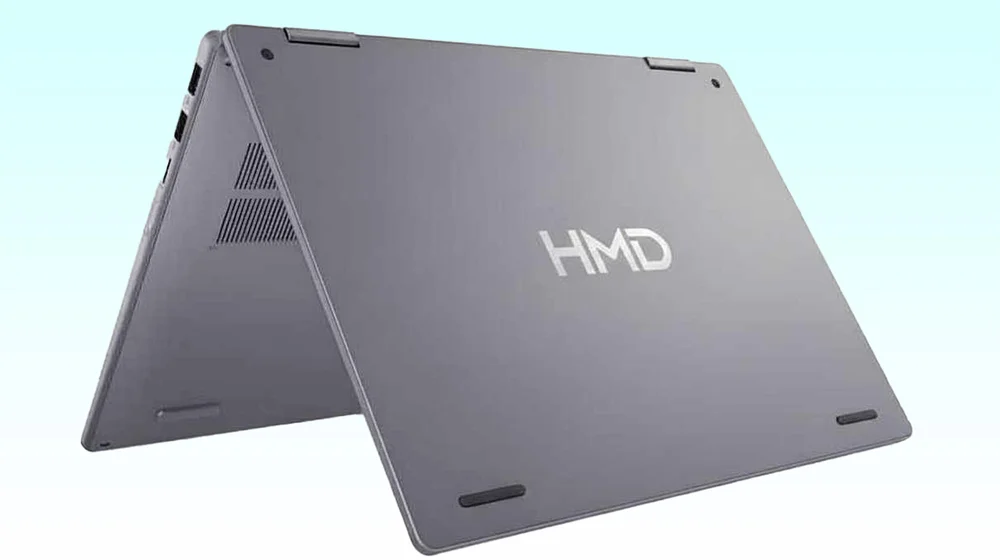
The HMD first laptop discussion began after a post from an online source showed evidence of a device that may be called the HMD ChromeBook CS1 Flip or HMD Book CS1 Flip. This single reference has started industry debate because HMD has never produced its own laptop under its own brand. The wider tech community has started to ask why HMD might enter a market with so much competition and why the timing suggests a major shift in product direction.
HMD built its current brand after taking control of Nokia’s phone business. The company then launched new devices under its own label. For years, HMD focused on mobile phones, tablets, and accessories. A laptop release would be a new chapter. In this SquaredTech analysis, I take a detailed look at what the leak means, how it fits into the Chromebook segment, and why the device could represent a key step in HMD’s long term strategy.
First Signs of the HMD First Laptop and Why the Leak Matters
The report on the HMD first laptop came from a user known for sharing early device information. The post described the device as a two in one Chromebook with a Flip style hinge. This means the display may turn fully around so the device can function as both a laptop and a tablet. Many convertible Chromebooks follow this format already, and users often enjoy the flexible design because it supports multiple use styles such as typing, drawing, watching video, and reading.
The leak used the name HMD ChromeBook CS1 Flip. The short name suggests HMD has already defined the product family. This is often a sign of active development. Manufacturing partners usually need a clear naming plan before large scale testing begins. This shift from phone production to laptop design shows that HMD may be preparing a broader hardware lineup.
HMD previously released devices under the Nokia brand, including the PureBook series. Those laptops came from a partner company rather than HMD itself. Production rights later expired, and the partner no longer sells devices under that label. The difference this time is clear. The HMD first laptop is expected to be produced by HMD without external licensing. This confirms a major internal expansion and shows the company is taking direct control over its hardware categories.
Information about technical features remains limited. However, the leak claims the new device will use an Intel processor. This is important because many entry level Chromebooks use chips from MediaTek. Intel processors often give stronger performance for tasks like multitasking, light productivity, and web based applications. If HMD selects Intel hardware, the company may be targeting buyers who want a more capable ChromeOS machine.
Experts inside the Chromebook space believe the presence of a full product name means the project is past the early idea stage. Internal teams tend to assign device names once the shape, function, and design direction have been approved. If this is correct, the HMD first laptop may already be in prototype testing. Companies usually run many test cycles before public release.
This update arrives at a time when Chromebook demand remains strong in education, home workspaces, and personal consumer use. Many users enjoy the simple interface of ChromeOS. They also appreciate fast startup times and the way the system stays responsive over long periods. HMD may see this as an opportunity to join a market with continued interest and clear growth channels.
Read more on our article, Google’s Aluminium OS: Android for PCs Arrives in 2026, published on November 26th, 2025, SquaredTech.
Why the HMD First Laptop Could Change the Company’s Strategy
The HMD first laptop story matters because the company has been expanding its product identity. Over the past two years, HMD has launched tablets, accessories, and new smartphones built under its own name. The step into laptops could allow the company to build a complete hardware ecosystem that serves multiple user needs.
HMD built early brand strength through Nokia devices, but its long term future depends on its ability to create hardware that carries its own identity. A laptop can help with that by giving HMD a presence in personal computing. Users often form stronger brand connections when they can use the same family of devices in their daily routine. If HMD produces a laptop with strong value, clear performance, and simple design, it may gain new consumer interest.
The Chromebook segment contains major players. Acer, Asus, Samsung, and Lenovo produce many of the most popular models. Entering a space with so much competition requires a clear strategy. HMD may focus on the convertible design, since the Flip concept remains popular among students, remote workers, and creative users. If the device uses an Intel processor, it may deliver an advantage in speed and app handling, giving it a competitive entry point.
Another possible reason for the HMD first laptop is the company’s interest in growing within Europe and Asia. Many buyers in these regions prefer devices with familiar design language and a strong price to performance balance. If HMD releases a device with modern features and fair pricing, it could attract users who want a reliable Chromebook without paying high prices.
The leak does not yet share information on memory size, storage options, display quality, or battery performance. These details matter because they determine the device’s final position in the market. Chromebooks come in many price bands. Some devices serve casual users, and others serve advanced buyers who want stronger performance. HMD must choose the correct place for the device to succeed.
If the device enters production, it may help HMD show its ability to create new hardware categories without relying on licensing. This shift could give the company more control over brand identity and future features. The Chromebook segment uses ChromeOS, and this system works well for companies that want to release simple and reliable devices.
What This Leak Means for Buyers and the Chromebook Space
The HMD first laptop leak gives early signs of a new device launch. If the HMD ChromeBook CS1 Flip moves forward, it will challenge other companies in the same segment. Many users choose Chromebooks because they want fast performance with simple upkeep, and a two in one device gives flexible use across many settings.
A new entrant in the Chromebook field can create stronger competition. This often benefits consumers because companies try to release better hardware with more features and fairer pricing. If HMD aims for a strong position, the company may introduce display upgrades, longer battery support, or improved build quality to attract early buyers.
HMD will also need to present clear value. Many Chromebooks already offer strong keyboards, bright displays, and reliable build materials. If HMD plans to use Intel processors, the company may be preparing a device that serves both general users and more demanding users who want smoother performance during multitasking.
The design of a Flip style Chromebook can also help HMD gain new attention. Many buyers want a device that can move from laptops tasks to tablet tasks within seconds. A full rotation hinge makes that possible. This function opens interest from students, teachers, remote workers, and users who need flexibility in daily life.
Leak information often arrives before full details become available. If the HMD first laptop is close to announcement, more information will appear through certification listings, supply chain reports, or official teasers. Product leaks often follow a pattern, and this early name leak may be the first part of a longer reveal process. SquaredTech will track the progress as new data appears.
Conclusion
The HMD first laptop leak points to a major development in the company’s strategy. If the HMD ChromeBook CS1 Flip reaches the market, it will represent HMD’s shift into personal computing with a product built under its own name. This move could expand the company’s presence and give users a new option in a competitive Chromebook segment.
SquaredTech will continue to review and analyze every update as more confirmed information becomes available. This report marks the start of a new phase for HMD, and we will follow every stage of this story as the company prepares its next major product.
Stay Updated: Gadgets