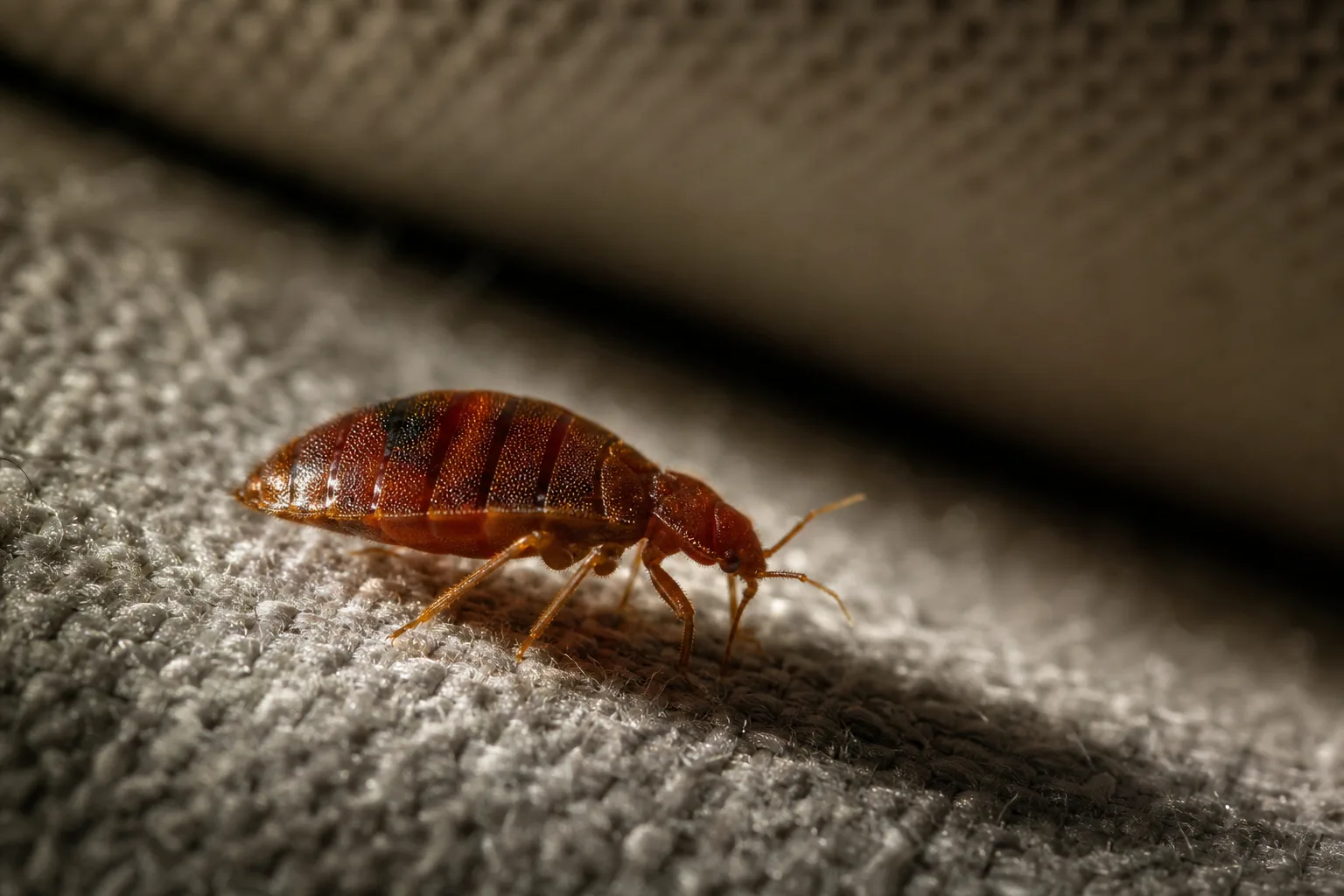
- A recurring bed bug infestation has struck the USDA’s APHIS facility in Beltsville, Maryland, multiple times this spring.
- The bed bug infestation keeps returning partly because rushed fumigation jobs are sending workers back too early.
- The Trump administration‘s hard-line anti-telework stance is leaving affected employees with few safe options.
- Workers are now discussing an OSHA complaint, fearing retaliation from the current administration.
Table of Contents
The Federal Agency Battling a Bed Bug Infestation From the Inside
There’s a particular kind of absurdity that only bureaucracy can manufacture. The USDA’s Animal and Plant Health Inspection Service — better known as APHIS — exists, among other things, to help the United States manage agricultural pests and disease threats. And yet, as of late May 2025, the agency’s own headquarters in Beltsville, Maryland is battling a bed bug infestation that just won’t quit. According to reporting by nonprofit news outlet NOTUS, one employee described the irony as something that “was lost on no one.”
That’s the kind of line that writes itself. But behind the dark comedy is a genuinely troubling story about workplace safety, rigid policy, and what happens when institutional pride collides with basic common sense.
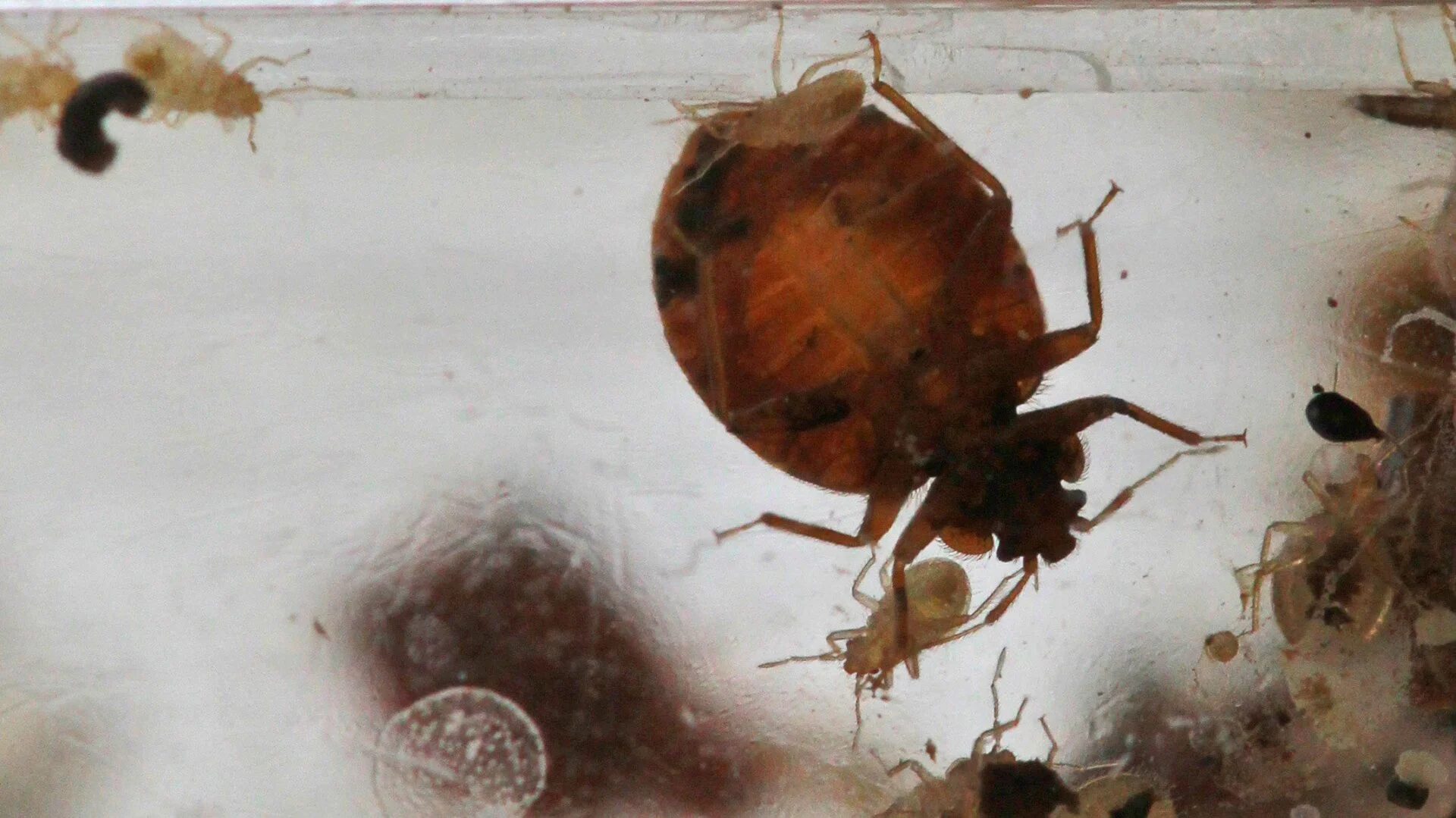
How the Bed Bug Infestation Spiralled Into a Policy Crisis
The trouble started in mid-May, when APHIS management first flagged the infestation at the George Washington Carver Center in Beltsville. Staff were given some work-from-home days while exterminators went to work — a reasonable response, on its face. But here’s where things get complicated.
The Trump administration has spent much of its second term waging an aggressive campaign against federal telework. This isn’t subtle messaging — it’s been a stated priority, applied broadly across agencies, including to employees with disabilities who had previously relied on remote arrangements. So granting even temporary WFH flexibility for pest fumigation was, according to those familiar with the situation, a significant concession.
The problem? That pressure to get employees back in the building appears to have cut short the fumigation process itself. Workers returned before the office had been properly aired out, and started reporting illness from residual pesticide exposure. The USDA then granted a few more days of remote work — and presumably ordered another round of extermination. But if the first job was rushed, there’s little evidence the second was given more breathing room.
By last Friday, the bed bug infestation had returned. Again. And this time, management drew a hard line: no further telework approvals. If employees don’t want to sit in a bed bug-riddled office, they’re welcome to burn through their personal vacation time instead.
Blame the Workers — The Carson Hawley Email
What really escalated the situation was a Friday mass email to staff from Carson Hawley, the department’s acting chief operating officer. In it, Hawley pointed the finger squarely at employees themselves, citing “insufficient compliance regarding personal items” as the reason the bed bug infestation keeps coming back.
That’s a remarkable thing to put in writing. The message essentially told workers: you brought this on yourselves. Bring fewer personal belongings into the office, and maybe the pests will stop.
There’s a kernel of truth buried in there — bed bugs do travel on clothing, bags, and soft items, and personal hygiene protocols can genuinely help contain outbreaks. But framing a recurring bed bug infestation as primarily the fault of frontline federal workers, in a building they’re required by policy to be in, while simultaneously refusing them the ability to stay home during extermination? That’s not pest management. That’s blame-shifting.
The employees who spoke with NOTUS weren’t buying it either. Their concern isn’t just about discomfort at the office — it’s about what happens if they bring contaminated personal items home. A bed bug infestation in your own house isn’t just unpleasant. It can mean destroyed furniture, professional extermination costs that can run into the thousands, and weeks of psychological torment. These aren’t trivial concerns, and calling it “non-compliance” doesn’t make them so.
The Anti-Telework Agenda and Its Real-World Costs
It’s easy to treat the return-to-office debate as abstract — a culture war between remote-work enthusiasts and managers who believe productivity requires proximity. But this situation at APHIS makes the stakes very concrete.
The Trump administration’s telework crackdown has been sweeping in scope. Federal employees across dozens of agencies have had remote work arrangements revoked or severely curtailed since January 2025. The reasoning given is usually about accountability, productivity, and the symbolic importance of showing up. What’s rarely discussed is what happens when the physical workspace itself becomes hazardous — whether due to fumigation chemicals, active pest infestations, or any number of other environmental factors.
Workplaces aren’t static. Buildings have maintenance cycles, environmental issues, and yes, occasional pest crises. The flexibility to work remotely during those periods isn’t a perk — it’s a practical tool. Stripping that tool away doesn’t just inconvenience workers; it creates pressure to rush remediation, which, as APHIS has now demonstrated twice over, can make the underlying problem worse.
Bed bugs, for what it’s worth, are notoriously difficult to fully eradicate. New York City’s 2010 outbreak — the worst the digital age had seen up to that point — took years to meaningfully bring under control, and even then was never fully resolved. The pests spread through human contact and travel, which is why a bed bug infestation in a high-traffic institutional setting like a government office building is particularly persistent. You don’t fix this kind of problem by pressuring your facilities team to finish faster.

Workers Eye OSHA — and Fear What Comes Next
According to NOTUS, affected APHIS employees have begun discussing whether to file a formal complaint with the Occupational Safety and Health Administration. Under normal circumstances, this would be a fairly routine escalation — employees have the right to report workplace safety hazards, and an active bed bug infestation combined with pesticide exposure is exactly the kind of thing OSHA exists to address.
But these aren’t normal circumstances. Federal workers in 2025 are acutely aware of what whistleblowing or formal complaints can mean when the administration has demonstrated a willingness to use workforce policy as a tool of political pressure. Several agencies have seen mass firings, restructuring, and targeted action against employees perceived as resistant or disloyal. The chilling effect is real, and the workers at APHIS reportedly feel it.
That’s a damning situation. Employees who may be experiencing health effects from pesticide exposure and repeat bed bug bites feel they can’t safely report it through official channels without risking their jobs. Whatever your views on federal telework policy in general, that’s not how a functional workplace operates.
What This Story Actually Reveals
Strip away the irony of a pest-fighting agency dealing with a bed bug infestation, and what you’re left with is a case study in what happens when rigid top-down policy ignores operational reality. The USDA’s refusal to authorize remote work — even temporarily, even during active fumigation — didn’t keep the office safer or more productive. It created a cycle of rushed remediation, premature returns, and now a third outbreak that managers are blaming on the very workers they forced to stay in the building.
Remote work flexibility in federal agencies was never just about convenience. It was, for many workers, a legitimate accommodation and a practical safety valve for exactly these kinds of situations. The current administration’s blanket opposition to it doesn’t account for edge cases — and as APHIS is finding out, edge cases have a way of biting back.