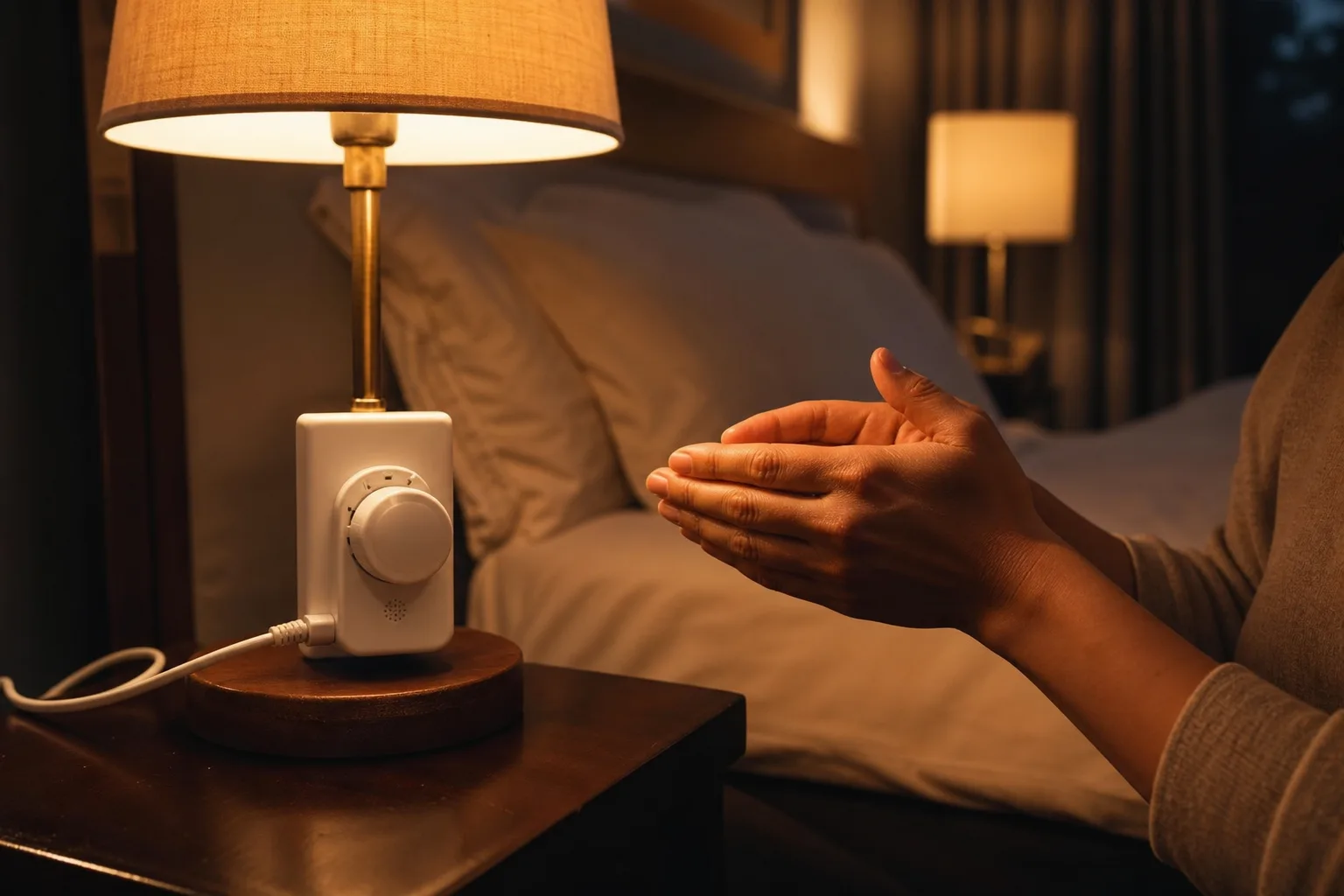
- The Clapper turned a crude sound-triggered switch into one of the most recognizable home automation products ever sold.
- The Clapper succeeded because its commercial explained the benefit instantly, even when the actual gadget could be finicky.
- Its technical limits expose a lasting problem for smart homes: convenience disappears when setup and reliability become work.
- Modern systems from Philips Hue to Alexa improved control, but they still chase the same promise of effortless domestic automation.
Table of Contents
The Clapper was smart home automation before the smart home
The Clapper promised a tiny domestic miracle: clap your hands twice and the lamp turns on or off. That’s the whole pitch. No app pairing, no password reset, no account creation, no voice assistant mishearing you at 2 a.m. It was home automation reduced to a gesture any exhausted person could understand.
The reality, naturally, was messier. The device listened for a particular rhythm of sound, usually two claps close together. Miss the timing, clap too softly, or produce the wrong sort of noise, and nothing happened. Sometimes it heard things you never intended as commands. A loud conversation, a dropped object, perhaps a television sound effect: in a home full of noise, a sound sensor has a hard time knowing what you meant.
Still, The Clapper became a cultural landmark. Its famous television campaign turned an ordinary plug-in switch into a household punchline and a shorthand for futuristic convenience. The ads sold a sleepy person avoiding a walk across the bedroom, not circuitry. That distinction is the entire story.
The gadget’s history, recently revisited by The Verge’s David Pierce and Victoria Song on their Version History podcast, reaches back to an earlier name: the Great American Turn-On. It sounds less like a product and more like an after-school public-service campaign, which may explain why the rebrand mattered. ‘Clap on. Clap off.’ is a product explanation, jingle, and call to action packed into four words.

Why The Clapper’s flaws barely mattered
Compared with today’s gadgets, The Clapper was not a particularly elegant technology. It could be temperamental, and its basic approach had obvious safety and compatibility limits. A plug-in unit that abruptly cuts power to whatever is connected is fine for an incandescent bedside lamp; it is a less reassuring proposition for devices with motors, electronic controls, or finicky power supplies.
That didn’t stop the product from becoming a hit because consumers don’t evaluate gadgets the way engineers do. They evaluate them at the moment of desire. You’re in bed. The light is on. The switch is across the room. Can this object remove that annoyance? If the answer appears to be yes, it has earned a place in the shopping cart.
Frankly, plenty of modern smart home products get this backward. They arrive with polished hardware, a handsome mobile app, five radio standards, and a support page that reads like tax paperwork. Then the user discovers the bulb needs a hub, the hub needs an update, and the update has broken the connection to Google Home. Remember when a simple light switch was allowed to be boring?
The Clapper had no ambiguity about its job. Its user interface was physical, visible, and memorable. The fact that it sometimes failed was inconvenient. The fact that everyone understood the promise in seconds was commercially powerful.
‘Clap on. Clap off.’ remains one of advertising’s clearest demonstrations that a product can be explained before the viewer has time to look away.
There’s an uncomfortable lesson here for an industry that loves feature lists. A gadget does not need to be technically perfect to lodge in the public imagination. But it does need a reason to exist that can survive a 30-second commercial. The Clapper had one.
The Clapper and the long road to reliable automation
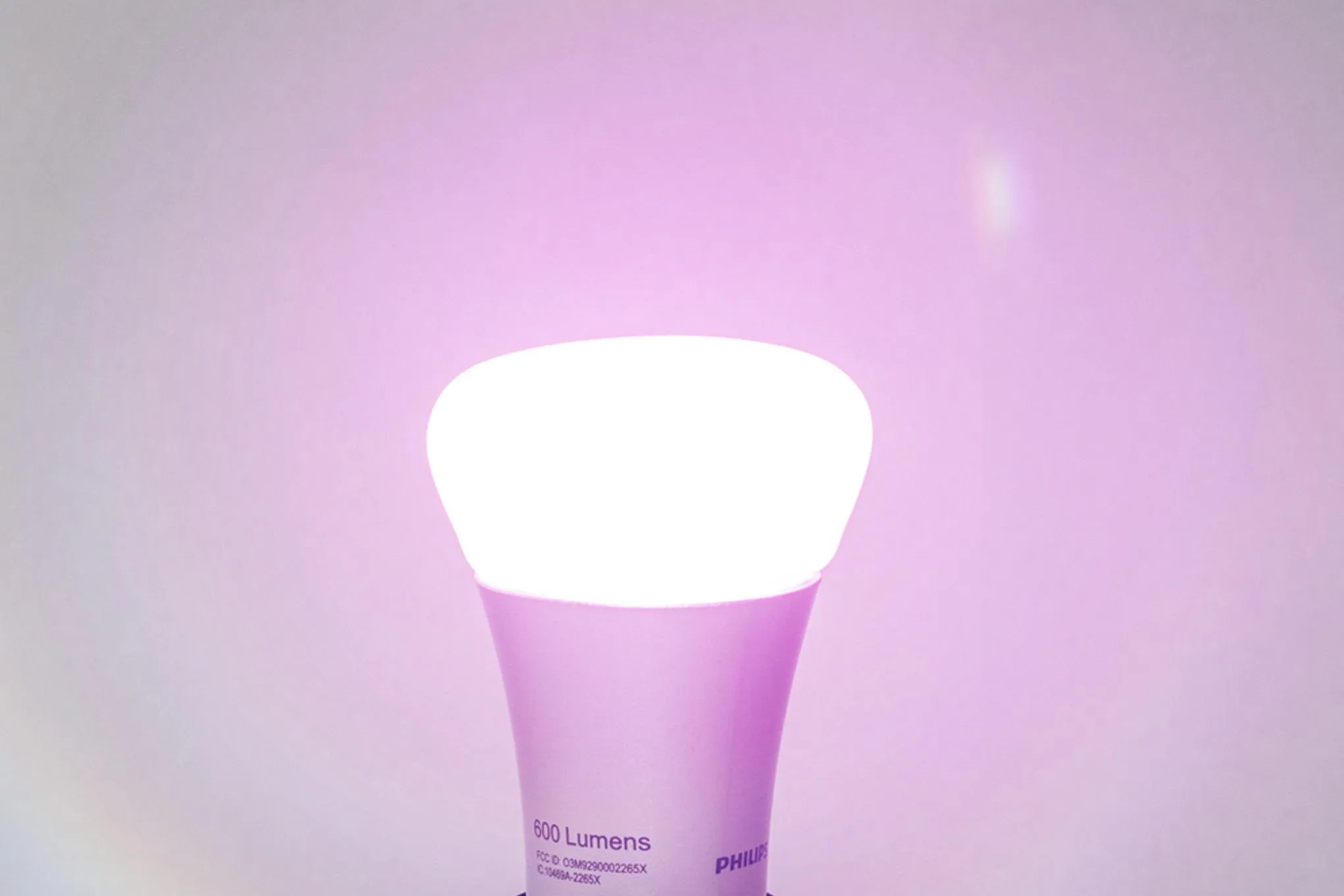
The home automation market has spent decades trying to solve the reliability problem that shadowed The Clapper. Timers and X10 systems gave enthusiasts scheduled control in the late twentieth century, but installation and interoperability were often a headache. Nest made thermostats feel like consumer electronics rather than contractor equipment. Philips Hue made connected lighting approachable by pairing a recognizable bulb with color and a clean app.
Hue is especially revealing. Its success did not come from making a bulb technically interesting. It came from making lighting flexible without forcing people to understand network protocols. The company still maintains an extensive overview of how its connected lighting system works, because the underlying reality remains more complicated than the consumer fantasy.
Voice assistants then revived the core idea behind The Clapper: a person makes a simple human signal, and the house obeys. Saying ‘turn off the bedroom lights’ is obviously more specific than clapping, and routines can combine multiple actions. But voice control has its own failures: privacy concerns, cloud outages, misheard requests, and the occasional absurd response from a system that has decided it knows better.
My read is that smart homes work best when they preserve the manual fallback. A wall switch should still switch. A lamp should still light after an internet outage. Automations should feel like a helpful concierge, not a landlord who has misplaced the keys. The Matter interoperability standard is intended to reduce some of the ecosystem fragmentation, but standards do not automatically make products intuitive.
The ad was the product’s real operating system
What made The Clapper durable was not its acoustic detection method. It was its identity. The product became an object people referenced even if they never owned one, a rare fate for a cheap accessory sold in late-night television slots. That is marketing doing more than moving inventory; it is marketing turning a mundane behavior into a shared cultural reference.
The contrast with today’s smart home business is telling. Many current devices are sold as gateways to an ecosystem: buy a speaker, then a camera, then a subscription, then perhaps a doorbell. The Clapper sold one very narrow outcome. It did not ask consumers to commit to a platform or hand over data about when they went to bed. It asked them to clap.
That simplicity has renewed appeal now that consumers are more wary of app-dependent hardware. A low-tech control can be more trustworthy than a sophisticated one if it works locally and does not demand a relationship with a server farm. The irony, naturally, is that The Clapper itself was not consistently trustworthy in practice. But it understood an enduring truth: the best automation feels almost silly in its obviousness.
Today’s smart home companies should take the hint. Don’t make users admire the architecture. Let them turn out the light without getting up, and make sure the light actually goes out. That was the promise in infomercial form. It remains the test.
Frequently Asked Questions
How did The Clapper work?
The Clapper used microphones and circuitry designed to detect a pair of sharp sounds, then switch a connected appliance on or off. Users plugged lamps or other devices into the unit, making it an early consumer form of sound-controlled home automation.
Why was The Clapper so popular?
Its appeal was immediate: clap twice and avoid getting out of bed to turn off a lamp. The product’s highly memorable television advertising made that benefit easy to understand, even for people who had never considered buying a home automation device.
Can The Clapper damage modern electronics?
It is best suited to simple lamps and appliances rather than complex electronics. Older plug-in switching products can create electrical stress when controlling certain loads, and modern devices with electronic power controls may not behave as expected after power is cut and restored.