

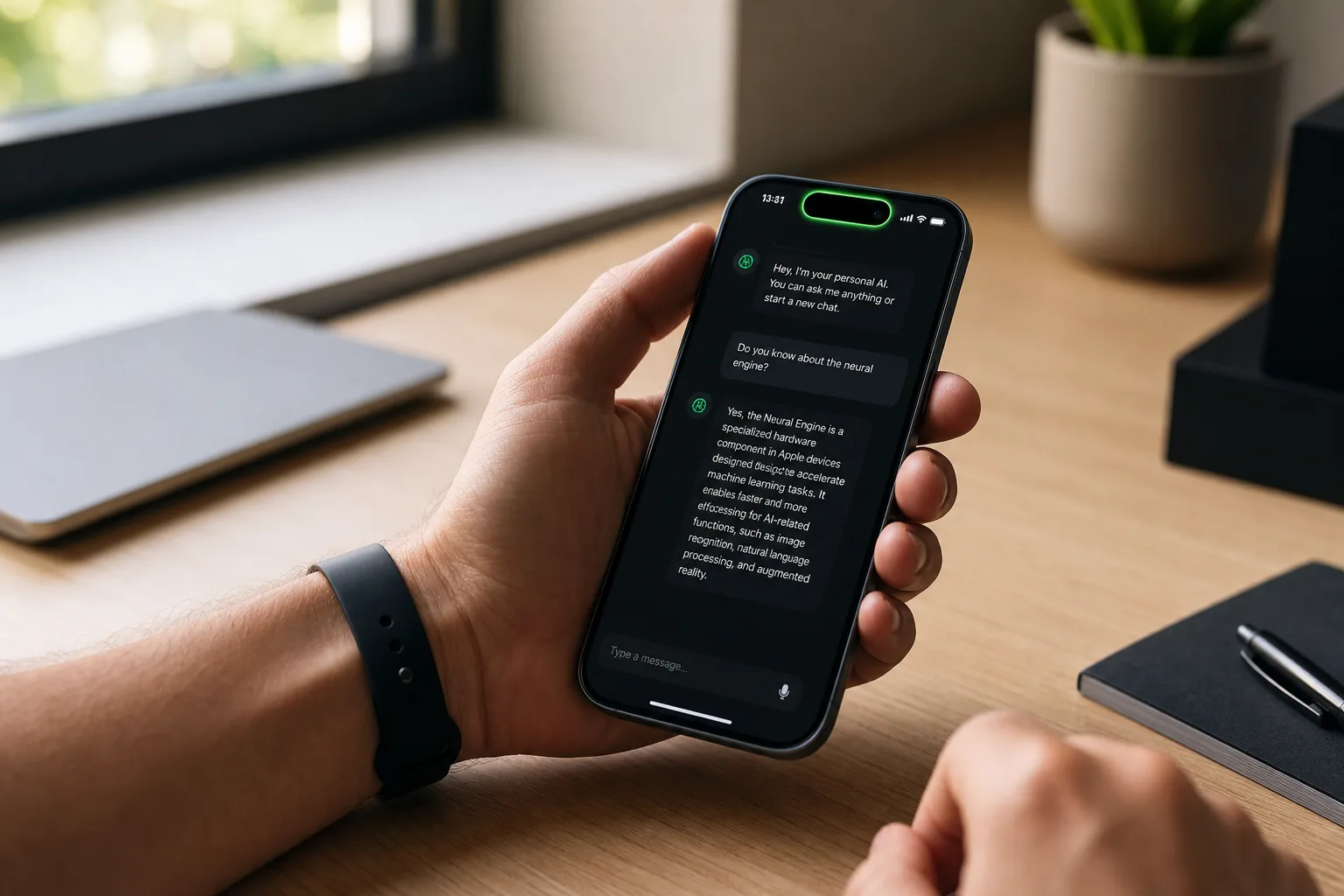
- New Siri AI can finally handle multi-event calendar imports, context-aware reminders, and personal data queries that work reliably.
- Apple built new Siri AI on Google’s Gemini models, which explains why its first feature set feels like Gemini from about a year ago.
- Apple uses on-device indexing and Private Cloud Compute to handle personal data — a fundamentally different approach from Google’s opt-in model.
- After years of broken promises, ‘it actually works’ is the most important thing Apple could say about its AI assistant right now.
Table of Contents
New Siri AI Is Here — and It Does What It Says
The bar Apple had to clear with new Siri AI wasn’t exactly high. After a spectacular stumble two years ago — when the company teased an intelligent, context-aware Siri at WWDC that essentially never arrived in any meaningful form — the ask from users was simple: just make it work. Based on early hands-on time with the developer beta, it does. Not in a way that will make you rethink your entire phone usage. But in the way that actually matters day to day.
Ask the new Siri to pull events from a school email — say, a ‘spirit week’ schedule or a list of upcoming soccer fixtures — and add them to your calendar in one shot? It does it. Ask it when you need to leave for the airport based on what’s already in your calendar and inbox? It figures it out. These aren’t exotic AI tricks. They’re the kind of tasks that should have been table stakes years ago, and the fact that we’re still celebrating them says a lot about where Siri has been.
What New Siri AI Can Actually Do
The feature set Apple is shipping feels deliberately scoped. New Siri AI can hold a conversational back-and-forth — ask it why your roses are struggling, and it’ll walk you through probable causes. Ask a follow-up about the nearest garden centre, and it’ll use your location context to give you a specific suggestion. From a single prompt, it can create a new reminder list, populate it with checklist items, and drop a related calendar event — all without you having to repeat yourself or hop between apps.
The personal context piece is where things get interesting. Siri now indexes data from your emails, messages, and calendar directly on device. When you ask something like ‘when does my camera rental need to go back?’, it’s not guessing — it’s cross-referencing a calendar entry and an email thread to give you an answer. That kind of grounded, personal-data awareness is what separates a useful AI assistant from a fancy search bar.
Guardrails seem solid, too. Attempts to get Siri to engage with anything shady were met with a flat ‘I can’t help you with that.’ No drama, no lengthy explanation — just a clean refusal. That’s the right call.

The Gemini Connection Nobody Should Be Surprised By
Here’s the thing about new Siri AI that Apple hasn’t exactly been shouting from the rooftops: it’s built on Google’s Gemini models. That’s not a criticism — it’s context. And it explains a lot about why the first release of Apple’s AI assistant feels, tonally and functionally, like a version of Gemini from roughly a year ago.
Google’s assistant has been adding multiple calendar events from screenshots for well over a year. It’s been diagnosing plant issues and scheduling garden maintenance reminders for months. The new Siri AI can do all of those things now too — which is great — but Android users watching the WWDC announcements could be forgiven for a mild sense of déjà vu.
The personality difference is subtle but real. Put the same wilting-flower prompt to both assistants and you’ll get two distinct responses. Gemini leads with empathy — ‘That is incredibly frustrating’ — before getting into the diagnosis. Siri skips the emotional preamble and goes straight to the problem. Neither approach is wrong, but Apple’s version feels more like a capable tool and less like a chatbot trying to be your friend. Whether that’s a feature or a limitation depends entirely on what you want from your phone.
How Apple’s Privacy Approach Sets It Apart
Even if the underlying model is Gemini, Apple’s implementation of new Siri AI is genuinely its own. The privacy architecture is where the two companies diverge most sharply. With Google’s assistant, you actively opt in to sharing your Gmail account or Google Calendar, and the AI goes directly to those sources when it needs information. It’s functional, but it means your data is being accessed at the cloud level in real time.
Apple’s approach is different by design. Personal data — emails, messages, calendar entries — is indexed on the device itself. When Siri needs to answer a question that draws on that information, it works from a local index rather than making a live call to your inbox. Prompts that genuinely can’t be handled on-device are escalated to Apple’s Private Cloud Compute infrastructure, but only the relevant fragments of personal data go along for the ride — not your entire email history.
It’s a more complex pipeline to build, and it’s arguably one reason Apple is shipping this later than Google. But for users who’ve been hesitant to hand their entire digital life to an AI assistant, it’s a meaningful distinction.
Apple’s Trust Problem — and Whether This Fixes It
Let’s be honest about the hole Apple dug itself into. Around two years ago, the company made sweeping promises about what the new Siri could do — on-screen awareness, deep app integration, the ability to understand and act across your entire iPhone experience. Most of it never shipped. What did arrive was partial, delayed, and a long way from what was demoed on stage. That’s a trust deficit that a single developer beta can’t fully erase.
What this release does do is prove that Apple learned from the embarrassment. The version of new Siri AI in the developer beta is notably more conservative in scope than what was promised two years ago — and that’s exactly the right move. Ship what works. Don’t over-promise. Let the product speak.
‘It works’ and ‘it will actually ship to customers’ were, by any reasonable measure, the two things Apple absolutely could not afford to get wrong this time around. Based on early testing, both boxes appear to be checked. The feature set is modest — this Siri isn’t ordering your dinner or autonomously managing your schedule — but it’s honest about what it is.
What Comes Next for Siri
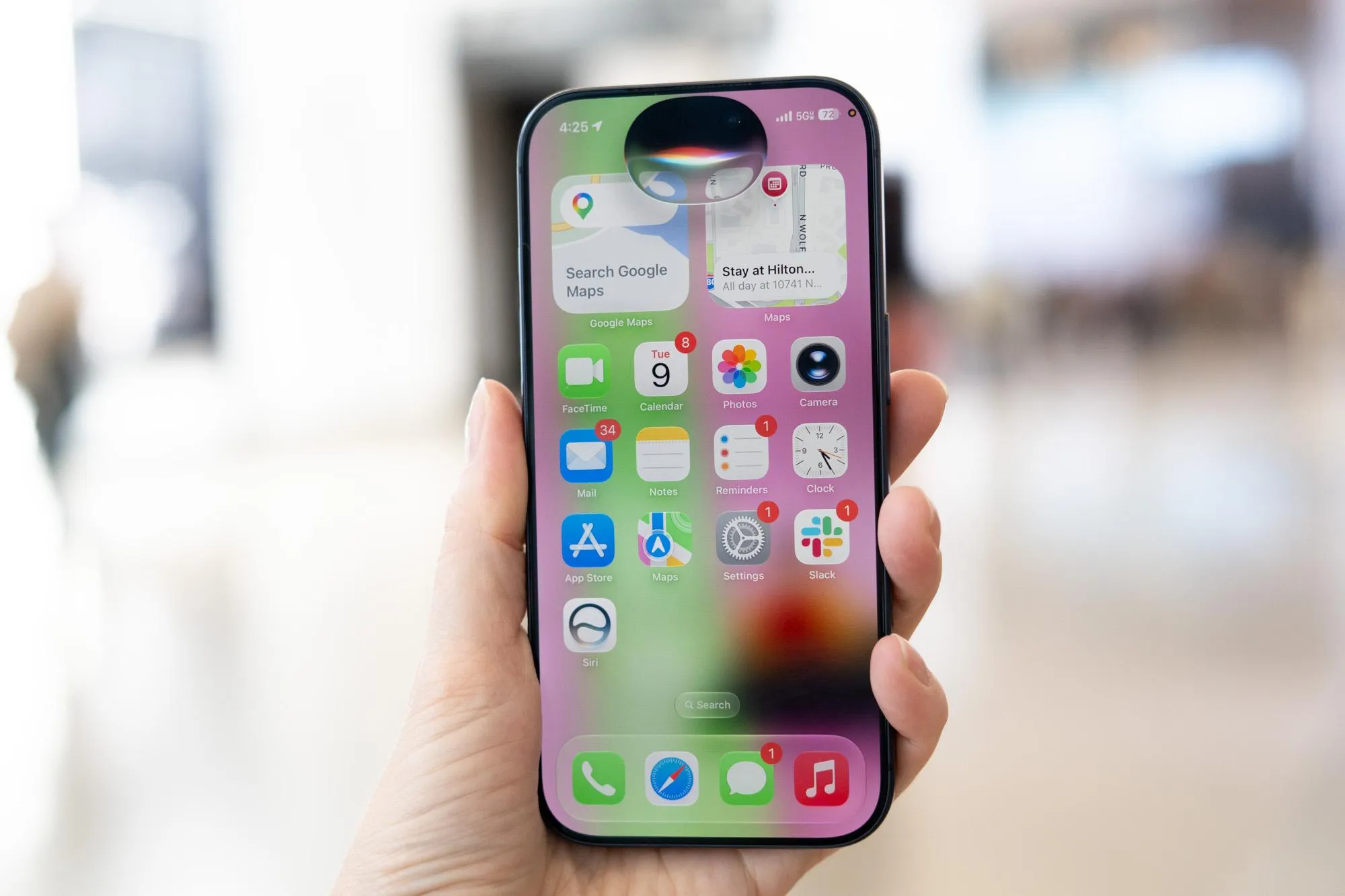
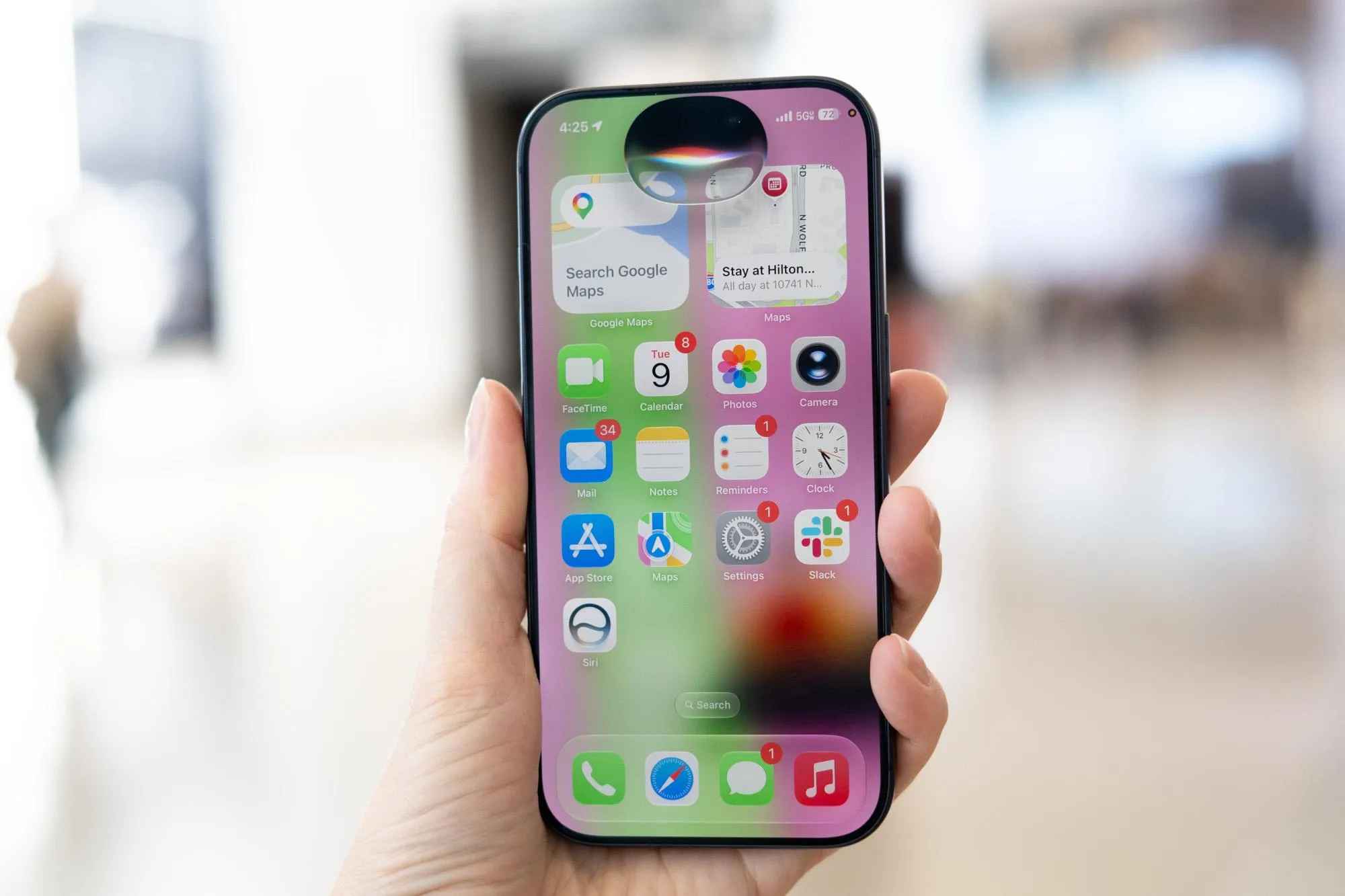
The surface-level changes in the developer beta reflect Apple’s intent to make new Siri AI feel ambient rather than optional. It surfaces in the search bar with a blinking prompt to ‘search or ask.’ Long-pressing the side button now summons Siri from the Dynamic Island rather than throwing a glowing border around the entire screen. Small things, but they add up to a phone that’s quietly nudging you toward using the assistant more often — which only works if the assistant is actually useful.
The bigger question is where Apple takes this over the next 12 to 18 months. Gemini on Android is a moving target — Google has been iterating aggressively, and the gap between what Siri can do today and what Gemini can do today is still real. Apple’s advantage, if it can press it, is the privacy architecture and the depth of on-device integration that no third-party model can replicate through an API. That’s a compelling long-term story — but only if the feature pace picks up and Apple doesn’t repeat the cycle of promising more than it delivers.
For now, ‘it actually works’ is a genuine milestone for a product that has been more punchline than assistant for the better part of a decade. It’s a foundation, not a finish line.
Frequently Asked Questions
What can new Siri AI actually do in iOS 27?
New Siri AI can pull information from your emails and calendar to answer questions, add multiple events to your calendar from a single prompt, create reminder lists, suggest nearby locations using personal context, and diagnose problems like wilting plants — all from a conversational prompt.
Is new Siri AI built on Google Gemini?
Yes. Apple built the new Siri AI on Gemini models, which explains why its current feature set closely mirrors what Gemini on Android was doing roughly a year ago. Apple layers its own on-device indexing and Private Cloud Compute infrastructure on top.
How does Apple handle privacy with new Siri AI?
New Siri AI indexes personal data — from emails, messages, and calendar — directly on your device. Prompts that require cloud processing are sent to Apple’s Private Cloud Compute with only the relevant data fragments attached, rather than sharing full account access.
When is new Siri AI available to users?
New Siri AI is currently available in a developer beta. A public release for iPhone users has not been officially dated yet, but the developer beta represents a more complete and functional build than the AI Siri previewed previously.

