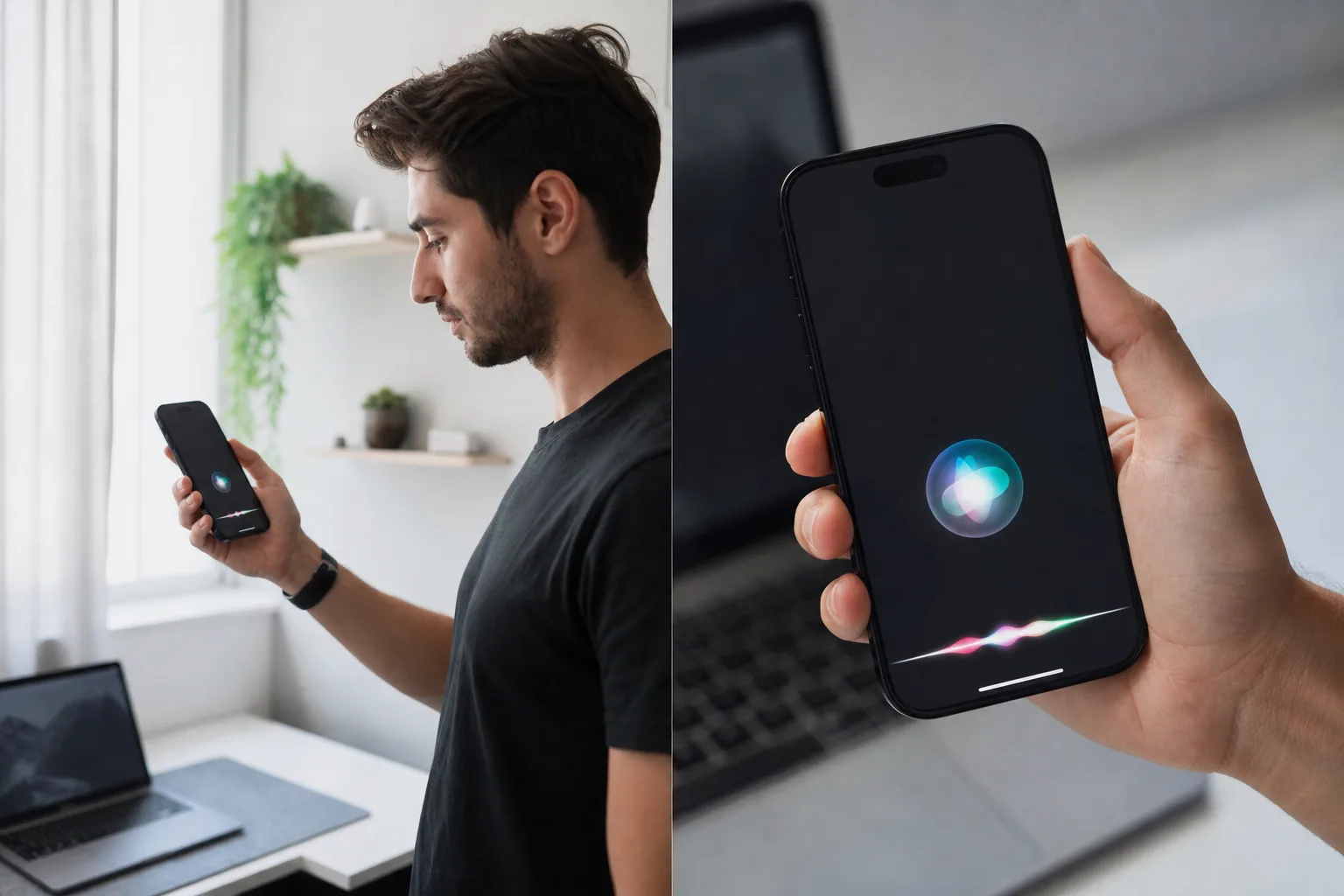
- Apple WWDC 2026 finally unveiled a rebuilt Siri, two years after the original AI promises fell flat.
- At Apple WWDC 2026, demos were filmed on real devices — a deliberate shift from 2024’s criticised concept videos.
- Apple agreed to pay a $250 million settlement over false advertising claims tied to its 2024 AI feature announcements.
- The new Siri launches with iOS 27 and works on iPhone 15 Pro, iPhone 16, and newer devices — no new hardware required.
Table of Contents
Apple WWDC 2026 Opens With Homework, Not Headlines
Apple WWDC 2026 had the energy of a contractor who’s finally finished the bathroom renovation they promised eighteen months ago. There wasn’t a lot of ‘wow.’ There was a lot of ‘done.’ The keynote opened by walking through a checklist of fixes: refinements to last year’s divisive ‘Liquid Glass’ design language, a long-overdue overhaul of the system’s famously broken search function, improvements to the Playground feature, and a handful of other quality-of-life updates that users had been asking for since iOS 18. Not exactly the stuff of breathless tech coverage — but perhaps more valuable, because these are real problems that real people hit every day.
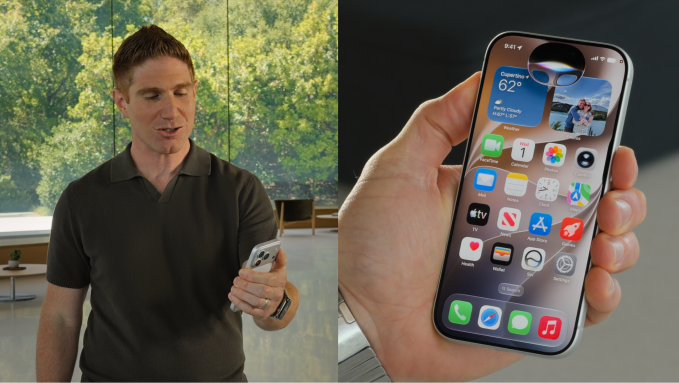
Then came the moment the room had been waiting for. Two years after Apple stood on the Flint Center stage (metaphorically speaking) and told the world that a smarter, more capable Siri was coming, the company finally showed a version that looked like it might actually exist. The rebuilt voice assistant sat at the centre of the AI portion of the Apple WWDC 2026 keynote, promising deeper contextual awareness, tighter integration across apps, and responses that don’t require you to repeat yourself three times before the assistant understands what you want.
The Demo Style That Said Everything
Here’s the thing nobody should overlook: it wasn’t just what Apple showed at WWDC 2026. It was how they showed it. Cast your mind back to the 2024 keynote, when Apple Intelligence and the new Siri were introduced to the world through glossy, cinematic production videos. They were beautifully made. They were also, it turned out, more vision board than product roadmap. Critics and users alike labelled them ‘vaporware’ — a charge that stung, and one that followed Apple through 2024 and well into 2025.
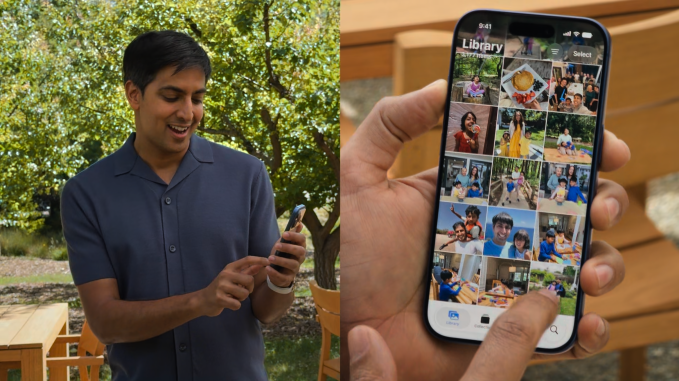
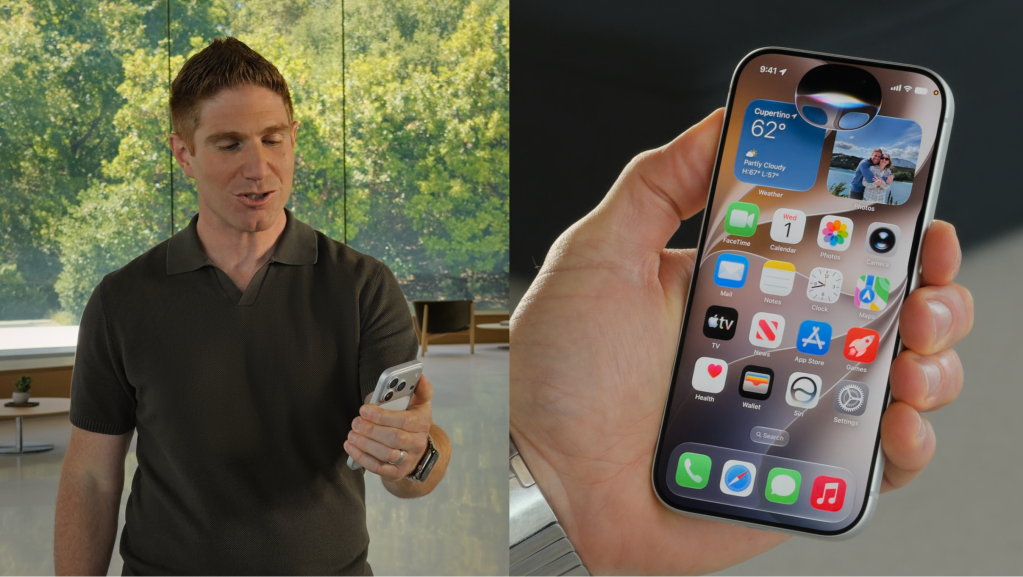
This year’s Apple WWDC 2026 presentation took a noticeably different approach for the AI feature demos. Rather than sweeping montages set to upbeat music, Apple showed someone standing there — phone in hand — pressing buttons and issuing voice commands while a second camera captured what happened on screen in near-real time. Pre-taped, yes, but deliberately unglamorous. The implicit message was unmistakable: these features work on an actual device, and you will be able to use them. Comments on X on Monday drew the comparison directly, with observers noting the contrast between this year’s grounded demos and the 2024 concept videos that ultimately became a legal liability.
How a $250 Million Settlement Reshaped a Keynote
That legal liability crystallised in a federal lawsuit alleging Apple had engaged in false advertising when it promoted AI features at WWDC 2024 that weren’t ready — and, in some cases, didn’t arrive for months or years. The reputational risk was serious. Apple’s brand equity has always rested on the idea that its products are polished before they ship. The gap between the 2024 promise and the 2025 reality — where Apple quietly told Daring Fireball that rolling out those features was ‘going to take us longer than we thought to deliver’ — made that brand promise look shaky.
Last month, Apple agreed to pay a $250 million settlement to resolve the suit, without admitting wrongdoing. That’s a significant number — not ruinous for a company of Apple’s scale, but large enough to concentrate minds. And the Apple WWDC 2026 keynote style suggests it did exactly that. Whether legal counsel had a hand in shaping the demo format or whether it was a product marketing decision, the outcome was the same: Apple showed working software on real hardware, rather than asking audiences to trust that something seen in a polished video would eventually materialise.
It’s a pattern worth watching across the industry. As AI feature announcements have proliferated — from Google’s Gemini demos to Microsoft’s Copilot rollouts — the gap between what gets announced and what actually ships has become a defining tension in consumer tech. Apple isn’t alone in overpromising, but its size and profile mean it takes the loudest heat when the gap shows up.
No New iPhone Required — And That’s a Statement
The device compatibility story is where Apple WWDC 2026 made its most politically savvy move of the day. When the company introduced Apple Intelligence at WWDC 2024, it tied access to the iPhone 15 Pro and devices running M1 chips or better — creating a hardware upgrade pressure that felt calculated. The features then didn’t arrive as promised, leaving people who had upgraded specifically for those capabilities frustrated and, apparently, litigious.
This time around, the new Siri and the broader iOS 27 AI feature set will be available on the iPhone 15 Pro and Pro Max, and all iPhone 16 models and later. Given that the current flagship is the iPhone 17, that means the majority of users who’ve upgraded within the last couple of years can access these features without opening their wallets again. That’s a meaningful concession — one that signals Apple has learned something from the backlash of tying undelivered promises to hardware it was selling at the time.
The compatibility list extends well beyond the iPhone. Apple WWDC 2026 confirmed iOS 27’s AI features will reach the iPad mini with an A17 Pro chip, iPads running M1 or later, the MacBook Neo (featuring Apple’s A18 Pro), Macs with M1 or later, Apple Vision Pro, and Apple Watch Series 10, Ultra 2, and SE 3 — provided the Watch is paired with an Apple Intelligence-enabled iPhone. It’s a broad sweep, and it reinforces the idea that Apple is trying to make this rollout feel inclusive rather than exclusive.
Apple WWDC 2026 and the Bigger Picture for AI Credibility
There’s a broader lesson here that extends beyond Apple’s own product cycle. The AI industry has spent the last three years operating in an environment where the gap between demo and delivery was treated as acceptable — where ‘coming soon’ carried real marketing weight. That’s getting harder to sustain. Regulatory scrutiny around AI advertising claims is increasing in both the US and the EU. Consumer patience with vaporware is visibly fraying. And as Apple’s $250 million settlement shows, the financial consequences of overpromising have started to arrive.
Whether the new Siri actually delivers on what was shown at Apple WWDC 2026 remains the real test. Pre-taped ‘live-like’ demos are more credible than concept videos, but they’re not the same as shipping software in the hands of millions of users. Apple has bought itself some good faith with a more honest presentation format and a broad device compatibility list. Now it has to follow through — and this time, the company knows exactly what the cost of falling short looks like.
Frequently Asked Questions
What new AI features did Apple announce at Apple WWDC 2026?
Apple WWDC 2026 centred on a fully rebuilt Siri, improvements to Apple Intelligence, an overhauled search function, and updates to Playground. Most features will ship with iOS 27 and are available on iPhone 15 Pro, iPhone 16, and later — no upgrade to the iPhone 17 required.
Why did Apple pay a $250 million settlement before WWDC 2026?
A federal lawsuit alleged Apple falsely advertised AI features shown at WWDC 2024 that weren’t actually ready to ship. Apple agreed to settle for $250 million without admitting wrongdoing, after acknowledging in early 2025 that delivering those features was going to take longer than expected.
Which devices will support the new Siri from iOS 27?
The new Siri is compatible with iPhone 15 Pro and Pro Max, all iPhone 16 models and later, iPad mini (A17 Pro), iPads with M1 or later, MacBook Neo (A18 Pro), Macs with M1 or later, Apple Vision Pro, and Apple Watch Series 10, Ultra 2, and SE 3.
How were the Apple WWDC 2026 AI demos different from 2024?
In 2024, Apple showed polished concept-style videos that critics called ‘vaporware.’ In 2026, many AI features were shown in a ‘live-like’ format, with a person operating an actual device on camera — implying the features are working and nearly ready to ship.