


On August 12, 2026, the Spain solar eclipse 2026 will carve a narrow corridor of totality across northern Spain — arriving, dramatically, in the final minutes before sunset. It’s the kind of astronomical event that makes even seasoned eclipse-chasers nervous. The geometry is tight, the sun will be low on the horizon, and the margin for error is essentially zero. Get the location wrong, and you’ll walk away with a partial eclipse. Get it right, and you’ll witness one of Europe’s most spectacular celestial moments of the decade.
- The Spain solar eclipse 2026 on August 12 crosses northern Spain just before sunset, making horizon access critical.
- Cities like Madrid and Barcelona miss totality entirely — the Spain solar eclipse 2026 path runs strictly across the north.
- Valladolid and Palencia offer the best cloud odds, with historical clear-sky rates of just 19–23% cloud cover.
- Coastal cities like A Coruña and Gijón experience totality first but face higher cloud risk, above 50%.
Table of Contents
Why Madrid and Barcelona Won’t Cut It
Here’s the thing that’s going to frustrate a lot of casual tourists: Spain’s two biggest cities are, for this eclipse, essentially useless. Madrid achieves 99.96% partiality — which sounds impressive until you realise that the remaining 0.04% of the sun that stays uncovered is exactly what separates a dramatic sky show from a slightly dim afternoon. No corona. No plunge in temperature. No stars appearing at midday. Totality is binary — you’re either in it or you’re not. The Spain solar eclipse 2026 makes that distinction brutally clear. Expect a significant movement of people out of both Madrid and Barcelona in the days leading up to August 12, heading north in search of the real thing. Hotels along the path of totality are going to be scarce well in advance.
The path of the Spain solar eclipse 2026 runs from Spain’s northwest Atlantic coast to its eastern Mediterranean shore, passing through some of the country’s most historically rich cities. Because totality arrives close to sunset, the eclipsed sun will sit very low — between roughly 6 and 12 degrees above the west-northwest horizon depending on your location. That changes everything about how you plan your viewing spot. You don’t just need a clear sky; you need a clear horizon. Trees, buildings, and hills in the wrong direction can ruin the whole experience.
The Spain Solar Eclipse 2026: 10 Cities Worth Travelling For
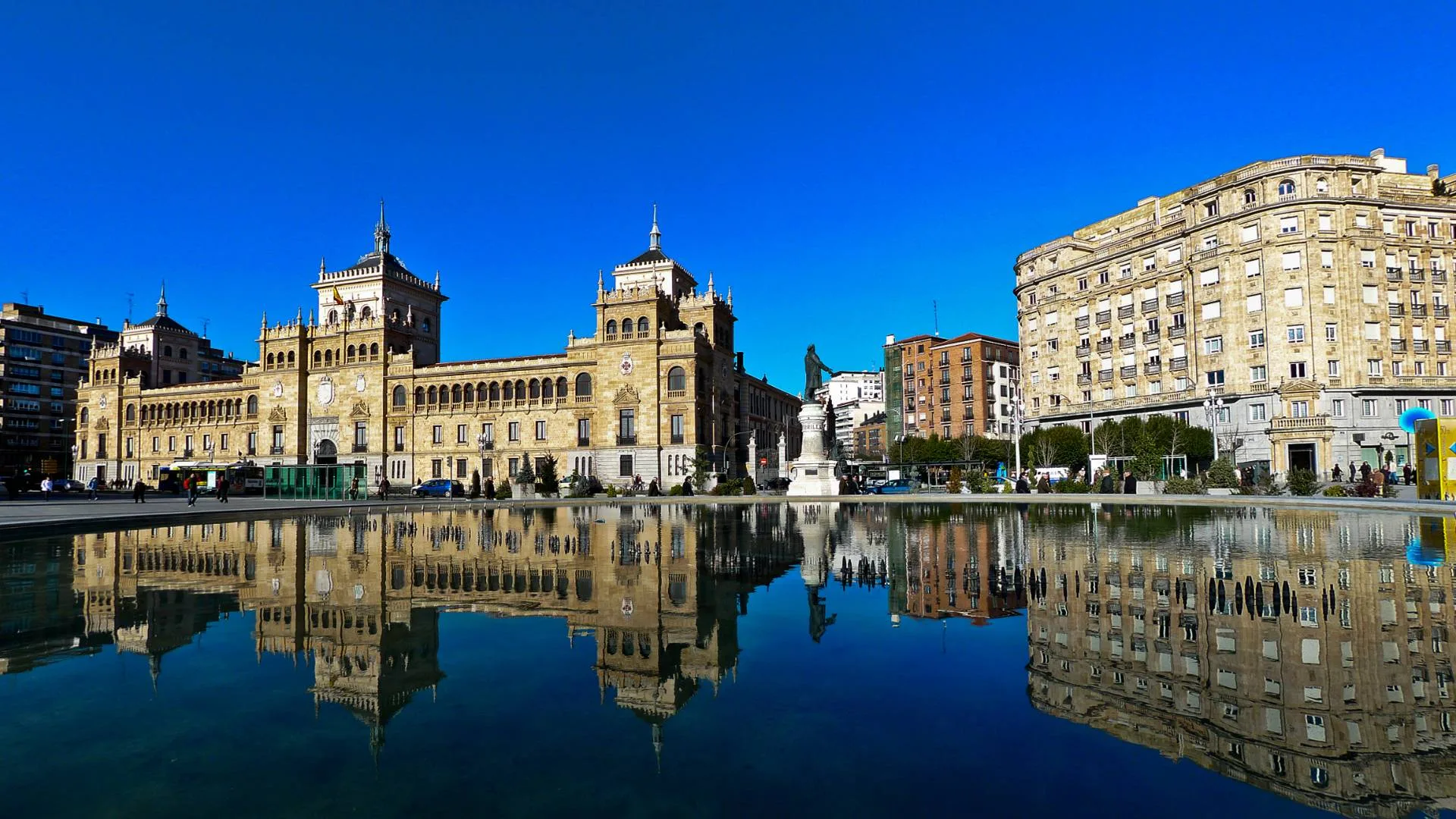
1. Valladolid — The Smart Bet
If you’re optimising purely for probability of success, Valladolid is your answer. Sitting in the flat expanse of Castilla y León, it offers a historically low cloud cover chance of just 19% and a totality duration of 1 minute 29 seconds at 8:29 p.m. CEST. The Playa de las Moreras river beach on the east bank of the Pisuerga River has some clear sight lines, but urban buildings can complicate things. The safer pick is the Parque Urbano de las Contiendas to the west — open, elevated enough to matter, and away from the city’s built-up core. For the Spain solar eclipse 2026, Valladolid is the location that serious observers keep coming back to.
2. Palencia — Underrated and Open
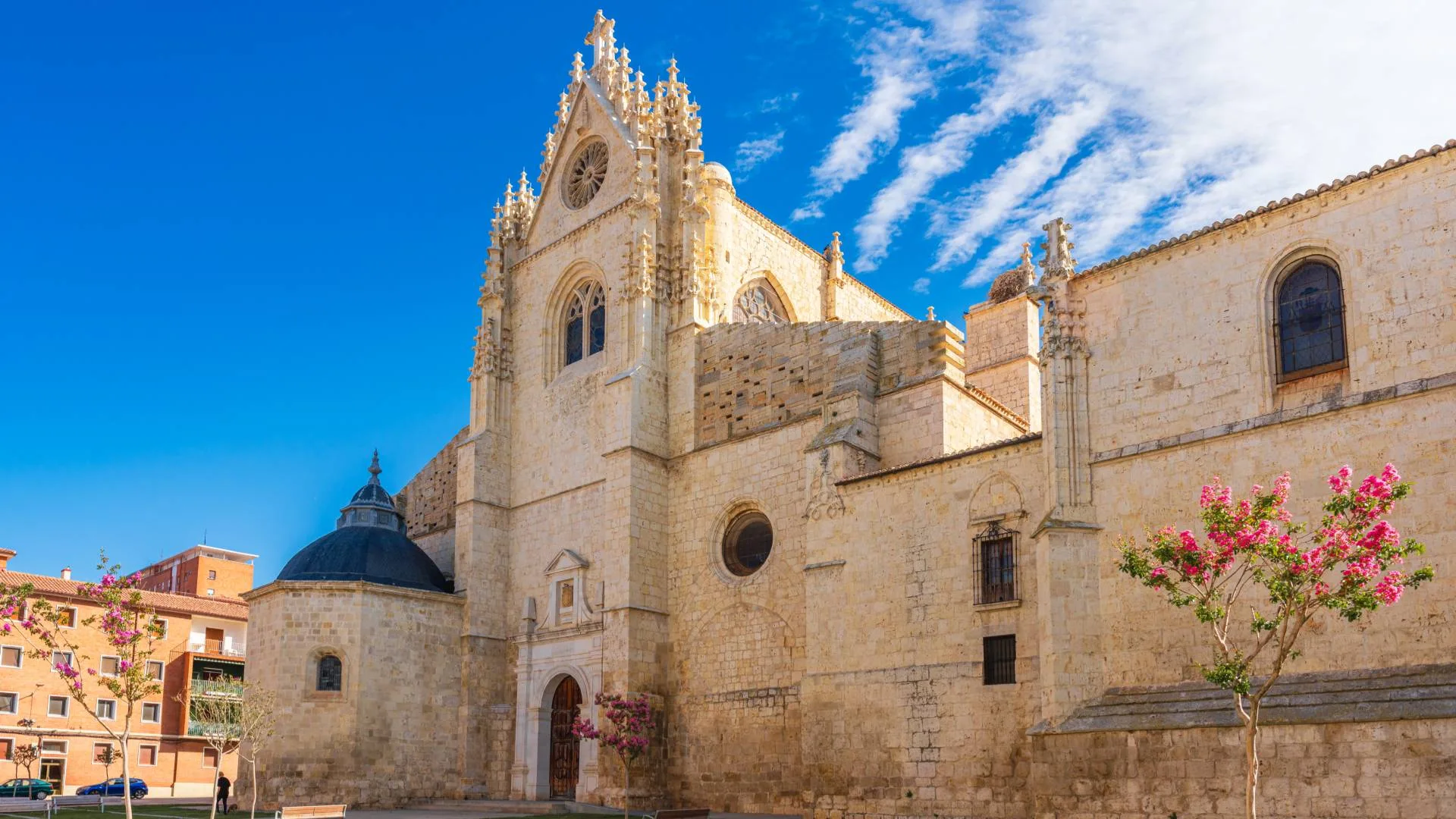
Palencia doesn’t get the tourist press it deserves, and for eclipse purposes, that might actually work in your favour. Cloud odds sit at 23%, it gets 1 minute 42 seconds of totality, and its surrounding landscape is flat and wide open — exactly what you want when the sun is barely above the horizon. The Mirador de Palencia to the southwest and the elevated Cristo del Otero to the north both offer commanding, unobstructed views. This one’s going to be on the radar of the more experienced eclipse-chasing community planning for the Spain solar eclipse 2026.
3. León — Panoramic and Historic
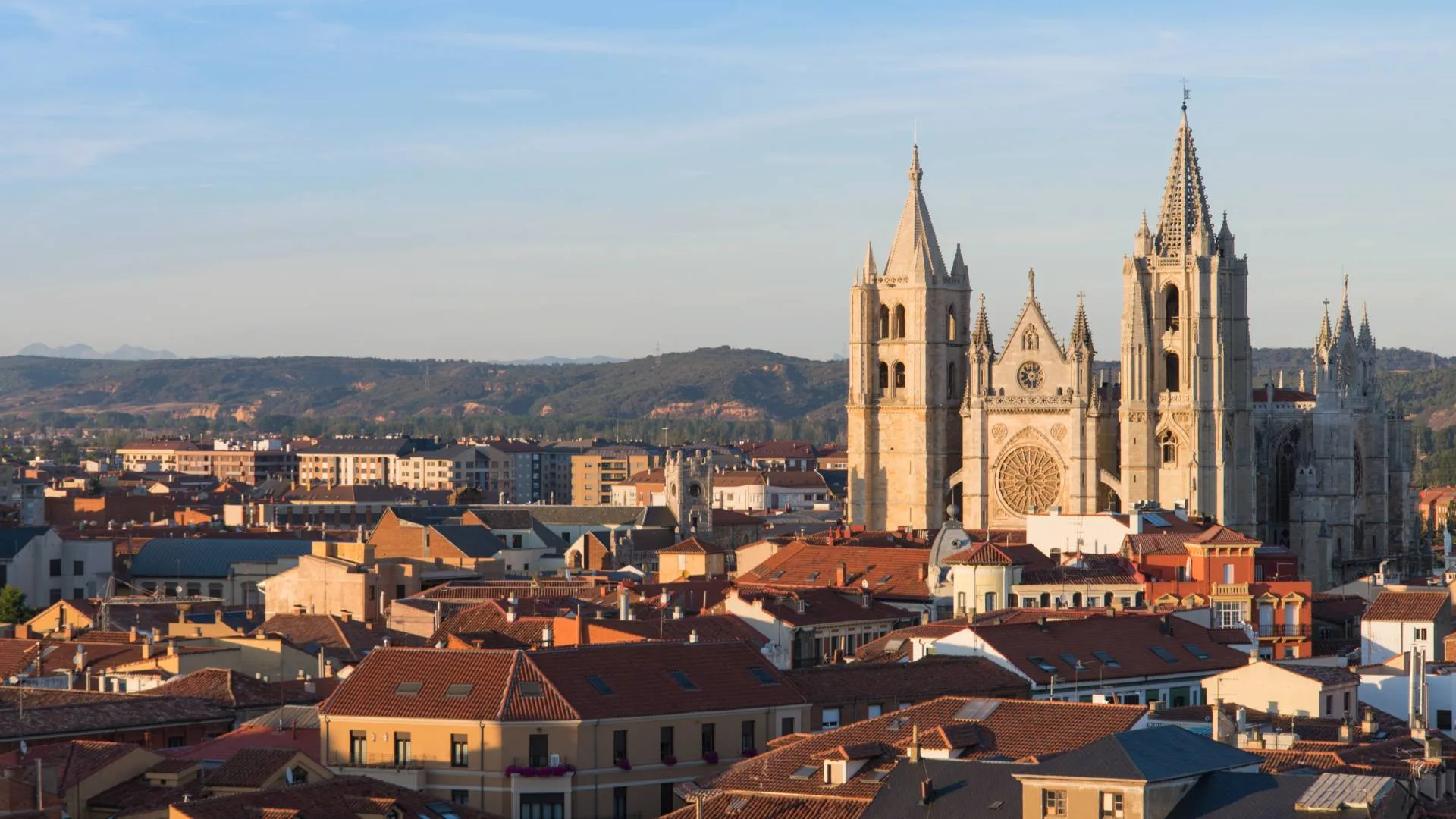
León sits just south of the Cantabrian Mountains, and its position gives it some of the better elevation-adjusted views in the region. Totality lasts 1 minute 44 seconds here — among the longest on the Spanish path — and cloud odds are a reasonable 26%. The go-to viewing spot is Mirador de las Lomas Tres, which overlooks the city from the east and is already celebrated as one of Spain’s finest sunset vantage points. That reputation is about to take on a whole new dimension come the Spain solar eclipse 2026.
4. Zaragoza — The Photographer’s City
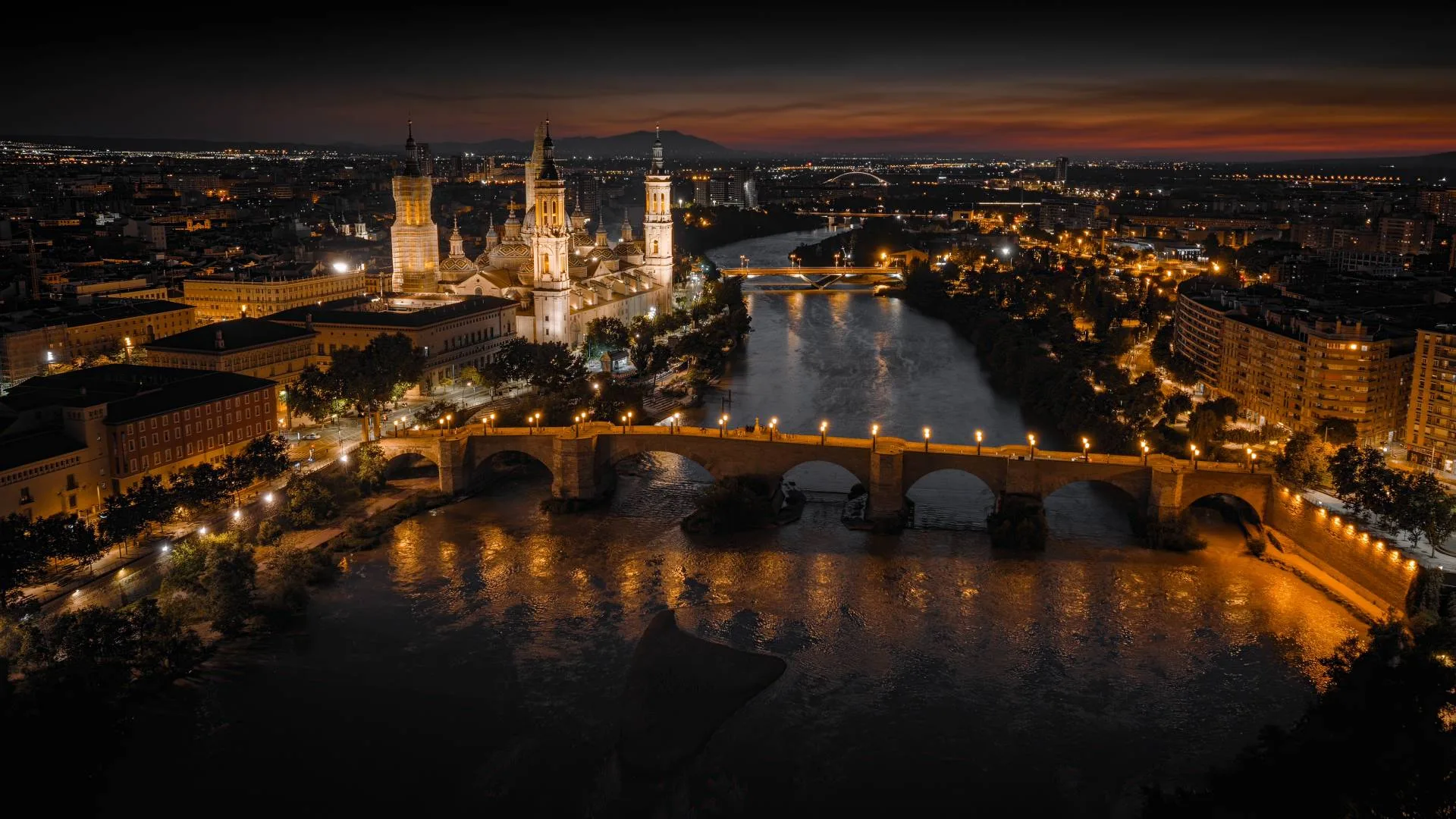
Zaragoza sits on the Ebro River roughly midway between Madrid and Barcelona, and it’s going to be one of the most photogenic stops on the entire eclipse path. The Basilica of Nuestra Señora del Pilar — one of Spain’s most architecturally striking religious buildings — lines up almost perfectly with the eclipse direction from the historic Puente de Piedra bridge. Photographers will be stacked three-deep trying to capture the totally eclipsed sun hovering above those distinctive spires during the Spain solar eclipse 2026. Cloud odds match Valladolid at 19%, though totality is slightly shorter at 1 minute 23 seconds. Anyone wanting solitude should head northwest along the Ebro away from the city centre.
5. Burgos — Medieval, But Mind the Sight Lines
Burgos is a city that knows how to draw a crowd — its Gothic cathedral is a UNESCO World Heritage Site and a permanent fixture on the Camino de Santiago route. For the Spain solar eclipse 2026, that popularity is both a draw and a warning. Cloud odds here are 31%, which is manageable, and totality lasts 1 minute 44 seconds. The instinct will be to congregate around the Arco de Santa María, but that area has poor sight lines for a low-horizon eclipse. The northwest bank of the elevated Parque del Castillo is the better call — panoramic, open, and actually pointed in the right direction.
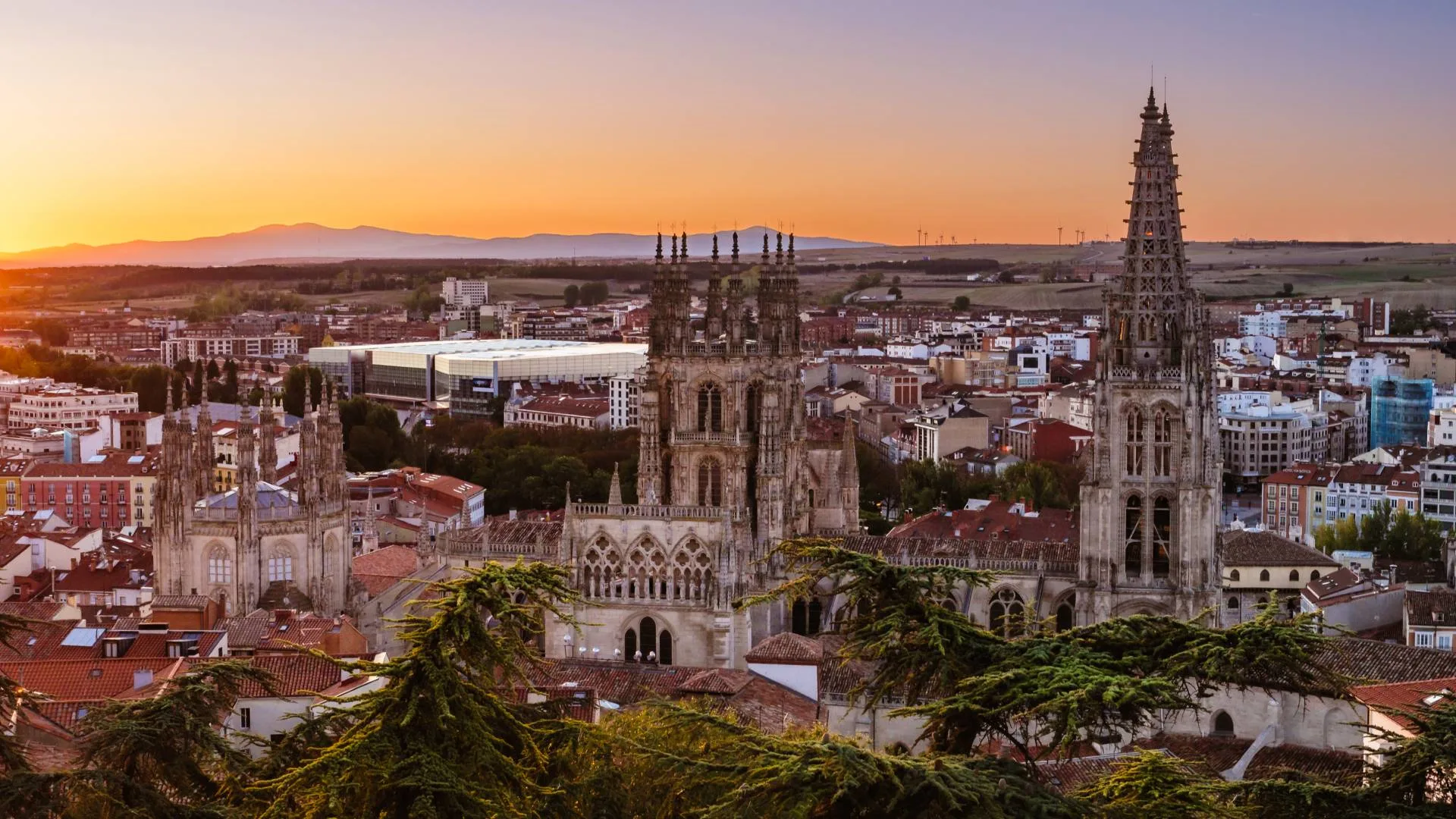
6. Logroño — Wine Country Meets the Cosmos
The capital of La Rioja is best known globally for producing some of Spain’s finest red wines, but on August 12, 2026, it’ll have a different kind of spectacle to offer. Totality runs 1 minute 19 seconds at 8:28 p.m. CEST, with cloud odds at 38% — higher than the Castilian cities but not disqualifying. Parque de Ebro on the river banks is the obvious choice, with the Puente de Piedra bridge offering photographers another clean sightline. Logroño also sits on the pilgrimage route to Santiago de Compostela, so it’s well set up for large visitor numbers arriving for the Spain solar eclipse 2026.
7. A Coruña — First on the Continent
A Coruña holds a specific distinction: it’ll be the first major city on mainland Europe to enter the path of totality, with the eclipse arriving at 8:27 p.m. CEST. The crescent-shaped Riazor and Orzán beaches are the likely gathering spots — central, wide, and pointed toward the right part of the sky. The catch is a 53% historical cloud chance, which reflects the city’s position on Galicia’s notoriously wet Atlantic coast. If you’re going for the Spain solar eclipse 2026, have a backup plan. But if it’s clear, the combination of ocean horizon and totality will be extraordinary.
8. Gijón — Clifftops and Coastline
This large Asturian coastal city offers real choice when it comes to viewing spots, which is useful when you’re managing a 54% cloud risk. The Santa Catalina hill clifftop park is the obvious first choice — elevated, dramatic, and with a clear westward view — but the beaches on either side of the headland offer plenty of backup space. Playa de San Lorenzo to the east and the artificial Playa de Poniente to the west both work. At 1 minute 44 seconds, Gijón ties for the longest totality duration on this list, making the cloud gamble for the Spain solar eclipse 2026 arguably worth it.
9 and Beyond — Smaller Towns, Bigger Rewards
It’s worth remembering that the path of totality doesn’t just pass through major cities. Smaller towns along the corridor — many of them without the crowds or the logistical complications of urban centres — can offer just as good or better experiences during the Spain solar eclipse 2026. Tools like Xavier Jubier’s Interactive Eclipse Map let you dial in the exact duration and timing for any coordinate, which means you can scout a quiet hilltop or riverside meadow with confidence. The Instituto Geográfico Nacional’s geographic tools can help cross-reference terrain. Every serious eclipse-chaser knows: arriving the night before, checking for obstructions at the exact angle the sun will occupy, is non-negotiable.
How to Actually Plan This Right
The Spain solar eclipse 2026 presents a specific planning challenge that most European eclipse events don’t: the very low solar altitude at the moment of totality. With the sun sitting between 6 and 12 degrees above the horizon depending on location, even a modest hill or a row of apartment buildings to the west-northwest can ruin everything. This isn’t an eclipse where you can casually wander to a public square and look up. Location scouting matters enormously.
For cloud avoidance, the historical data points clearly toward the Castilian interior. Valladolid and Zaragoza share the joint-best cloud odds at 19%, followed by Palencia at 23% and León at 26%. The coastal cities — A Coruña at 53% and Gijón at 54% — are riskier propositions, even though they deliver the emotional resonance of totality over an open ocean horizon. That’s always been the eclipse-chaser’s dilemma: the most beautiful spots are often the least reliable. Understanding these trade-offs is central to making the most of the Spain solar eclipse 2026.
One more thing worth flagging: this is a low-sun eclipse in a well-populated part of Europe with excellent transport links. The competition for good spots is going to be fierce. The eclipse-chasing community is global, organised, and increasingly large — events like the 2024 North American total eclipse drew millions of dedicated observers across the US and Mexico. The Spain solar eclipse 2026 will be no different. Book accommodation now, plan your viewpoint now, and assume that your first-choice spot will have more company than you’d like. The Spain solar eclipse 2026 is the kind of event that rewards early planning and punishes complacency.
Frequently Asked Questions
Where is the best place to watch the Spain solar eclipse 2026?
Valladolid and Palencia offer the best combination of totality duration and low cloud cover — historically just 19–23% cloud chance. Both sit in flat, open landscapes ideal for viewing a low-altitude eclipse just before sunset on August 12, 2026.
Will Madrid or Barcelona experience totality in the 2026 eclipse?
No. Madrid reaches 99.96% partiality but misses totality entirely, meaning no corona, no temperature drop, and no darkened sky. Barcelona is similarly outside the path, and both cities are expected to see eclipse-chasers head elsewhere in search of totality.
What time does totality occur during the 2026 solar eclipse in Spain?
Totality sweeps across northern Spain between roughly 8:26 p.m. and 8:29 p.m. CEST on August 12, 2026. The sun will be very low — between 6 and 12 degrees above the west-northwest horizon — so an unobstructed view in that direction is essential.
How long does totality last at the Spain solar eclipse 2026?
Duration varies by location. Cities like León, Burgos, and Gijón get around 1 minute 44 seconds. Coastal A Coruña gets a shorter 1 minute 16 seconds, and Zaragoza around 1 minute 23 seconds.
What tools can I use to plan my eclipse viewing location in Spain?
Xavier Jubier’s Interactive Google Map provides precise timings and built-in sight lines from Peak Finder. The Eclipse App and Eclipse Horizon Checker are also recommended resources. The Instituto Geográfico Nacional offers official geographic data for Spain, and visiting your spot the evening before is strongly advised.

