

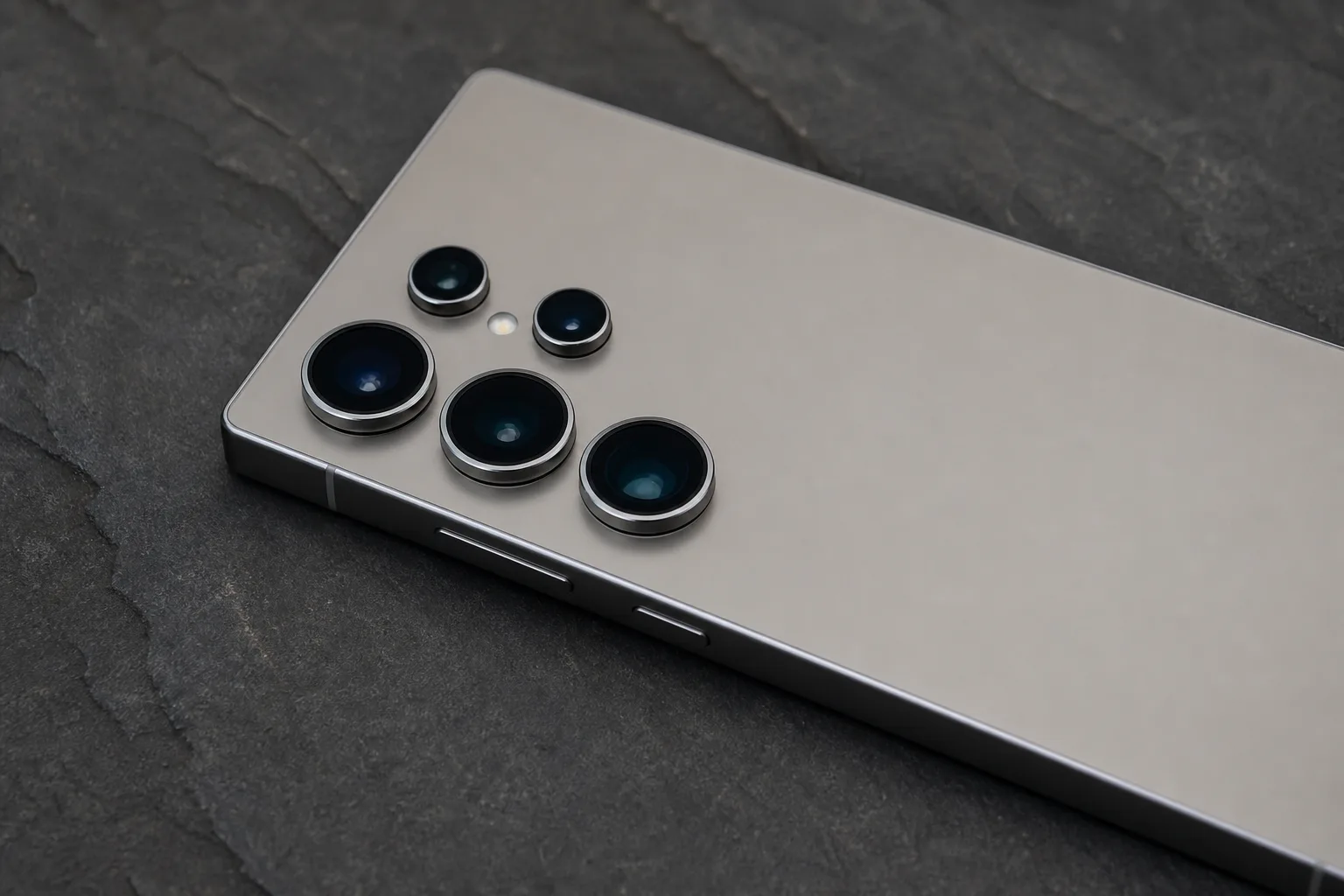
The Samsung Galaxy S26 Ultra arrived with the kind of modest expectations that follow years of iterative upgrades. On paper, the spec sheet didn’t promise anything dramatic. And yet, for many people who actually picked one up, it turned out to be considerably better than anticipated. Small changes, it seems, can still add up to something meaningful. But now, barely months after its release, the rumour cycle is already turning. The Galaxy S27 Ultra has started appearing in leaks and wishlists — which makes it worth stepping back and asking: what does Samsung genuinely need to fix?
- The Galaxy S27 Ultra should finally ditch the outdated 3x telephoto sensor, which hasn’t meaningfully changed since the S21 Ultra.
- Galaxy S27 Ultra needs a camera module redesign to fix the Qi2 accessory compatibility problems plaguing the S26 Ultra.
- Samsung’s macro focusing on the S26 Ultra struggles badly in low light — a frustrating flaw that needs addressing next year.
- Despite its limitations, the S26 Ultra’s battery life and performance set a strong baseline the Galaxy S27 Ultra should maintain.
Table of Contents
The 3x Telephoto Is Long Past Its Sell-By Date
Let’s be direct about this: the 3x telephoto sensor on the Galaxy S27 Ultra’s predecessor is essentially a relic. It traces its lineage back to the Galaxy S21 Ultra, launched in early 2021, and has seen precious little meaningful development since. Meanwhile, every other sensor in the S26 Ultra’s quad-camera array has been significantly upgraded over the same period. The 3x lens is the odd one out — and not in a good way.
The original logic made sense. When Samsung’s flagship carried a 10x periscope telephoto, a 3x lens served as a useful middle step. It bridged the gap between the primary shooter and that extreme zoom. But Samsung replaced the 10x with a 5x periscope starting with the Galaxy S24 Ultra, and from that point on, the 3x sensor became redundant. You’ve got 1x, 3x, and 5x — but the 200MP main camera can crop to an effective 3x with results that regularly beat the dedicated lens outright. Samsung’s own camera software recognises this: it frequently bypasses the 3x sensor entirely and crops the primary instead.
If the phone’s own processing can’t see a reason to use a lens, that lens probably shouldn’t be there. Dropping it entirely and replacing it with something more useful — or simply repositioning the 5x — would be a meaningful step forward rather than another year of dead weight in the spec sheet. The Galaxy S27 Ultra should be the generation that finally puts this right.
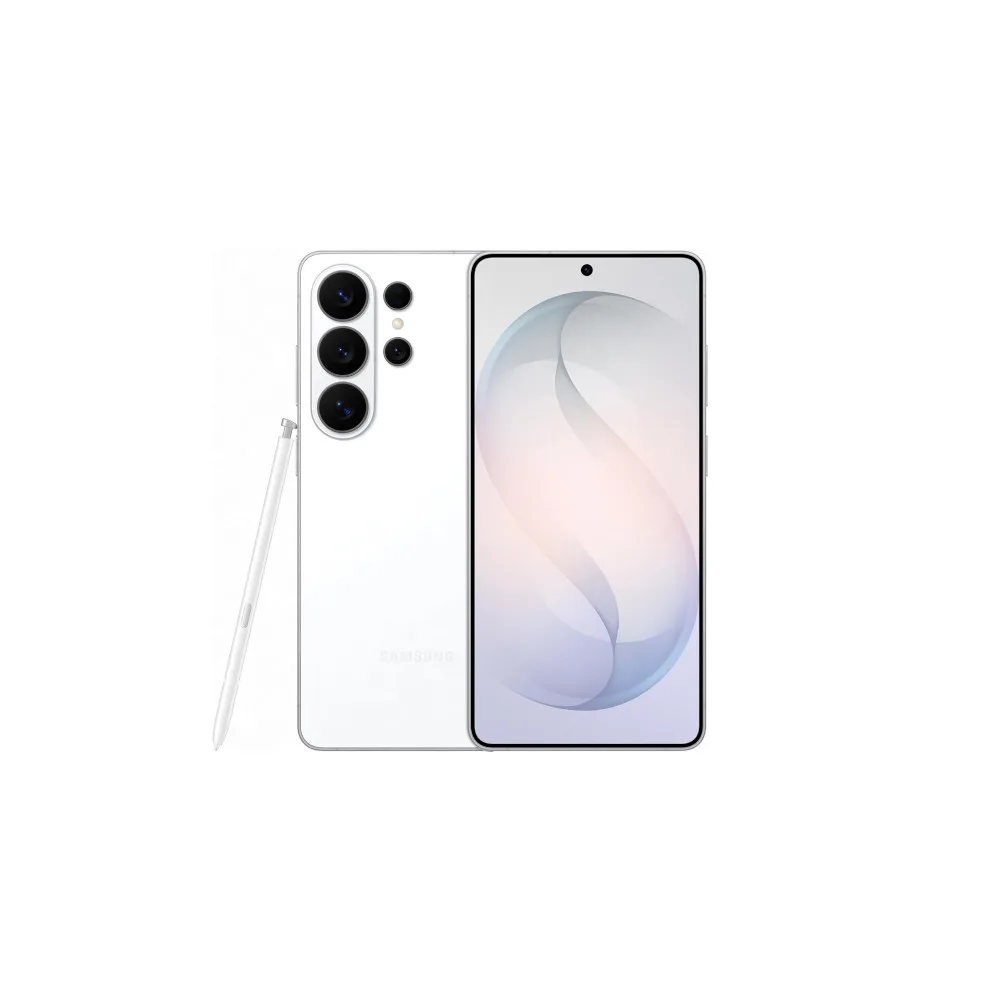
Samsung’s Macro Focusing Needs Serious Attention
This one sounds specific, but it’s a symptom of a broader issue. The Galaxy S26 Ultra struggles badly to focus on subjects — particularly dark-coloured animals — in anything less than bright lighting. The phone’s macro mode only activates when the camera detects close proximity to a subject, but that detection can fail entirely, leaving users with blurry, useless shots and no manual fallback. Tapping the ultrawide shortcut manually works as a workaround, but the resulting images suffer noticeable distortion.

Competing phones handle this better. Google’s Pixel 10 Pro, for instance, manages close-range subjects in tricky lighting without the same inconsistency. Motorola’s Razr Fold does too. This isn’t an impossible problem to solve — it’s a focusing algorithm and sensor tuning issue that Samsung clearly hasn’t prioritised. For a phone at this price point, that’s hard to justify.
Samsung’s camera app design compounds the frustration. The macro mode button only appears contextually, not as a persistent option. When the phone fails to detect a close subject, the button disappears, and the user loses any easy route to macro photography. A simple toggle in the camera interface would at least give users a manual override. It’s the kind of quality-of-life detail that the Galaxy S27 Ultra really should address.
Galaxy S27 Ultra and the Qi2 Problem Samsung Can’t Ignore
Wireless charging has matured into a genuine daily-use standard for millions of people. Qi2, the MagSafe-compatible standard developed by the Wireless Power Consortium, brings magnetic alignment to Android — in theory. In practice, the S26 Ultra’s camera housing creates a real problem. The protruding 5x telephoto lens sits in a position that causes physical interference with many Qi2 accessories, even when users add a Qi2-compatible case. Battery banks catch on the lens housing. Alignment drifts. Charging fails or drops out entirely.
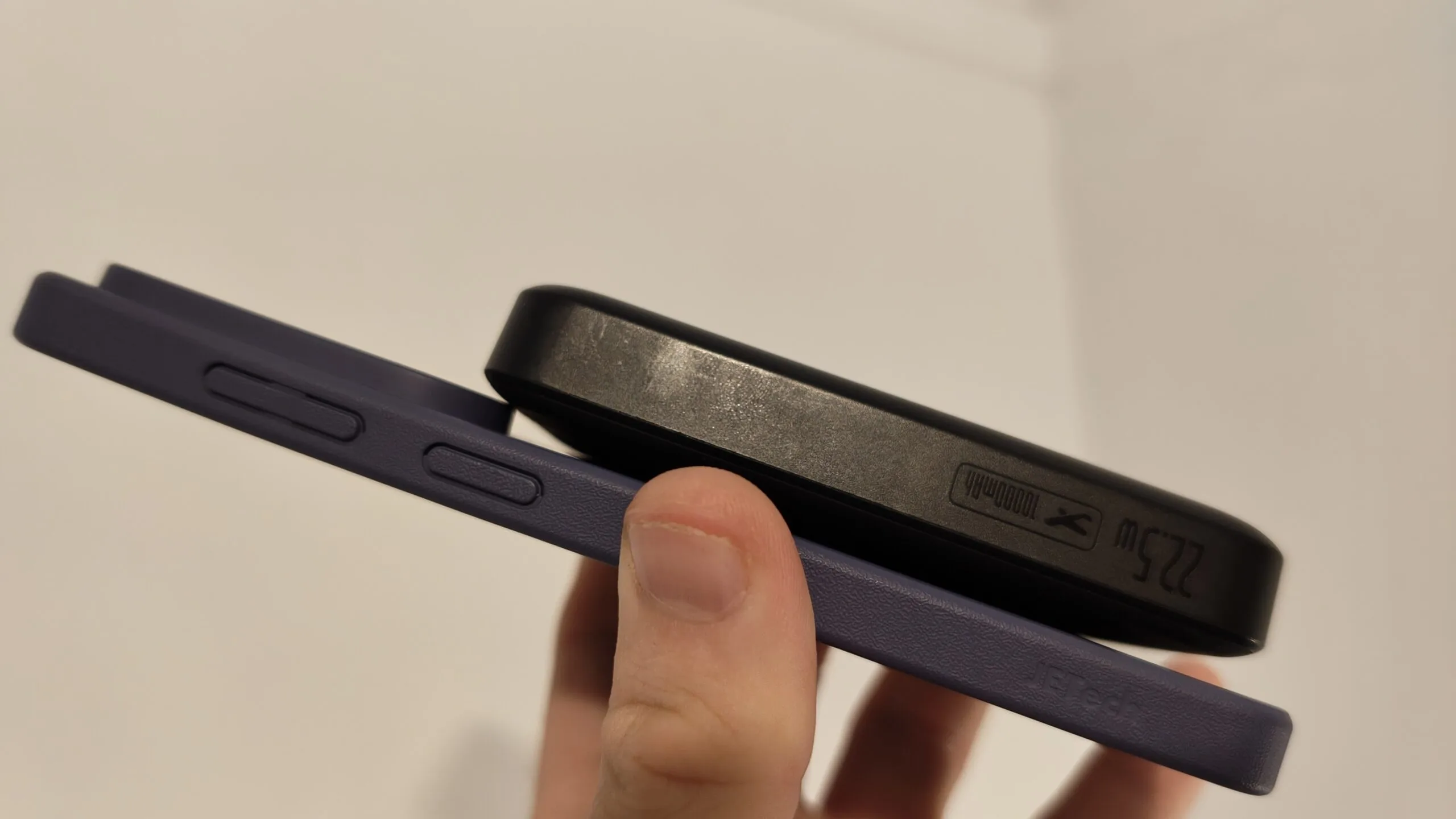
This isn’t just an inconvenience — it undermines one of the more practical accessory ecosystems to emerge in recent years. Samsung doesn’t include native Qi2 magnets in the S26 Ultra, which means users are already relying on case-based solutions that add bulk. When the camera bump then interferes with those same accessories, the whole system breaks down.
A horizontal camera bar design — similar to what Google uses across the Pixel range — would likely resolve most of these issues while also refreshing a design language that, candidly, hasn’t changed dramatically in years. Alternatively, removing the 3x sensor entirely would free up enough real estate to rethink the camera module’s footprint. Either approach kills two birds with one change.
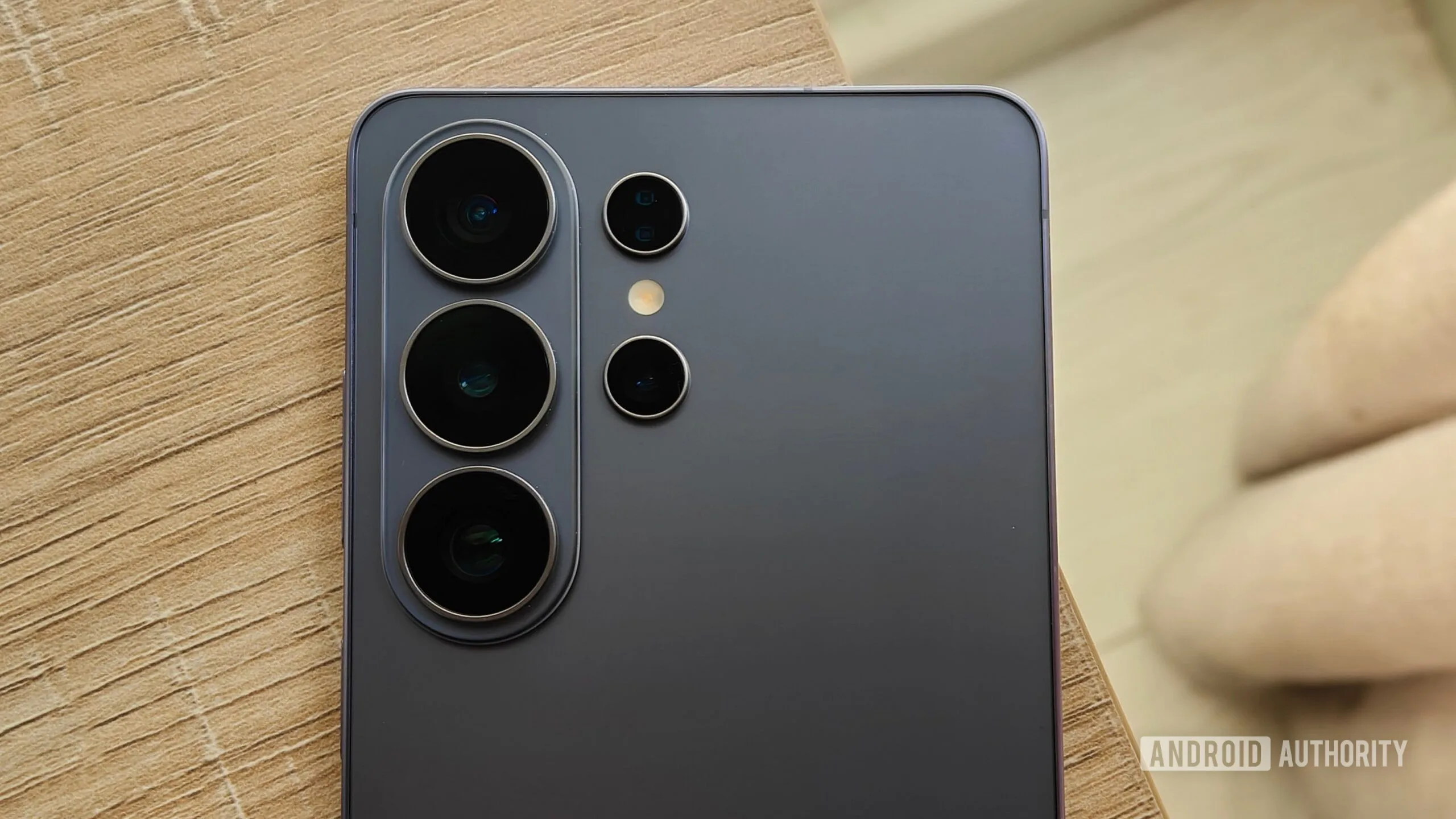
What Samsung Should Leave Alone
Here’s something worth saying plainly: the S26 Ultra gets a lot right. Battery life in particular is exceptional. Day-long heavy use — video, gaming, camera — doesn’t kill it. The 60W wired charging is fast enough to be genuinely useful without needing the latest silicon-carbon battery chemistry that enthusiasts keep requesting. A bigger battery in the Galaxy S27 Ultra would be welcome, but it’s hardly urgent.
Performance is excellent across the board. One UI, Samsung’s Android skin, remains one of the most feature-complete and polished Android experiences available — genuinely competitive with stock Android in ways it wasn’t three or four years ago. The primary camera, the 5x periscope, and the ultrawide all deliver strong results in favourable conditions.
The smartphone market has reached a point where the annual upgrade cycle is hard to justify purely on performance grounds. The jumps between generations — in processing speed, display quality, and even camera capability — are smaller than they used to be. That’s not a failure; it reflects how mature the category has become. What it means, though, is that targeted, specific improvements carry more weight than sweeping hardware revisions. The three issues outlined here aren’t trivial complaints — they’re concrete, fixable problems that would make a meaningful difference to daily use.
If Samsung addresses those weak points while keeping everything that already works, the Galaxy S27 Ultra has a real shot at being the most complete Ultra yet. The foundation is there. It just needs the rough edges sanded off — and this time, Samsung doesn’t have the excuse of not knowing where they are.
Frequently Asked Questions
What are the biggest camera problems the Galaxy S27 Ultra should fix?
The S27 Ultra needs to address two main camera issues: the outdated 3x telephoto sensor, which hasn’t been meaningfully updated since the S21 Ultra, and unreliable macro focusing in low light. The 200MP main sensor frequently out-performs the 3x lens at crop, making the dedicated sensor largely redundant.
Does the Galaxy S26 Ultra support Qi2 charging?
The S26 Ultra doesn’t have built-in Qi2 magnets, and the camera bump’s protruding lenses cause accessory alignment issues even with Qi2 cases. This can prevent proper charging and interfere with accessories like battery banks when using the 5x telephoto lens.
Is the Galaxy S26 Ultra worth buying over waiting for the S27 Ultra?
For most users, the S26 Ultra is an excellent phone — battery life is exceptional, performance is top-tier, and One UI remains one of Android’s best experiences. If Samsung’s camera quirks aren’t dealbreakers for you, there’s no pressing reason to wait.

