

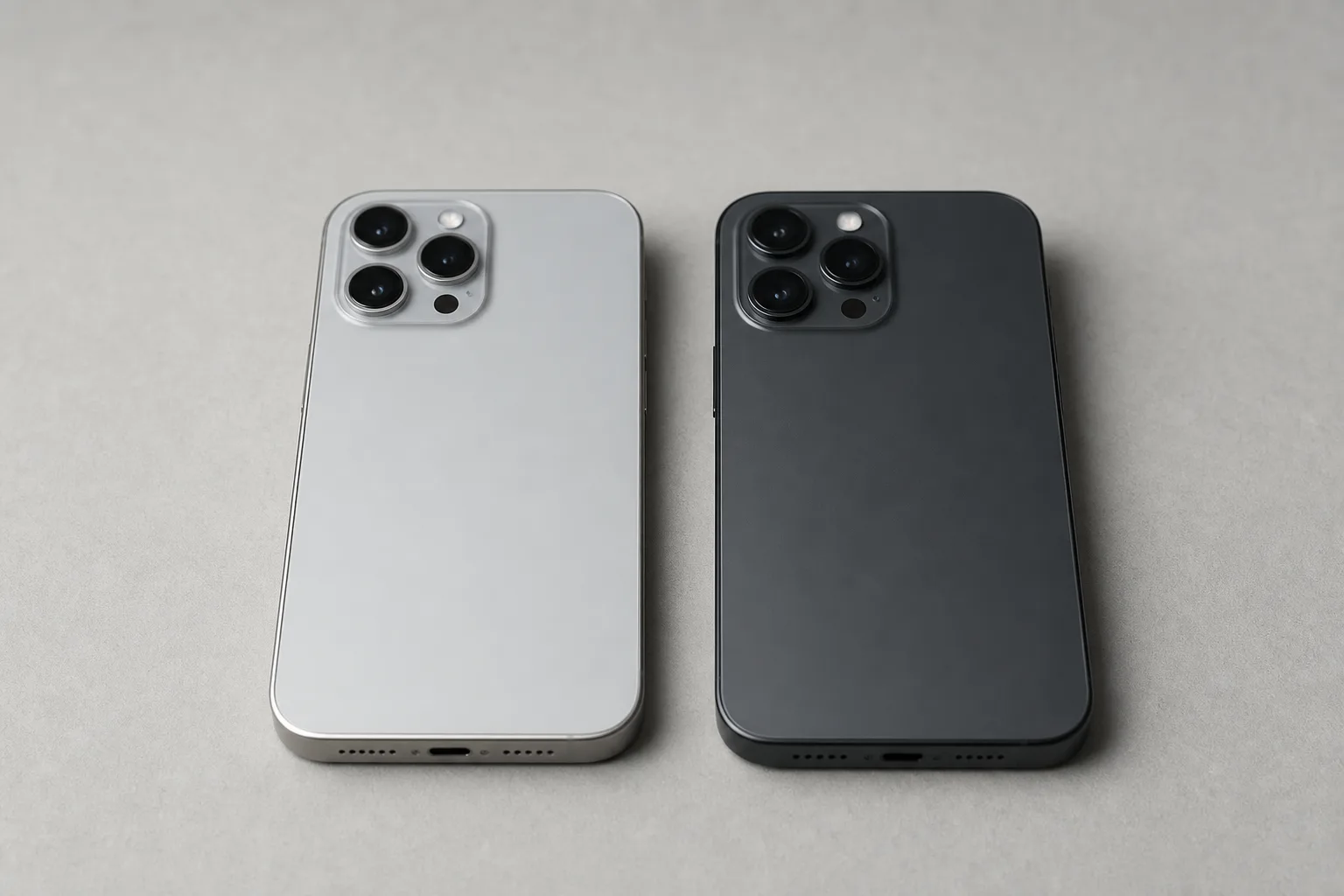
For years, the Google Pixel A-series has been the easy, almost automatic answer whenever a budget-conscious buyer asked for a smartphone recommendation. Clean software, an exceptional camera, decent performance — all without the four-figure price tag of a flagship. But the OnePlus Nord CE 6 is quietly making the case that the definition of the best affordable Android phone has shifted, and Google may not own that title as comfortably as it once did.
- The OnePlus Nord CE 6 makes a strong case as the best affordable Android phone for everyday users in 2025.
- Unlike the Pixel 10a, this affordable Android phone prioritises thermal efficiency, display quality, and real-world durability.
- The Nord CE 6 runs a Snapdragon 7s Gen 4 chip that stays cool even under sustained heavy workloads.
- Google still leads on camera processing, but the Nord CE 6 skips the ultrawide entirely in a bold hardware trade-off.
Table of Contents
The Pixel 10a Formula Is Starting to Show Its Limits
Google’s approach with the Pixel 10a is familiar by now. Carry forward the Tensor G4 chip, promise seven years of software updates, and layer on a new batch of Gemini Nano AI features to justify another annual release. On paper, it’s a compelling pitch. In practice, the Pixel 10a is increasingly a vehicle for Google’s services ecosystem as much as it is a standalone product.
From the first boot, the Pixel 10a nudges users through Gemini onboarding, steers them toward Google Photos cloud storage, and surfaces AI-enhanced tools at nearly every turn. None of that is inherently bad — but it does reveal a clear strategic priority. Google wants you in its subscription orbit. That’s a reasonable business goal, but it’s not the same thing as building the most useful affordable Android phone for the most people.
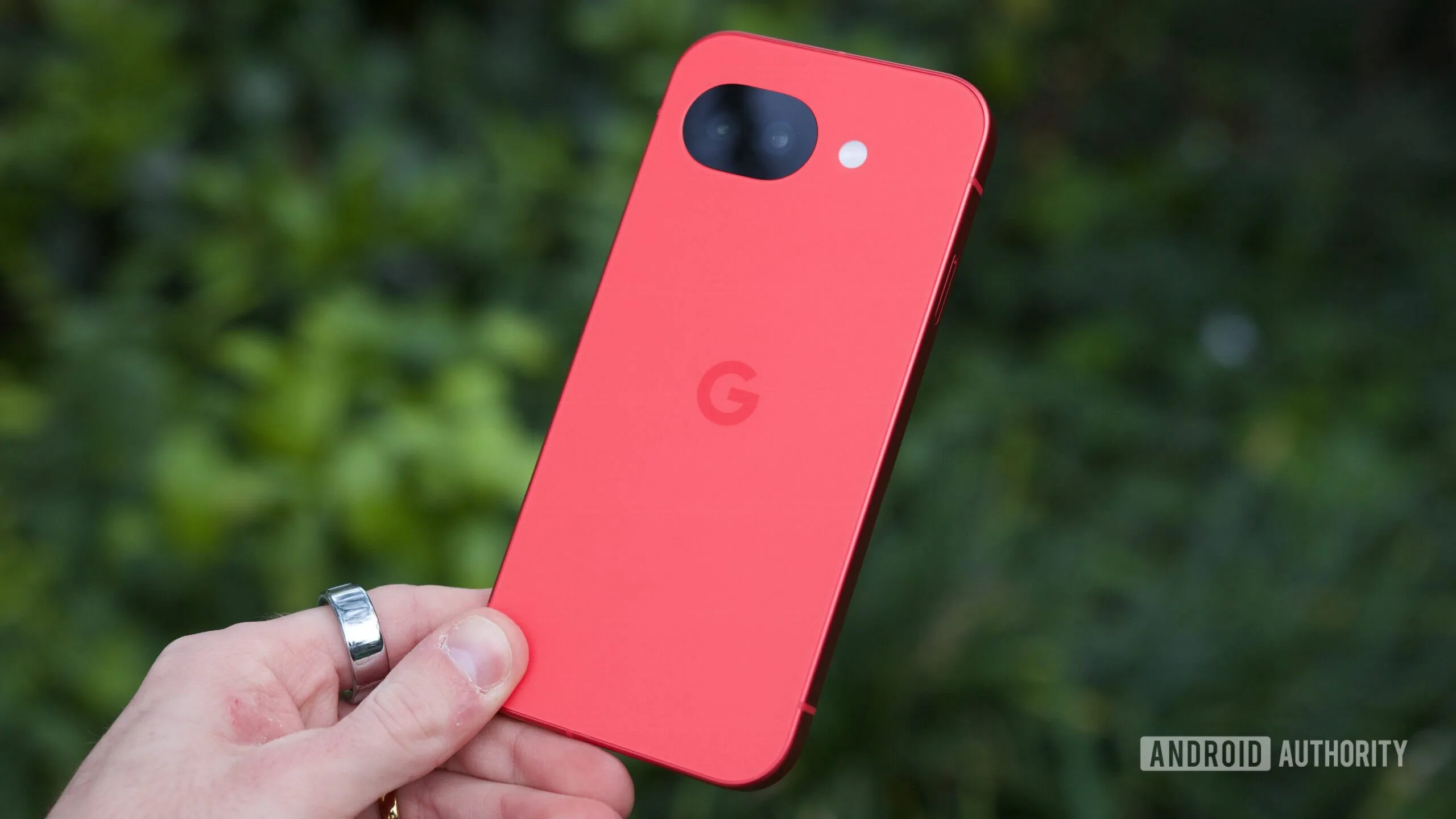
The Tensor G4 chip is also still a source of legitimate frustration. Benchmarks aren’t the whole story, but thermal performance is — and Google’s silicon has a documented tendency to run hot under sustained loads. For an affordable Android phone pitched at everyday users who might be streaming video, running navigation, and checking emails simultaneously, that matters in ways that on-device AI text suggestions simply don’t.
Why the OnePlus Nord CE 6 Is the Smarter Affordable Android Phone
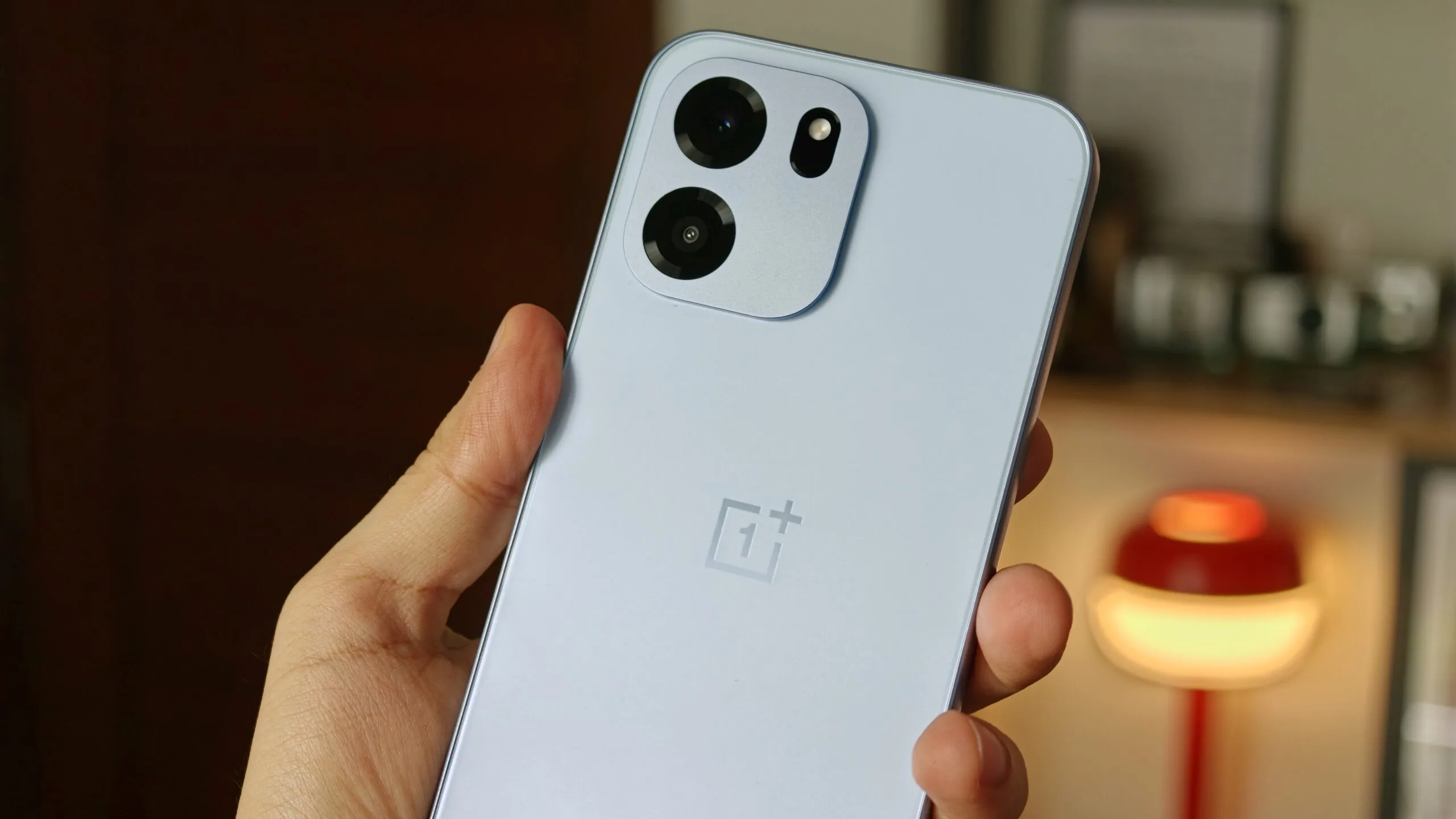
The Nord CE 6 doesn’t arrive with a dramatic hardware story. It’s a flat, plastic-bodied device with a design language that could charitably be called utilitarian. OnePlus isn’t pretending otherwise. What the company did instead was look at the daily friction points that actually bother real users and address them methodically — which is exactly the right instinct for an affordable Android phone competing in 2025.
The chip choice alone tells you a lot about OnePlus’s priorities. Rather than a proprietary processor optimised for AI inference at the cost of heat output, OnePlus dropped in Qualcomm’s Snapdragon 7s Gen 4. It’s not a headline-grabbing silicon story — you won’t see it topping AnTuTu charts — but it runs cool, it runs consistently, and it doesn’t throttle performance when the ambient temperature climbs. Heavy browsing sessions, HD video streaming, extended multitasking: all handled without the phone becoming uncomfortable to hold. That’s a baseline expectation that not every mid-range device actually meets.
Display Quality That Punches Well Above Its Price
The 6.78-inch AMOLED panel on the Nord CE 6 is genuinely one of the most impressive components in any affordable Android phone at this price tier. It runs at 1.5K resolution with a 144Hz adaptive refresh rate, and the practical effect of that combination is a scrolling experience that feels noticeably more premium than the Pixel 10a’s adequate-but-unremarkable screen.
To be clear about what 144Hz means here: you’re not going to be running demanding 3D titles at maximum frame rates on a Snapdragon 7s Gen 4. That’s not what this phone is for. But lighter games absolutely hit those frame rates, and — more importantly for the majority of users — every swipe through a social feed, every email triage session, every app transition feels fluid in a way that’s hard to quantify but immediately obvious in use. Frame drops, which were a recurring irritation on the Pixel during extended sessions, were essentially absent on the Nord CE 6 during testing.
An Affordable Android Phone That’s Built to Survive
OnePlus made an interesting bet on durability. The Nord CE 6 uses a plastic chassis — which some reviewers will inevitably frame as a compromise — but pairs it with IP66, IP68, and IP69 ratings alongside MIL-SPEC drop protection. The Pixel 10a brings IP68, which is perfectly respectable. But IP69 certification means the Nord CE 6 can handle high-pressure water jets, a standard typically associated with industrial equipment rather than consumer smartphones.
These aren’t specs that come up in most buying guides, but they matter enormously in real life. A phone that survives a rainstorm, a beach trip, or a kitchen accident without anxiety is a better daily tool — full stop. For an affordable Android phone aimed at the broadest possible audience, that kind of resilience is arguably more valuable than Gemini summarising your notifications.
The Camera Trade-Off Is Real — and Risky
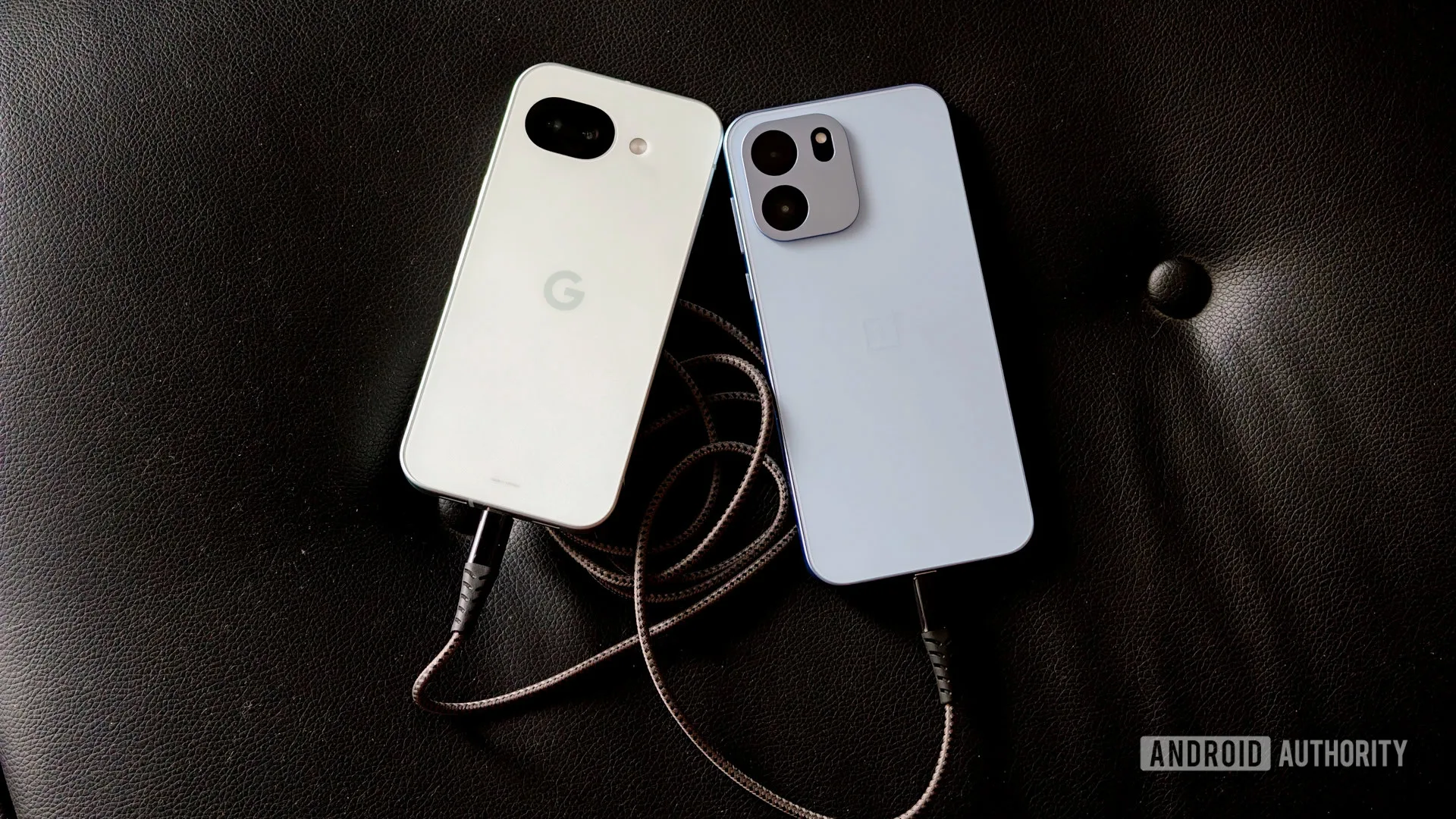
There’s no spinning this: Google still dominates smartphone photography at this price level, and the Pixel 10a is a big reason why. Its 48MP main sensor combined with Google’s computational photography pipeline produces images that are consistently social-media-ready with minimal effort. The colour science, the HDR processing, the low-light capability — Google has spent years refining these, and it shows.
OnePlus made a genuinely bold call with the Nord CE 6 by ditching the ultrawide lens entirely. In its place sits a 50MP primary sensor and a 2MP depth shooter that exists largely to fill out a spec sheet. The depth sensor in particular is hard to defend — it adds negligible portrait photography value that modern AI processing could achieve with a single lens anyway.
That missing ultrawide is a real sacrifice. Architecture shots, landscape photography, group photos in tight spaces — these are all scenarios where ultrawide coverage matters. Whether most buyers will actually miss it depends entirely on how they use their phone. For a user who primarily shoots portraits, food, and everyday moments, the 50MP primary may be sufficient. For anyone who considers versatile photography a priority, the Pixel 10a remains the stronger affordable Android phone for that specific need.
Which One Should Most People Actually Buy?
The honest answer is that it depends on what ‘most people’ actually means to you. If your buyer is a tech-forward user who values long-term software support, wants a reliable camera for every shooting scenario, and is drawn to AI features they’ll genuinely use — the Pixel 10a remains a strong, defensible recommendation. Seven years of updates is still an exceptional commitment that no Android manufacturer outside Google is matching.
But if your buyer is someone who uses their phone hard every day, cares about a screen that feels fast, wants a device that won’t complain about water or drops, and has no particular attachment to ultrawide photography — the OnePlus Nord CE 6 is a more practical affordable Android phone for that life. It doesn’t try to be a platform. It tries to be a phone. In 2025, that distinction matters more than the industry has been willing to admit.
The broader implication here is worth watching. Google has steadily repositioned the Pixel A-series as an AI and services on-ramp rather than purely a hardware value proposition. That creates space for competitors like OnePlus to win on fundamentals — thermals, display quality, build resilience — and the Nord CE 6 suggests that at least one manufacturer is paying attention to that opportunity.
Frequently Asked Questions
Is the OnePlus Nord CE 6 a better affordable Android phone than the Pixel 10a?
For most everyday users, the Nord CE 6 offers tangible advantages — a cooler-running processor, a higher-refresh-rate display, and broader IP ratings. The Pixel 10a pulls ahead on camera quality and software longevity with seven years of updates, so it depends on your priorities.
What processor does the OnePlus Nord CE 6 use?
The Nord CE 6 uses Qualcomm’s Snapdragon 7s Gen 4. It’s not a benchmark record-breaker, but it handles daily workloads efficiently and stays noticeably cooler than Google’s in-house Tensor G4 chip under sustained use.
Does the OnePlus Nord CE 6 have IP water resistance?
Yes — and it goes further than most phones at this price. The Nord CE 6 carries IP66, IP68, and IP69 ratings alongside MIL-spec protection, making it more resilient to water ingress than the Pixel 10a’s standard IP68 certification.
What’s missing from the OnePlus Nord CE 6 compared to the Pixel 10a?
The Nord CE 6 drops the ultrawide camera entirely, replacing it with a 2MP depth sensor of questionable value. It also lacks the Pixel’s Gemini-powered AI features and seven-year software support commitment, which remain real long-term advantages for the Pixel 10a.

