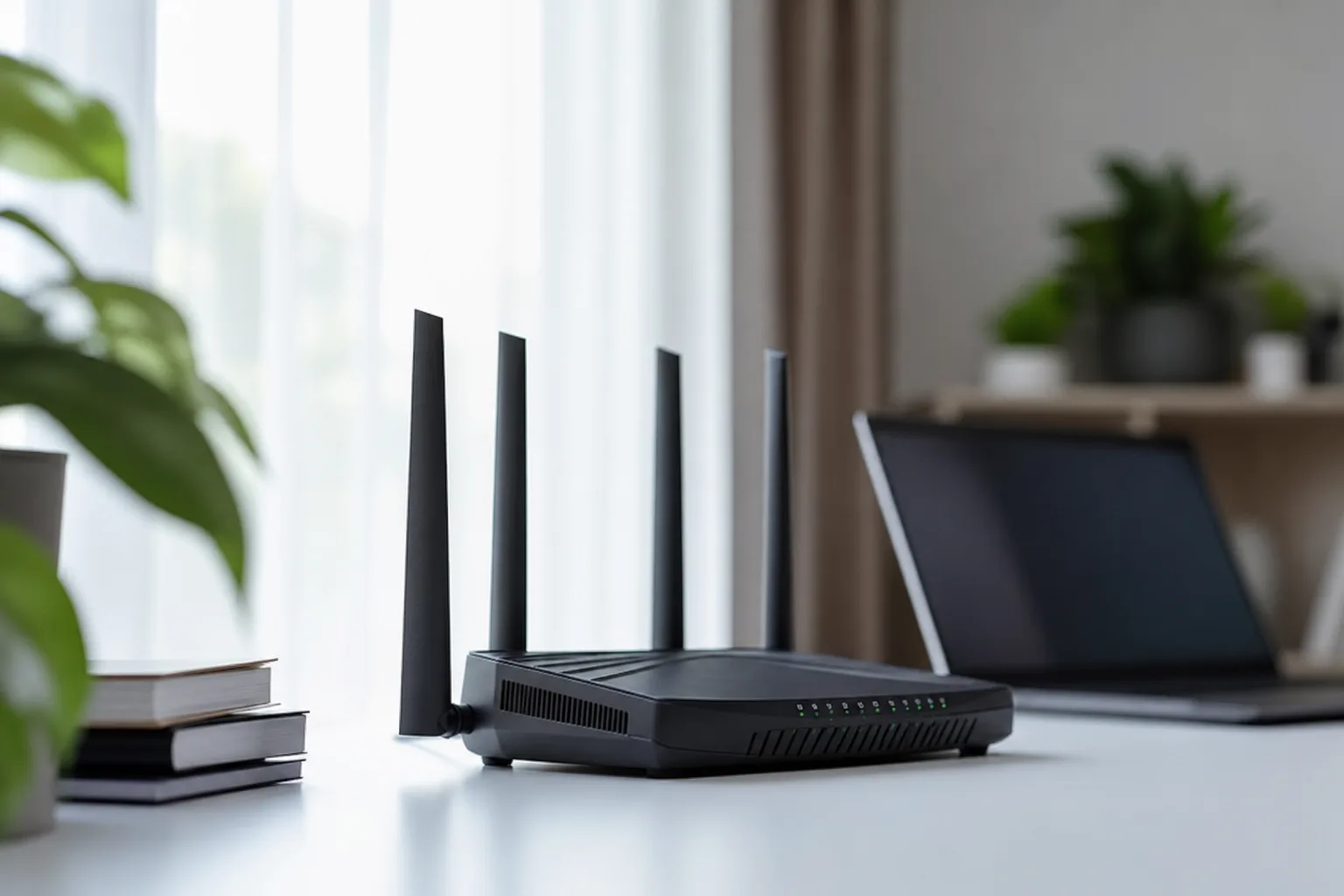
The best Wi-Fi routers in 2026 are a very different breed from what you were buying just two years ago. Wi-Fi 7 has gone from a premium novelty to the new baseline, prices have fallen sharply, and a looming US government ban on foreign-made hardware has quietly started reshaping which brands you can actually buy. After putting more than 40 routers through their paces in a real family home — one packed with concurrent streams, online gaming sessions, and the usual chaos of smart devices — a clear hierarchy has emerged.
- The best Wi-Fi routers in 2026 are all Wi-Fi 7 capable — the Asus RT-BE96U leads after 40+ tests.
- Finding the best Wi-Fi routers means balancing speed, range, and price — options now start from around $110.
- A US government ban on foreign-made routers is reshaping the market, with only Netgear and Eero securing approval so far.
- Travel routers like the Asus RT-BE58 Go now rival home models, making portable Wi-Fi 7 a real option.
Table of Contents
Why Your Router Deserves More Attention Than It Gets
Most people treat their router like a smoke alarm: set it up once, shove it in a corner, and forget about it until something goes wrong. That’s a mistake. Every device in your home — your TV, your phone, your security cameras, your laptop on a video call — depends on this one box. When it’s underpowered or outdated, you feel it everywhere: stuttering streams, laggy games, video calls that pixelate at the worst possible moment. The best Wi-Fi routers eliminate all of those frustrations in one upgrade.
The good news is that 2026 is a genuinely great time to upgrade. Wi-Fi 7 (the 802.11be standard) has matured, chipset costs have come down, and manufacturers are competing aggressively on price. You can now get a capable Wi-Fi 7 router for around $110 — territory that was firmly Wi-Fi 6 eighteen months ago. The bad news? US buyers face an unusual complication that’s worth understanding before you open your wallet.
The US Foreign Router Ban — What It Actually Means for Buyers
In March 2026, the FCC announced restrictions on foreign-made routers, targeting hardware from manufacturers that haven’t secured what the agency calls a ‘Conditional Approval.’ The intent is national security — concerns about potential backdoors in networking hardware made in certain countries have circulated in Washington for years, and this ban is the most concrete policy action yet.
Here’s the practical reality: routers already on store shelves can still be sold, bought, and used. Firmware updates are permitted until January 1, 2029. What the ban restricts is new router models from non-approved manufacturers entering the US market going forward. As of mid-2026, only Netgear and Eero have secured Conditional Approval. That means TP-Link — currently one of the most popular router brands in America — is operating in a kind of regulatory grey zone for future products, even if its existing lineup remains available.
For most buyers shopping today, this changes nothing immediately. But if long-term firmware support and supply continuity matter to you, it’s a factor worth weighing when choosing among the best Wi-Fi routers, especially if you’re buying a router you expect to use for five or more years.
The Best Wi-Fi Routers You Can Buy Right Now
Across all the testing, a handful of routers consistently pulled ahead of the pack. Here’s where things stand among the best Wi-Fi routers available in 2026.
Asus RT-BE96U — The Overall Winner
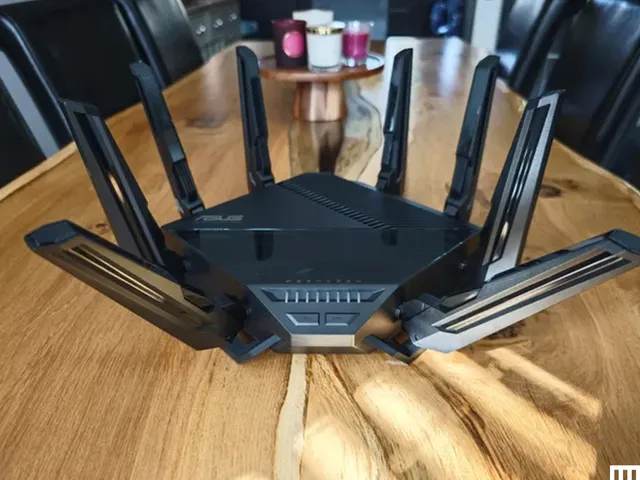
If budget isn’t the primary constraint, the Asus RT-BE96U is the router to beat. It’s a tri-band Wi-Fi 7 machine that handles the 6-GHz band — the key differentiator in Wi-Fi 7 — without breaking a sweat. In a busy household with dozens of connected devices, it stayed stable under load where other routers began to struggle. Asus has also built a reputation for long-term firmware support, which matters more than most people realise when you’re talking about a device that sits at the centre of your home network. For anyone serious about finding one of the best Wi-Fi routers money can buy, the RT-BE96U is the benchmark.
TP-Link Archer BE9700 (BE600) — The Smart Middle Ground
For those who want the full tri-band Wi-Fi 7 experience without paying flagship prices, the TP-Link Archer BE9700 is one of the best Wi-Fi routers in the mid-range bracket — and the router that unseated the Netgear Nighthawk RS300 from the middle-tier recommendation. It’s faster in real-world conditions than most of its price-class rivals, covers a typical family home comfortably, and the setup process is straightforward enough that you won’t need to consult a manual.
Asus RT-BE88U — For Power Users Who Need Dual-Band
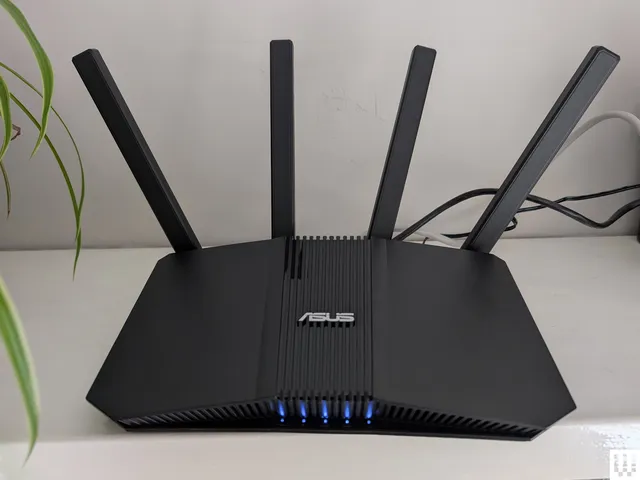
The Asus RT-BE88U sits just below the RT-BE96U in the lineup but offers a slightly different value proposition. It’s dual-band rather than tri-band, skipping the 6-GHz radio, but it compensates with strong 5-GHz performance and the same build quality that makes Asus hardware reliable over years of use. Among the best Wi-Fi routers for users whose ISP plan doesn’t justify the extra throughput that the 6-GHz band enables, this is a sensible step down.
Asus RT-BE58 Go — The Travel Router That Punches Above Its Weight
Travel routers used to be compromises — slow, unstable, and useful only in a pinch. The Asus RT-BE58 Go changes that calculus. It’s compact enough to drop in a bag, supports USB-C power (meaning your laptop charger doubles as its power supply), and delivers Wi-Fi 7 performance that’s genuinely impressive for a portable device. It also handles VPN, mobile tethering, and Wi-Fi range extension, making it versatile enough to earn a permanent spot in a carry-on. It’s one of the best Wi-Fi routers for frequent travellers who refuse to compromise on connectivity.
Honorable Mentions Worth Considering
TP-Link Archer BE5000 (BE260) — $110
This is where the value story gets genuinely interesting. At $110, the Archer BE5000 is a dual-band Wi-Fi 7 router that covers up to 2,400 square feet and includes a 2.5-Gbps WAN port, a 2.5-Gbps LAN port, three Gigabit LAN ports, and a USB 3.0 port. EasyMesh support means you can expand with additional nodes later if your needs grow. The main catch: advanced security features and parental controls sit behind a subscription paywall. For a household that doesn’t need those extras, though, this is one of the best Wi-Fi routers available at an exceptional price point.
Netgear Nighthawk RS300 — $300
The Netgear Nighthawk RS300 deserves a mention partly because Netgear is one of only two router brands with US government Conditional Approval — a meaningful reassurance if you’re thinking about the longer-term regulatory picture. It’s a tri-band Wi-Fi 7 tower router with a clean, fanless design and an app that’s deliberately simple. It lost its spot as a primary recommendation to the TP-Link BE9700 on pure performance, but for buyers who want one of the best Wi-Fi routers from an approved brand with a no-fuss setup experience, it’s a legitimate choice.

AVM FRITZ!Box 5690 Pro — £447 (UK and Europe)
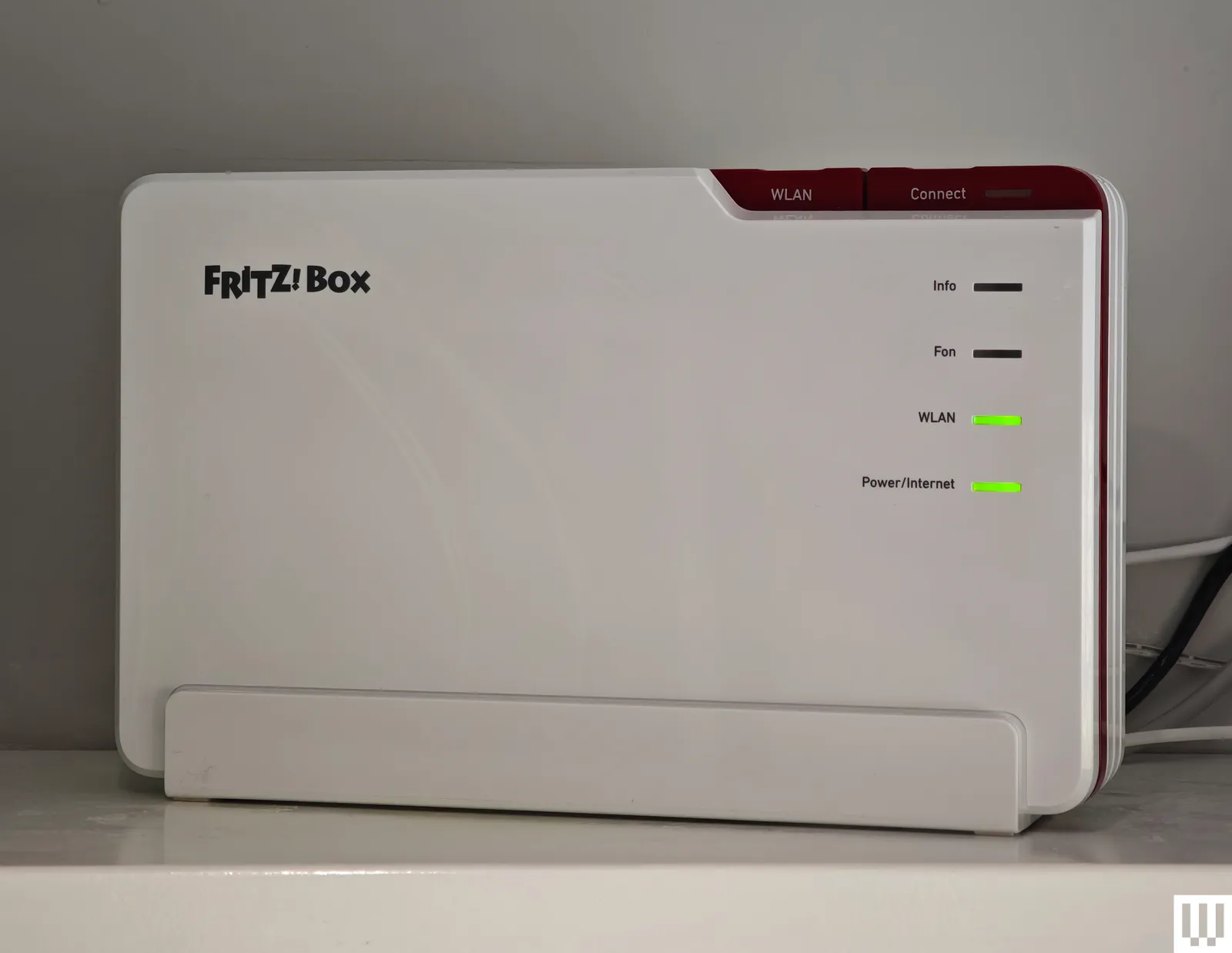
For readers outside the US, the AVM FRITZ!Box 5690 Pro is worth serious attention. AVM holds roughly 50 percent of the German router market and is expanding aggressively across the UK and Europe. The 5690 Pro is a tri-band Wi-Fi 7 router with an integrated DSL/fiber modem, a DECT base station for cordless phones, built-in NAS storage, and Zigbee support for smart home devices — a genuinely unusual feature set for a consumer router. Crucially, AVM designs and manufactures its hardware in Europe, positioning it as a privacy-conscious alternative to Chinese or American-made devices. The company also has an unusually strong record for long-term software support. Among the best Wi-Fi routers for European buyers, the FRITZ!Box 5690 Pro stands out clearly. At £447 it’s not cheap, but you’re getting a lot of hardware for that price.
What to Actually Look for When Buying in 2026
A few things matter more than spec sheets suggest when choosing the best Wi-Fi routers for your home. First: band count. Dual-band routers (2.4 GHz and 5 GHz) are fine for smaller spaces and lighter loads. Tri-band routers add a 6-GHz radio, which is where Wi-Fi 7’s headline speeds actually live — less congested, shorter range, but dramatically faster for devices nearby. If you have a dense device environment, the 6-GHz band makes a real difference.
Second: WAN port speed. Most homes in 2026 are still on gigabit broadband, but multi-gig plans (2.5 Gbps and above) are spreading fast. Buying a router with a 2.5-Gbps WAN port now means you won’t need to replace it again when your ISP upgrades its offering. Third: subscription models. Several manufacturers — TP-Link included — now lock features like parental controls, advanced security scanning, or QoS management behind monthly fees. That $110 router can quietly become a $110 + $5/month proposition. Check what’s included before you buy.
Should You Buy a Best Wi-Fi Router Now or Wait?
The honest answer is: if your current router is more than three years old, buy now. The best Wi-Fi routers of 2026 have hit a price-to-performance sweet spot, and waiting for Wi-Fi 8 (802.11bn, which is still in early standardisation) means sitting on ageing hardware for another two to three years. The Wi-Fi Alliance’s Wi-Fi 7 certification programme has been running long enough that certified devices are genuinely reliable — early-adoption jitters are behind us.
The regulatory angle adds a mild urgency for US buyers interested in brands like TP-Link. Their current routers remain buyable and updatable for years, but the future product pipeline from non-approved manufacturers is uncertain. If you’ve been eyeing a specific TP-Link model, waiting isn’t obviously the right call. The best Wi-Fi routers in 2026 offer more genuinely good options at more price points than ever before — and your home network is too important to leave running on hardware that was already outdated when most of these new models were being designed.
Frequently Asked Questions
What are the best Wi-Fi routers for most homes in 2026?
After testing more than 40 models, the Asus RT-BE96U stands out as the top overall pick for most homes. For tighter budgets, the TP-Link Archer BE5000 at around $110 offers solid Wi-Fi 7 performance and coverage up to 2,400 square feet.
Does the US foreign router ban affect routers already on sale?
No — the FCC ban announced in March only restricts new sales without a Conditional Approval. Routers already on shelves can still be sold, used, and updated with firmware until at least January 1, 2029. Netgear and Eero are the only brands with Conditional Approval so far.
Is Wi-Fi 7 worth it over Wi-Fi 6E in 2026?
For most users, yes. Wi-Fi 7 brings lower latency, better multi-device handling, and faster real-world speeds. Prices have dropped enough that entry-level Wi-Fi 7 routers like the TP-Link BE5000 now cost as little as $110, making the upgrade genuinely affordable.
What is the difference between a single router and a mesh Wi-Fi system?
A single router suits most homes, and most people can get by just fine with one. Mesh systems use multiple nodes to blanket larger homes or those with coverage challenges. For apartments and average family homes, a well-placed single Wi-Fi 7 router is usually sufficient and cheaper.