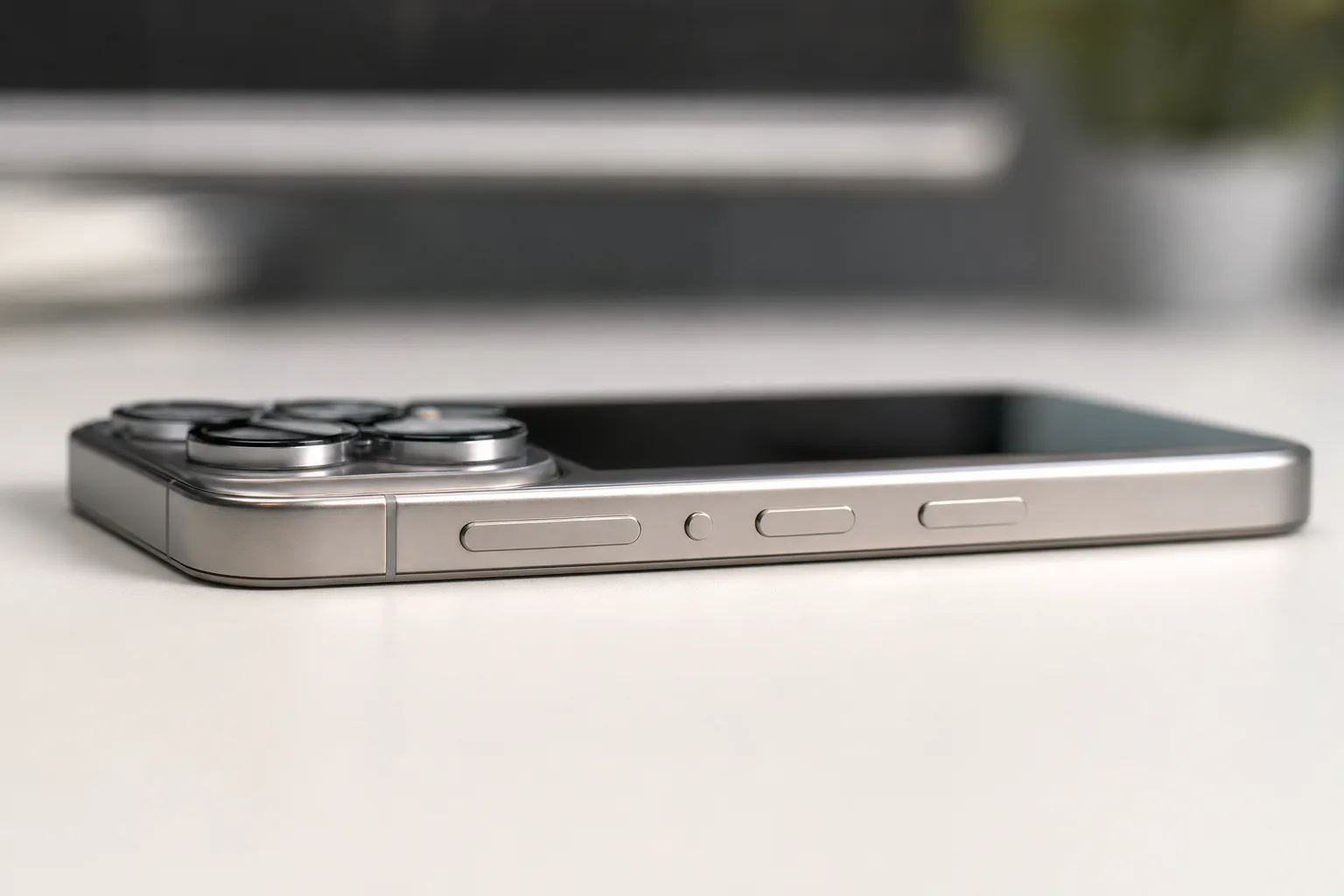
Apple’s iPhone 18 Pro Max is shaping up to be the burliest iPhone the company has ever shipped. Fresh claims from prolific leaker Ice Universe — one of the more consistently accurate voices in the Apple supply chain rumour mill — put the device at approximately 9mm thick and 240 grams, which would make it slightly thicker and heavier than the iPhone 17 Pro Max. That might sound like a footnote, but in a product category where Apple has spent years obsessing over weight reduction, it’s actually a meaningful signal about where the company’s priorities now sit.
- The iPhone 18 Pro Max is tipped to weigh around 240g and measure 9mm thick, making it one of the heaviest iPhones ever made.
- A larger battery — up to 5,567mAh in the US — is the primary reason the iPhone 18 Pro Max is gaining thickness and weight.
- Apple is reportedly switching to a stainless steel vapor chamber for thermal management, which may also contribute to the added mass.
- The iPhone 18 Pro Max is expected to launch in September alongside Apple’s first-ever foldable iPhone.
Table of Contents
What the iPhone 18 Pro Max Numbers Actually Tell Us
Let’s put the figures into context. At 240 grams, the iPhone 18 Pro Max would match the iPhone 14 Pro Max, which was the heaviest iPhone Apple had released up to that point. After that peak, Apple spent two generations steadily trimming mass — the switch to titanium with the iPhone 15 Pro and 16 Pro series brought those devices back to lighter weights. Then came the iPhone 17 Pro models, where Apple moved to aluminium (lighter than titanium in density, but thicker chassis designs and internal component changes pushed the weight back up). Now, the trajectory is pointing upward again, and this time the culprit is explicit: a substantially bigger battery.
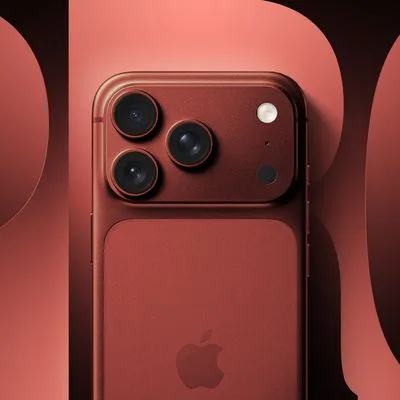
Regulatory filings — the kind that appear in China’s MIIT database and the US FCC ahead of product launches — indicate the iPhone 18 Pro Max will carry a 5,391mAh cell in China and a 5,567mAh cell in the United States. That’s nearly 500mAh more capacity than the iPhone 17 Pro Max. For a device that already offered strong battery life, that’s not a small upgrade. It’s a statement that Apple is betting users want longer-lasting devices more than they want thinner, lighter ones.
iPhone 18 Pro Max Battery Growth and the Thermal Trade-Off
Battery capacity and physical dimensions have always had a direct relationship — you can’t meaningfully increase one without affecting the other unless you’re using a fundamentally different cell chemistry. Apple has been investing in battery efficiency improvements across its silicon and software stack for years, but chemistry-level density improvements move slowly. A 500mAh jump in a single generation usually means the cell itself is physically larger, and that means the chassis has to accommodate it.
Ice Universe, who flagged the weight and thickness data, attributed the increase directly to the battery. But there’s a second factor in play that’s worth watching: Apple is reportedly shifting to a new vapor chamber design that uses stainless steel rather than the copper-based systems common in Android flagships and in previous iPhone thermal architectures. Vapor chambers are thin heat-spreading components that prevent sustained performance throttling — they matter enormously when you’re running demanding AI workloads, high-frame-rate gaming, or camera processing for extended periods. Stainless steel is more durable and potentially more effective at certain temperature ranges, but it’s also denser than copper. That alone won’t account for the full 7-gram gain, but it’s part of the equation.
The Heaviest iPhone Ever — or Just Almost?
The headline claim — that the iPhone 18 Pro Max could become the heaviest iPhone Apple has ever made — deserves a bit of scrutiny. At 240 grams, it would tie the iPhone 14 Pro Max, not exceed it. So technically, you’d be looking at a shared record at best. The reality is that final production units often differ slightly from pre-release measurements, and Ice Universe’s figures are estimates based on supply chain information rather than physical weigh-ins of shipping hardware. There could easily be milligram-level differences that shift the outcome one way or another by launch day.
What matters more than the precise gram count is the trajectory. Apple clearly isn’t treating weight as the primary variable to optimise right now. The broader industry has moved in this direction too — competing Android flagships have trended heavier in recent generations, and neither Samsung nor Google has faced serious consumer backlash for it. The market has broadly accepted that premium flagships are going to be substantial objects in your pocket, particularly when the trade-off is meaningful battery life and thermal headroom for increasingly capable on-device AI processing.
A Material History: How Apple Keeps Rewriting Its Own Weight Story
It’s genuinely interesting to trace how Apple has zigzagged on materials and weight across the Pro line. Stainless steel frames on the iPhone 12 through 14 Pro models delivered premium feel but contributed to heavier devices. Titanium, introduced with the iPhone 15 Pro, was lighter and stronger — and Apple marketed it prominently. Then aluminium returned for the iPhone 17 Pro despite being a step down in prestige-material terms, because its lower density helped offset the weight gain from other design changes.
Now the iPhone 18 Pro Max is reportedly going heavier anyway, regardless of the frame material choice. That suggests Apple has decided the battery and thermal system goals take precedence this cycle. It’s a practical call — the complaints about iPhone battery life on Pro models have been persistent and real, and a nearly 500mAh increase should translate into a meaningful real-world difference, particularly under mixed usage conditions that include background AI processing from Apple Intelligence features.
September Launch and the Foldable Factor
The iPhone 18 Pro Max is expected to arrive in September alongside the rest of the iPhone 18 family — and this year, that lineup is reportedly including something genuinely new: Apple’s first foldable iPhone. That’s going to dominate a significant portion of the attention at whatever event Apple holds, and it creates an interesting dynamic for the Pro Max. Historically, the Pro Max has been Apple’s undisputed flagship statement. With a foldable in the mix, the Pro Max becomes one of two headline devices, and its specs need to justify why you’d choose the traditional form factor over something more novel.
A bigger battery, better thermals, and a presumably sharper camera system are Apple’s answer to that question. The iPhone 18 Pro Max will be positioned as the device for people who want maximum performance and endurance in a familiar package, while the foldable caters to those prioritising form factor flexibility. Whether 7 extra grams feels like a fair trade for potentially hours of additional screen time is ultimately subjective — but Apple is clearly betting most Pro Max buyers will take that deal without much hesitation.