

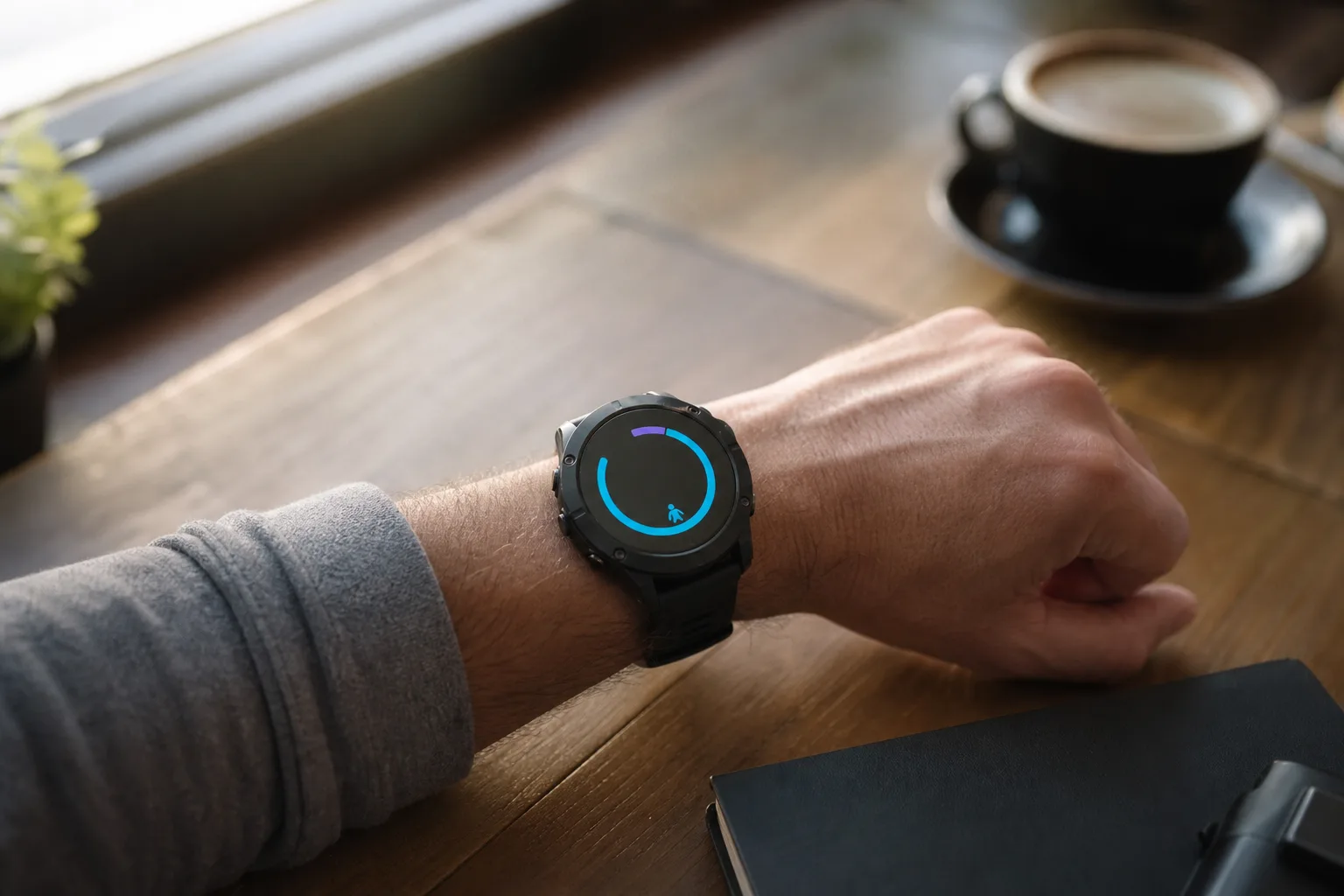
- Garmin Body Battery tracks exertion and recovery throughout the day instead of delivering one fixed morning readiness number.
- For people considering a Galaxy Watch 9 upgrade, Garmin Body Battery offers a clearer way to pace training, work, and rest.
- Samsung Energy Score gathers useful sleep and activity data, but its once-daily update limits its value after a demanding workout.
- No wearable can measure human energy perfectly, but responsive trends can be more helpful than a pile of isolated health scores.
Table of Contents
Garmin Body Battery treats energy like a moving target
Most smartwatch wellness scores arrive like a weather report: glance at them in the morning, take the forecast under advisement, then get on with your day. Garmin Body Battery works more like the fuel gauge in your car. It changes as the day happens, which is why Samsung’s increasingly feature-packed Galaxy Watch line still has a real problem to solve.
Samsung appears ready to put more health data in front of Galaxy Watch buyers, from fitness assessments and vitals tracking to hearing-related tools. On paper, that’s a persuasive upgrade pitch for anyone wearing a Galaxy Watch 4. But more measurements do not automatically produce more understanding. Frankly, a dashboard full of scores can become the wellness equivalent of fifteen browser tabs open at once: technically informative, practically exhausting.
Garmin’s idea is disarmingly simple. The watch estimates a user’s available energy on a 0-to-100 scale using activity, stress, sleep, heart rate, and heart rate variability, or HRV. Sleep and quiet rest refill the number; exercise, poor recovery, and physiological stress drain it. For more detail, see the official Body Battery support materials, though the short version is more useful: it tries to show whether today is a sprint, a jog, or a day for taking the stairs one fewer time.
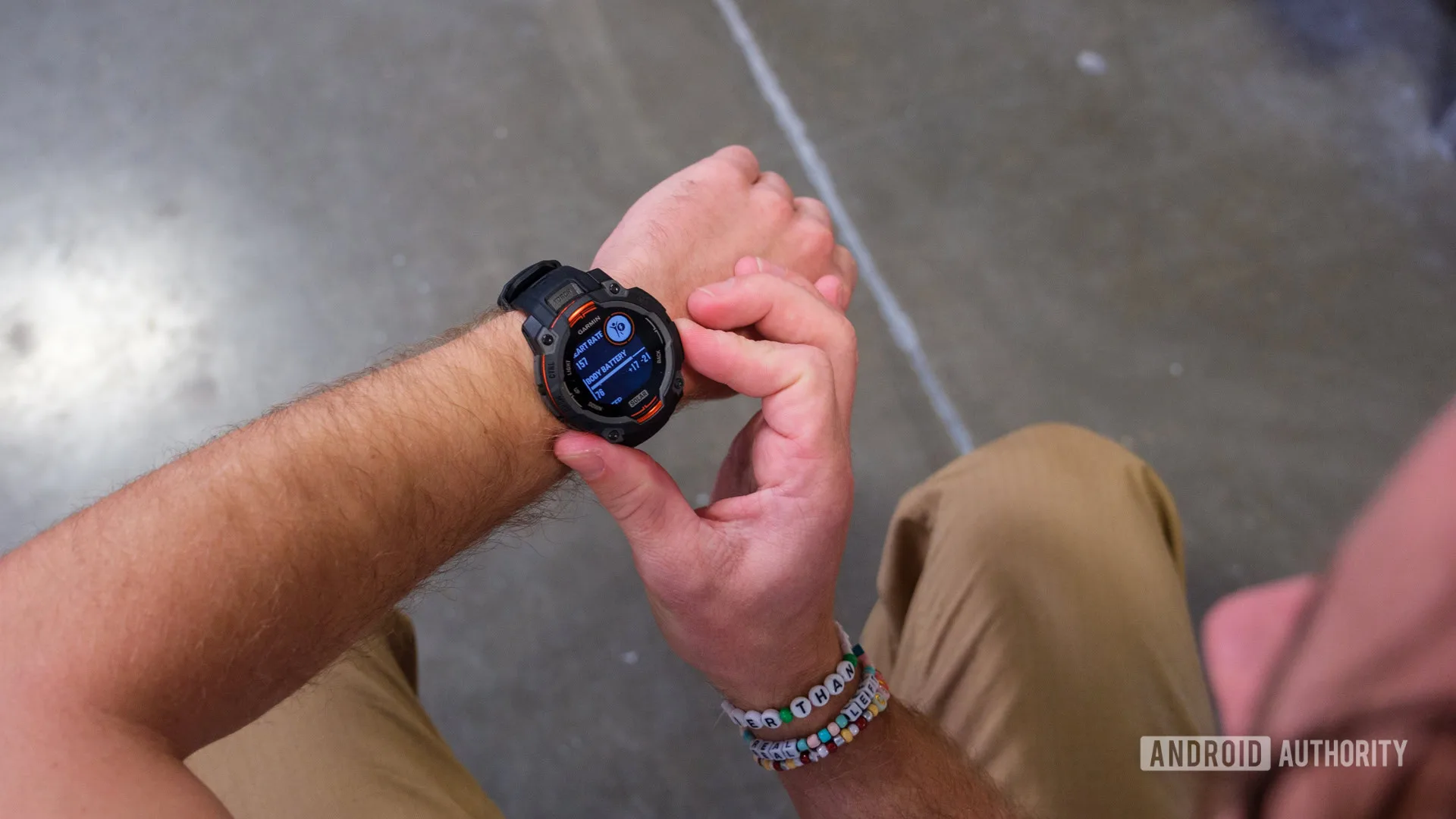
That rolling behavior is the point. A strong night of sleep can leave someone near the top of the scale at breakfast. A hard lunchtime run may take a visible chunk out of the reserve. An afternoon nap can move it back upward. Garmin Body Battery turns a vague feeling of being drained into a single, continuously revised estimate that a normal person can act on.
Samsung’s score has useful data, but too little immediacy
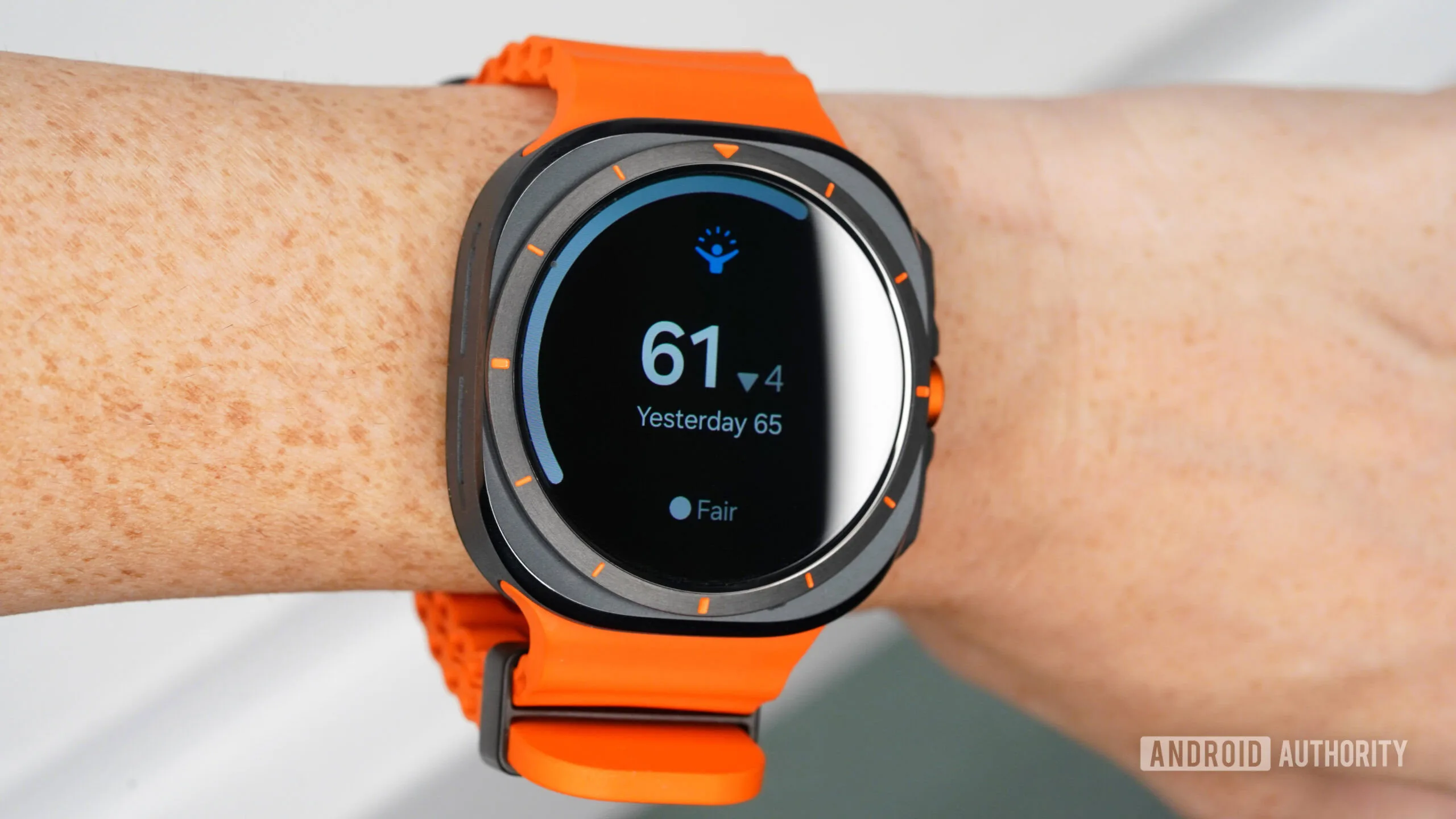
Samsung Energy Score is not a bad feature. It relies heavily on sleep statistics and also factors in activity to generate a daily readiness-style number. For someone trying to spot broad patterns — whether late dinners, drinks, or bedtime scrolling correlate with rough mornings — that can be genuinely useful.
Its limitation is timing. Energy Score is largely a morning assessment, heavily shaped by the previous night. That means it can tell you that you began Tuesday in mediocre shape, but it is less equipped to tell you what an unexpectedly hard gym session did to you at 3 p.m. A score that stays frozen while your body is doing the opposite feels oddly disconnected from the thing it claims to describe.
With Garmin Body Battery, the feedback loop is much tighter. Finish a taxing interval session and the number can reflect the hit relatively quickly. Take a restorative break and it may recover. That does not make the math medically authoritative — no consumer wearable gets to make that claim — but it does make the feature more usable in the moment.
The product lesson is straightforward. Samsung, Google, Apple, Fitbit, Oura, and Garmin are all chasing the same prize: becoming the device that translates a flood of biometric data into a decision. Should I train today? Why do I feel lousy? Is this fatigue normal? The winning interface will not necessarily be the one with the most charts. It will be the one that gives a person a credible answer before they have finished their first coffee.
A readiness number should help you budget the day
I’d argue the best case for Garmin Body Battery has little to do with elite training. Sure, runners and cyclists love a metric that warns them against digging a deeper recovery hole. But its bigger appeal is mundane: managing an ordinary day after poor sleep, a packed commute, a stressful presentation, and a plan to exercise after work.
Think of it as an energy budget. If the watch shows a low reserve before noon, perhaps today’s workout becomes an easy walk and the late-night project waits until tomorrow. If the reserve remains high after a good night and a calm morning, it may be reasonable to push harder. The number cannot know your deadlines, family obligations, mood, or whether you have caught a cold. You still have to use your judgment. But a well-designed prompt can make that judgment easier.
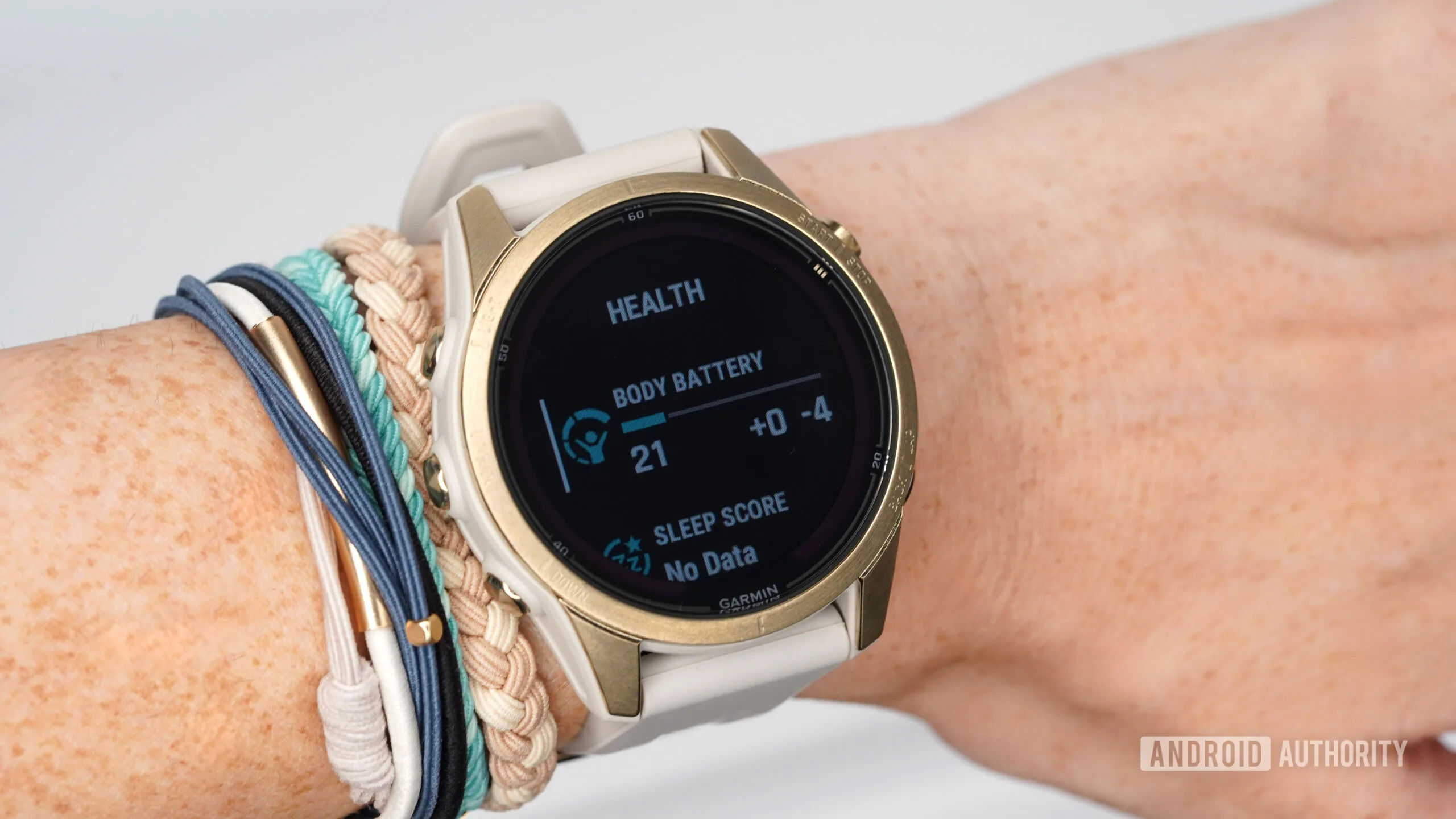
Garmin Body Battery also has an advantage over generic readiness labels because it carries yesterday into today rather than treating every morning as a clean reset. Humans do not work that way. A brutal Monday does not vanish because the clock struck midnight, and neither does recovery. The continuity makes the metric feel more honest, even when it occasionally disagrees with the wearer’s instincts.
One important caveat: HRV varies widely among people, wrist-based sensors can be thrown off by fit and motion, and consumer sleep tracking remains approximate. Researchers and clinicians tend to view wearable measures as useful trend data rather than diagnostic truth. If a watch says you are ready to conquer the world but you are dizzy, feverish, or running on three hours of sleep, listen to your body, not the tiny computer strapped to it.
Why Galaxy Watch 9 needs a better answer
Samsung has spent years building a legitimate health platform around the Galaxy Watch, and its hardware has grown more capable along the way. The Galaxy Watch 9 and a likely next Ultra model may bring meaningful additions. Yet the company risks confusing feature accumulation with insight. A fitness index, a sleep score, a stress score, and an Energy Score can all be individually defensible while collectively failing to answer the most basic question: how much do I have in the tank right now?
Garmin Body Battery succeeds because it prioritizes that question. It does not need an elaborate AI-written paragraph to explain a change in the score, either. Up means recovery. Down means demand. That plain language matters when someone is sweaty, tired, late for work, or all three.
Samsung could close this gap without copying Garmin’s presentation pixel for pixel. Let Energy Score update after meaningful activity and recovery. Make its inputs clear. Show how a quiet hour or a nap affected the estimate. Give users a timeline that explains the day, rather than a morning grade that becomes stale by lunch.
Wearables are getting very good at recording the body. The harder job is helping people decide what to do with that information. If Samsung wants its next watches to feel like a meaningful health upgrade rather than another annual spec bump, a dynamic energy model may matter more than another niche score.
Frequently Asked Questions
What is Garmin Body Battery?
Garmin Body Battery is a 0-to-100 estimate of a user’s energy level. It uses factors including heart rate, sleep quality, and heart rate variability, rising with rest or sleep and falling with physical exertion.
Does Samsung Energy Score update during the day?
Samsung Energy Score updates once a day and remains static until the next morning. It relies heavily on sleep statistics, while activity makes up a smaller part of the score.
Can a smartwatch accurately measure recovery?
A smartwatch’s energy or recovery score is a best guess based on the data it collects, not an exact measurement. Missed activity or inaccurate sleep estimates can affect the resulting score.

