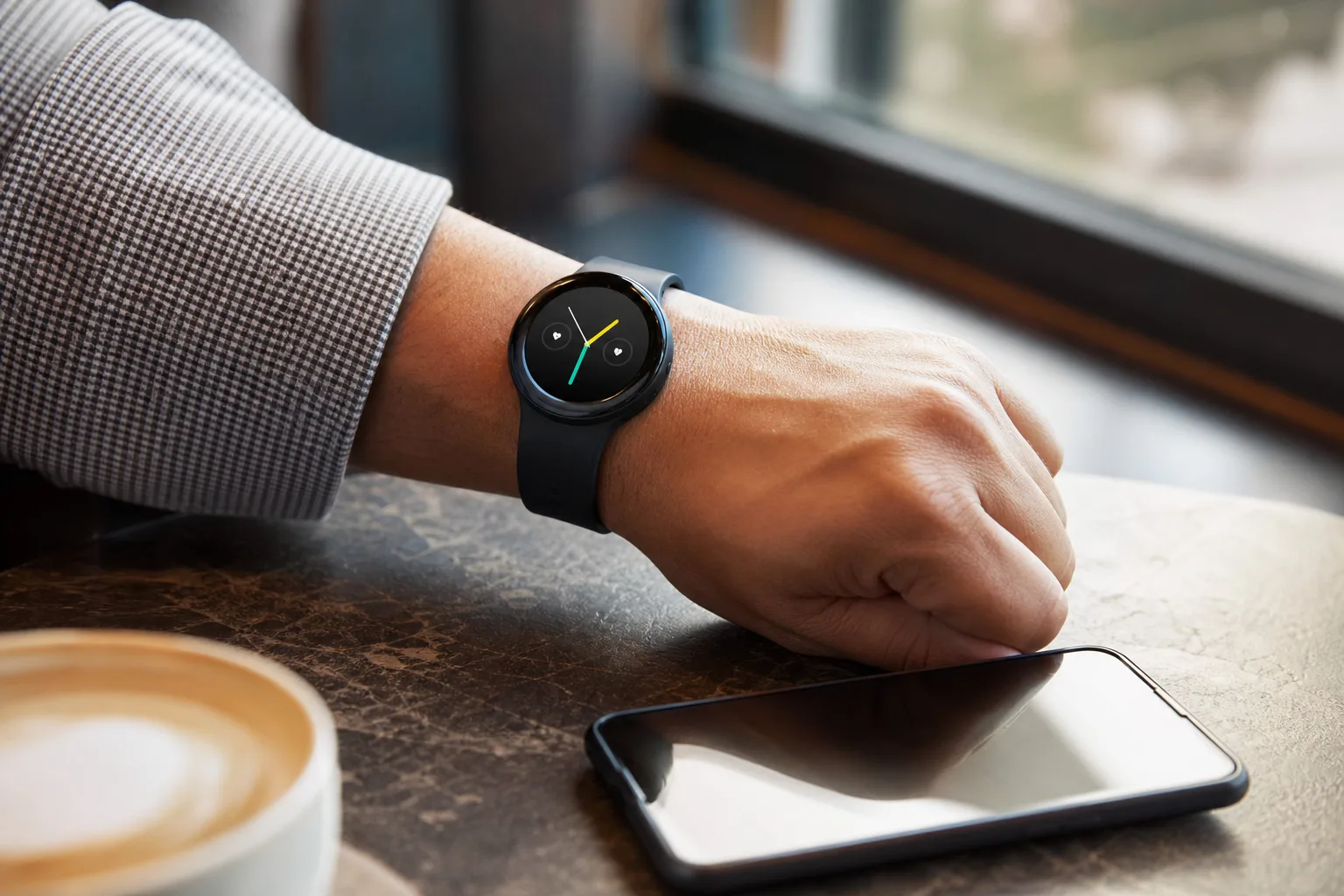
- Galaxy Watch 9 support reportedly covers five major operating system upgrades and security patches through 2031.
- The expanded Galaxy Watch 9 support commitment puts Samsung ahead of Google’s three-year Pixel Watch policy.
- Galaxy Watch Ultra 2 reportedly shares the five-upgrade promise, starting from One UI 9 Watch and Wear OS 7.
- Older Galaxy Watch models are unlikely to inherit the policy because Samsung’s new watches use a different Qualcomm platform.
Table of Contents
Galaxy Watch 9 support could outlast the usual smartwatch cycle
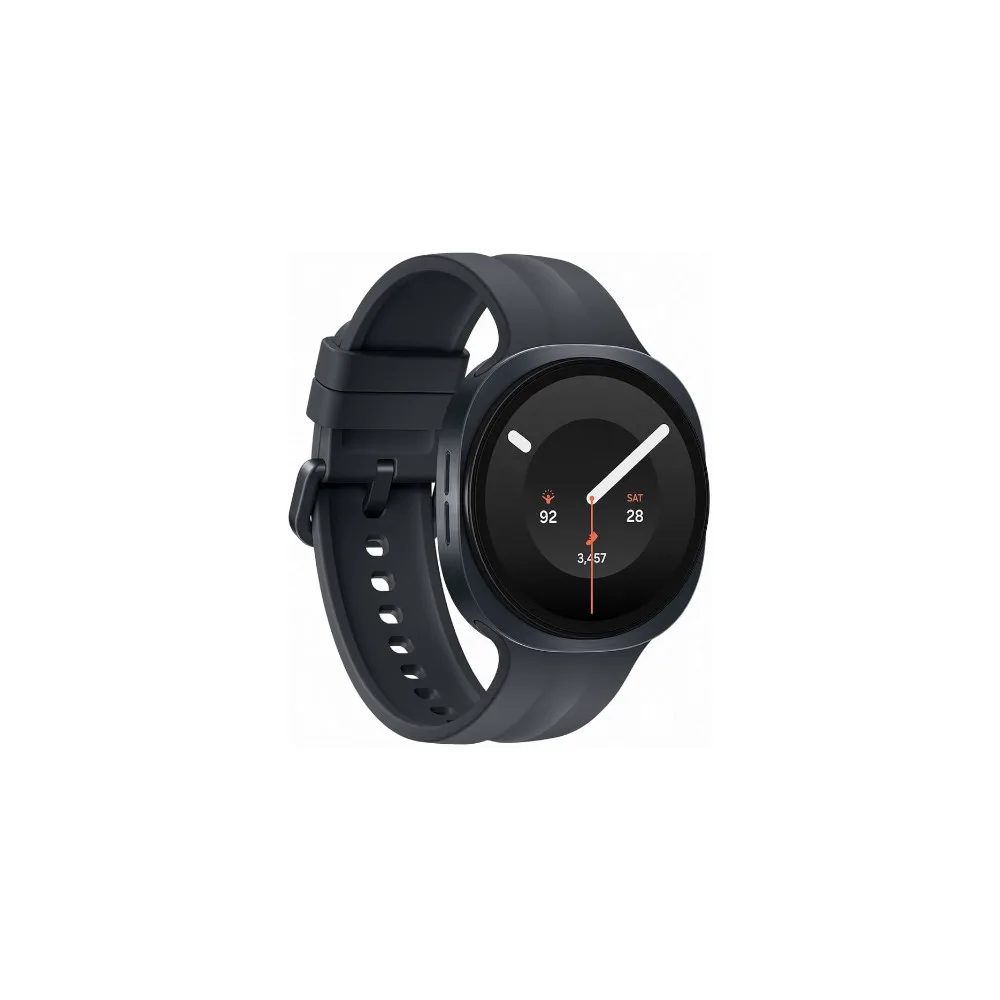
Smartwatches are disposable far too often. Their batteries are sealed, their screens are tiny and costly to repair, and software support has traditionally evaporated long before the hardware looks truly old. That is why the reported Galaxy Watch 9 support policy matters more than another annual spec bump: Samsung is said to be promising five major OS upgrades and five years of security patches for the Galaxy Watch 9 and Galaxy Watch Ultra 2.
Both watches reportedly arrive running One UI 9 Watch, based on Wear OS 7, which would put their update runway through 2031. If Samsung follows through, buyers should see Wear OS versions well beyond the software that ships on day one. For a device that lives on your wrist, tracks your sleep, handles payments and increasingly acts as a health dashboard, that is the minimum sort of commitment consumers ought to expect.
Samsung has not made a lot of noise about this shift, but the details surfaced through reporting from SamMobile. The company’s existing policy since the Galaxy Watch 4 has been four major operating system updates alongside five years of security coverage. Adding another platform update may sound like a spreadsheet change. In practice, it can decide whether a four-year-old watch still gets new health features, updated Google services and compatibility with a future phone.
Five upgrades is a serious claim in a market that usually shrugs
The reported Galaxy Watch 9 support plan is especially notable because most smartwatch makers remain vague, conservative or both. Google’s Pixel Watch software policy has offered three years of OS updates, while Apple tends to support watches for roughly five years but does not publish the same kind of fixed advance pledge. Apple’s recent watchOS 27 beta exclusions were a useful reminder that even a company with an excellent support reputation can draw an abrupt line under older hardware.
Samsung, then, is doing something Apple generally avoids: putting a clear number on the table before customers hand over their money. That is valuable. A watch has always been a tricky purchase because it ages differently from a phone. The casing might look pristine, yet a new phone OS, payment requirement or fitness API can make the watch feel behind the times overnight.
My read is that Samsung is also responding to a market reality. The Galaxy Watch is no longer an experimental Android accessory. It is a mature product category with mature pricing, particularly at the Ultra end. Asking someone to pay premium-watch money while offering laptop-era support windows would be hard to defend. Five years does not make a watch repairable or immortal, but it gives buyers a far better chance of getting their money’s worth.
There is a sustainability angle too, though I would not overstate it. Longer Galaxy Watch 9 support can keep capable hardware on wrists rather than in drawers, provided the battery survives. Software updates cannot rescue a worn-out cell, of course. Still, planned obsolescence gets harder to justify when the manufacturer has publicly committed to keeping the software alive.
The chip change may leave last year’s models behind
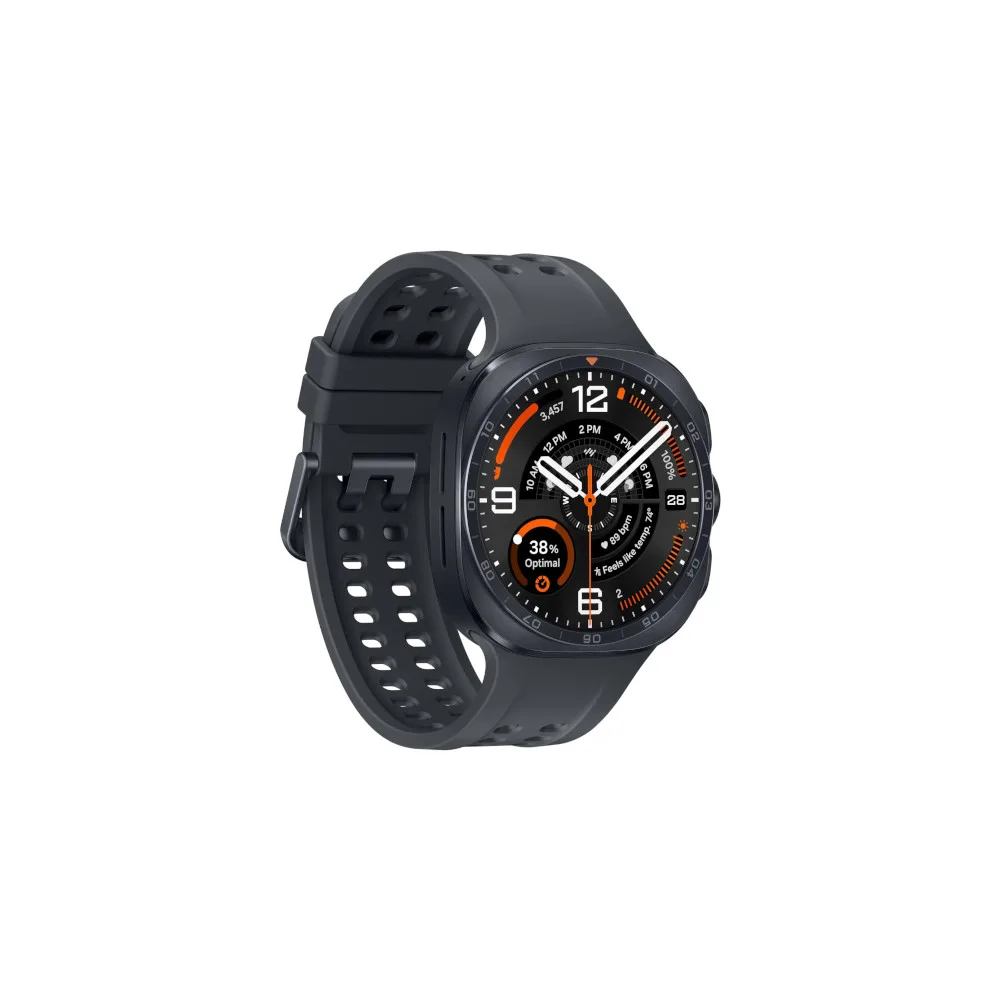
There is one less cheerful detail tucked into this news. Samsung has not said whether the same extended Galaxy Watch 9 support window will apply retroactively to the Galaxy Watch 8, Galaxy Watch 8 Classic or the first Galaxy Watch Ultra. I would not bet on it.
The reason is silicon. Those earlier models use Samsung’s Exynos hardware, while the new Galaxy Watch 9 family reportedly moves to Qualcomm’s Snapdragon Wear Elite platform. That split can turn what looks like a simple software promise into a much messier engineering job. Drivers, power management, modem behavior and sensor processing all need ongoing work. Android enthusiasts know this story well: a platform update is not a single file that gets dropped onto every device like a new wallpaper.
Samsung could choose to extend support for older watches anyway, and it would earn real goodwill if it did. But the company’s stated policy at purchase is usually the number that counts. Consumers should assume their watch receives the promise it was sold with, not a later favor. Remember when Google killed Stadia after customers had bought into its future? Different product, same lesson: written commitments beat optimism.
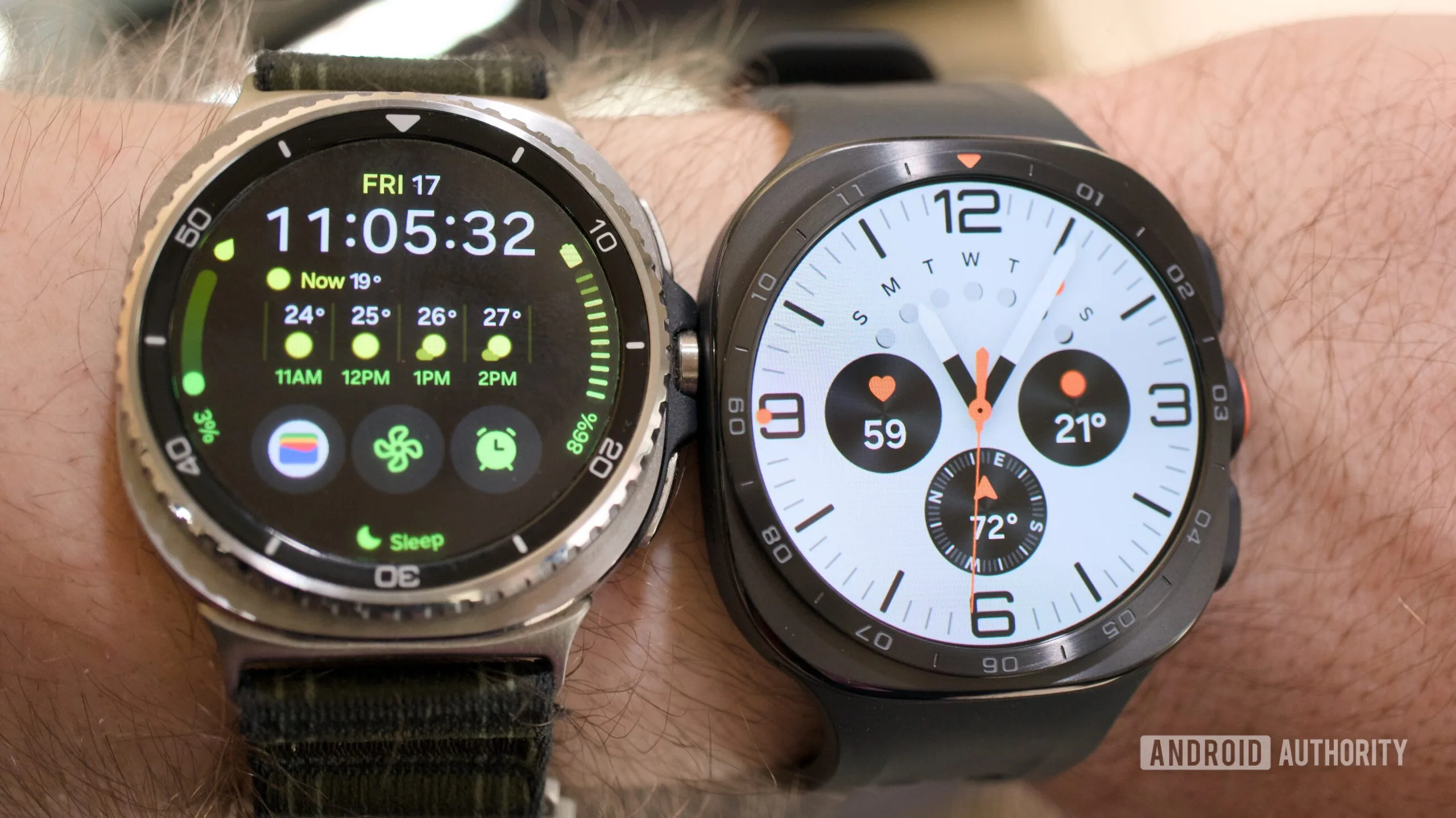
That also makes Galaxy Watch 9 support a potential dividing line in Samsung’s own catalog. Anyone shopping between a discounted Watch 8 and a new Watch 9 should weigh the extra year of OS updates as part of the price difference. A bargain is less compelling if it reaches its software finish line materially sooner.
What five years of Galaxy Watch 9 support means day to day
It would be a mistake to assume every annual Wear OS release transforms a watch. Some updates will bring modest interface polish, complications, tiles and background efficiency work. Others may enable features that are harder to predict today: improved workout analysis, new health insights, stronger theft protection or deeper integration with Android phones and Google services.
The practical benefit of Galaxy Watch 9 support is choice. You should be able to keep a watch because you like it, rather than replace it because a security patch or app requirement forces your hand. Security support deserves equal billing here. A wrist computer often holds notification previews, location-adjacent exercise data, payment credentials and health information. Leaving that device unpatched is not a harmless inconvenience.
That promise matters most when the watch is no longer new. If Samsung keeps delivering updates, owners can leave it on their wrists instead of replacing it simply because the calendar says they should.
For now, the important qualification is that this is a reported commitment surrounding the new models, not a broad rewrite of Samsung’s terms for every Galaxy Watch already sold. Watch for the final support language when the devices reach retail. If the five-upgrade policy is confirmed, though, Galaxy Watch 9 support will set a benchmark Google should find uncomfortable and Apple may eventually have to match with something more explicit. The real test comes in 2030, when we find out whether Samsung still treats this promise as a policy or merely a launch-day talking point.