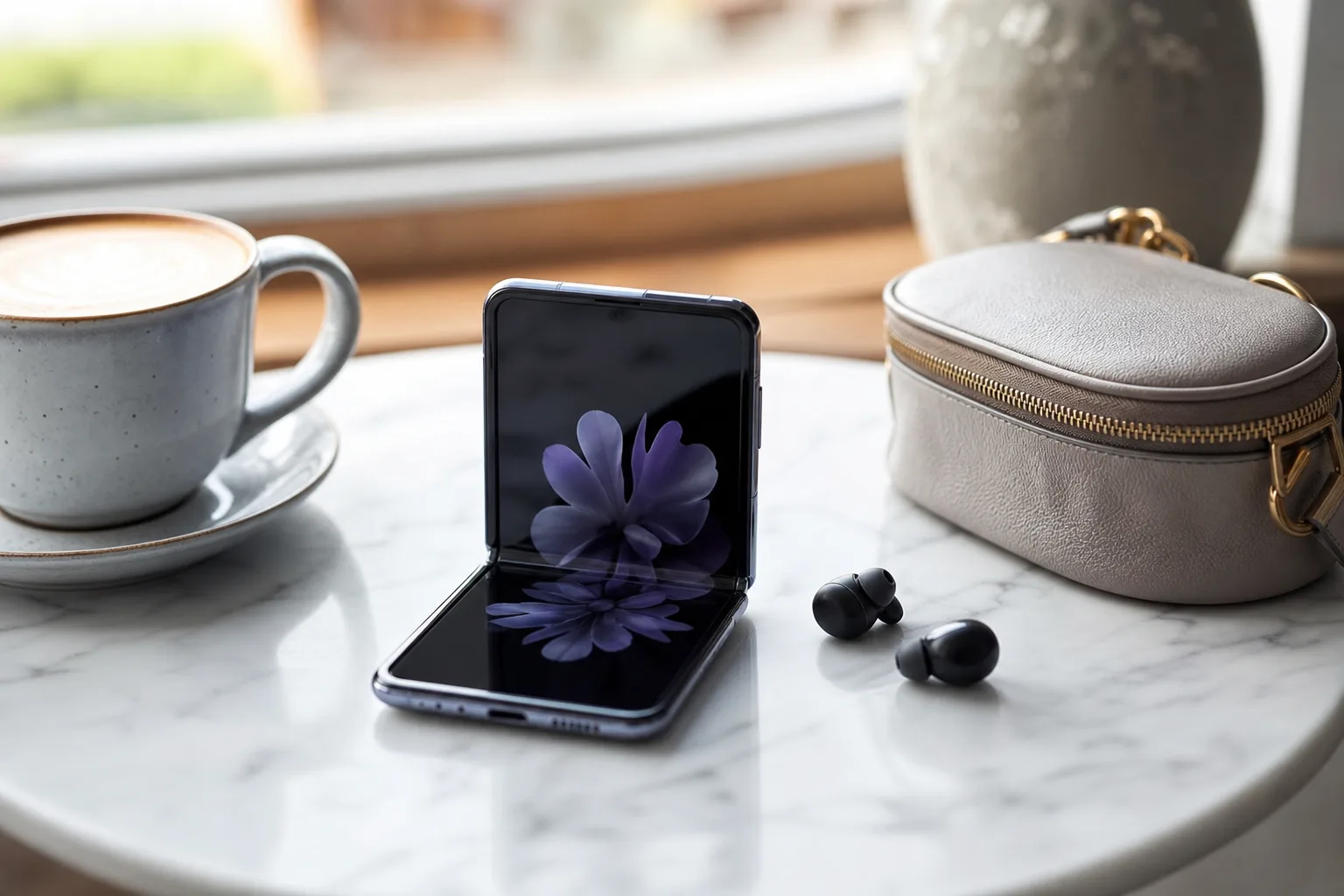
- The Galaxy Z Flip 8 could be Samsung’s final clamshell model, though the report remains unconfirmed and deserves skepticism.
- Losing the Galaxy Z Flip 8 would remove foldables’ most approachable form factor and hand more room to Motorola’s Razr line.
- Samsung may be prioritizing costly book-style foldables as Apple reportedly prepares its own entry into the premium category.
- A clamshell’s compact size, lower price, and useful outer display make it a practical on-ramp for wary foldable buyers.
Table of Contents
The Galaxy Z Flip 8 matters more than its sales chart suggests
A rumor that the Galaxy Z Flip 8 could mark the end of Samsung’s clamshell foldable line should worry anyone who wants phones to remain a little more interesting than identical glass rectangles. Samsung has not confirmed such a plan, and these reports have a habit of outrunning reality. Still, the idea is plausible enough to deserve a hard look.
The Flip has always done a job Samsung’s larger Fold models cannot. It makes folding hardware feel normal. Open one and you have a conventional tall smartphone, not a mini tablet that asks you to rethink apps, aspect ratios, or how you hold the thing while replying to a message. Fold it shut and it suddenly fits in places where modern phones plainly do not.
That sounds trivial until you actually live with a six-plus-inch handset. Small pockets, tiny handbags, a crowded jacket pocket next to keys and earbuds: today’s flagship slabs are the technological equivalent of carrying a TV remote everywhere. A Flip is one of the few premium phones that can disappear when you are not using it.
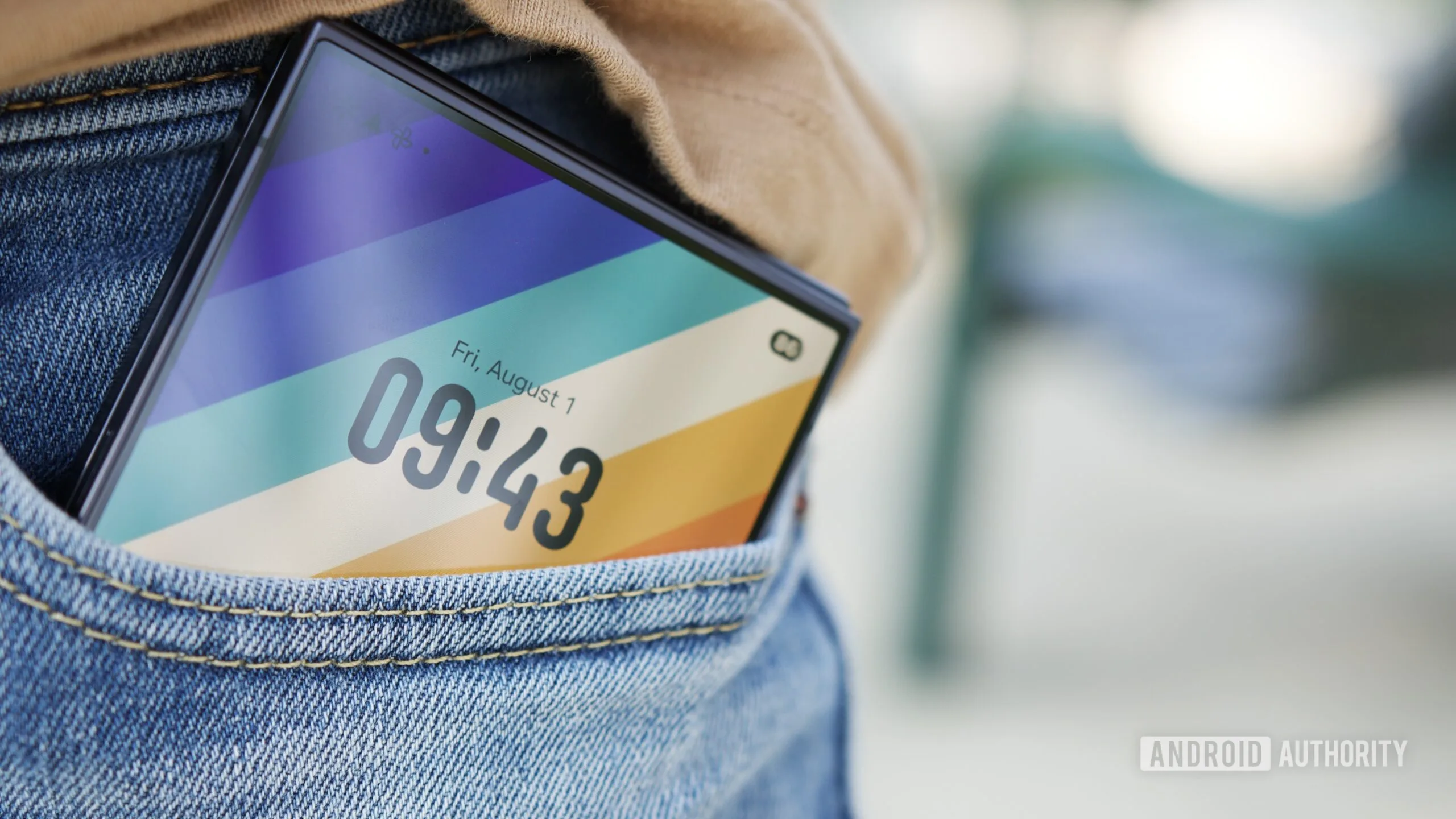
The Galaxy Z Flip 8, if it arrives as expected, would continue that basic bargain: a familiar phone with an unusual physical trick. That is why clamshell foldables have been the category’s friendliest entry point. They offer a bit of novelty without demanding the buyer make a grand lifestyle commitment to folding screens.
And yes, the satisfying snap matters. Ending a call by closing the handset is objectively unnecessary and still deeply enjoyable. Tech companies spend fortunes trying to manufacture emotional attachment through software animations. A hinged phone gets there with a motion most of us understood two decades ago.
Why the Galaxy Z Flip 8 could be harder to justify
The business case is less charming. Foldables remain expensive to build because they require flexible displays, specialized hinges, tighter manufacturing tolerances, and extra durability testing. Samsung has steadily improved that hardware, but each generation has had to answer a blunt question: can the company sell enough units at a price ordinary phone buyers will accept?
The appeal of the Flip series has partly been relative. It costs less than a book-style Fold, so it feels like the sensible way to test a category still associated with creases, fragile screens, and eye-watering repairs. If component costs push a successor beyond that psychologically tolerable price, the Galaxy Z Flip 8 loses much of its purpose. An entry-level foldable that costs like an ultra-premium flagship is a contradiction with a product page.
Samsung also has a strategic distraction looming. Apple has spent years circling foldables without shipping one, but persistent reporting suggests its first device will be a larger book-style model rather than a flip phone. If that happens, Samsung may decide the competitive fight worth winning is at the high end, where bigger screens, productivity claims, and higher margins dominate the conversation.
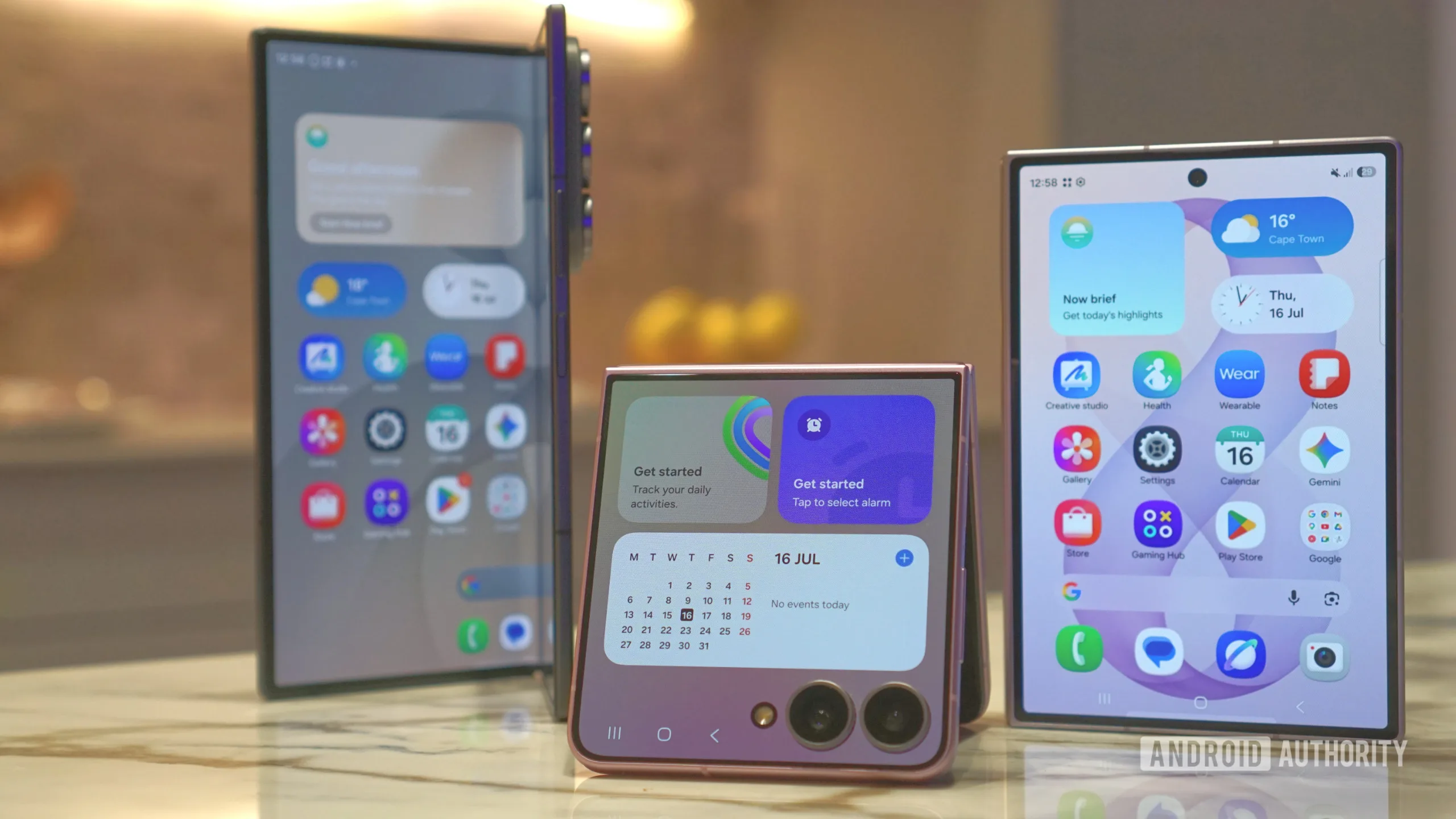
My read is that this would be a mistake if it came at the expense of clamshells. Apple entering the large-foldable space would make that segment noisier, not automatically healthier. The market needs products that bring new people in, and the Flip format does that better than a device that costs laptop money and unfolds into an awkwardly square screen.
The Galaxy Z Flip product lineup underscores the appeal of portability and quick interactions on the cover display. Notifications, music controls, camera previews, payments, and short replies are all tasks that should not require opening the device. That outer screen has become far more than a cute accessory.
Motorola has already shown the clamshell market is real
If Samsung walks away after the Galaxy Z Flip 8, Motorola would be the immediate beneficiary. The Razr family has become a credible alternative, particularly because Motorola leaned early and aggressively into large cover displays. Its recent Razr phones often make the closed-phone experience feel less like a notification ticker and more like a small, capable device in its own right.
Competition has made both companies better. Samsung pushed build quality and mainstream availability; Motorola pushed personality, color, and useful external-screen software. That back-and-forth is precisely what a young hardware category needs. Remove one of its two most recognizable participants, and the remaining company has less reason to take risks on price, features, or design.
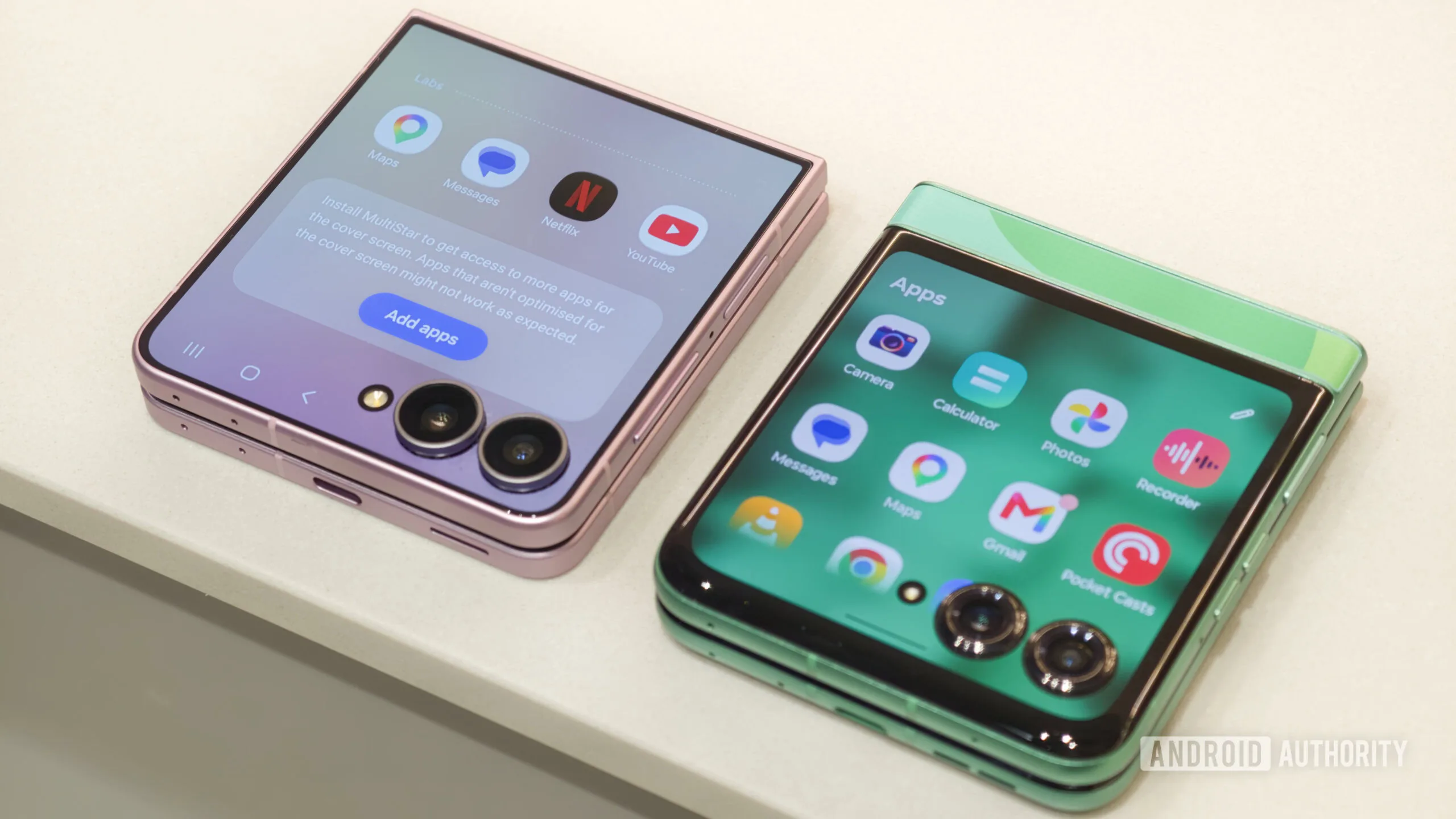
The bigger problem is geographic. Chinese brands including Oppo, Honor, and Xiaomi have made compelling foldables, but their availability varies sharply by region. In the US and much of Europe, buyers looking for a compact foldable generally encounter Samsung and Motorola first. A post-Flip Samsung would turn a meaningful choice into a mostly one-brand lane.
Fun is a feature, even when spreadsheets disagree
Smartphone makers often talk about differentiation, then release another black rectangle with slightly improved cameras. The Galaxy Z Flip 8 represents a rare form of differentiation that users can feel every time they pick it up. It is compact when stored, conventional when opened, and expressive without requiring a novelty app or a subscription.
That does not mean Samsung should sell a money-losing phone for sentimental reasons. Hinge engineering and flexible OLED panels are not paid for with fond memories of 2000s flip phones. But abandoning the format would signal that foldables have failed to move beyond their most expensive interpretation: luxury mini-tablets for people who can absorb the compromises.
Samsung may yet deny the rumor, or release a ninth Flip with a revised pricing strategy. We will see. But if the Galaxy Z Flip 8 truly becomes a farewell model, it will not merely be one less handset on a carrier shelf. It will be a warning that the industry chose the most expensive version of the future and left the fun one behind.