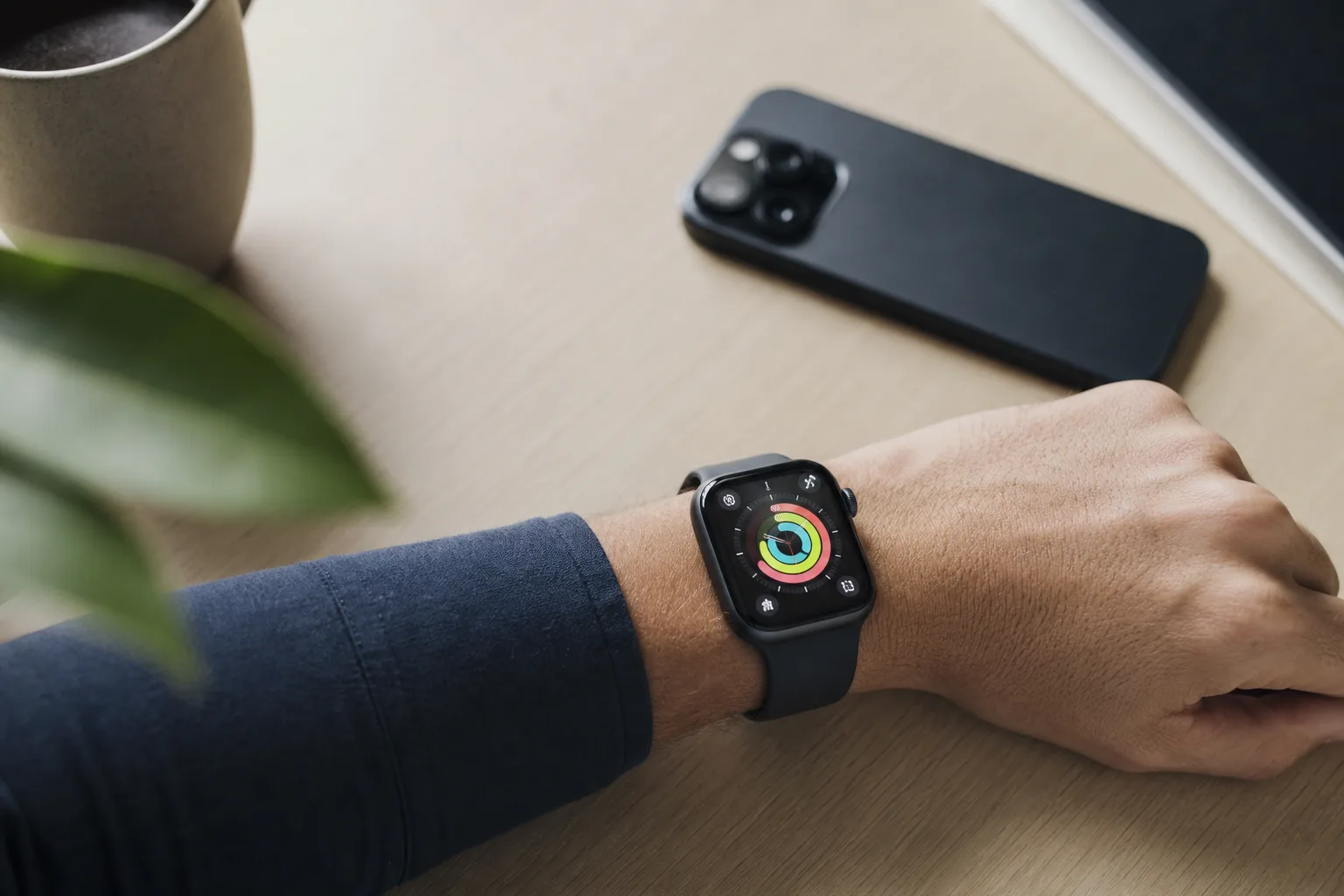
- Apple Watch Series 11 GPS models have fallen by $100 at Amazon, bringing the 42mm version to $299.
- Apple Watch Series 11 in 46mm GPS configuration costs $329, though the discount does not broadly cover cellular models.
- These prices sit roughly $20 to $30 above prior lows, which is close enough for buyers who need a watch now.
- Pick the size and connectivity first, worry about color later, then check Apple compatibility and seller details at checkout.
Table of Contents
Apple Watch Series 11 prices are finally in sensible territory
The Apple Watch Series 11 is seeing the kind of discount that changes the buying conversation. Amazon has cut $100 from several GPS aluminum configurations, dropping the 42mm model from $399 to $299 and the larger 46mm version from $429 to $329. That is not a token coupon tucked behind a subscription trial. It is a real reduction on Apple’s current mainstream watch.
The catch, as usual with Amazon hardware sales, is that the deal is selective. Several aluminum GPS finishes are included, while cellular versions appear far less consistently discounted. Stock and colors can move quickly, too, so the listed price matters more than the product-page thumbnail you happened to see an hour earlier.
For anyone holding onto an older Apple Watch with a fading battery, this is the point where waiting becomes harder to defend. A $100 cut moves Apple’s entry-level current-generation watch below the psychological $300 line. Frankly, that is where a GPS-only Apple Watch starts to look properly competitive against premium Garmin, Samsung, and Google alternatives rather than simply carrying the Apple tax.
Amazon’s current pricing is reportedly within roughly $20 to $30 of the lowest prices seen so far. That distinction matters, but perhaps less than deal trackers often suggest. Saving another twenty bucks is nice; having to wait through weeks of unpredictable inventory and price swings is not always worth the trouble if you need a watch now.
What the $299 and $329 options actually mean
The smaller Apple Watch Series 11 GPS model is available for $299, while the 46mm GPS version costs $329. The $30 gap is unusually straightforward: pay for the larger case, larger display, and generally roomier fit. It is a personal decision, not a performance tier. Both models run the same watchOS software and deliver the same core Apple Watch experience.
That sounds obvious, but Apple’s product matrix has a way of turning basic choices into a small spreadsheet. Buyers have to pick a size, a case material, a color, a band, and whether their watch needs its own cellular connection. Amazon adds another variable because individual combinations may be sold by different merchants or ship at different times.
My read is that most iPhone owners should start with GPS unless they already know why cellular matters. GPS watches can still handle notifications, calls, music controls, fitness tracking, wallet payments, and the rest when an iPhone is nearby or when the watch is connected to Wi-Fi. Cellular earns its extra cost for runners who leave their phone behind, parents setting up a watch for a child, or anyone who genuinely wants a communications backup on their wrist.
Do not buy cellular merely because it sounds more complete. It also normally brings an ongoing carrier charge, the sort of small monthly bill that quietly outlives the excitement of a new gadget. We have all got at least one of those.
Before buying, verify that your iPhone can run the software required by the watch. Apple maintains an official Apple Watch comparison page with model and compatibility information, and it is a better place to settle fit and feature questions than an Amazon review written three product generations ago.
Why this Apple Watch Series 11 discount matters
Apple rarely turns its newest mainstream devices into bargain-bin products. Instead, the company allows retailers such as Amazon, Best Buy, and Walmart to do the discounting around key shopping periods. The result is a familiar pattern: Apple preserves the list price, while buyers who pay attention can avoid it.
The Apple Watch Series 11 sale also arrives at a useful moment in the annual device cycle. Wearables are less prone to radical year-over-year changes than phones. A new Apple Watch may add useful refinements, but it does not make a properly working recent watch suddenly useless. That means a $100 discount has outsized value: you are buying into a mature platform with a large accessory market and a long-established health and fitness ecosystem.
Apple’s advantage remains integration. If you use an iPhone, the watch fits into daily routines with very little ceremony: notification triage, activity tracking, transit payments, directions, remote camera controls, and the occasional ping to locate a phone that has slipped between couch cushions. Competitors often match individual features. Few match the whole package for iPhone users.
Still, the Apple Watch Series 11 is not an automatic recommendation for everyone. Android users should look elsewhere, since Apple Watch remains tied to the iPhone. Serious endurance athletes may also prefer Garmin’s longer battery life and deeper training metrics. Apple’s watch is the better all-purpose companion; Garmin often feels more like a dedicated instrument panel strapped to your arm.
Buy the configuration, not the discount badge
A $100 sale can make any configuration feel urgent, which is exactly why buyers should slow down for two minutes. Confirm the case size in millimeters, make sure the listing says GPS rather than GPS plus Cellular if that is what you want, and inspect who is fulfilling the purchase. Amazon’s storefront can mix inventory from Amazon itself and third-party sellers in ways that are not always obvious.
Band choice deserves less anxiety. Apple’s interchangeable system means you can replace a band later, often for far less than the premium Apple charges for some of its official options. Size and connectivity are the decisions that are expensive or impossible to reverse after checkout.
For a buyer who wants the current Apple wearable at a reasonable price, the Apple Watch Series 11 at $299 is the more compelling offer. The 46mm model at $329 is equally solid if the larger fit suits your wrist. Could prices sink another $20 during a future promotion? Absolutely. But unless you enjoy treating smartwatch shopping like day trading, this is already close enough to the floor that the practical answer is clear.
Apple has trained shoppers to wait for retailer discounts rather than pay list price. If these reductions keep appearing on current models, that habit will only get stronger—and Apple’s $399 starting price will increasingly look like a suggestion rather than a real-world cost.