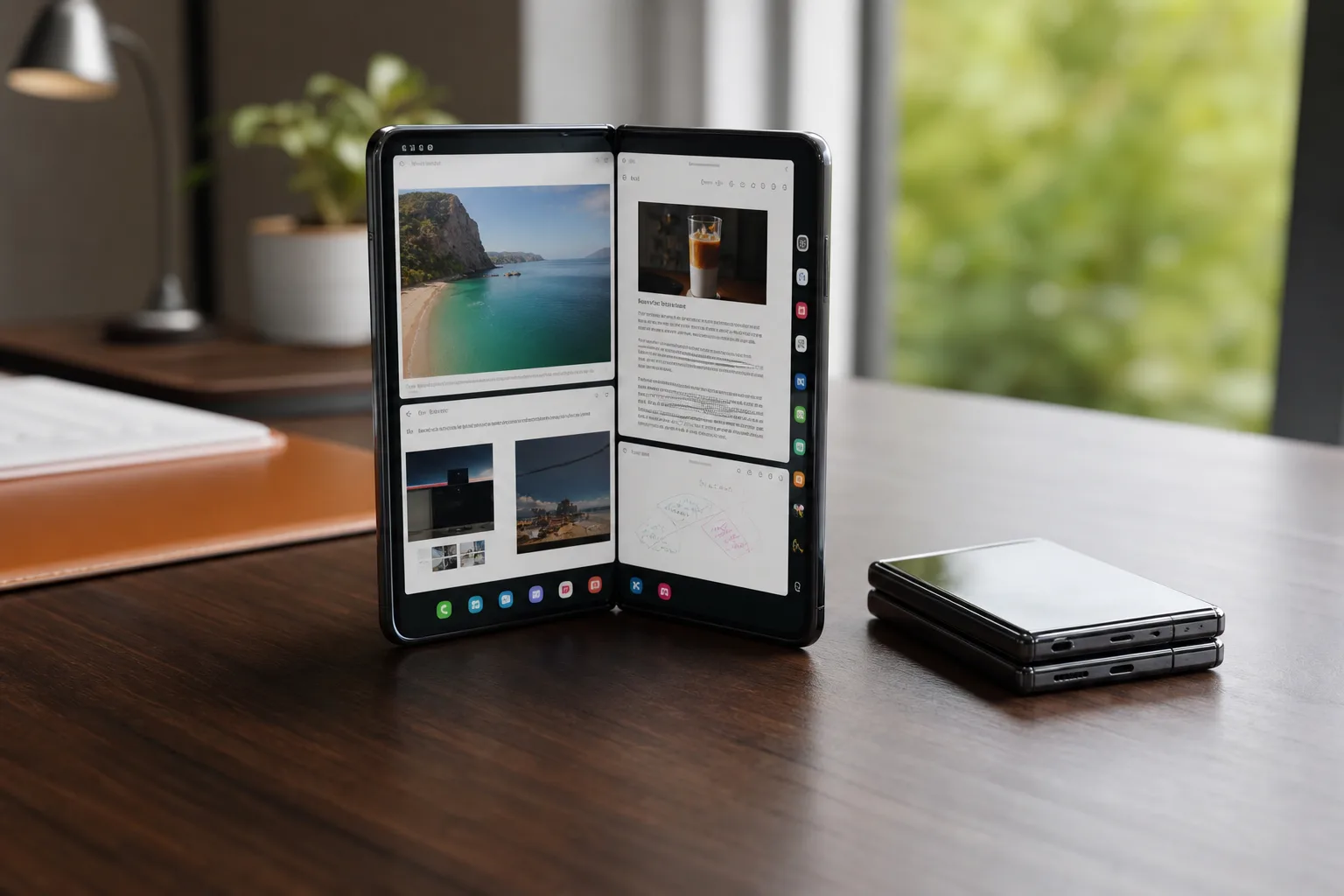
- The Galaxy Z Fold 8 reportedly reaches 201 grams and 4.5mm unfolded, making Samsung’s design progress hard to dismiss.
- A wider cover screen makes the Galaxy Z Fold 8 more practical closed, reducing the need to unfold it for routine tasks.
- Samsung’s reported two-camera setup raises uncomfortable questions for a foldable expected to cost around $1,900.
- Extreme thinness may test sustained performance, because a slim foldable has limited room to move heat away from its processor.
Table of Contents
The Galaxy Z Fold 8 finally feels designed for ordinary phone use
The Galaxy Z Fold 8 appears to solve the complaint that has dogged Samsung’s book-style foldables for years: when closed, they have often felt like expensive devices waiting to be opened. A taller, wider cover display changes that equation. Replying to messages, tapping out an email, checking directions, or simply scrolling through a feed should feel much closer to using a conventional flagship phone rather than typing on a narrow remote control.
That sounds like a minor ergonomic adjustment. It isn’t. Samsung spent several Fold generations treating the outer screen as a compromise, while rivals such as Google, Honor, Oppo, and Vivo pushed toward more natural phone-like proportions. The reported Fold 8 design suggests Samsung has accepted the obvious: people don’t always have two hands free, and they don’t want to unfold a $1,900 handset just to send a one-line reply.
According to the reported specifications, Samsung has also cut the Galaxy Z Fold 8 to 201 grams, down 14 grams from the prior model, with a 4.5mm profile when opened. That is an engineering feat, even if no one should pretend 14 grams alone will transform daily life. You notice that difference most when moving between devices side by side. What users will notice immediately is a foldable that feels less like a small brick in a pocket.
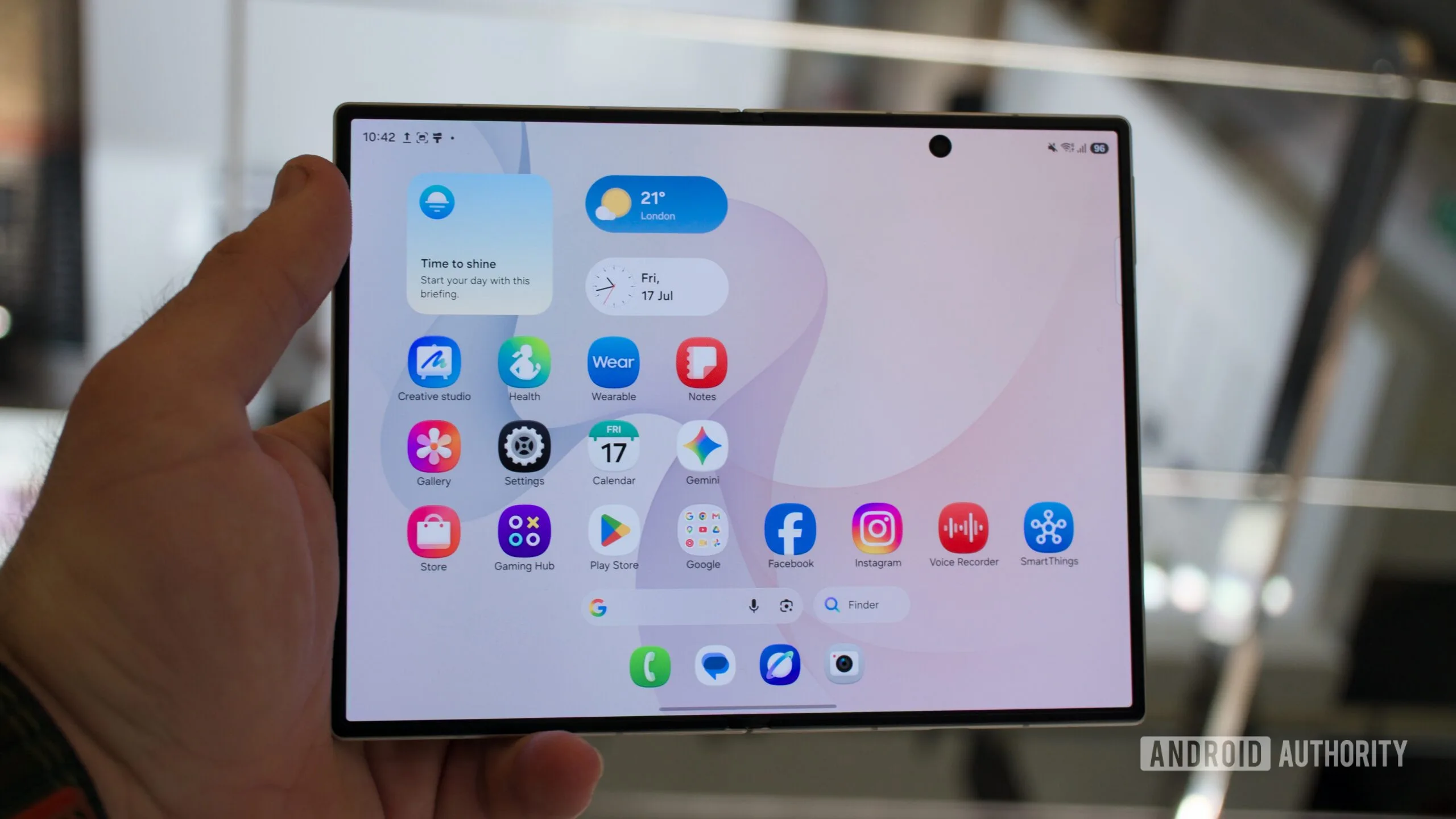
The larger internal screen is still the reason to buy this category at all. Reading long articles, handling a spreadsheet, comparing products, editing photos, and running two apps at once all make more sense on a tablet-sized canvas. A wider external panel means that inner screen becomes an option rather than an obligation. Frankly, that’s the best argument Samsung has made for the Fold line in years.
Thinness is impressive, but the Galaxy Z Fold 8 has to live with it
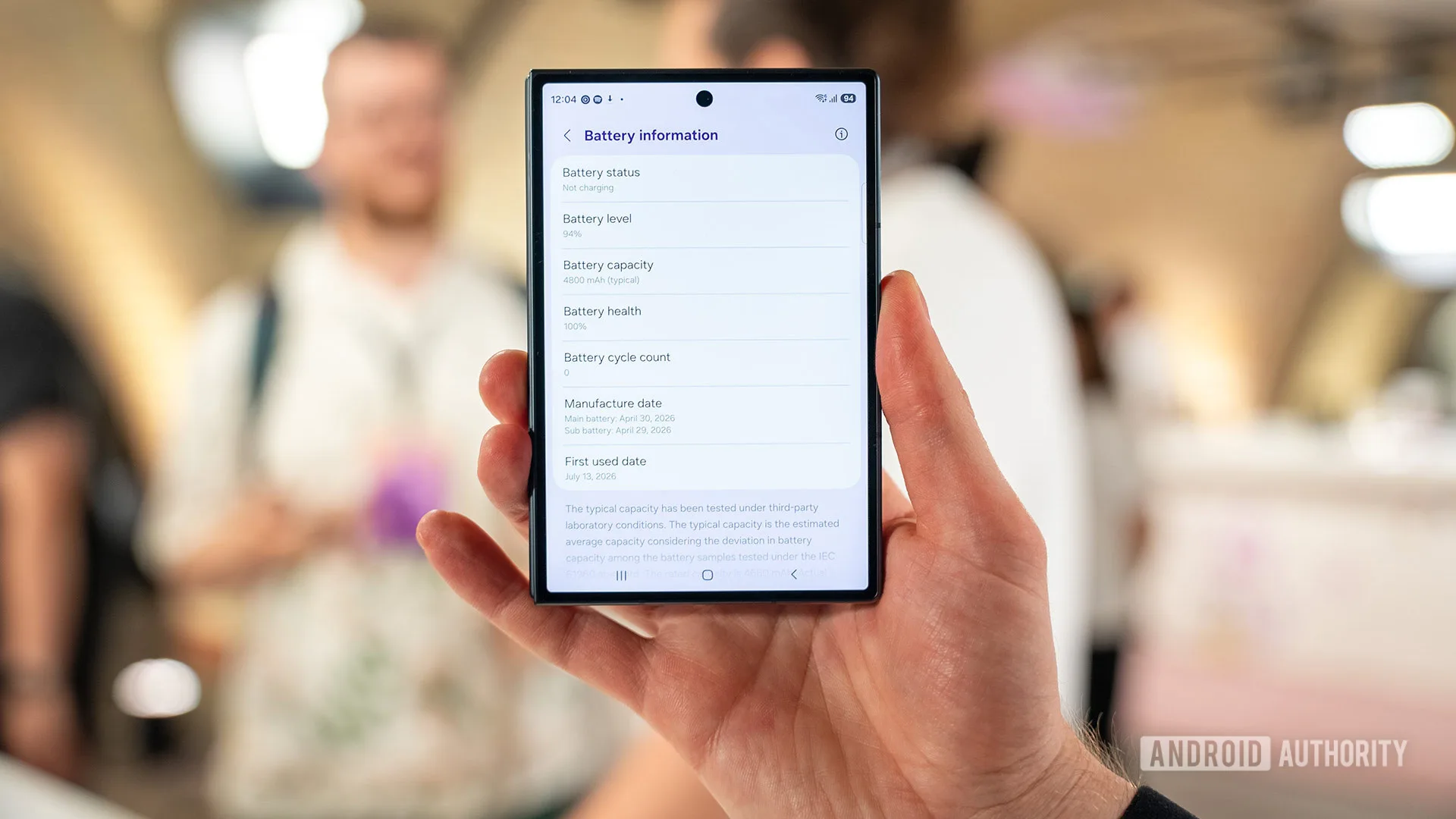
Samsung reportedly kept a 4,800mAh battery in the standard Galaxy Z Fold 8, only 200mAh below the purported 5,000mAh capacity of the Ultra version. On paper, that is a respectable result. Battery capacity has often been the first victim of phone thinness, and Fold buyers already have two displays and demanding multitasking habits working against them.
But capacity is only half the battery story. Display efficiency, modem behavior, software scheduling, and heat all determine whether a phone survives a day without that familiar late-afternoon anxiety. A 4,800mAh cell could be perfectly adequate if Samsung’s software and Qualcomm’s new chip behave; it could also look merely average once the big inner display, 5G, navigation, and camera use arrive together. We’ll need independent battery testing before declaring a win.
The harder question is thermal headroom. The reported Snapdragon 8 Elite Gen 5 for Galaxy should offer flagship-tier performance, and it would be bizarre if basic apps felt slow on a device at this price. Sustained work is where thin hardware gets honest. Thirty minutes of demanding gaming, video recording, photo editing, or a stack of apps in split-screen mode can turn a benchmark winner into a warm, throttled slab.
Samsung has more constraints here than a typical candy-bar phone. A foldable’s components are divided around a hinge, and its thin halves leave less physical volume for heat-spreading materials. That doesn’t guarantee a problem, but it makes the Galaxy Z Fold 8 a device that should be judged after the honeymoon period, not during a five-minute retail demo.
The missing zoom camera is the awkward compromise
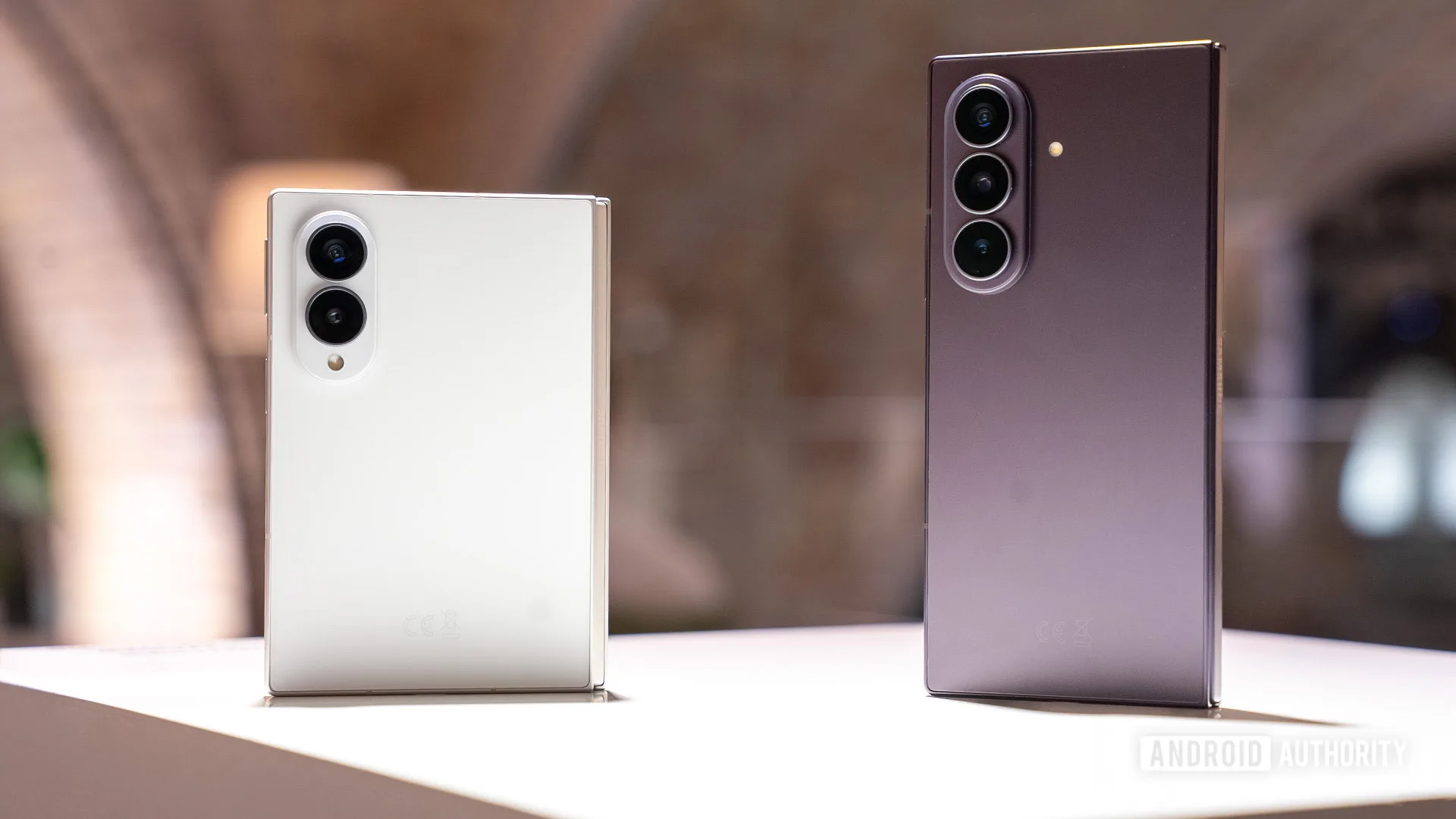
My read is that the camera decision is tougher to defend than the battery trade-off. The reported Galaxy Z Fold 8 configuration includes a 50MP main camera and a 50MP ultrawide, but no dedicated telephoto camera. Samsung can use cropping and computational processing to make a main sensor appear more flexible. Physics still gets a vote. Optical reach remains useful for portraits, travel shots, kids on a stage, sports, and any subject that refuses to stand closer.
This is particularly awkward because Samsung sells the Fold as a premium productivity flagship, not a budget experiment. Its own Galaxy S Ultra devices have trained customers to expect serious camera hardware at the high end. Google’s Pixel Fold line and several China-focused foldable rivals have also treated telephoto cameras as part of the flagship checklist. Removing that lens may free precious internal space and help Samsung reach its weight target, but buyers are entitled to ask why they’re paying near-ultra-premium money for less shooting flexibility.
There is a charitable interpretation. Samsung may be betting that the Fold’s large display, slimmer body, and better closed-phone usability matter more to its intended customer than long-range photography. For plenty of people, that will be true. A business traveler who spends the day in Gmail, Slack, documents, maps, and browser tabs might get vastly more value from a practical cover screen than from a 3x or 5x lens.
Still, this category has always asked buyers to make a compromise: pay more, accept a crease, and carry a device with more moving parts in exchange for a phone and tablet in one. The Galaxy Z Fold 8 reduces some of those compromises while introducing another one that is plainly visible on a spec sheet.
Samsung is chasing normal, and that may be the right race
The industry’s thin-phone fixation can become silly fast. Nobody needs a handset that feels like a playing card if it overheats, has poor endurance, or requires a camera bag for anything beyond a basic shot. Remember the ultrathin phone cycles that ended with mediocre batteries and bent chassis? Hardware companies have a habit of relearning the same lesson every few years.
Yet Samsung’s direction makes sense because foldables cannot stay niche forever if they remain conspicuously awkward. The Galaxy Z Fold 8 seems to aim for a more useful version of normal: normal to hold closed, normal to type on, normal to pocket, then unusually capable when opened. Samsung’s own Galaxy Z Fold lineup has steadily moved toward that goal, even when its proportions lagged behind competitors.
Now comes the test that matters. If Samsung can keep the phone cool, deliver dependable all-day battery life, and make its two rear cameras genuinely excellent, the missing telephoto lens may be a compromise some buyers can live with. If not, the Galaxy Z Fold 8 will stand as another reminder that thinness is easy to admire and much harder to use.