

- A purported SpaceX IPO earnings report clashes with the company’s longstanding private status and has no support in official public disclosures.
- The SpaceX IPO story borrows credible ideas about AI and satellites, then attaches financial claims nobody can independently verify.
- Musk has talked about enormous compute and space-infrastructure ambitions before. The difficult questions are still timing and economics.
- Orbital data centers would have to contend with launch costs, thermal management, radiation exposure, and a crowded regulatory environment.
Table of Contents
The SpaceX IPO story has a basic problem
The supposed SpaceX IPO earnings story falls apart before you get to the eye-catching claims about artificial intelligence, Nvidia hardware, or a million data centers in orbit. SpaceX has long been a privately held company, and there is no credible public record of the company completing the kind of blockbuster listing described in the claims.
A newly public company’s quarterly numbers do not live in a rumor mill. They appear in formal filings, earnings releases, investor calls, and regulatory records that anyone can check. A company supposedly shedding enormous market value after its first report would leave a very obvious paper trail. Here, that trail is missing.
SpaceX’s actual financial position is unusually opaque by design. Private companies can disclose selected facts to investors and employees while avoiding the disclosure machinery public markets demand. SpaceX has raised money privately, and secondary share sales have periodically created headlines around its valuation, but that is fundamentally different from a SpaceX IPO. Buying a stake in a private tender offer is not the same as buying a ticker through a brokerage account.
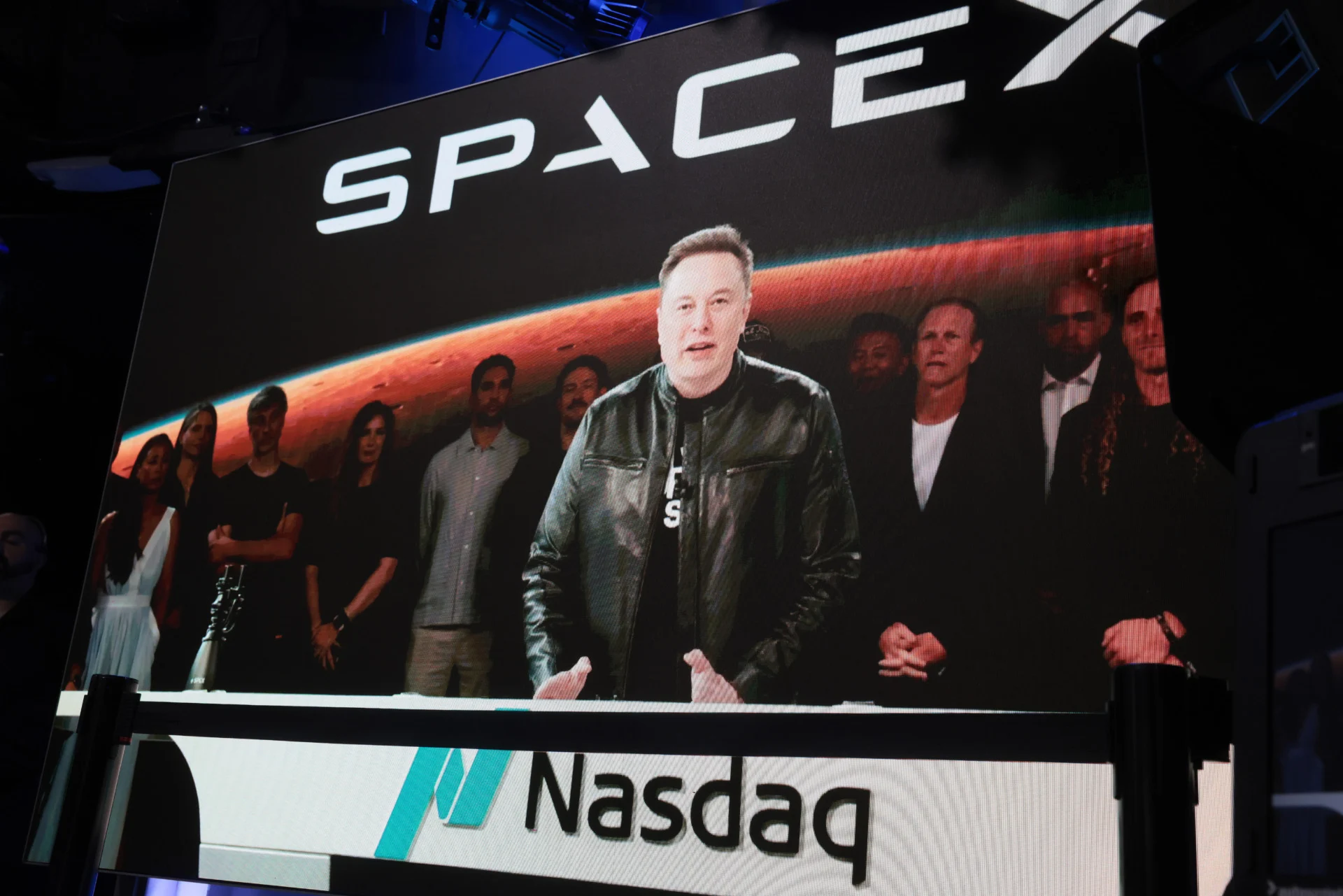
The distinction may sound pedantic, but it is the whole story. Public-market earnings reports are built for scrutiny. Private-company valuation chatter is often built from limited information, interested parties, and a generous helping of Musk mythology.
Why the AI claims sound familiar anyway
The details attached to the alleged SpaceX IPO call are effective misinformation precisely because they borrow from real industry currents. Every major technology firm is spending heavily on AI infrastructure. Nvidia remains the central supplier for much of that buildout. And Musk has repeatedly argued that compute capacity will become a defining industrial resource.
His broader vision also has real roots. Starlink has made SpaceX one of the world’s most consequential satellite operators, while Starship is designed around lowering the cost of putting mass into orbit through rapid reuse. If launch costs fall dramatically, it is reasonable to ask what kinds of infrastructure become economically possible up there.
But reasonable is doing a lot of work in that sentence. An orbital data center is not simply a terrestrial warehouse with server racks pointed at the stars. It needs reliable power, radiation protection, high-bandwidth links, servicing plans, and — the stubborn engineering problem people tend to skip — a way to shed heat. On Earth, data centers use air and water because the atmosphere makes heat removal comparatively straightforward. In space, waste heat must be radiated away, which means large thermal hardware and difficult design tradeoffs.
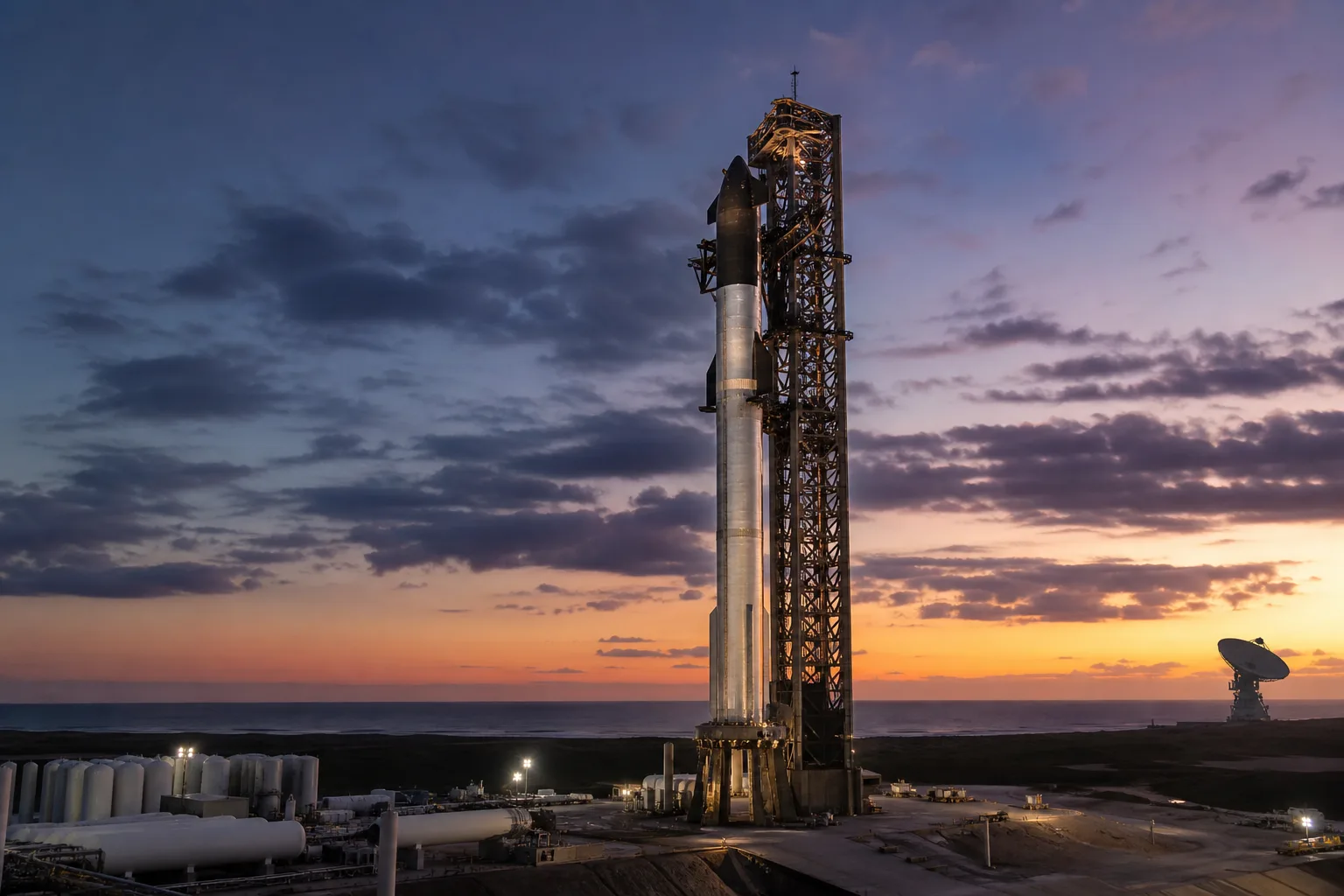
SpaceX has publicly described Starship as a fully reusable transportation system intended to carry crew and cargo to Earth orbit, the Moon, Mars, and beyond. The company’s own Starship overview makes clear just how expansive that ambition already is. Adding an AI-compute utility in orbit would make the project bigger, not simpler.
A SpaceX IPO would force a harder conversation
If a real SpaceX IPO happens someday, investors will have to separate the business SpaceX has now from the businesses Musk hopes it can create. Those are not remotely the same thing.
The established pillars are easier to understand. SpaceX earns launch revenue, operates the Starlink broadband network, performs government and commercial missions, and develops vehicles intended to expand those activities. Even there, the company faces serious execution risks: launch failures, spectrum fights, orbital-debris concerns, and the astronomical capital required to keep building satellites and rockets at scale.
Then there is the Musk premium. Investors have seen the upside of backing him early, but they have also learned to read dates attached to his biggest claims with caution. Tesla’s full-self-driving timeline, the original Hyperloop frenzy, and the fate of projects such as the Boring Company’s promised transit vision offer a useful reminder: ambitious demonstrations are not the same as a mature, profitable service.
That does not mean every far-out objective should be dismissed. SpaceX itself is proof that conventional wisdom can age badly. Reusable orbital rockets were treated as a long shot for years; now booster landings are almost routine. My read, though, is that the company’s past success makes people too willing to accept the next claim without asking what it costs, who pays, and what practical problem it solves.
The missing numbers matter more than the grand rhetoric
The alleged report’s most dramatic figure — $15.8 billion in quarterly AI spending — should trigger immediate skepticism. That would be a staggering outlay for any company, including the largest cloud providers. Amazon, Microsoft, Alphabet, and Meta have each signaled enormous AI capital expenditure, but they also operate giant mature businesses with transparent financial statements, enormous cash flows, and established data-center footprints.
A SpaceX IPO prospectus could eventually show investors whether Starlink cash generation can fund future Starship development, whether launch services remain a durable profit engine, and how much capital an orbital-compute strategy would consume. Until then, hard dollar figures tied to SpaceX’s internal AI operation should be treated as unverified unless they come from a filing, the company, or a reliably sourced financial report.
The same goes for assertions about exclusive Nvidia supply arrangements, a named satellite-AI partnership, or a near-term system trained on every piece of SpaceX data. Those are the sort of claims that would attract attention from customers, rivals, regulators, and investors. Silence is not proof of impossibility, but it is a poor foundation for a multibillion-dollar market narrative.
Frankly, the future version of SpaceX may well be stranger than today’s skeptics expect. It could launch at a pace the industry once considered absurd, put more communications infrastructure around Earth, and make the Moon a more active industrial destination. But a real SpaceX IPO would not make those plans true by itself. It would make the company answer more questions about them — and that’s where the interesting story begins.

