

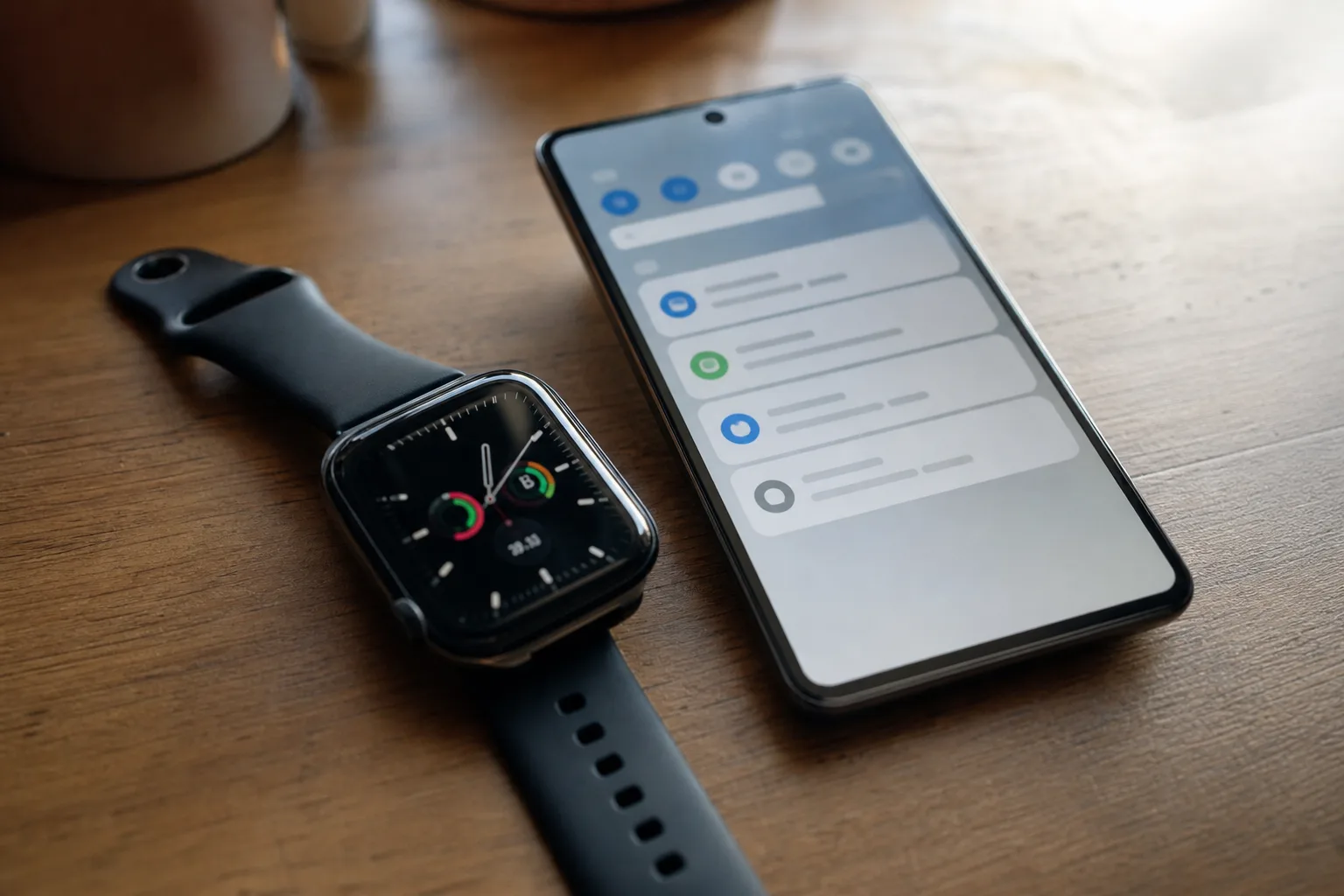
- Apple Watch with Android now works through Merge Watch, which relays notifications, music controls, and health data between two locked-down platforms.
- Using an Apple Watch with Android still requires initial iPhone activation and costs up to $6 monthly for the complete feature set.
- Notification delivery can lag or arrive in batches, especially when Android battery management puts the companion app to sleep.
- The workaround exposes Apple’s ecosystem strategy: Apple Watch remains useful away from iPhone, but never fully independent of it.
Table of Contents
Apple Watch with Android is plausible, but still far from native
For years, buying an Apple Watch meant making a fairly blunt promise: you were staying with the iPhone. Move to Android and Apple’s otherwise excellent wearable became an expensive step counter with a lovely screen. Apple Watch with Android support via an app called Merge Watch changes that equation a little — not cleanly, and not cheaply, but enough that some switchers may actually care.
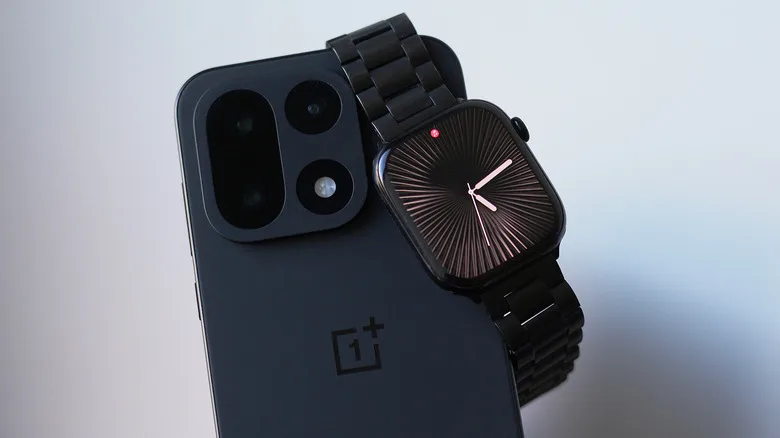
Merge Watch is attempting a job Apple has conspicuously declined to do. Install its companion app on an Android handset and its watchOS app on the Apple Watch, and it relays phone notifications to the watch, supports message replies, provides music controls, and moves health information into Google Fit. For someone who prefers a OnePlus, Pixel, or Samsung phone but hasn’t found a smartwatch they like as much as Apple’s, that’s a real proposition.
But don’t mistake this for Apple opening a door. It’s more like someone has found a narrow side window and is passing notes through it.
What Merge Watch can actually do
The reported setup for Apple Watch with Android starts with an unavoidable catch: the watch still needs to be activated with an iPhone. After that, users install Merge Watch from the App Store on the watch and Google Play on the Android phone, grant Bluetooth, notification, health, and background-operation permissions, then confirm a six-digit pairing code.
Once connected, the most useful feature is notification forwarding. Android alerts appear inside the Merge Watch app on the wrist, and users can reply to messages from there. Playback controls also show up when audio is playing through apps such as Spotify. The Android app allows notification settings on an app-by-app basis, which matters because nobody needs every shopping alert and group-chat reaction vibrating against their wrist.
Health syncing is the other meaningful part of the pitch. Merge Watch reportedly sends Apple Watch data to Google Fit, while ECG recordings and sleep data can also be viewed on the Android side. Google Fit is hardly the most elegant health dashboard on the market, frankly, but it is a workable landing spot for people leaving Apple’s Health app behind.
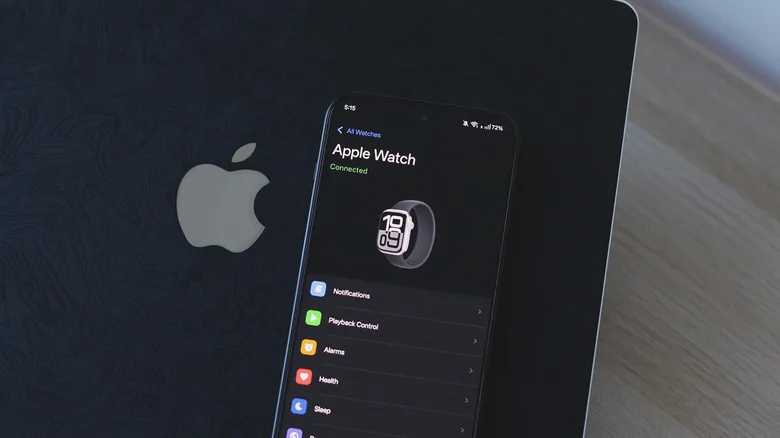
That list sounds more complete than the experience feels. Notifications are not native watchOS alerts; they live within Merge Watch. Every other Apple Watch app continues running independently, but the cross-platform layer is effectively one app sitting between two operating systems that would rather not speak. Apple’s own iPhone-to-Watch notification system can decide which screen should buzz. On Android, both devices may alert at once. It’s notification mirroring, not the kind of handoff Apple users are accustomed to.
The compromises are easy to predict
The core limitation of Apple Watch with Android is not a lack of developer effort. It’s platform control. Apple has designed watchOS around the iPhone, and third-party developers do not get the same deep hooks that Apple uses for its own pairing, messaging, and notification systems. Merge Watch appears to make intelligent use of what is available, but it cannot conjure up privileged access that Apple hasn’t exposed.
Reliability is also the thing that separates a clever demo from a daily-driver tool. Testing described occasional missed alerts, requiring the user to open the watch app again before delivery resumed. When it woke, queued notifications could land all at once. That’s the smartwatch equivalent of a receptionist taking a coffee break and handing you a stack of urgent messages an hour later.
Android’s battery-management habits can make this worse. OnePlus phones, in particular, are known for aggressively restraining background activity. Even after disabling battery optimization for Merge Watch, delays reportedly remained. The app may behave better on a Pixel or Galaxy phone, but prospective users should treat that as an open question, not a promise.
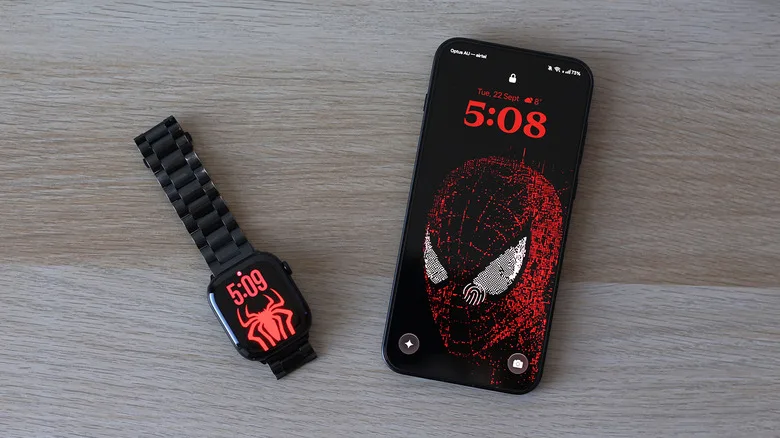
There is also a battery cost on the watch itself. A persistent bridge fetching and processing alerts all day will use more power than an Apple Watch operating in its intended iPhone environment. That may not ruin a day’s use on newer models, but it is one more small tax attached to an already compromised arrangement.
Compatibility is only part of the problem: privacy and price matter too
Any service promising Apple Watch with Android should prompt a pause around data handling. Merge Watch asks for notification access and health information, two categories that can reveal an extraordinary amount about a person’s life. Its privacy policy says most data stays on users’ devices and that notifications sent through an internet relay are end-to-end encrypted. That is reassuring as far as it goes, but users should still read the policy themselves before handing over ECG and sleep records.
Then there is the subscription. Full functionality costs $6 per month. I’d argue that is the hardest sell here. A one-time utility purchase would feel proportionate for a workaround that depends on two platforms remaining cooperative. A recurring fee means paying $72 every year for the privilege of keeping hardware you already own usable after changing phones.
Still, Merge Watch may have a small but legitimate audience. Apple Watch hardware remains among the most polished wearables available, and the Android smartwatch market has plenty of capable alternatives without a perfect equivalent for every buyer. If your watch is paid for, fits your routines, and you are willing to tolerate the occasional delayed alert, $6 may be less painful than replacing it.
Apple’s walled garden has a crack, not a way out
The Apple Watch still needs an iPhone for initial activation. Apple setup guidance explains the process. Merge Watch does not overturn that arrangement. It demonstrates something more awkward for Apple: a motivated developer can make an Apple Watch with Android useful enough that the old all-or-nothing choice is no longer quite true.
That matters because platform lock-in is most visible when people try to leave. AirPods work reasonably well outside Apple’s ecosystem; Apple Watch has historically been the tougher break. Merge Watch makes the break less absolute, even if it remains a slightly fragile bridge with a monthly toll booth.
My read is that Apple has little incentive to officially support Android unless regulators force its hand or Android switchers become a material business opportunity. Until then, Apple Watch with Android will remain a workaround category: clever, valuable to the right person, and permanently one software update away from needing another fix.
Frequently Asked Questions
Can you use an Apple Watch with Android without an iPhone?
Not entirely. Merge Watch can connect an Apple Watch to an Android phone, but the watch must first be activated using an iPhone. The setup is a third-party workaround rather than native compatibility.
How much does Merge Watch cost?
Merge Watch offers subscription tiers, with full access to its features costing $6 per month according to the reported testing. That price covers the bridge for notifications, replies, media controls, and health-data syncing, but it is a recurring cost on top of the hardware.
Does Merge Watch sync Apple Watch health data to Android?
Yes. The app syncs health information collected by the Apple Watch with Google Fit, though initial syncing may take time. ECG recordings and detailed sleep-tracking data also appear on the phone, and users should weigh the privacy implications of granting a third-party service access to sensitive health information.

