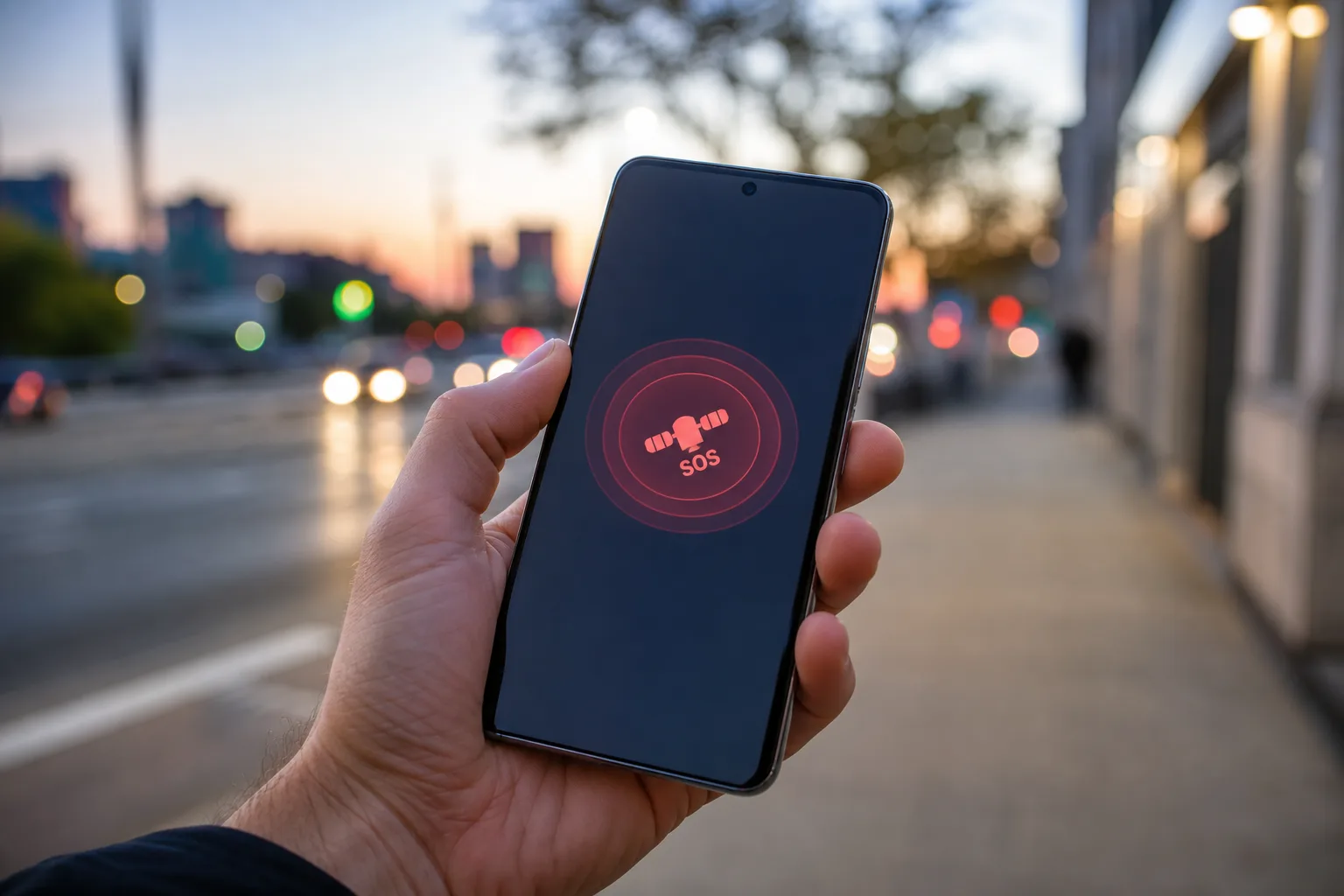
- AT&T iPhone 18 Pro Max customers received emergency-flavored messages urging them to install iOS 27.0.1 immediately.
- Early AT&T iPhone 18 reports say the update has not reliably restored calls, texts, mobile data, or 911 access.
- The apparent failure is limited to the Pro Max model, raising fresh questions about modem integration and carrier network configuration.
- Apple’s public iOS 27.0.1 notes cite Face ID and camera repairs, not a fix for cellular connectivity.
Table of Contents
AT&T iPhone 18 owners are being told to update — but the evidence is thin
An AT&T iPhone 18 Pro Max should not be a device that needs a carrier text warning customers they may be unable to call 911. Yet that is where some buyers appear to be, after reports of iPhone 18 Pro Max units dropping off AT&T entirely and showing the dreaded SOS indicator instead of a usable mobile connection. For AT&T iPhone 18 buyers, that is an alarming failure mode for a new flagship.
AT&T has reportedly sent affected customers an automated message urging an immediate install of iOS 27.0.1. The message says some phones may not complete “calls/text/data, including to 911,” and directs users to Settings, General, and Software Update. The urgency makes sense. For AT&T iPhone 18 customers, what is striking is that AT&T is effectively acknowledging a serious problem with a brand-new flagship phone on one of America’s largest networks.
There is one problem: people who say they have already installed the update are reporting that their service still fails. Posts from affected owners describe a phone that cannot place calls, send messages, or use cellular data, with SOS remaining in the status bar. Not every Pro Max owner is affected, but a connectivity bug does not need to hit every unit before it becomes a serious launch problem. An AT&T iPhone 18 Pro Max that cannot reliably connect is less like a paper cut and more like discovering the front door key only works on Tuesdays.
The update notes do not match the carrier’s claim
The most awkward detail in the AT&T iPhone 18 story is Apple’s own release documentation. iOS 27.0.1 arrived as a quick follow-up update for the iPhone 18 Pro family, and Apple’s published notes point to fixes involving Face ID and camera performance. For the AT&T iPhone 18 Pro family, they do not publicly list a cellular or carrier-network correction.
That does not prove iOS 27.0.1 contains no radio-related changes. Apple regularly ships fixes that are broader than its terse public notes, and carriers can change network-side settings without a major iOS release. But AT&T’s wording leaves little room for ambiguity: it presents the software update as the remedy. When users update and remain stuck in SOS mode, the carrier has a credibility problem as well as a technical one. That leaves AT&T iPhone 18 users with little clarity about whether the promised fix actually works.
There is also a naming wrinkle in the reports. Some accounts of the AT&T message refer to iOS 26.0.1, while the quoted message and Apple’s current update discussion point to iOS 27.0.1. That may be a simple transcription error, but it is exactly the kind of avoidable confusion that makes support situations worse. An AT&T iPhone 18 owner facing a possible emergency-calling failure should not have to decode which version number the carrier actually means.
Apple maintains a public iOS update history, but a changelog is only useful when it tells customers enough to make an informed decision. A one-line note describing Face ID and camera fixes has become standard operating procedure in Cupertino. Frankly, it is not a great fit for a fault that can cut off basic communications.
Why the Pro Max split matters
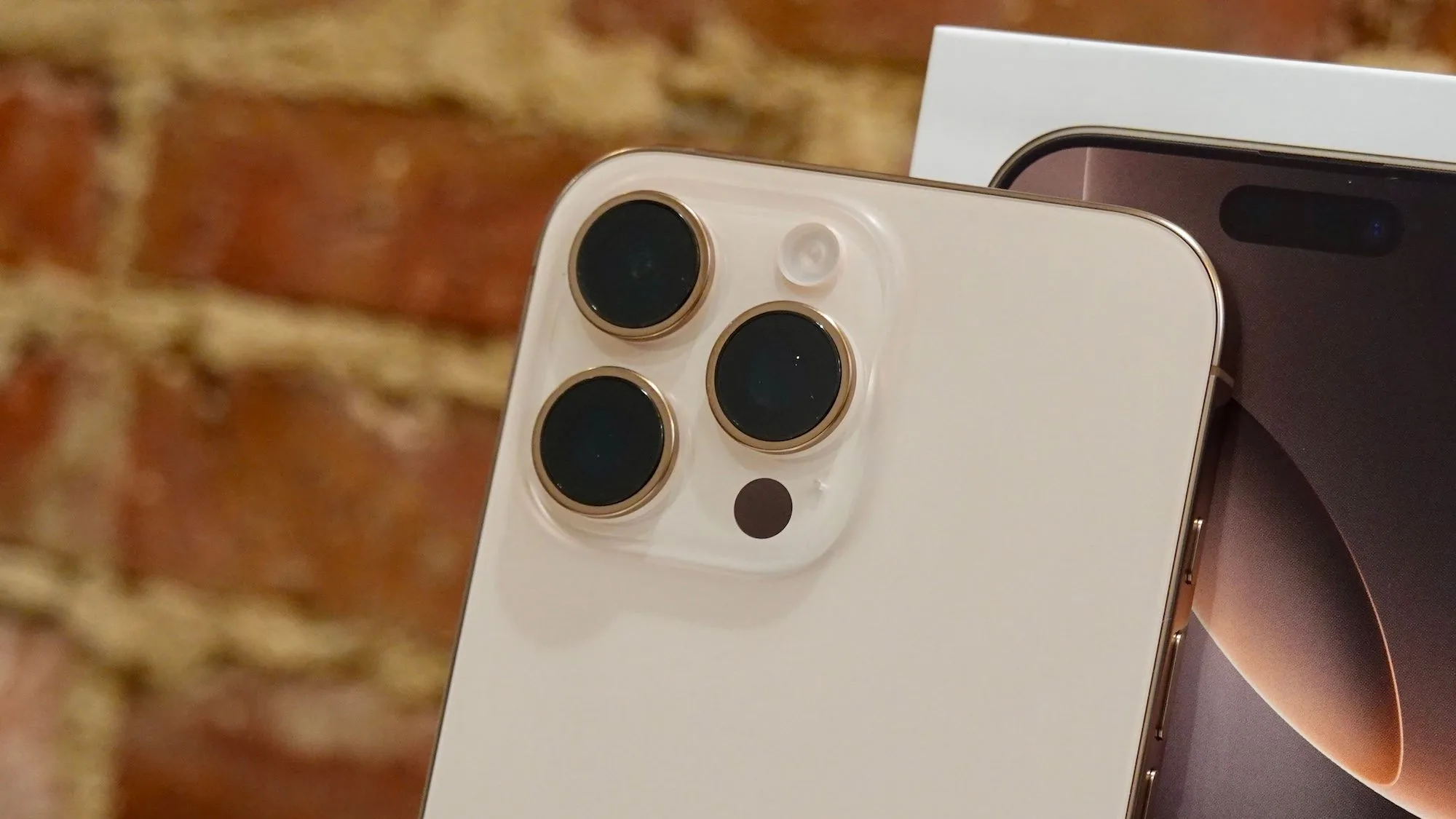
The reported pattern makes this more interesting than a routine early-software glitch. The AT&T iPhone 18 Pro Max complaints appear concentrated on that model, while the smaller iPhone 18 Pro has seemingly avoided the same AT&T network failure. According to the reports, the distinction may come down to modem hardware: the Pro Max uses a Qualcomm modem, while the Pro uses Apple’s C2 modem.
That alone does not put the blame on Qualcomm. In an AT&T iPhone 18, modems do not operate in isolation; they sit at the intersection of Apple hardware, iOS carrier bundles, SIM or eSIM provisioning, AT&T’s radio network, and specific spectrum bands. Any one of those layers can be the bad actor. Still, when two phones in the same product family behave differently on the same carrier, the modem path becomes an obvious place to investigate.
Apple has spent years working to reduce its dependence on Qualcomm, an effort complicated by the sheer difficulty of making cellular silicon work reliably across countries, carriers, and bands. This is not glamorous work. It is the plumbing behind the wall, and you only think about it when the shower goes cold. A clean result for Apple’s C2-based Pro and a messy one for a Qualcomm-based Pro Max would be an especially strange outcome, though we do not yet have enough hard data to call that the story.
My read is that this looks more likely to be an integration or carrier-configuration failure than a simple hardware defect. If it were a broad physical modem failure, we would expect louder reports across more networks and models. But that is an inference, not a diagnosis, and neither Apple nor AT&T has publicly explained the root cause.
What affected customers should do now
For an AT&T iPhone 18 owner seeing SOS, installing the latest available iOS release is still the sensible first move. It is also wise to check for carrier settings updates, restart the device, and confirm that the line is active in AT&T’s account tools. Those steps may resolve an eSIM provisioning hiccup or pull down a corrected carrier profile.
But customers should not accept endless troubleshooting loops when the phone cannot make calls. Contact AT&T and document the failure, including when it began, the iOS version installed, and whether service returns in another location. Apple Support should be involved too, particularly if AT&T confirms the line is provisioned correctly. If 911 calling is unavailable, use another device to reach emergency services rather than repeatedly testing a broken handset.
AT&T needs to say whether iOS 27.0.1 is genuinely expected to fix the issue, whether a carrier settings change is rolling out, or whether a further Apple patch is on the way. Apple, meanwhile, should clarify whether the update includes any cellular work that its release notes omitted. The AT&T iPhone 18 episode is a reminder that a premium phone is only as premium as its ability to connect when it counts — and titanium and benchmark scores mean very little when the handset cannot get a signal.