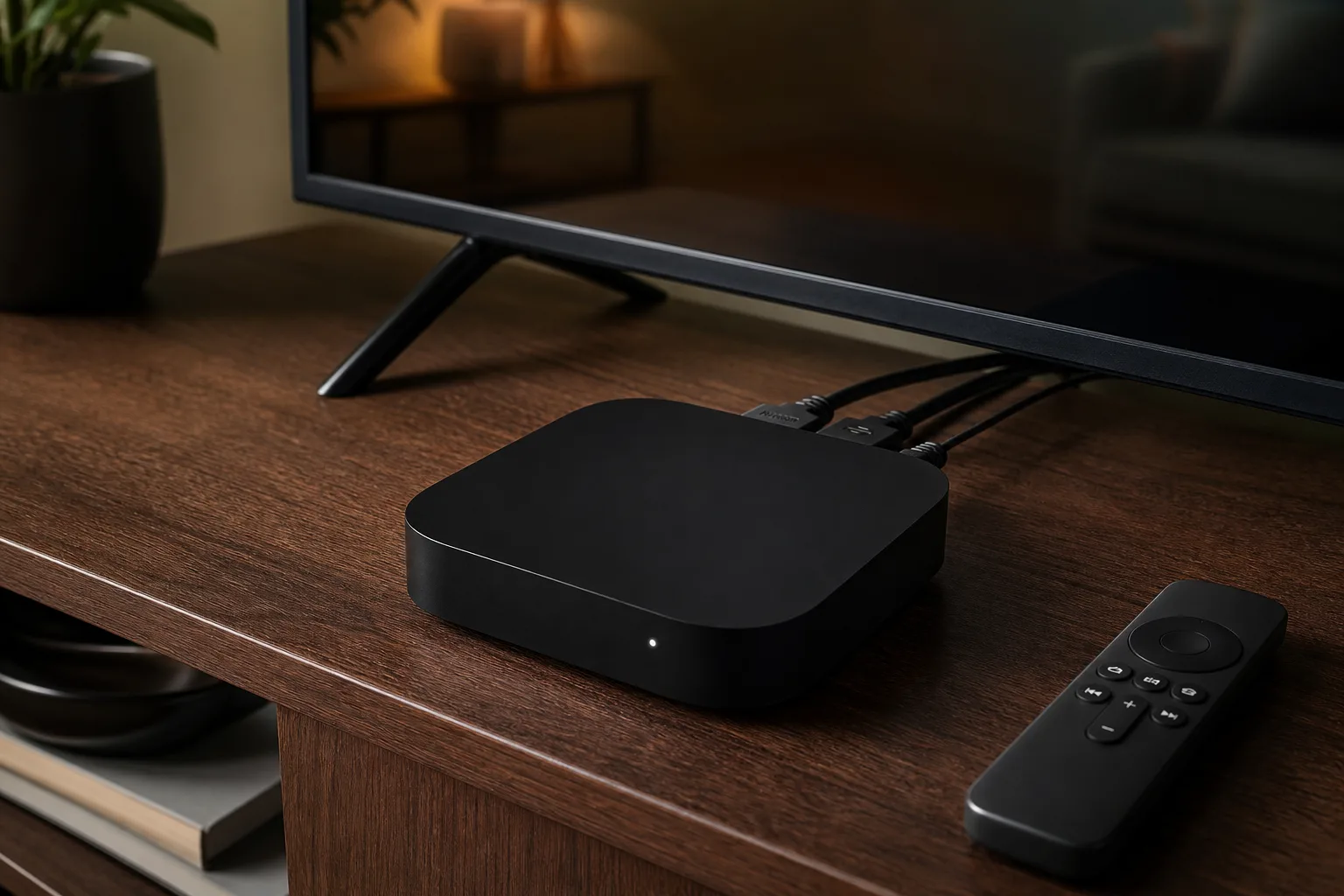
The NVIDIA Shield TV price is reportedly heading upward, and it’s hard not to see the move as a small but revealing sign of where consumer hardware is headed. This is a streaming box built around technology that was already mature when many of today’s flagship phones were still rumors. Yet instead of getting cheaper with age, the Shield TV Pro may now cost more.
That sounds backwards because, frankly, it is backwards by the old rules of gadgets. Electronics were supposed to follow a comforting script: launch high, fall steadily, then quietly disappear from store shelves. But components don’t care about our nostalgia for that script. If memory costs are rising, as recent reporting around the broader RAM market suggests, even a stubbornly long-lived device such as NVIDIA’s streamer can get caught in the squeeze.
- The NVIDIA Shield TV price appears to be rising, an awkward development for a streaming box whose hardware dates back years.
- A higher NVIDIA Shield TV price may reflect mounting memory costs rather than any meaningful upgrade to NVIDIA’s aging media player.
- Shield TV Pro buyers still get unusually capable software support, gaming features, and AI upscaling compared with cheaper streamers.
- The increase exposes how little competition remains for premium Android TV boxes with serious local media and gaming credentials.
Table of Contents
NVIDIA Shield TV price pressure reaches a veteran streamer
The immediate story is simple: listings indicate a notable increase for the NVIDIA Shield TV Pro, the higher-end model in NVIDIA’s unusually durable living-room lineup. NVIDIA has not announced a replacement model alongside the change, which makes the higher asking price especially conspicuous. In other words, buyers are being asked to pay more for the same familiar box.
The NVIDIA Shield TV price increase is particularly hard to ignore because there is no accompanying hardware refresh to explain it.
That box remains relevant for good reasons. The Shield TV Pro is one of the few mainstream streaming devices that can still appeal to people with a messy, very real media setup: local files, Plex libraries, USB storage, Bluetooth accessories, Ethernet, and an aversion to relying entirely on whatever a television maker decided to install. It also supports NVIDIA’s GeForce NOW cloud-gaming service and has long been known for its AI-assisted upscaling.
But capability and value are not identical. The NVIDIA Shield TV price used to be easier to defend because the product occupied a strange premium niche with few direct rivals. At a substantially higher level, shoppers will reasonably ask a more uncomfortable question: why am I paying current-gen money for a box based on an older Tegra platform?
NVIDIA reportedly still presents the device around its established strengths. Those are useful features. They just aren’t new features.
Why memory pricing can affect an old product
The likely explanation is less glamorous than a secret hardware refresh. Memory is a commodity component, and commodity markets can turn ugly fast. Manufacturers building laptops, phones, data-center servers, graphics cards, and consumer electronics all compete for supplies of DRAM and NAND flash. When demand shifts or suppliers tighten production, the cost impact travels far beyond the products making headlines.
AI infrastructure is part of that backdrop. The industry’s biggest buyers are pouring money into servers packed with high-bandwidth memory and conventional DRAM, while memory suppliers are prioritizing the parts and contracts that generate the best returns. A compact media box does not need server-class memory, obviously, but it buys from an ecosystem shaped by those larger decisions.
This is the sort of supply-chain story consumers rarely see until a price tag changes. Nobody notices a few dollars added to a bill of materials during a stable market. But when a product has thin margins, limited production volume, and no annual redesign to absorb costs elsewhere, those dollars can force a choice: accept lower margins, cut features, or raise the retail price.
My read is that the Shield is particularly exposed because it is not a mass-market stick sold at scale. Amazon can use Fire TV hardware to keep customers inside its retail and advertising machine. Google has broader services to sell. Roku has an advertising business. NVIDIA, meanwhile, is selling a premium appliance to a relatively selective audience. The NVIDIA Shield TV price has to carry more of the product’s economics on its own.
The premium streamer category has changed around NVIDIA
There was a time when paying extra for the Shield TV felt like buying the Swiss Army knife of streaming boxes. It could run Android apps, handle demanding local playback, connect peripherals, and dabble in gaming. It was the answer for the person who bought a cheap streamer, ran into three annoying limitations, and decided they were done compromising.
That audience still exists. Anyone running Plex with high-bitrate files, for example, may care far more about practical codec support and wired networking than about the latest home-screen makeover.
Still, alternatives have improved. Apple TV 4K is fast, polished, and well-supported, even if its approach to local media is more restrictive. Google TV Streamer offers a more current Google-first experience at a far lower price point, though it is not trying to replace the Shield’s enthusiast credentials. Amazon’s Fire TV devices are cheap and widely available, but their increasingly ad-heavy interface won’t be everybody’s idea of a relaxing evening.
The NVIDIA Shield TV price now sits in an awkward middle ground. It is too high for the casual buyer who simply wants Netflix and YouTube. Yet its aging hardware means it cannot trade on raw specifications against newer boxes. What it sells is confidence: confidence that a complicated home-theater setup will work, that a local library will not become an afterthought, and that Android TV will remain reasonably usable.
What buyers should do now
If you already own a Shield TV Pro and it does what you need, there is little reason to panic-buy another one. The hardware has held up remarkably well, and the device’s core appeal is not suddenly gone because a retailer adjusts a tag. Keep it, update it, and enjoy the fact that you own one of the few gadgets that has survived multiple industry cycles without turning into e-waste.
If you are shopping now, the smarter move is to identify the feature you actually need. For mainstream streaming, the NVIDIA Shield TV price is difficult to rationalize when cheaper Apple, Google, Roku, and Amazon options cover the basics. For a Plex-heavy setup, USB storage, Ethernet stability, Android flexibility, or GeForce NOW access, the calculation is more defensible. Not cheap, perhaps, but defensible.
For those buyers, the NVIDIA Shield TV price is really a question of whether its enthusiast features remain worth paying for over a newer, cheaper streamer.
The bigger issue is what comes next. NVIDIA has allowed the Shield line to age gracefully, but graceful aging eventually becomes plain old aging. A price increase without a hardware update can preserve a product’s place on a shelf for a while. It cannot answer the question enthusiasts have been asking for years: when does NVIDIA decide the living room deserves a new Tegra-powered box?