

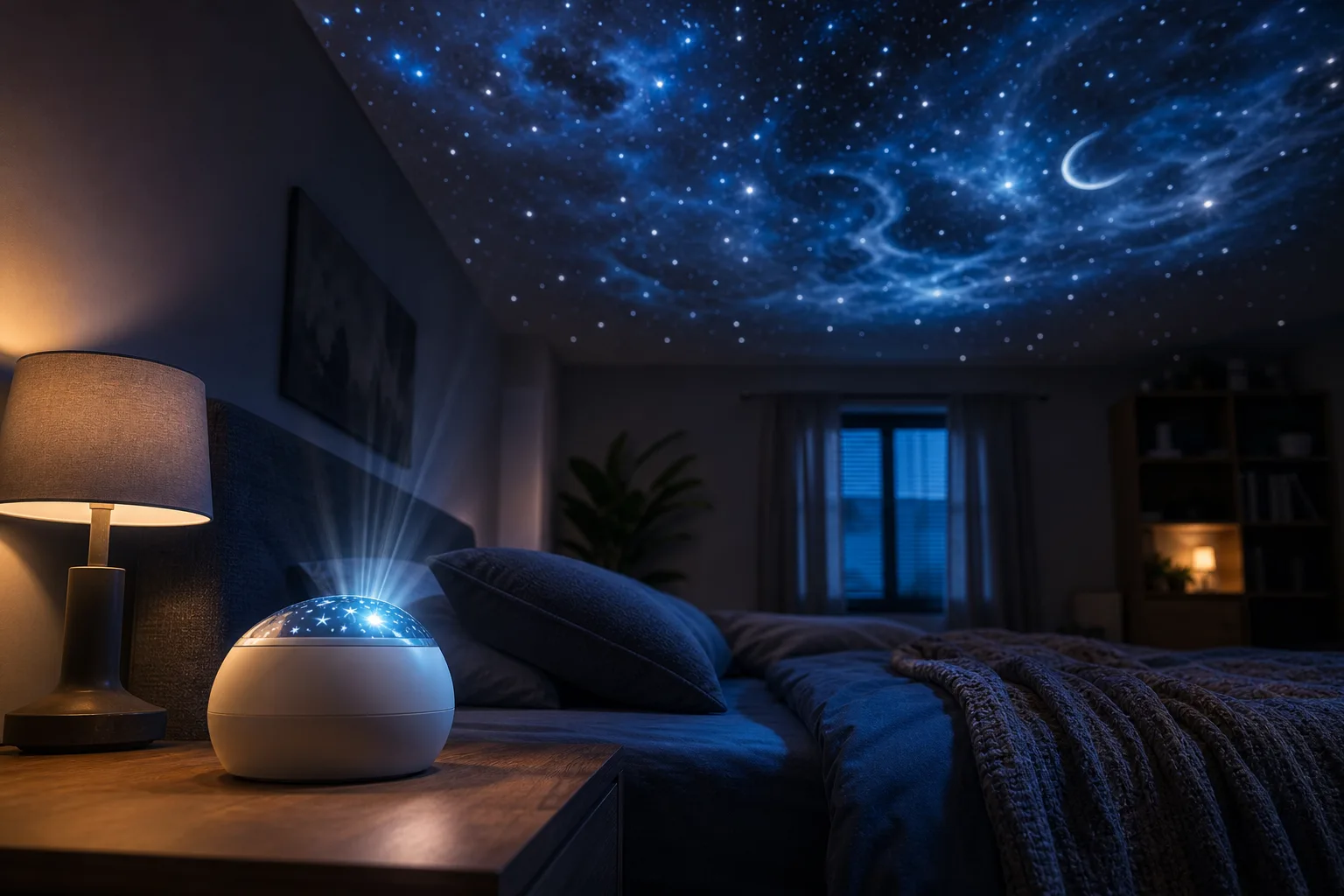
- The Pococo star projector has fallen to $79.99, a $40 reduction from its $120 launch price and one of its lowest prices.
- Unlike cheap laser lamps, the Pococo star projector uses interchangeable optical discs to project detailed stars, planets and nebulae.
- A USB-C rechargeable battery makes the unit easier to move between a bedroom, study, or living room than plug-in rivals.
- Expansion disc packs add variety, but their regular $53.99 price means buyers should factor accessories into the real long-term cost.
Table of Contents
A home planetarium that avoids the usual gimmicks
The Pococo star projector is currently selling for $79.99 on Amazon, down $40 from its $120 launch price. For a gadget category crowded with bargain-bin RGB lights and laser dots, that figure matters because Pococo is trying to do something more convincing: put actual astronomical imagery on the ceiling without charging serious-observatory money.
My read is that this is a genuinely sensible deal for anyone who wants a home planetarium rather than another piece of dorm-room mood lighting. The unit has spent much of its life around $99, so $79.99 is not a fictional discount built around an inflated list price. It is close to the lowest price the projector has reached in major sale periods.
This is not an educational instrument in the strict sense. You will not be planning telescope sessions from it or tracking a comet’s path across the sky. What it does offer is a calmer, more tactile version of space media: physical discs, projected light, and a ceiling that looks a lot less like a nightclub than the output from most low-cost competitors.
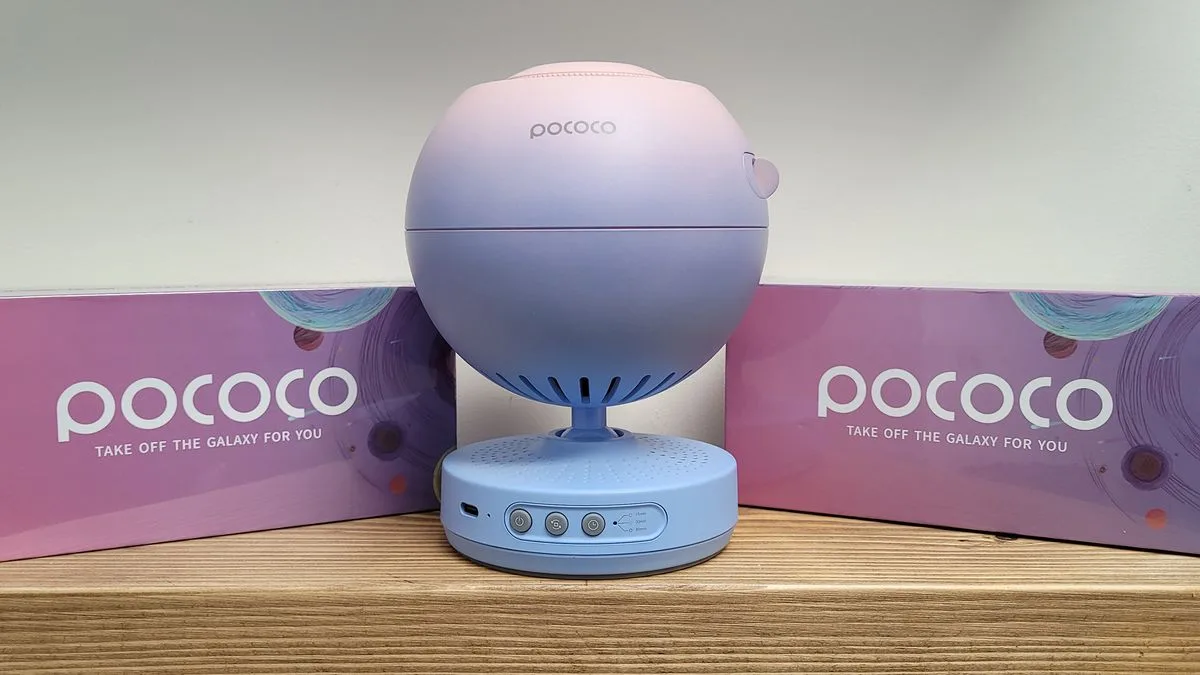
The device measures 6.2 by 4.7 by 4.7 inches, weighs 1.7 pounds, and can cast an image across a claimed 39-by-39-foot area in the right dark room. In a typical bedroom, that means it has plenty of reach. Bigger is not automatically better, though; projection quality falls apart quickly when a projector is asked to cover an enormous, brightly lit space.
Why the Pococo star projector looks more expensive than it is
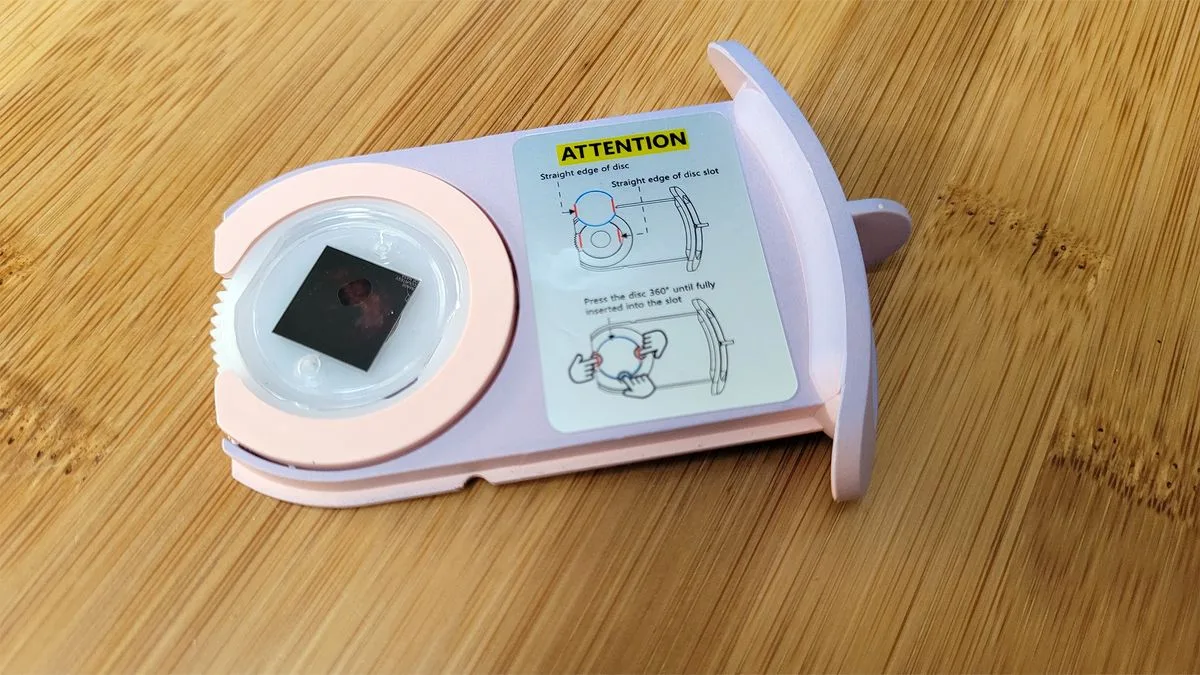
The key difference is optical discs. Rather than spraying a generic field of green pinpoints around the room, the Pococo star projector shines through interchangeable image discs containing star fields, planets, nebulae, and Moon-themed scenes. Two discs come in the box, and the result should look sharper and more structured than the cheap laser projectors that have become an Amazon staple.
That approach puts Pococo in the same broad family as the respected Homestar line. The Homestar Flux, often treated as the premium pick in this category, costs roughly $259 on Amazon. It remains the safer choice for somebody who wants the highest-end consumer planetarium experience, but the price gap is enormous. Frankly, a $180 difference buys a lot of real-world stargazing gear: a tripod, a good pair of binoculars, or several months of streaming subscriptions.
Pococo has earned a strong following for that middle-ground proposition. Amazon listings show nearly 3,000 reviews, with 62% awarded five stars. Ratings are never a substitute for hands-on testing, especially on marketplaces awash in oddly branded gadgets, but the underlying design makes sense. Optical projection is a known quantity. It is also far more forgiving than apps that promise an immersive galaxy and deliver fuzzy blobs on a wall.
There is a practical appeal here, too. The controls are limited to power, rotation, and a sleep timer. That sounds almost comically basic in an era when even light bulbs want a companion app, but it is probably right. Nobody needs to negotiate Bluetooth permissions at midnight because they want their kid to fall asleep under a projected nebula.
The rechargeable battery is the real convenience feature
The Pococo star projector includes a rechargeable battery and charges over USB-C. That is arguably its most useful advantage over a permanently tethered home planetarium. Put it on a bedside table one night, take it to the living room for a movie, then move it to a child’s room without planning furniture around the nearest outlet. It is a small quality-of-life detail, but these are the details that decide whether a gadget stays in use after the first week.
Pococo also says the chassis incorporates recycled plastics, which is a welcome decision in a product segment that often feels disposable. The environmental claim should not be overstated: buying fewer gadgets still beats buying slightly greener gadgets. But if you are choosing between two similar projectors, recycled material is a fair point in Pococo’s favor.
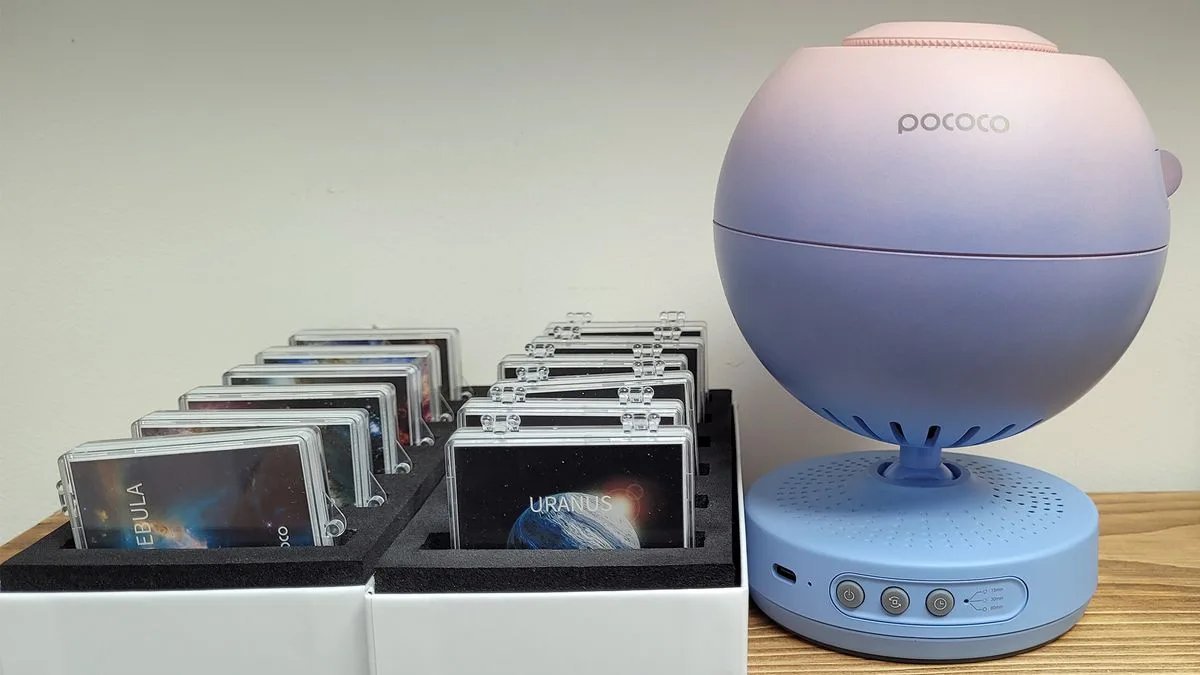
The real catch is the accessory economy. Additional six-disc expansion packs are usually $53.99, though they have also been discounted to about $43.19. Available packs cover fixed stars and nebulae, the Moon and stars, and planets. That is a decent library, but it also means a Pococo star projector can become substantially more expensive if you decide the two included discs are not enough.
Think of it a bit like a camera with a good kit lens. It works straight away, and it may be all you need. But the moment you start collecting extras, the original bargain changes shape. Buyers who want a single ambient light should probably stop at the base unit. Space enthusiasts who want rotation through different sky scenes should budget for at least one expansion set.
Who should buy it, and who should pass
At $79.99, the Pococo star projector makes the strongest case for parents, apartment dwellers, and anyone who wants a low-friction way to make a room feel less sterile. It is also a credible gift because it does not require a subscription, a Wi-Fi password, or a lengthy setup ritual. Charge it, choose a disc, point it upward.
It is less compelling for shoppers chasing maximum realism at any price. The Homestar Flux still sits above it in the premium tier, and a real telescope will always offer the particular thrill of seeing a celestial object as it exists rather than as a projection. Those are different experiences, of course. One requires clear skies, patience, and usually a willingness to learn why everything looks upside down. For a useful primer on what is actually out there, NASA’s Solar System Exploration is a better resource than any projector disc.
There is also an honest question about how long the novelty lasts. A Pococo star projector works best when it has a job: winding down before sleep, creating a reading nook, helping children recognize broad celestial themes, or setting a room’s atmosphere without bathing it in blue LED glare. If it is bought merely as a social-media backdrop, it may join the abandoned ring lights and mini massage guns in the drawer.
Still, this category has quietly improved. The gap between a toy projector and a passable home planetarium is now wide enough to matter, and Pococo lands on the useful side of that line. If the $79.99 price holds through the holiday sales rush, this is the kind of modest hardware purchase that can keep earning its place long after the unboxing videos have moved on.