

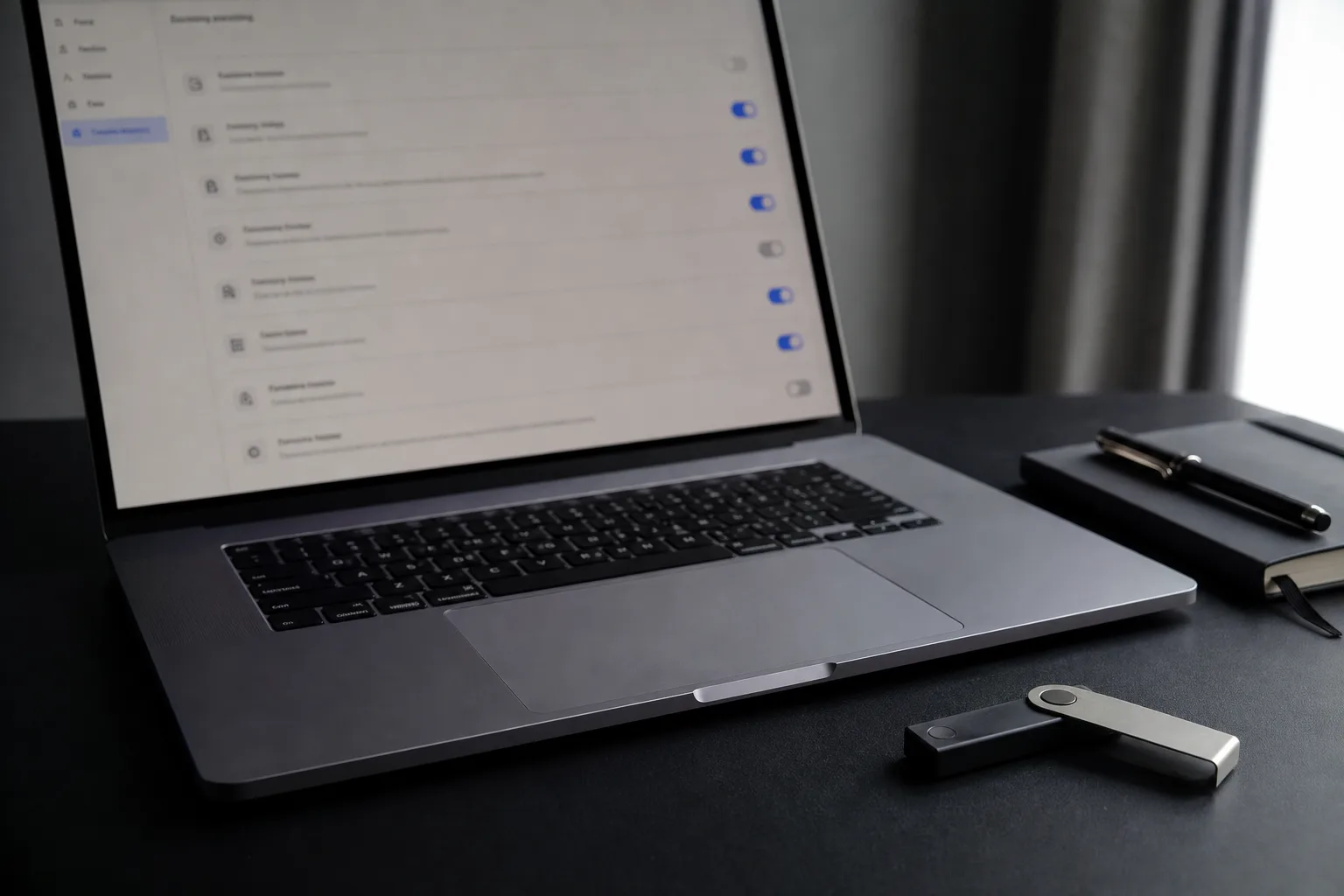
- The browser extension sale offers a Bitcoin price tracker with 50,000 Chrome users for an asking price of $55,650.
- A browser extension sale can hand a new owner update control over software users installed under someone else’s name and privacy policy.
- Socket has documented attackers buying legitimate extensions, then pushing updates that target wallets, seed phrases, and browser sessions.
- Crypto users should regularly audit installed extensions because an app’s familiar branding may reveal little about its current operator.
Table of Contents
A $55,650 price tag for a ready-made audience
The troubling part of this browser extension sale isn’t the asking price. The real issue is that the product already sits on roughly 50,000 computers through Google’s Chrome Web Store. Someone installed it to glance at BTC/USD prices from Binance in a browser toolbar. They probably didn’t install it expecting its future update channel to become an asset on somebody else’s balance sheet.
Bitcoin Price Tracker, listed under the provider name Extpose, is being advertised for $55,650. The offer reportedly includes the published extension, source code, and two weeks of transition help. The seller calls it pre-revenue and pitches the audience as a starting point for financial information products or partner offers.
That framing is conventional enough in the small software-acquisition world. People buy newsletter lists, abandoned SaaS tools, domains, and mobile apps all the time. But browser extensions are different. They sit inside the most intimate piece of software many people use all day: the browser. An extension can be a handy kitchen timer, or it can be a spare key taped under the doormat.
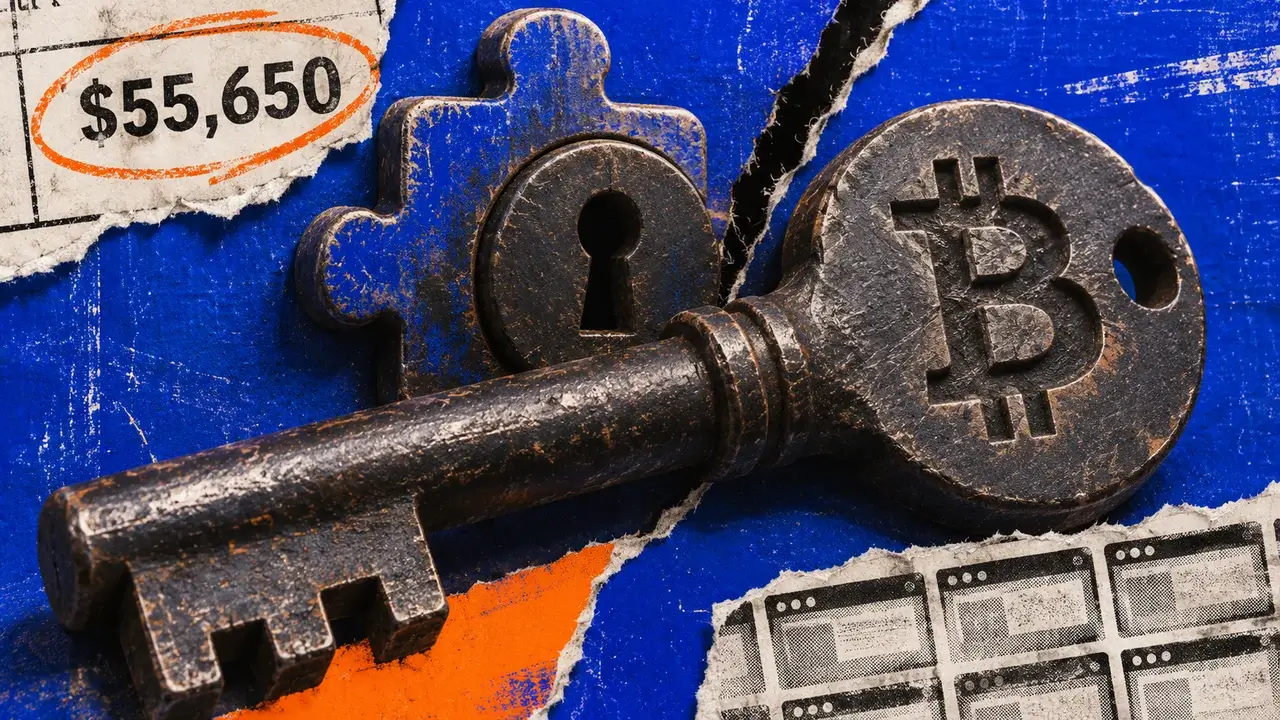
There is no evidence that this particular Bitcoin Price Tracker is malicious, nor is there evidence that the advertised transaction has closed. That distinction matters. It would be irresponsible to turn a legitimate marketplace listing into an accusation. Still, the browser extension sale highlights a security problem that the industry has allowed to remain oddly mundane: users trust an extension at the moment of installation, while the person controlling future updates may change later. For users, a browser extension sale is not merely a change in ownership; it can also change who holds the update keys.
Why a browser extension sale can change the threat model overnight
Browser stores are built around a reasonable assumption: updates are usually good. They fix bugs, patch vulnerabilities, and add features. Clicking through an extension update feels about as consequential as accepting a new version of a weather app. That muscle memory is precisely what makes an ownership transfer consequential.
A buyer who gains control of a publisher account can, in theory, ship future releases to an established audience. The path is far more attractive than persuading tens of thousands of people to install a brand-new extension with no history, no reviews, and no recognizable name. Trust is hard to build from scratch; buying a functioning distribution channel is faster.
Microsoft’s own documentation on Edge extension transfers makes the awkward gap explicit. Once a transfer is approved, the new publisher receives full control of the listing and updates. Yet the public-facing developer name, description, screenshots, website, and privacy-policy URL may continue showing the prior information until the new owner submits an update. Microsoft says the process typically takes around three weeks, depending on responses.
The shop door can still show the previous tenant while someone else has the keys. That is not a theoretical concern for people using browser tools around money, passwords, trading platforms, or wallets.
Google’s policies prohibit malware and phishing, and its enterprise publishing guidance directs developers seeking a transfer toward Chrome Web Store support. The company also says data collected by an extension must be used for its disclosed purpose, with an asset-sale exception requiring explicit prior consent. Those are sensible rules. But policies tend to matter after somebody spots abuse, reports it, and the platform investigates. By then, one bad update can do a great deal of damage.
Security researchers have seen this movie before
The reason this browser extension sale deserves scrutiny is that attackers have already used the same broad playbook. In an August investigation, security firm Socket said it identified 19 malicious extensions, including five that were acquired from legitimate developers. Those products initially worked as advertised, Socket said, before later updates added harmful behavior.
Socket’s reporting on its ongoing Superior campaign is particularly nasty. The firm described an acquired right-click utility that could hijack wallet connections and swaps, show fake Ledger and Trezor recovery screens to collect seed phrases, and harvest sessions or account data. It also found a framework capable of downloading replaceable JavaScript, weakening browser protections, and injecting code into sites people visited.

Socket estimated that the largest acquired utility had a potential reach of about 70,000 Chrome users and 10,000 Edge users. Its campaign tracker has continued to label Superior as ongoing, with recent activity recorded in November. Separately, security company Annex reported that image-search extension QuickLens appeared to get a new owner before a malicious release arrived 16 days later. The extension still retained its original useful feature, which is an uncomfortable but important detail. A tool can remain handy while doing something rotten in the background.
This is why “it still works” is a poor security test. Frankly, it may be the point. Attackers don’t always want to break a popular extension; they want it to keep doing its ordinary job while quietly collecting credentials or steering a wallet transaction somewhere it shouldn’t go.
What crypto users should do now
No one needs a moral panic over every price ticker. But anyone holding cryptocurrency should take a harder line than they might with a coupon finder or dark-mode add-on. The browser extension sale of a crypto-facing tool is a reminder that convenience software deserves an expiration date in your head. Reassess it periodically.
- Remove extensions you no longer actively use. An unused extension has no upside and still expands your attack surface.
- Check each remaining extension’s permissions, particularly access to all websites, clipboard data, downloads, and page content.
- Keep wallet seed phrases out of browser pages entirely. A legitimate wallet or hardware-wallet vendor will not need you to enter a recovery phrase into a random extension prompt.
- Use dedicated browser profiles for financial activity and keep that profile nearly extension-free.
- Watch for permission changes after updates. A new request to read and alter site data should prompt a real question: why does a price tracker need that?
The broader problem is disclosure. A browser extension sale should not leave users guessing who has update control, particularly when the extension handles data or operates in high-risk categories such as cryptocurrency. That makes a browser extension sale more than a routine marketplace transaction. Stores could make ownership changes visible, timestamped, and impossible to miss before the next update reaches existing installations. They could also apply heightened review to transferred extensions requesting broad permissions.
Will Google and Microsoft do that before the next acquisition becomes a compromise? I wouldn’t bet a hardware wallet on it. For now, users have to supply the skepticism that browser-store design still doesn’t demand.