

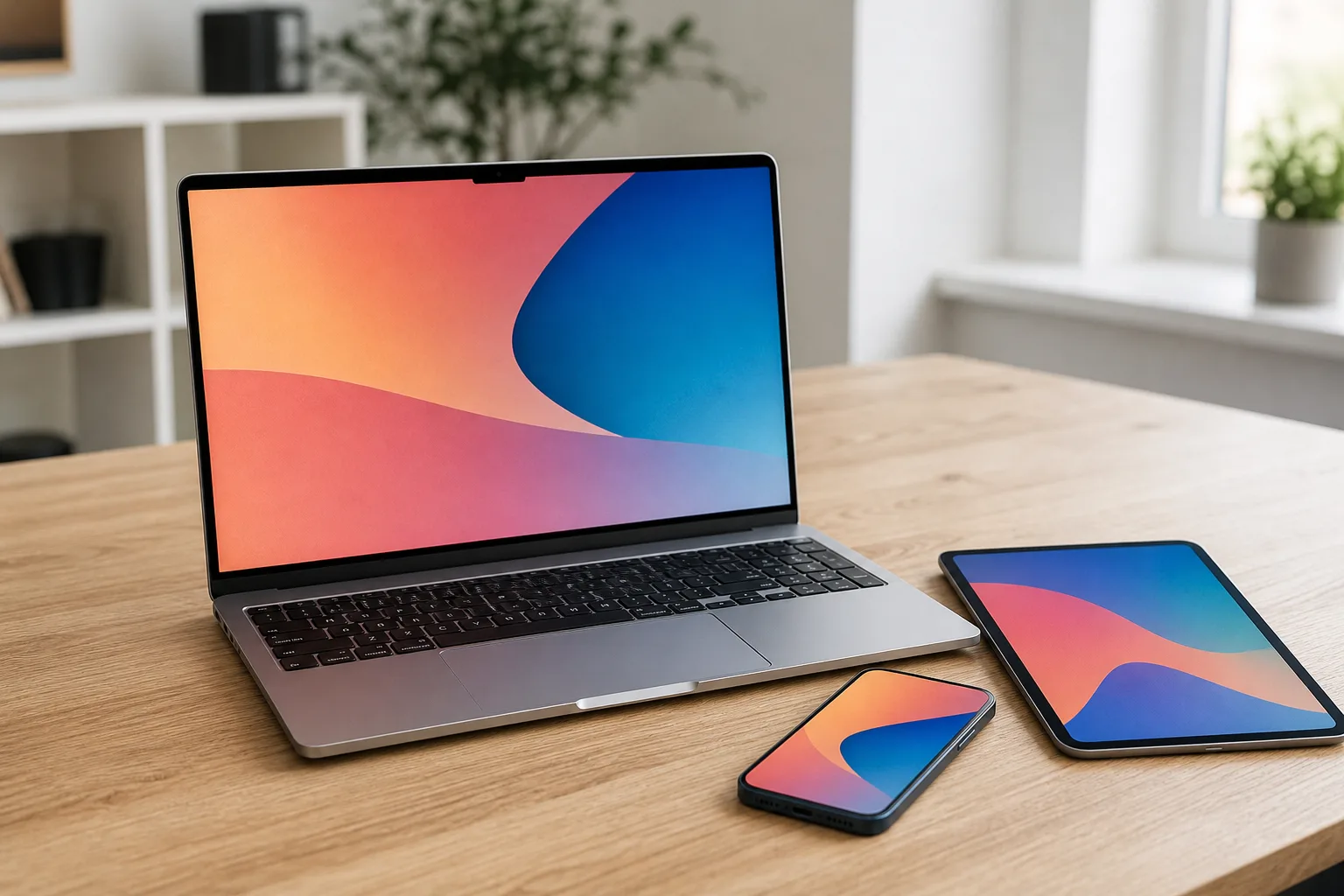
- Apple 2027 releases may begin in February or March with the iPhone 18 line, entry iPad, MacBook Neo and MacBook Air.
- A second Apple 2027 releases wave could bring the iPhone Air 2 and redesigned iPad Air models later in spring.
- Apple’s reported schedule separates mainstream upgrades from more ambitious products, potentially giving each launch room to breathe.
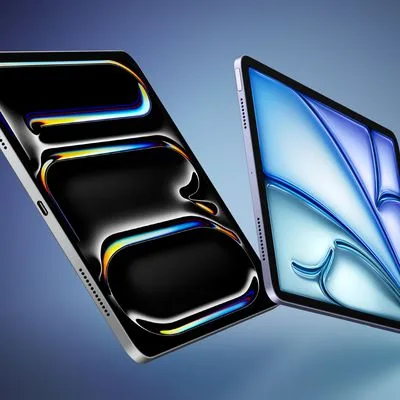
- The rumored iPad Pro cooling system suggests Apple is still pushing its tablet toward heavier professional workloads.
Table of Contents
Apple 2027 releases could split spring into two acts
Apple may be lining up a crowded spring. The reported Apple 2027 releases slate includes entry-level iPhones, iPads and MacBooks in an initial February or March wave, followed by more premium hardware a little later. That would mark a notable change from the company’s recent habit of treating spring as a fairly modest refresh window.
According to MacRumors, citing Bloomberg’s Mark Gurman, Apple is expected to introduce the iPhone 18e, standard iPhone 18, a refreshed base iPad, MacBook Neo and M6-powered MacBook Air around February or March 2027. The iPhone Air 2, iPad Air and iPad Pro would reportedly follow in a second launch event or announcement cycle later that spring.
If that timetable holds, Apple would be signaling a more deliberate approach to its product calendar. Affordable and mainstream devices would get their own moment, while products with bigger design or component changes could take the spotlight later. That is a sensible way to keep five different stories from fighting for the same headline.

The mainstream upgrades are doing the practical work
The first batch of Apple 2027 releases brings meaningful silicon upgrades. Both the iPhone 18e and iPhone 18 are rumored to use Apple’s A20 chip with 9GB of memory and longer battery life. On paper, that looks like a familiar annual bump. But memory matters more now than it did during the old camera-and-screen-spec arms race, because Apple’s on-device AI ambitions place real pressure on a phone’s local hardware.
Apple has already positioned Apple Intelligence as a feature set that depends heavily on newer chips, as its official Apple Intelligence overview makes clear. Extending capable AI features further down the iPhone line is therefore less about flashy demos and more about avoiding an awkward divide in which lower-cost buyers are shut out of the company’s headline software strategy.
The base iPad could be the quiet winner among the first Apple 2027 releases. Gurman’s reported specifications point to an A19 chip, Apple Intelligence support, Wi-Fi 7 via Apple’s N1 wireless chip and the company’s C1X cellular modem in cellular configurations. That is an unusually modern networking package for Apple’s least expensive tablet. For students, families and organizations buying fleets of tablets, it could make the entry iPad less of a compromise device.
Frankly, it needs to be. Android tablets have struggled to match the iPad’s app ecosystem, but Apple has often relied on that advantage while letting its lowest-end hardware age gracefully for a little too long. Bringing modern connectivity and AI compatibility to the starting point of the range would make the upgrade case much cleaner.
MacBook Neo may explain the new cadence
The most intriguing item among the first Apple 2027 releases is the MacBook Neo. It is rumored to move to an A19 Pro chip and 12GB of memory, with new colors also possible. The naming suggests Apple may be carving out a distinct laptop category below the MacBook Air rather than simply treating it as an old Air in a new box.
A clearly positioned Neo could give Apple an answer to low-cost Windows laptops and Chromebooks without dragging the MacBook Air downmarket. Apple’s laptop lineup has steadily become more capable, but also more expensive. The A19 Pro detail is unusual, though: Apple would be using a phone-family chip in a notebook. That raises questions about app compatibility, performance ceilings and how Apple would distinguish Neo from Air beyond price.
The M6 MacBook Air, meanwhile, sounds like the predictable half of this equation. That is not an insult. The Air is Apple’s volume laptop, and a straightforward chip refresh is usually exactly what its audience wants. The bigger test is whether the MacBook Neo becomes a genuine new entry point or merely creates another layer of naming confusion. Apple has done both before.
The second wave contains the bolder bets
The later Apple 2027 releases reportedly include an iPhone Air 2 with an A20 Pro processor, a new Ultra Wide camera, a smaller Dynamic Island, improved battery life and Apple’s C2 modem. In the US, that modem is said to add mmWave support and deliver meaningfully faster upload performance than the current C1X modem.
Apple’s modem project has been years in the making, and it remains strategically important even if most buyers never learn the component name. Building more of the cellular stack internally reduces Apple’s dependence on Qualcomm and gives it greater control over battery efficiency and radio integration. Still, modem work is notoriously unforgiving. Faster uploads would be welcome, but network performance depends on carriers, spectrum and geography as much as the chip inside the phone.
The iPad Air may be the more consequential redesign. The reported model pairs an M5 chip with an OLED display, a thinner and lighter body, and potentially an Acoustic Display system similar to the one that debuted on iPad mini. OLED would finally create a clearer visual step up from the base iPad, while preserving room above it for the Pro line.
Then there is the iPad Pro, which could arrive with an M6 or M7 chip and vapor-chamber cooling. Apple has spent years advertising iPad Pro performance that can rival laptops, yet sustained intensive workloads remain the point where thin tablets run into physics. Better cooling would not magically turn iPadOS into macOS, and that software question remains the bigger one. But it would signal that Apple sees serious creative and professional use as more than a marketing slide.
A busier spring would be a deliberate statement
These rumored Apple 2027 releases follow a clear split. The first wave serves buyers who want dependable, accessible hardware. The later wave carries the sharper design changes, OLED screens, modem advances and higher-end performance claims. Apple could refresh a wide swath of its catalog without asking one launch event to explain five different stories at once.
Of course, these remain pre-release reports, not Apple announcements, and product schedules can move. But if the reported Apple 2027 releases plan survives intact, spring 2027 may be less about one spectacular device than a broad reset of Apple’s everyday hardware. The question is whether that breadth gives buyers more useful choices—or simply one more reason to wait for the next event.