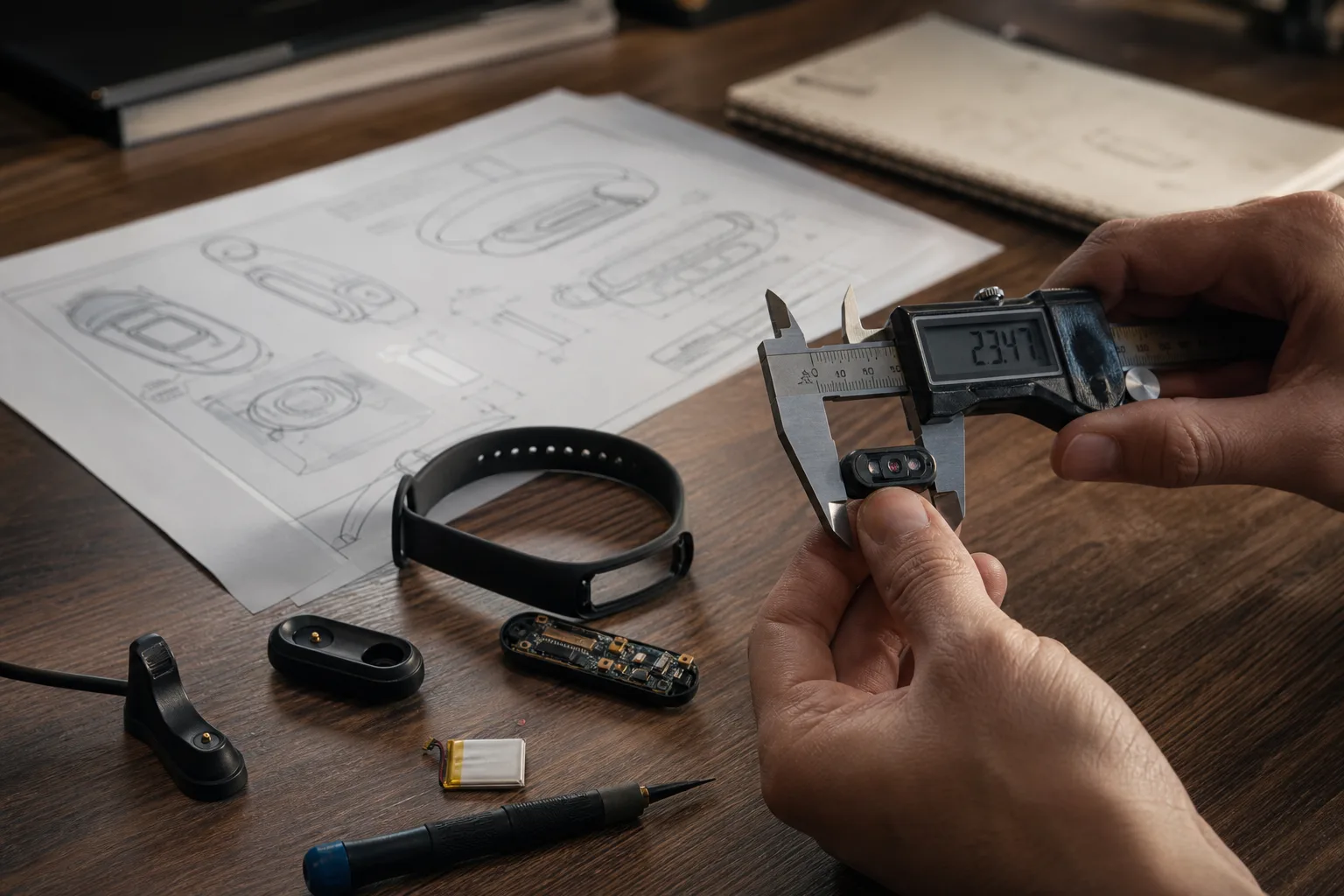
- Google has released Fitbit Air blueprints publicly, giving independent makers full CAD specs to design custom bands and accessories.
- The Fitbit Air blueprints include mating dimensions, tolerances, and sensor pressure specs for building high-quality third-party bands.
- The move opens hardware previously reserved for commercial accessory makers to artisan designers and hobbyists worldwide.
- Google also published skin-safety material guidelines, chemical limits, and testing requirements for any accessory built using the specs.
Table of Contents
Google Releases Fitbit Air Blueprints to the Public
Just one month after the Fitbit Air launched, Google has done something that feels increasingly rare in consumer hardware: it’s handed the keys to the community. The company has officially published the Fitbit Air blueprints — full 2D CAD drawings, hardware specifications, and accessory design guidelines — and made them freely available to anyone who wants to build their own bands or enclosures. Not just big accessory companies. Anyone.
The announcement is a direct nod to what’s already been happening organically. Google acknowledged that the community has “already come up with innovative and creative new ideas to make the Fitbit Air their own” since the device launched last month. Some users had already engineered their own bicep band solutions — improvised workarounds that clearly caught Google’s attention. Rather than shutting that down or simply ignoring it, Google decided to give those makers the proper tools to do it right.
That’s a meaningful distinction. Most hardware companies keep detailed specs locked behind NDAs and commercial licensing agreements. If you’re a scrappy independent designer or a maker who sells on Etsy, you’re usually working blind — guessing dimensions, eyeballing tolerances, hoping your prototype fits. Google just eliminated that guesswork entirely.
What the Fitbit Air Blueprints Actually Include
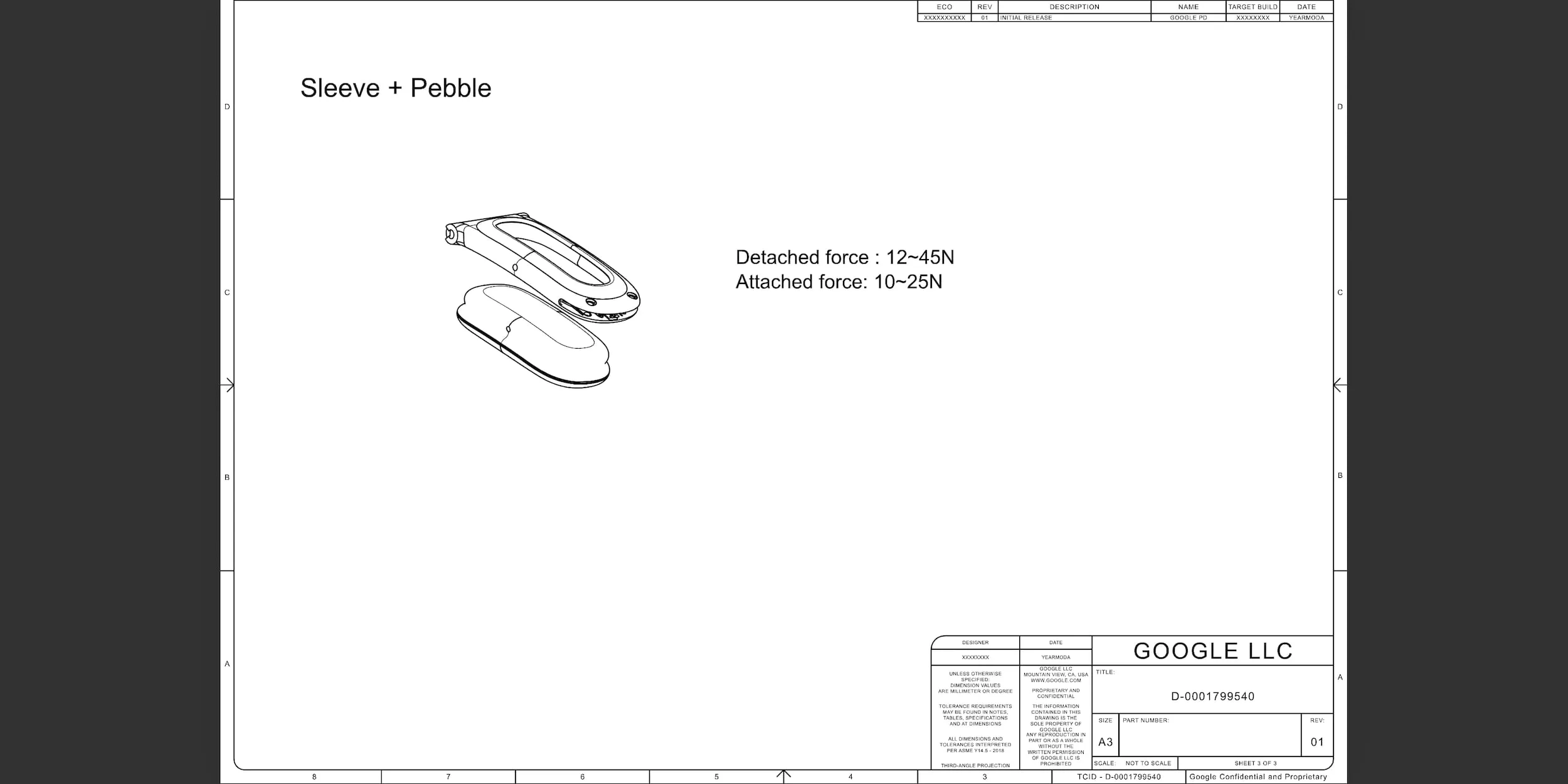
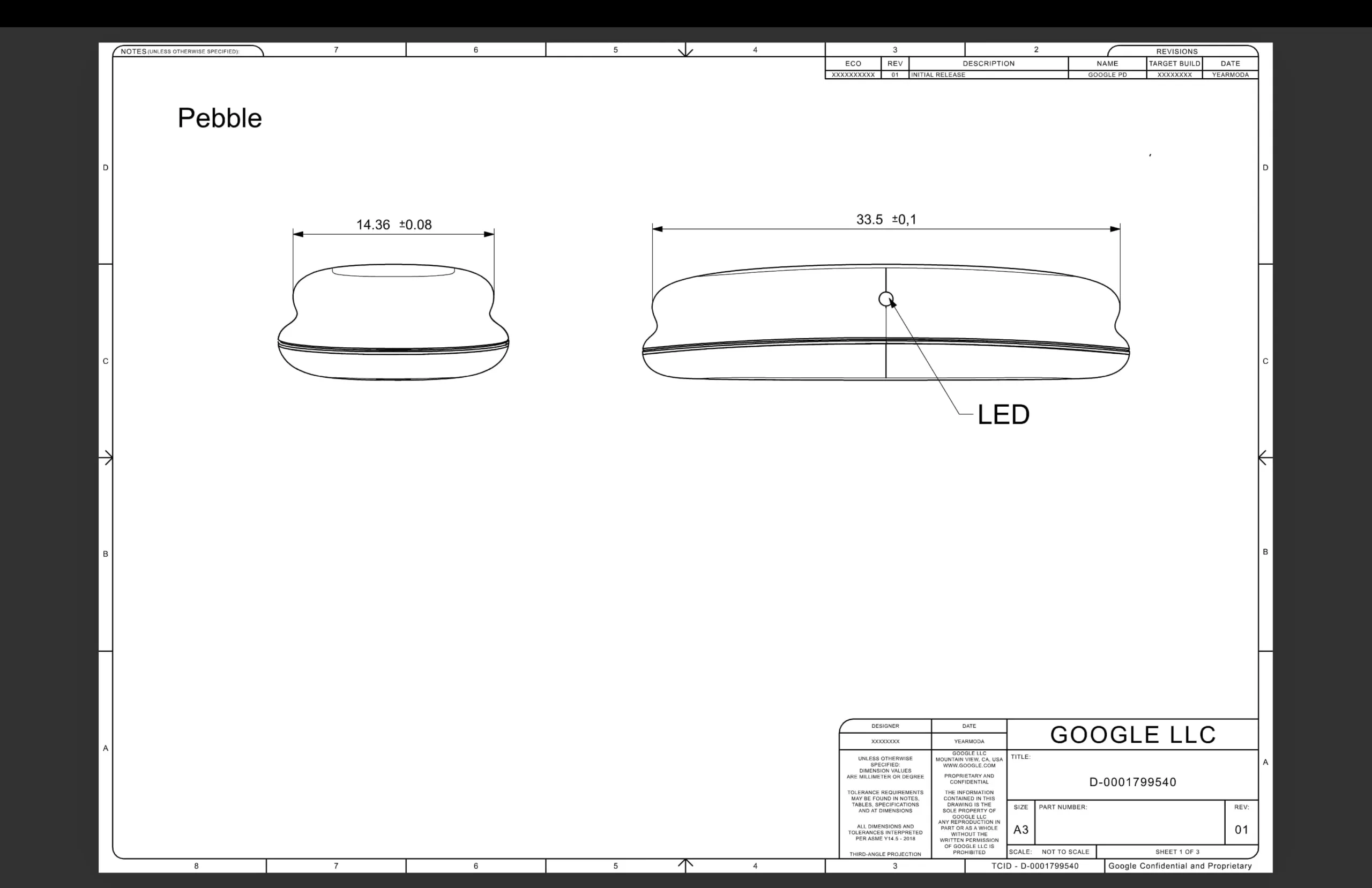
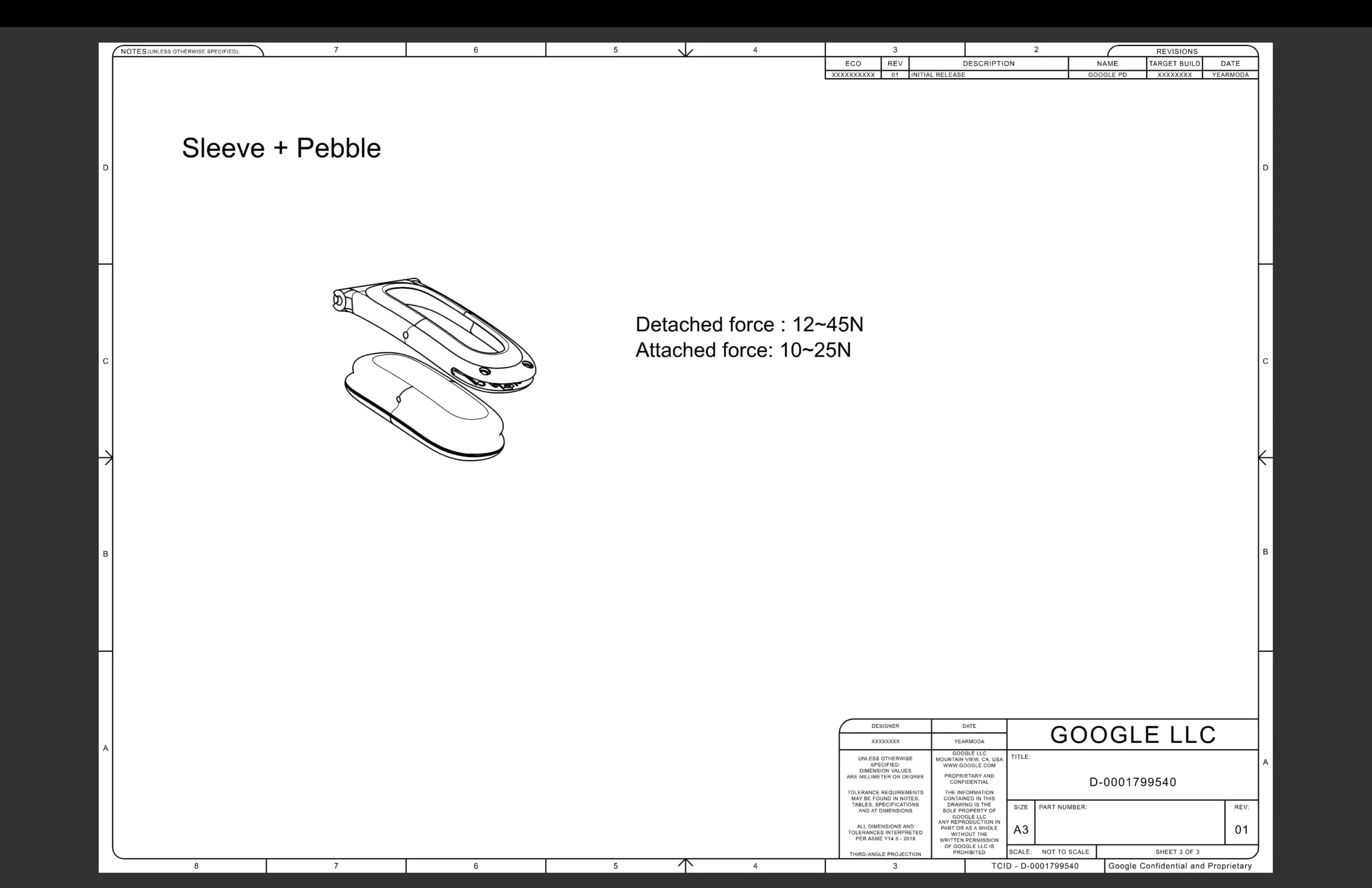
The released documents center on two things: the pill-shaped pebble that contains the tracker’s sensors, and the sleeve mechanism used by the Performance Loop Band. These aren’t vague marketing diagrams. The Fitbit Air blueprints include precise mating dimensions, mechanical tolerances, and — notably — attach and detach force specifications. That last detail matters more than it sounds. Get the snap-in force wrong and you either end up with a band that falls off mid-run or one that requires a screwdriver to remove.
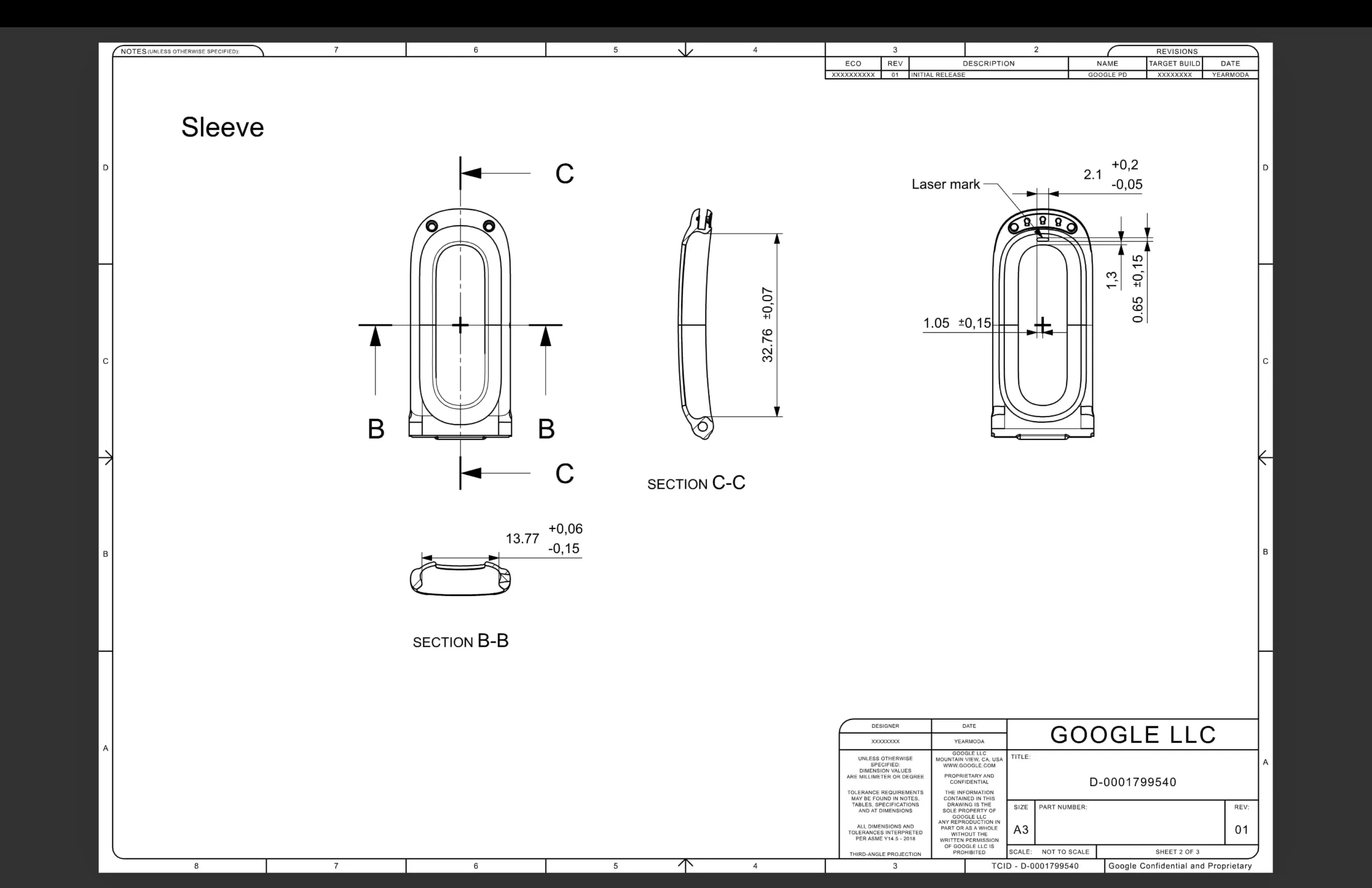
Google has also published a Google Store developer page laying out a set of design guidelines that go well beyond “make sure it fits.” There are three core areas any accessory maker needs to pay attention to:
Sensor Clearance and Skin Contact
The optical heart rate and SpO2 sensors on the Fitbit Air’s underside need to stay completely unobstructed. Google’s guidance states that the band should maintain “flush, consistent skin contact” and be designed to hold “a steady, gentle pressure against the skin in the sensing area” during movement. That’s not just comfort advice — it’s the difference between accurate biometric data and garbage readings.
Sensor Pressure: The 35 mmHg Rule
This is where things get genuinely technical. For reliable PPG (photoplethysmography) performance — the optical method used to detect pulse — Google recommends a minimum sustained contact pressure of 35 mmHg (0.68 psi) in the sensing region. If you’ve ever wondered why cheap third-party fitness bands produce erratic heart rate data, inconsistent sensor pressure is usually a big part of the answer. By publishing this number, Google is essentially giving makers a measurable target to design toward rather than a vague “make it snug.”
The Snap-In Mechanism
The Fitbit Air uses a tension-based snap-in system. Google’s documentation is explicit: accessory enclosures must follow the provided CAD tolerances so the tracker stays locked in place during “rigorous movement” but can still be swapped easily. That tension balance is harder to nail than it sounds, and having the actual specifications published means makers can prototype with confidence rather than through trial and error.
Skin Safety Guidelines Are Included Too
One detail that doesn’t get enough credit: Google didn’t just drop the mechanical specs and walk away. The Fitbit Air blueprints package includes material safety guidance — a list of chemical limits, environmental standards, and testing requirements designed to ensure accessories don’t cause skin irritation or allergic reactions. Anyone who’s ever developed a rash from a cheap smartwatch band will appreciate this. It also signals that Google wants accessories built with the Fitbit Air CAD files to be genuinely good products, not just technically compatible ones.
This matters especially because the people most likely to use these specs aren’t large manufacturers with established material sourcing pipelines. They’re independent designers and hobbyists who might not have thought carefully about whether their chosen silicone or resin formulation is safe for long-term skin contact. Google providing that guidance upfront is a smart move — it protects users and gives the maker community a quality baseline to build toward.
Why This Feels Distinctly Google — and Why That’s Interesting
There’s something almost nostalgic about this. The early Google — the one that published APIs indiscriminately, open-sourced Android, and seemed genuinely excited about what developers might build — feels present here in a way that’s been harder to find in recent years. Google itself framed this as reminiscent of the company’s earlier ethos, and for once that self-assessment isn’t entirely PR spin.
The Fitbit Air’s modular, swappable pebble design was clearly built with this kind of extensibility in mind. The pill-shaped tracker module that separates from the band isn’t just a clever hardware choice — it’s an invitation. By making the core sensor unit a discrete, attachable object, Google created a platform rather than just a product. Releasing the Fitbit Air blueprints is the logical next step in that strategy.
Compare this to how Apple handles the Apple Watch band ecosystem. Third-party bands exist, but Apple has never published official connector specifications. Makers have reverse-engineered the lugs themselves, and it shows — quality varies wildly, and some aftermarket bands have damaged watches or failed during workouts. Wearable device standards from regulators like the FDA increasingly expect skin-contact products to meet documented safety thresholds. Google getting ahead of that with published guidelines is pragmatic as much as it is community-minded.
What This Means for the Fitbit Accessory Market
The practical upside here is a potentially vibrant accessories ecosystem that money alone can’t manufacture. Think small-batch leather bands from independent craftspeople, medical-grade silicone sleeves designed for specific use cases, niche sport bands optimised for climbing or swimming or cycling — products that a mainstream accessory company would never make because the addressable market is too small to justify tooling costs.
That’s exactly the kind of long-tail richness that has made platforms like Raspberry Pi and Arduino into enduring maker favorites. Google is essentially betting that the same energy can apply to a consumer fitness wearable. Given that the Fitbit Air has only been on shelves for a month and users were already improvising bicep band solutions, the demand for creative customisation clearly exists.
The Fitbit Air blueprints also serve a less obvious purpose: they differentiate the Fitbit Air in a crowded market without requiring Google to spend another dollar on product development. Every independent designer who builds something cool for the Fitbit Air becomes a de facto brand ambassador. Every unusual band that goes viral on Reddit or TikTok is free marketing. It’s a smart play dressed up as generosity — and there’s nothing wrong with that, as long as the community genuinely benefits, which in this case it does.
The real question now is whether Google sustains the commitment. Publishing CAD files once is easy. Updating them when hardware revisions ship, maintaining the developer documentation, and actively engaging with the maker community over time is the harder part. If Google treats this as a one-time PR gesture rather than a genuine platform strategy, the goodwill will evaporate quickly. But if the company sticks with it — and the Fitbit Air’s modular design suggests it was planned from the start — this could become one of the more interesting open-hardware experiments in consumer wearables in years.